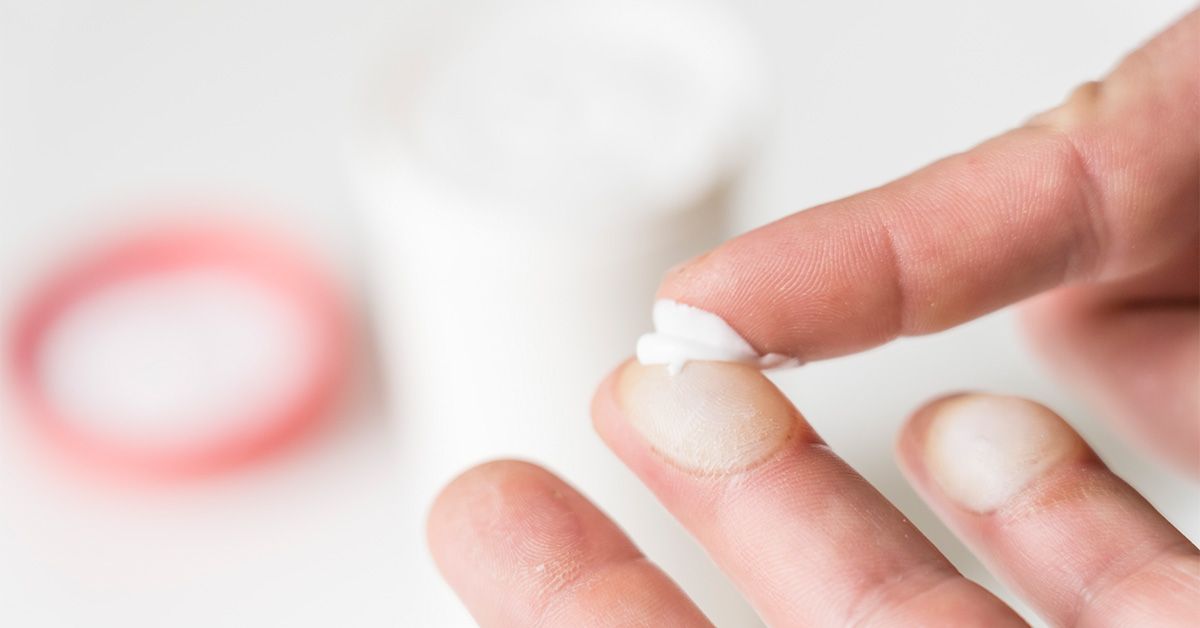
Somewhere in the grand museum of questionable home remedies, right between “put butter on a burn” and “just walk it off,” sits the classic advice: use toothpaste on burns. It sounds convincing at first. Toothpaste feels cool, smells minty, and comes in a tube that looks vaguely medical if you squint hard enough. Unfortunately, your skin is not a molar, and a burn is not plaque.
The truth is simple: toothpaste is made for teeth, not injured skin. Applying it to a burn can irritate the area, trap heat, increase discomfort, and possibly raise the risk of infection. For a minor burn, the best home treatment is far less dramatic: cool running water, gentle care, a clean covering, and patience. No minty heroics required.
This guide explains why toothpaste is a bad idea for burns, what to do instead, which home remedies actually help, and when a burn needs medical attention. Think of it as a first-aid reality check with fewer myths and more skin-saving common sense.
Why People Put Toothpaste on Burns in the First Place
The toothpaste-on-burns myth probably became popular because toothpaste creates a temporary cooling sensation. Many formulas contain menthol, peppermint flavoring, or foaming ingredients that feel “fresh” on the skin. When your finger meets a hot pan, that chilly tingle can trick your brain into thinking something helpful is happening.
But a cooling feeling is not the same thing as proper burn treatment. A burn injury continues developing after contact with heat, which is why the first goal is to safely remove heat from the skin. Toothpaste does not reliably do that. In fact, it may form a layer over the burn that keeps heat trapped where you least want it: inside already irritated tissue.
The myth also survives because many small burns heal on their own. Someone burns a knuckle, slathers on toothpaste, and three days later the skin looks better. Toothpaste gets the credit, even though the body was doing the repair work while the toothpaste mostly stood around pretending to be useful.
Why You Should Not Use Toothpaste on Burns
1. Toothpaste can irritate damaged skin
Toothpaste is designed for enamel, not open or inflamed skin. It may contain fluoride, detergents, whitening agents, flavorings, preservatives, and abrasives. These ingredients can be fine in your mouth when used properly, but on a burn they may sting, dry out the skin, or make irritation worse.
Burned skin is already stressed. The outer protective barrier may be weakened, red, swollen, or blistered. Adding a product full of non-skin-care ingredients is like inviting a marching band into a library: wrong place, wrong energy.
2. It may trap heat in the burn
Good burn first aid begins by cooling the area with clean, cool running water. Toothpaste does not replace this step. If applied too soon, especially in a thick layer, it may prevent heat from escaping efficiently. That can prolong discomfort and may contribute to deeper tissue damage in some cases.
This is the same reason greasy substances like butter and oil are discouraged. They may feel soothing at first, but they can create a barrier that keeps heat in and makes cleaning the burn more difficult later.
3. It is not sterile
Most toothpaste tubes live near sinks, toothbrushes, and bathroom counters. That is not exactly a surgical suite. When skin is burned, especially if blisters form or the surface breaks, infection becomes a real concern. Rubbing a bathroom product into injured skin is not a smart trade.
Even if the burn looks small, the goal is to keep it clean, protected, and calm. Toothpaste can make the wound harder to evaluate and may need to be washed off later, which can be painful.
4. It can hide signs that the burn is serious
A layer of white paste can cover redness, swelling, blistering, or changes in skin color. Those visual clues matter. They help you decide whether the burn is mild enough for home care or serious enough for a medical professional. When toothpaste masks the skin, it turns a simple first-aid decision into a guessing game.
What to Do Immediately After a Minor Burn
A minor burn usually means a small first-degree burn or a small superficial second-degree burn. A first-degree burn affects the outer layer of skin and often looks red, dry, and painful, like a mild sunburn. A superficial second-degree burn may blister and feel more painful. If the burn is large, deep, chemical, electrical, or located on a sensitive area, skip the home-remedy routine and get medical care.
Step 1: Cool the burn with running water
Hold the burned area under cool running water for about 10 to 20 minutes, depending on the burn and the guidance you follow. The water should be cool, not icy. This helps pull heat away from the skin, reduce pain, and limit further injury. If running water is not available, use a clean, cool, wet compress.
Do not use ice directly on the burn. Ice can damage already injured skin and may make the burn worse. “Cold” is not automatically better. With burns, the winning temperature is cool and sensible, not freezer-level dramatic.
Step 2: Remove tight items nearby
If the burn is on a hand, wrist, foot, or ankle, remove rings, bracelets, watches, or tight clothing near the area before swelling begins. Do not remove anything stuck to the burn. If fabric or material is attached to the skin, leave it in place and seek medical help.
Step 3: Gently clean the area
After cooling, wash around the burn gently with mild soap and water if needed. Do not scrub. Burned skin has already had a rough day; it does not need an exfoliation appointment.
Step 4: Protect the burn
Cover the burn with a sterile, nonstick bandage or clean gauze. Keep the covering loose. The goal is to protect the area from dirt and friction while allowing it to heal.
Step 5: Manage pain safely
For discomfort, many people use over-the-counter pain relievers such as acetaminophen or ibuprofen, following the label directions. A cool compress can also help after the initial cooling period. If pain is severe, worsening, or out of proportion to the size of the burn, get medical advice.
Home Remedies for Burns That Actually Work
Not every home remedy belongs in the trash. Some simple burn remedies are genuinely helpful when used correctly on minor burns. The key is knowing which ones support healing and which ones belong in the “please stop putting pantry items on injuries” category.
Cool running water
This is the most important first step for a minor thermal burn. Cool water helps stop the burning process and eases pain. It is inexpensive, available in most homes, and does not come with a suspicious mint flavor.
Cool compresses
A clean, cool, damp cloth can help soothe the area, especially if the burn is in a spot that is hard to place under running water. Use cool water, not ice water. Replace the cloth as it warms up.
Petroleum jelly for minor burns
For small, minor burns after cooling, a thin layer of plain petroleum jelly may help keep the area moist and protected. Use a clean hand or cotton swab. Avoid heavily scented lotions, harsh creams, or mystery ointments from the back of the cabinet that expired during the dinosaur era.
Aloe vera gel
Aloe vera can feel soothing on minor burns and sunburns. Choose pure aloe vera gel when possible, and avoid products with alcohol, heavy fragrance, or dyes. Apply gently after the burn has been cooled and cleaned.
Nonstick bandages
A clean, nonstick dressing protects the burn from rubbing against clothing, furniture, backpack straps, or whatever other daily object has decided to attack your skin. Change the dressing daily or whenever it becomes wet or dirty.
Moisturizing after healing begins
Once the burn is closed and healing, moisturizing can reduce dryness and tightness. Use a gentle, fragrance-free product. When the skin has fully healed, protect the area from sun exposure because new skin can discolor more easily.
Burn Remedies to Avoid
Some burn remedies are famous, but famous does not mean useful. Some are famous the way raccoons in kitchens are famous: memorable, chaotic, and best avoided.
Do not use toothpaste
Toothpaste can irritate burned skin, trap heat, and make the wound harder to clean. It is for brushing teeth. Let it stay in its lane.
Do not use butter or cooking oil
Butter, coconut oil, olive oil, and similar greasy substances can hold heat in the skin and increase the risk of irritation or contamination. Your burn is not toast.
Do not use ice directly
Ice can injure skin and may worsen tissue damage. Use cool running water instead.
Do not pop blisters
Blisters act like natural protective cushions. Popping them can increase infection risk. If a blister breaks on its own, keep the area clean, apply a suitable protective layer if recommended, and cover it with a nonstick dressing.
Be careful with honey
Honey is sometimes discussed in wound care, but kitchen honey is not the same as medical-grade honey used in clinical settings. Do not smear regular honey on a fresh burn, especially if the skin is open or blistered, unless a healthcare professional specifically recommends it.
When a Burn Needs Medical Care
Home care is only for minor burns. Seek medical help right away if the burn is deep, larger than the palm of the person’s hand, or located on the face, eyes, hands, feet, genitals, buttocks, or over a major joint. Burns in these areas can affect movement, function, appearance, or healing.
You should also get medical care for chemical burns, electrical burns, inhalation injuries, burns caused by fire or explosion, or burns in babies, young children, older adults, or people with health conditions that affect healing. If the skin looks white, leathery, charred, numb, or severely blistered, treat it as serious.
Watch for signs of infection during healing: increasing redness, swelling, warmth, pus, red streaks, fever, or worsening pain. A burn that seems to be getting angrier instead of calmer deserves professional attention.
How to Tell Whether a Burn Is Minor
A mild first-degree burn usually causes redness, tenderness, and mild swelling without broken skin. It often heals within several days. A small superficial second-degree burn may cause blisters and more intense pain but can still heal well with proper care if it is limited in size and not in a high-risk location.
A deeper burn may look waxy, pale, leathery, brown, black, or white. Oddly, very deep burns may hurt less because nerve endings are damaged. That does not mean the injury is fine. It means the opposite: get medical help.
Common Burn Scenarios and What to Do
Hot pan or oven rack burn
Remove your hand from the heat source, cool the burn under running water, remove rings if the burn is on a finger, and cover it with a clean nonstick dressing. Avoid toothpaste, butter, and ice.
Hot coffee or soup spill
Remove wet clothing unless it is stuck to the skin. Cool the area with running water. Scald burns can be more serious than they first appear, especially in children, so watch for blistering or spreading redness.
Minor sunburn
Get out of the sun, cool the skin with a cool shower or compress, drink water, and use gentle moisturizer or aloe. If blistering is widespread, fever develops, or the person feels very ill, seek medical care.
Grease splatter
Cool the area quickly with running water and keep it clean. Grease burns can be surprisingly painful and may blister. Do not add more oil to an oil burn. That is not balance; that is bad chemistry with confidence.
Why Fast Cooling Matters
Heat does not always stop damaging skin the instant you step away from the stove, curling iron, grill, or campfire. Residual heat can remain in the tissue. Cool running water helps reduce that heat before the injury worsens. This is why the first few minutes after a burn matter so much.
Toothpaste wastes valuable time. The longer you spend hunting for a tube, squeezing it onto the skin, and waiting for the minty magic that never arrives, the longer the burn goes without the treatment it actually needs.
Experience-Based Takeaways: What People Learn After a Minor Burn
Most people do not become burn-care experts by reading a medical textbook. They learn during real life’s tiny disasters: touching a cookie sheet, grabbing a pan handle that “looked cool,” splashing boiling pasta water, or discovering that steam can be sneakier than a cat near an open tuna can.
One common experience is panic. A burn happens fast, and the first instinct is often to grab whatever is nearby. That is how toothpaste, butter, ice cubes, and random lotions enter the story. The problem is that panic loves shortcuts, and burn care does not reward shortcuts. The people who recover most smoothly from minor burns usually do the boring thing first: they cool the area with running water and give the skin time to calm down.
Another lesson is that pain is not always a perfect guide. A small fingertip burn can feel enormous because fingertips are packed with nerve endings. Meanwhile, a deeper burn can sometimes feel strangely less painful than expected. That is why appearance, size, location, and cause matter. A tiny red mark from a baking tray is different from a chemical splash or an electrical injury.
People also learn that blisters are not balloons waiting for a hobbyist. Popping them may feel tempting, especially when they are in an annoying spot, but blisters protect healing skin underneath. Covering them gently is usually smarter than turning them into an open wound.
The “toothpaste mistake” often happens because the burn feels hot and toothpaste feels cool. But many people who try it report that the relief is brief, followed by stinging, tightness, or a messy cleanup. Once the paste dries, it can crack, stick, or make the skin feel even more uncomfortable. Then the person has to wash it off, which is exactly the kind of extra drama a fresh burn does not need.
A better household habit is to build a simple burn-care routine before you need it. Know where your clean gauze, nonstick pads, petroleum jelly, and pain reliever are. Keep aloe vera gel that is meant for skin, not a suspicious scented “summer breeze sparkle” lotion. Teach family members that the first response is water, not toothpaste. This is especially important in kitchens, bathrooms, workshops, and anywhere children may be near hot liquids.
Experience also shows that small burns can interfere with daily life more than expected. A burn on a knuckle can make typing annoying. A burn on the palm can make opening a door feel like a medieval trial. A burn on the foot can turn socks into enemies. Protecting the area with a clean dressing helps prevent friction and gives the skin a better chance to heal without being bumped every five minutes.
Finally, people learn that watching the burn over time matters. A minor burn should gradually improve. Redness should fade, pain should decrease, and the skin should begin to repair. If the burn becomes more swollen, more painful, warm, oozy, or streaked with redness, that is not “part of the process.” That is a reason to get medical advice.
The best burn-care experience is the one that ends quietly: cool water, clean protection, steady healing, and no bathroom products pretending to be medicine.
Final Thoughts
Toothpaste on burns is one of those home remedies that sounds helpful until you look at what burned skin actually needs. A minor burn needs quick cooling, gentle cleaning, moisture support when appropriate, and protection from friction and germs. Toothpaste offers none of those benefits reliably and may make irritation worse.
For small, minor burns, use cool running water, a clean dressing, plain petroleum jelly or aloe vera when appropriate, and careful monitoring. For serious burns, skip the home-remedy experiment and seek medical care. Your skin is excellent at healing when you stop giving it mint-flavored obstacles.