Note: Body-only HTML, ready to paste into a webpage template.
Every summer, lawns across America perform the same dramatic routine. First they glow a happy green. Then the heat rolls in, the rain takes a vacation, and suddenly the yard looks like it has joined a very exclusive straw-colored club. For a lot of homeowners, that moment feels like failure. The neighbors are watering, the sprinkler is calling your name, and your lawn looks like it just gave up on life.
But here is the truth that turf experts, water-wise gardeners, and anyone who has survived a hot July already knows: brown summer grass is not automatically bad grass. In many cases, it is simply dormant grass. That means your lawn is not waving a white flag. It is conserving energy, protecting its crown and roots, and waiting for better weather like a tiny green survivalist with excellent instincts.
In fact, letting grass turn brown in summer can be a smart, responsible, and completely normal choice. It can reduce water use, lower your utility bill, cut mowing time, and take pressure off a lawn that does not actually want to perform like a golf course during a heat wave. Not every yard needs to look like a soft-focus soda commercial in August. Sometimes the healthiest thing a lawn can do is stop pretending summer is spring.
This article explains why summer lawn dormancy is often perfectly fine, when brown grass is normal versus when it signals trouble, how to manage a lawn that goes dormant, and why giving up on the “always emerald” fantasy can make you a better homeowner and a saner human.
Brown Does Not Always Mean Dead
Let’s start with the most important lawn therapy session of all: brown grass is not necessarily dead grass. During periods of heat and drought, many turfgrasses naturally slow down or stop top growth. The blades fade from green to tan or brown because the plant is trying to conserve moisture and energy. The living parts of the plant, especially the crown and roots, may still be very much alive.
This is especially common with cool-season grasses such as Kentucky bluegrass, perennial ryegrass, and fine or tall fescues, which dominate many lawns in the northern and central United States. These grasses thrive in cooler temperatures and can struggle when summer turns into a giant hair dryer. Going dormant is how they ride out the stress.
Warm-season grasses, such as bermudagrass, zoysiagrass, buffalograss, and St. Augustinegrass, are better built for heat, but even they can turn brown under drought conditions or reduced irrigation. The point is simple: lawn color alone does not tell the whole story. A brown lawn in summer may be inconvenient for your curb appeal, but biologically, it can be a normal survival response.
What Dormancy Actually Means
Dormancy is not the lawn equivalent of quitting. It is more like switching into low-power mode. When water becomes scarce and temperatures stay high, grass reduces visible growth, stops pushing out fresh green blades, and prioritizes keeping the plant alive until conditions improve. Think of it as your lawn saying, “I am not dead. I am budgeting.”
That matters because a dormant lawn usually recovers when rainfall returns or irrigation resumes in a reasonable way. In many regions, especially where cool-season lawns dominate, grass greens back up in late summer or fall when temperatures cool and moisture returns. This seasonal cycle is so common that experts often recommend deciding ahead of time whether you want to keep your lawn green with regular irrigation or allow it to go dormant instead of constantly flipping between both approaches.
That last point matters more than people realize. Repeatedly letting a lawn go dormant, then overwatering to wake it up, then stressing it again can drain the plant’s energy reserves. In other words, your lawn can handle a nap. It just does not want to be yanked awake every few days for no good reason.
Why Letting Grass Turn Brown Can Be the Smart Move
1. It saves a surprising amount of water
Keeping a lawn green through intense summer heat often requires more water than many homeowners realize. In drought-prone areas or during water restrictions, pushing turf to stay lush can become expensive, inefficient, and frankly a little ridiculous. A dormant lawn often needs far less supplemental water than a fully green one. In some cases, homeowners who are simply trying to keep the crown and roots alive may only need occasional survival watering rather than a full irrigation schedule.
That makes letting grass go brown one of the easiest water-conservation choices in residential landscaping. If your lawn is primarily ornamental and not doubling as a soccer field, picnic blanket, and dog Olympics arena every afternoon, a temporary brown phase is often a reasonable tradeoff.
2. It lowers lawn maintenance
Green, actively growing grass needs mowing. Dormant grass mostly does not. That means fewer trips behind the mower, less fuel or electricity used, and fewer Saturday mornings spent arguing with a machine that never starts on the first pull when the neighbors are watching.
There can also be less need for summer fertilization, less temptation to over-manage the lawn, and less pressure to chase cosmetic perfection. Once homeowners accept that a dormant lawn is not a dying lawn, lawn care becomes far less dramatic.
3. It can be healthier than forcing growth during stress
A lawn under extreme heat is already working hard just to stay alive. Dumping fertilizer on it in midsummer, cutting it too short, or irrigating shallowly every day can make things worse. Frequent light watering often encourages shallower roots and a more dependent lawn. By contrast, a lawn that is either deeply watered when needed or allowed to rest in dormancy often develops a more resilient relationship with real-world weather.
Put another way: babying turf is not always kindness. Sometimes it is just expensive micromanagement with a hose attached.
The Environmental Case for a Brown Summer Lawn
The environmental argument is not anti-lawn. It is anti-waste. In many American communities, summer puts pressure on local water supplies precisely when residential outdoor water use spikes. Irrigating ornamental turf to keep it uniformly green during hot, dry stretches can compete with broader water-conservation goals.
Letting grass turn brown for part of the season recognizes an uncomfortable but useful truth: a lawn is not a sacred object. It is a landscape feature. And landscape features should match climate reality. Choosing dormancy can reduce unnecessary water use and lower runoff from over-irrigation. It can also reduce the impulse to apply fertilizers or other inputs during stressful periods when turf is least able to use them well.
Homeowners are often told to care for lawns like they are permanent springtime carpets. That sounds lovely until the forecast says 98 degrees, the soil is dry, and the monthly water bill arrives looking like a ransom note. Climate-aware lawn care is not neglect. It is common sense.
How to Tell Dormant Grass from Dead Grass
This is where lawn anxiety usually peaks. If brown can be normal, how do you know whether your grass is only sleeping or has truly checked out?
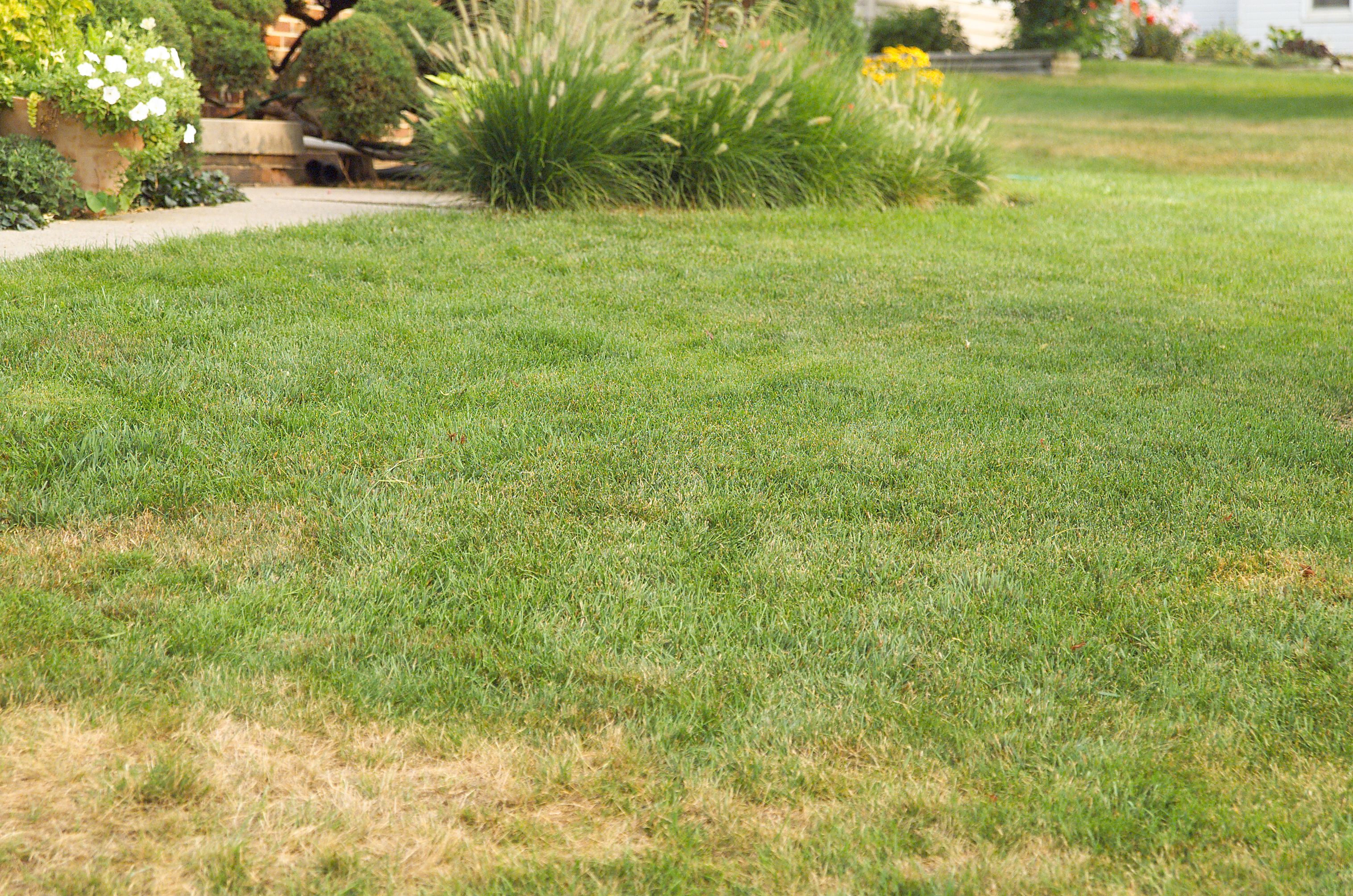
Start with patterns. Dormancy from heat and drought often appears across broad sunny areas and tends to look fairly uniform. Grass near sidewalks, driveways, and pavement may brown faster because those surfaces reflect extra heat. If the entire yard went tan after weeks of hot, dry weather, dormancy is a likely explanation.
Next, check the crown area near the soil surface. If the crowns are still firm and the roots hold when you gently tug on the grass, the lawn may still be alive. Grass that pulls out easily, has rotten tissue, or shows no recovery after cooler weather and proper watering may be dead or badly damaged.
Also consider timing. If your lawn only recently turned brown during a heat wave, do not panic and order a ceremonial wreath for it. Many dormant lawns recover when temperatures moderate and moisture returns. If brown turf persists well beyond the drought period, or if you see weird patch patterns, fungal signs, or heavy thinning, that is the moment to investigate deeper.
When Letting Grass Turn Brown Is Not Totally OK
Now for the honest part: there are limits. A lawn can survive dormancy, but it is not invincible. Letting grass turn brown is usually fine when the turf is established, generally healthy, and browning because of heat and drought. It is less fine when the lawn is already weak, newly seeded, newly sodded, or dealing with disease, heavy foot traffic, compacted soil, or severe pest damage.
It is also not a great strategy for every patch of turf. If kids, pets, or regular activity pound the same area all summer, a dormant lawn may struggle because dormant grass does not tolerate traffic as well as actively growing turf. Likewise, a lawn planted in the wrong grass species for the region will always be more stressed.
So yes, brown can be OK. But “ignore every problem and call it dormancy” is not a lawn-care philosophy. That is just denial wearing gardening gloves.
How to Manage a Lawn You Intend to Let Go Dormant
Mow high, not scalped
One of the simplest ways to help a lawn handle summer stress is to keep mowing height on the higher side for your grass type. Taller grass shades the soil, supports deeper roots, and improves drought tolerance. Scalping a lawn right before a hot spell is like sending it into battle wearing flip-flops.
Water deeply if you water at all
If you choose to maintain some green or provide survival watering, avoid the habit of light daily sprinkling. Deep, infrequent watering is generally better than frequent shallow watering. Early morning is usually the best time to irrigate because less moisture is lost to evaporation and leaf wetness does not linger as long as it does overnight.
Limit traffic during dormancy
Dormant grass is alive, but it is not feeling athletic. Repeated traffic can damage crowns and thin the stand. If possible, spread out play areas, walking paths, or dog routes until the lawn resumes active growth.
Do not fertilize in peak summer heat
Fertilizer timing matters. Pushing growth during intense heat can stress cool-season lawns. In many cases, the better time for feeding and repair is late summer to fall, when temperatures are more favorable and grass can actually use the nutrients for recovery and root development.
Overseed or renovate in fall if needed
If your lawn comes out of summer looking thinner than you would like, fall is often the ideal window for repair in cool-season regions. Overseeding, core aeration, and smart fertilization after the heat breaks can do far more good than heroic midsummer interventions.
A Better Goal Than “Perfectly Green”
The problem with the modern lawn myth is that it confuses appearance with health. A lawn can look aggressively green because it is being pumped full of water and constantly pushed to grow. Another lawn can look brown for part of summer and still be functioning exactly as nature intended. If the goal is a landscape that survives, recovers, and makes reasonable demands on time and water, then summer dormancy is not failure. It is adaptation.
That shift in mindset can be surprisingly freeing. Instead of asking, “How do I force this lawn to look like April in the middle of August?” the better question is, “What does responsible summer lawn care look like where I live?” In many places, the answer includes accepting some brown.
Specific Examples Homeowners Can Relate To
A homeowner in the Midwest with a Kentucky bluegrass and fescue lawn may see the yard fade during a string of 90-degree days with little rain. Rather than irrigating heavily to preserve cosmetic color, they may decide to provide only minimal survival watering, mow less often, and wait for cooler weather. By early fall, the lawn greens up again and needs only a little overseeding in worn areas.
A homeowner in Texas with bermudagrass may notice that the lawn handles heat better overall but still dulls in color under drought stress. Instead of chasing flawless summer color, they adjust expectations, water strategically, and focus on keeping the turf alive and functional rather than lush beyond reason.
A California homeowner under water restrictions may simply decide that a tan summer lawn is preferable to wasting potable water on aesthetics. That choice is not lazy. It is exactly the kind of practical landscape decision more communities are encouraging.
Real-Life Experiences: What a Brown Lawn Teaches You in Summer
The funny thing about letting your grass turn brown is that the first summer feels emotionally louder than the lawn actually is. Homeowners who have always associated green turf with good housekeeping often expect guilt, judgment, or immediate yard collapse. What usually happens instead is much less dramatic. The lawn changes color, growth slows way down, mowing becomes infrequent, and life keeps moving. The apocalypse does not arrive. The mail still gets delivered. The dog still barks at squirrels with the same enthusiasm. The world somehow survives the existence of a tan yard.
Many people describe the first experience as a lesson in unlearning. They realize they were not really caring for a lawn as much as performing a tradition. Every summer, they watered because that was what neat homeowners did. Then one year they decide to hold back, maybe because of a drought, a giant water bill, or a growing suspicion that their grass was running the household like a tiny green dictator. They watch closely, expecting disaster. Instead, they discover that the lawn enters dormancy exactly as turf experts said it might. It looks rough, yes, but not tragic. Then rain returns, temperatures cool, and green starts creeping back.
Another common experience is noticing how much time and money a fully green summer lawn quietly demands. When the turf is dormant, the whole maintenance calendar loosens. The mower stays in the garage longer. The irrigation system gets less attention. There is less panic buying of fertilizer, seed, and miracle products with labels that sound like they were named by a superhero marketing team. People often discover that they do not actually miss the labor as much as they thought they would. They mostly miss the illusion that a green lawn proved something important.
There is also a neighborhood psychology to it. At first, a brown lawn can feel like a public confession. Then homeowners look around and notice that several other yards are also fading, especially in the hottest spots near sidewalks and driveways. Suddenly their lawn is not a failure. It is part of a seasonal pattern. In fact, some people find that once they stop chasing perfect color, they begin noticing bigger landscape priorities: shade, soil quality, drainage, regional grass choice, and whether parts of the yard should even be lawn at all.
Parents often report something else that is both obvious and weirdly profound: kids do not care nearly as much as adults do. They will still run across the yard, play catch, and invent games whether the grass is emerald, olive, or toasted beige. Pets are usually similarly untroubled. The pressure to maintain an immaculate green carpet is often coming from grown-up expectations, not real use.
By the second or third summer, many homeowners become calmer and more strategic. They know what normal dormancy looks like. They know which areas recover quickly and which areas may need fall overseeding. They stop panic-watering the instant the lawn loses color. Most importantly, they begin seeing the yard as a living system instead of a cosmetic test. That is the real payoff. A brown lawn in summer teaches patience, climate realism, and the deeply satisfying skill of not overreacting to every seasonal change. For a patch of grass, that is not bad life advice.
Conclusion
Letting grass turn brown in summer is totally OK because, in many cases, that is exactly what healthy grass does under heat and drought stress. Dormancy is a built-in survival strategy, not a sign of moral decline in your landscaping habits. If your lawn is established, your expectations are realistic, and you manage it thoughtfully, a temporary brown phase can save water, reduce maintenance, and still lead to a strong recovery when weather improves.
So the next time your lawn fades in July, resist the urge to treat it like a five-alarm emergency. It may not need rescuing. It may just need a little respect, a little patience, and fewer people trying to make it cosplay as spring in the middle of summer.