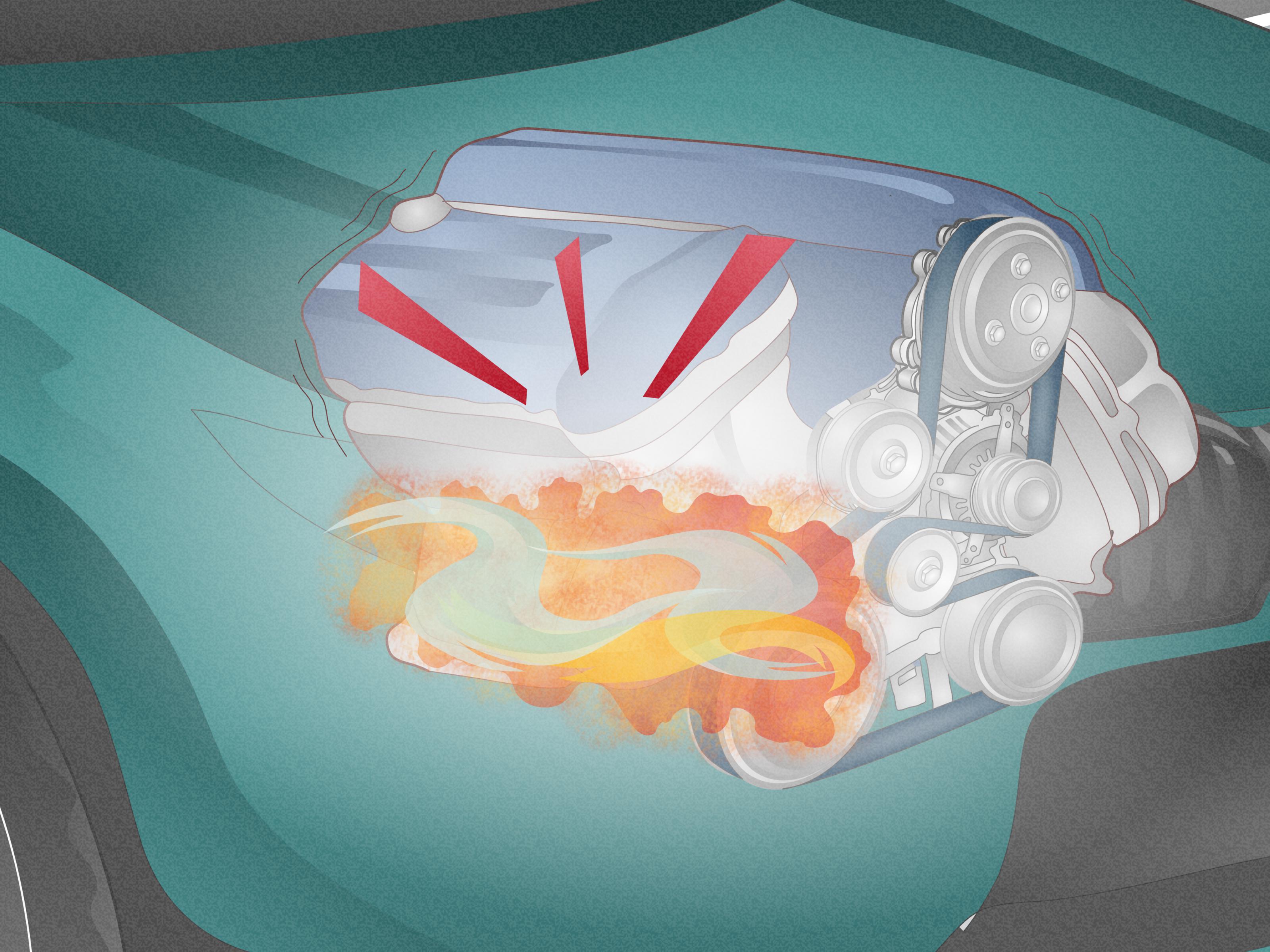
Your engine is supposed to hum, growl a little, and occasionally sound mildly annoyed when you ask it to sprint up a hill. What it is not supposed to do is knock like it’s trying to escape the hood. If you’re hearing a pinging, tapping, or deep metallic thud from the engine bay, don’t panicbut don’t ignore it either.
Engine knocking can range from “you used the wrong gas and your car is complaining” to “your bottom end is planning a very expensive retirement.” The trick is figuring out which kind of noise you’re dealing with, what caused it, and how quickly you need to act. In many cases, catching the problem early can save you from turning a small repair into a full-blown engine replacement.
In this guide, we’ll break down what engine knock actually means, walk through eight common causes, explain the fixes that make sense, and show you how to tell a minor issue from a mechanical emergency. We’ll also cover real-world symptoms drivers often experience, because sometimes the engine doesn’t just knockit sends a full orchestra of warnings.
What Does Engine Knocking Mean?
“Engine knock” is a catch-all phrase people use for a few different noises, but true knock usually refers to abnormal combustion inside the cylinders. Instead of the air-fuel mixture burning in a smooth, controlled way, it ignites unevenly or too early. That creates sharp pressure spikes, and those spikes produce the classic pinging or knocking sound.
That said, not every knock is combustion-related. Some noises come from low oil pressure, worn bearings, tired lifters, or other internal parts smacking into each other in ways the engineers definitely did not intend. So before you start blaming the gas station down the street, it helps to pay attention to when the sound happens:
- Knock under load or uphill: often points to fuel, timing, heat, or carbon buildup.
- Knock that gets louder with RPM: may suggest bearing or bottom-end wear.
- Cold-start tapping that fades: could be valvetrain noise rather than true knock.
- Knock plus warning lights, overheating, or power loss: treat it as urgent.
1) Low-Octane Fuel or the Wrong Gas
This is one of the most common causes of spark knock, especially in turbocharged or higher-compression engines. If your vehicle is designed for premium fuel and you fill it with regular, the fuel may ignite too easily under pressure. The result is a metallic pinging sound, especially when accelerating, climbing hills, or hauling extra weight.
Even in vehicles that usually run fine on regular, poor-quality or stale fuel can sometimes trigger knocking. Hot weather, heavy throttle, and carbon buildup can make the problem worse.
How to Fix It
Start with the simplest move: use the octane rating listed in your owner’s manual or fuel door. Not “whatever was cheapest,” not “whatever your cousin swears by,” and not “premium just in case” unless the vehicle actually requires or recommends it. If you recently used the wrong fuel, filling up with the correct octane may reduce the knock after a short drive cycle. If the fuel is old or contaminated, a drain-and-refill may be necessary.
Example: A turbo engine that sounds fine around town but knocks when merging onto the highway may simply be asking for the fuel grade it was designed to use.
2) Carbon Deposits in the Combustion Chamber
Over time, carbon deposits can build up on pistons, valves, and combustion chamber surfaces. These deposits can raise compression, trap heat, and create hot spots that ignite the air-fuel mixture before the spark plug fires. That’s a recipe for pre-ignition, detonation, and the sort of knocking noise that makes drivers turn the radio down in fear.
Short-trip driving, inconsistent maintenance, and some direct-injection engines can make deposit buildup more likely.
How to Fix It
If carbon buildup is mild, a quality fuel-system or combustion-chamber cleaning service may help. Some engines also respond well to top-tier fuel and regular highway driving after the deposits are addressed. If the buildup is severe, a shop may recommend a more involved intake or valve cleaning service.
The long-term fix is boring but effective: use the correct fuel, keep up with maintenance, and don’t let oil-change intervals stretch into another calendar season.
3) Low Engine Oil or Low Oil Pressure
If your engine is low on oilor the oil pressure has droppedinternal metal parts may no longer be cushioned properly. That can create knocking, ticking, or tapping noises from the top end or bottom end of the engine. In plain English, the parts that are supposed to glide on a protective film of oil begin rubbing, slapping, or hammering instead.
This is where things can get expensive in a hurry. A low-oil knock is not the sort of sound you reward with “I’ll deal with it next weekend.”
How to Fix It
Check the oil level immediately on level ground with the engine off and cooled down. If it’s low, top it off with the correct oil grade and inspect for leaks. If the oil is dirty, overdue, or the wrong viscosity, change the oil and filter. But here’s the important part: if the oil warning light is on, the engine still knocks after topping off, or the noise is deep and heavy, stop driving and have the car towed.
A quart of oil is cheap. A spun bearing is not.
4) Overheating or a Cooling-System Problem
An engine that runs too hot is more likely to knock. Higher combustion temperatures increase the chances of uncontrolled ignition, especially under load. Overheating can also contribute to head gasket problems, warped components, and other issues that turn a noise complaint into a major repair invoice.
Common culprits include low coolant, a failing thermostat, radiator trouble, cooling fan issues, or a water pump that’s no longer doing its job with much enthusiasm.
How to Fix It
If the temperature gauge is high or the car is overheating, pull over safely and shut the engine off. Let it cool before checking coolant level, hoses, or obvious leaks. A proper diagnosis may involve pressure-testing the cooling system and checking thermostat and fan operation.
If the knock appears mostly on hot days, in traffic, or after the engine gets fully warmed up, heat may be a major part of the story.
5) Lean Air-Fuel Mixture, Vacuum Leaks, or EGR Trouble
Engines need the right balance of air and fuel. If the mixture runs too leanmeaning too much air and not enough fuelcombustion temperatures rise and knock becomes more likely. Vacuum leaks, weak fuel delivery, dirty injectors, or EGR system faults can all push the engine in that direction.
This kind of problem may also come with rough idle, hesitation, loss of power, misfire codes, or a check engine light. In other words, your car usually drops a few hints before it starts writing its resignation letter.
How to Fix It
Scan for trouble codes first. Then inspect vacuum lines, intake hoses, PCV connections, and fuel-delivery components. Cleaning or replacing injectors, repairing intake leaks, or fixing an EGR valve issue may solve the knock. If the engine knocks mostly under throttle and feels weak or uneven, a lean condition deserves serious attention.
6) Incorrect Ignition Timing or Variable Valve Timing Problems
If spark timing is too advanced, the air-fuel mixture can ignite too early and cause knock. On older vehicles, timing problems may be more straightforward. On newer ones, variable valve timing systems, oil control solenoids, cam phasers, and related sensors can affect timing behavior and contribute to noise, poor running, or detonation-like symptoms.
This issue can be sneaky because the engine may still runjust not happily.
How to Fix It
Diagnosis usually starts with a scan tool, live data, and checking for timing-related fault codes. Oil condition matters here too, because dirty or incorrect oil can interfere with some variable valve timing systems. The fix may be as simple as correcting an oil issue or as involved as replacing a faulty solenoid, sensor, or timing component.
If your knock is paired with sluggish acceleration, rough running, or a check engine light, timing-related problems should be on the shortlist.
7) Bad Knock Sensor or Sensor Wiring
The knock sensor’s job is to detect abnormal vibrations and tell the engine computer when knock is happening. The computer can then adjust ignition timing to help protect the engine. If the sensor fails, its wiring gets damaged, or the signal is wrong, the engine may not react properly to knockor it may react poorly and perform badly.
A failed knock sensor does not always create the knock, but it can allow it to continue when the computer should be stepping in to help.
How to Fix It
Use an OBD-II scanner to check for codes related to the knock sensor circuit. Inspect wiring, connectors, and grounds. On some vehicles, replacing the sensor is straightforward; on others, it’s buried under the intake manifold because apparently engineers enjoy hide-and-seek.
If you have a knock-related code and persistent pinging under load, don’t ignore it. The sensor may be the messenger, but the message still matters.
8) Worn Rod Bearings or Other Internal Engine Damage
This is the big onethe cause everyone hopes it isn’t. A deep, rhythmic knock that gets louder with RPM can point to worn rod bearings, excessive bearing clearance, piston damage, or other bottom-end failure. This is often called rod knock, and it usually sounds more serious than light spark ping because, well, it is.
Internal wear can be triggered by chronic low oil, contaminated oil, overheating, high mileage, or debris in the engine. Once the engine reaches this stage, adding better gas is not going to save the day.
How to Fix It
Do not keep driving to “see if it goes away.” It rarely goes away. It usually gets louder, meaner, and more expensive. A technician may confirm the issue with oil-pressure testing, inspection for metallic debris, and deeper mechanical diagnosis. Depending on severity, the repair may involve bearing replacement, major engine work, or a full engine replacement.
Sometimes It Isn’t True Engine Knock
Not every suspicious noise is internal engine knock. A bad motor mount can create knocking or thumping when the engine shifts under acceleration. An exhaust leak can mimic ticking. Hydraulic lifter noise can sound alarming at idle or cold start. Accessory bearings, loose heat shields, and flywheel issues can also send you down the wrong diagnostic rabbit hole.
That’s why context matters. A light ping under load points you in one direction. A deep hammering knock at all times points you somewhere much darker.
When You Should Stop Driving Immediately
Pull over and shut the engine off if you notice any of the following:
- A deep metallic knock that rises with RPM
- Knocking plus a low oil pressure warning
- Knocking plus overheating
- A flashing check engine light
- Sudden power loss, heavy vibration, or smoke
Those symptoms suggest the problem may be beyond simple spark knock. Continuing to drive can turn repairable damage into catastrophic failure.
Real-World Experiences Drivers Commonly Have With Engine Knocking
One of the most frustrating things about engine knock is that it doesn’t always show up the same way twice. Many drivers first hear it during a very specific moment: accelerating onto the highway, climbing a hill, or trying to pass someone while the car is fully loaded with passengers, groceries, or camping gear. At light throttle around town, everything may seem normal. Then the engine gets hot, the load increases, and suddenly the car sounds like a coffee can full of bolts.
Another common experience is the “bad tank of gas mystery.” A driver fills up at an unfamiliar station, then notices a pinging sound a day later. The engine may still idle fine, and there may be no warning light at first, so it’s easy to shrug it off. But under moderate acceleration, the noise returns. In cases like this, the issue may be fuel quality, octane mismatch, or a preexisting problem that poor fuel made more obvious.
Then there’s the oil-related version, which often starts with a subtle tick on cold mornings. At first, it disappears after a minute, so the owner tells themselves it’s probably nothing. A few weeks later, the sound lasts longer. Then it starts showing up during idle at traffic lights. Then one day the engine sounds rough, the oil light flickers, and suddenly the harmless little noise has evolved into a wallet-threatening plot twist.
High-mileage engines add another layer of confusion. Older vehicles may develop several noises at once: a little valvetrain tick, some accessory chatter, and maybe a deeper knock when the engine is hot. Drivers often describe it as “the car sounds fine until it doesn’t.” That’s not lazinessthat’s genuinely how many mechanical issues behave. Heat changes clearances, oil thins out, and worn parts become noisier once everything reaches operating temperature.
Some drivers also report that the knock only appears with the air conditioner on, when towing, or in stop-and-go traffic on a hot day. These experiences matter because they point to load and heat as major triggers. A car that knocks only when stressed is often trying to tell you the engine is right on the edge of proper combustion control.
And finally, there’s the scenario no one enjoys: the deep rod-knock experience. Drivers usually describe this as a dull hammering or rhythmic thud that follows engine speed. It doesn’t care whether the radio is up. It doesn’t politely fade away. It announces itself like a disaster movie trailer. When that sound appears, people often say they “just knew” it was seriousand they’re usually right.
The lesson from all these experiences is simple: patterns matter. When does the noise happen? Is it worse hot or cold? Under load or at idle? Did it start after fueling, after an overdue oil change, or after overheating? The answers can cut diagnostic time dramatically and help separate a minor correction from a major mechanical repair.
Final Thoughts
If your engine is knocking, the worst thing you can do is pretend it’s just developing a quirky personality. Sometimes the fix is simple, such as using the right octane or catching a low-oil condition early. Other times, the sound points to overheating, timing trouble, sensor failure, or serious internal wear.
The smartest move is to match the noise to the symptoms, check the basics immediately, and avoid driving the vehicle if the knock is deep, persistent, or paired with warning lights. Engines are expensive enough when they’re healthy. They get dramatically less charming once they start percussion practice.
Note: This article is for general educational purposes. If your engine has a deep metallic knock, low oil pressure warning, overheating, or sudden power loss, stop driving and have the vehicle inspected right away.