Note: This article is written from synthesized, real-world information about station clock design, ceramic home decor, analog wall clocks, railway-inspired timepieces, and current American interior styling trends.
Why a White Ceramic Station Clock Feels So Timeless
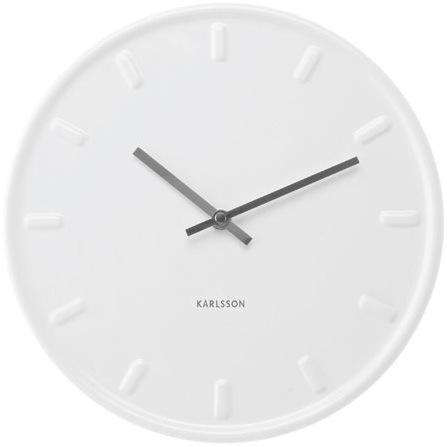
A white ceramic station clock is one of those home decor pieces that quietly does a lot of work. It tells time, brightens a wall, adds vintage charm, and gives a room that “I definitely have my life together” energyeven if the laundry chair in the bedroom says otherwise. Inspired by the clean, readable clocks once found in railway stations, this style combines practical timekeeping with a crisp decorative look that fits kitchens, living rooms, offices, entryways, and cozy breakfast nooks.
The appeal begins with contrast. Traditional station clocks were designed to be seen quickly from a distance. That usually meant a light-colored face, dark numbers, bold hands, and a layout that did not require passengers to squint, panic, or miss the 8:12 train while decoding decorative swirls. A white ceramic station clock borrows that same easy-read logic and softens it for the home with a glossy, matte, or hand-finished ceramic surface.
White ceramic also brings something that plastic and metal often struggle to deliver: warmth without visual clutter. It looks clean but not cold, classic but not dusty, and decorative without shouting, “Please admire me immediately.” In a world full of phone screens and digital alerts, an analog ceramic clock feels refreshingly human. It asks nothing from you except one AA battery and a decent wall.
What Is a Station Clock?
A station clock is a timepiece inspired by clocks used in railway stations, transit terminals, and other public spaces where legibility matters. The original purpose was simple: help many people read the time quickly and accurately. That purpose shaped the style. Station clocks typically feature bold numerals or markers, strong hands, balanced spacing, and a face that avoids unnecessary decoration.
Over time, the station clock moved from platforms and waiting halls into homes, cafes, offices, hotels, and retail interiors. Designers love it because it blends utility with nostalgia. A station clock suggests travel, punctuality, movement, and old-world order. Put one above a kitchen doorway and suddenly breakfast feels a little like catching a train to Paris, even if you are only heading to the grocery store for oat milk.
The Classic Design Features
A white ceramic station clock usually includes several familiar design elements:
- A white or off-white ceramic body or face
- Black Arabic numerals or Roman numerals
- High-contrast black hands
- A round shape, though square and oval designs also exist
- A simple minute track for easy reading
- Battery-powered quartz movement in most modern versions
- A clean vintage, farmhouse, industrial, or minimalist look
Some designs include a metal rim, a glass cover, a distressed finish, or a double-sided wall bracket that resembles clocks mounted in old railway stations. Others keep the design simple and flat, using the ceramic material as the main visual feature.
Why Ceramic Works So Well for Wall Clocks
Ceramic is a natural fit for decorative clocks because it offers texture, weight, and a crafted appearance. A ceramic clock can be glossy and polished, soft and matte, hand-painted, embossed, or slightly irregular in a way that makes it feel personal. Unlike thin plastic, ceramic has presence. It looks intentional, as if someone chose it rather than grabbed it during a rushed “we need something for that blank wall” shopping trip.
White ceramic is especially flexible. It reflects light, pairs easily with other colors, and can fit into modern, vintage, cottage, coastal, Scandinavian, farmhouse, and transitional interiors. It can also make small rooms feel brighter because it does not visually weigh down the wall.
Durability and Care
Most ceramic clocks are designed for indoor use. Ceramic surfaces are generally easy to wipe clean, which makes them useful in kitchens, bathrooms, laundry rooms, and entryways. That said, ceramic can chip or crack if dropped, so installation matters. Use a secure wall hook, check the weight of the clock, and avoid placing it where doors, bags, or enthusiastic children can knock into it.
If the clock has a glossy glaze, dust it with a soft cloth and wipe fingerprints with a slightly damp microfiber cloth. Avoid harsh abrasives because they can dull the finish. For clocks with exposed hands, clean carefully so the hands do not bend. A bent minute hand is small, but emotionally, it is chaos.
Where to Use a White Ceramic Station Clock
The beauty of a white ceramic station clock is that it can look good in many rooms. It is functional enough for everyday use and stylish enough to act as a subtle focal point.
Kitchen
The kitchen may be the perfect home for this clock. Ceramic already belongs in kitchens through mugs, tile, bowls, plates, and backsplashes, so a white ceramic station clock feels right at home. Hang it above open shelving, near a breakfast table, beside a pantry door, or on a wall opposite the stove. The high-contrast face makes it easy to check cooking times without touching a phone with flour-covered fingers.
Living Room
In a living room, a white ceramic station clock can balance framed art, shelves, mirrors, or a gallery wall. It works well above a console table, fireplace mantel, reading chair, or sideboard. If the room already has warm wood, woven baskets, linen curtains, or brass accents, the white ceramic surface provides a clean break and keeps the space from feeling too heavy.
Home Office
A station clock is practical in a workspace because it is easy to read at a glance. It can help structure the day without pulling you into the dangerous black hole of checking your phone. One glance at the wall clock tells you whether you have five minutes before a meeting or whether you accidentally spent forty minutes “quickly checking” email.
Entryway or Hallway
An entryway clock is both decorative and useful. It gives guests a welcoming visual detail and gives you one final time check before leaving the house. A white ceramic station clock in this spot can look charming above a bench, coat rack, or narrow console table.
Bathroom or Laundry Room
Because ceramic often handles humidity better than many untreated wood finishes, a ceramic clock can be a smart decorative choice for moisture-prone areas. Choose a clock intended for indoor use and avoid placing it where it will be directly splashed. In a bathroom, a white clock also complements tile, porcelain fixtures, and clean spa-inspired palettes.
Design Styles That Pair Beautifully With a White Ceramic Station Clock
Modern Farmhouse
Modern farmhouse style loves practical pieces with nostalgic charm. A white ceramic station clock fits naturally with shiplap, black hardware, wood beams, apron-front sinks, and vintage-inspired lighting. Choose a clock with bold numbers, black hands, and perhaps a slightly distressed edge for a relaxed country-meets-modern feel.
Minimalist
For minimalist interiors, choose a clock with a smooth ceramic face, clean markers, and no extra decoration. The white surface will blend with neutral walls while the black hands provide enough contrast to remain useful. Minimalism works best when every object earns its place, and a clock earns it twice: form and function.
Industrial
Industrial decor often uses metal, brick, concrete, leather, and darker colors. A white ceramic station clock can soften those harder materials while maintaining the transit-inspired look. For this style, consider a design with a metal bracket, black rim, or double-sided station clock shape.
Coastal and Cottage
White ceramic feels breezy and relaxed in coastal or cottage interiors. Pair it with pale blue, sandy beige, natural fiber rugs, painted furniture, and soft wood tones. A simple white station clock can create the feeling of a seaside train stopminus the sand in your shoes.
Vintage Eclectic
Vintage decor is enjoying renewed popularity because people want homes that feel collected rather than copied from one showroom corner. A white ceramic station clock works well with thrifted frames, antique side tables, patterned lampshades, old books, and art with character. It brings order to eclectic rooms without stealing their personality.
How to Choose the Best White Ceramic Station Clock
Before buying a white ceramic station clock, think about size, readability, movement type, mounting, finish, and room style. A clock may look adorable online but disappear on a large wall if it is too small. On the other hand, an oversized clock in a tiny hallway can feel like it is supervising your entire life.
Pick the Right Size
For small kitchens, bathrooms, and offices, a clock around 8 to 12 inches can work well. For living rooms, dining rooms, and entryways, consider 14 to 24 inches depending on wall space. Oversized station clocks can make a strong statement, but they need breathing room. Leave open space around the clock so it looks intentional rather than squeezed in.
Check Readability
The best station clocks are easy to read. Look for strong contrast between the face, numbers, and hands. Black hands on a white ceramic face are the classic combination for a reason. Decorative fonts can be lovely, but if the numbers look like they were written by a Victorian ghost, readability may suffer.
Consider Silent Movement
Many modern wall clocks use quartz movement, and some are designed to be silent or non-ticking. This matters in bedrooms, offices, nurseries, and quiet reading areas. A ticking clock can be charming in a kitchen but deeply dramatic at 2:17 a.m. when you are trying to sleep.
Look at the Finish
A glossy white ceramic clock looks polished and bright. A matte finish feels softer and more modern. A distressed or crackle glaze leans vintage or farmhouse. Hand-painted details add personality, while a plain face works better in minimalist spaces.
Review Mounting Hardware
Ceramic clocks may be heavier than plastic clocks, so secure mounting is important. Check whether the clock includes a hanging hook, sawtooth hanger, bracket, or keyhole mount. Use wall anchors if needed, especially for drywall. A clock should tell time, not test gravity.
White Ceramic Station Clock vs. Other Wall Clock Materials
Each clock material has strengths. Metal clocks often suit industrial spaces and can feel sleek or rugged. Wood clocks add warmth and organic texture. Plastic clocks are lightweight and affordable. Ceramic clocks sit in an appealing middle ground: decorative, tactile, bright, and classic.
A white ceramic station clock is especially good when you want a clean focal point that does not feel too modern or too rustic. It brings a handmade or crafted feeling, even in simple designs. The material also pairs well with ceramic lamps, tile backsplashes, white dishes, marble counters, and porcelain bathroom fixtures.
Decorating Tips for Styling a White Ceramic Station Clock
Create Contrast
If your walls are white, choose a clock with a black rim, dark numerals, or a bracket so it does not disappear. If your walls are painted navy, sage, charcoal, clay, or warm beige, a white ceramic clock will pop beautifully.
Use It as a Visual Anchor
A round station clock can anchor a wall arrangement. Place it above a console table with a lamp and a small bowl, or center it over open shelving. In a kitchen, it can balance the strong horizontal lines of cabinets and counters.
Pair With Other Ceramic Pieces
Repeat ceramic elsewhere in the room to make the clock feel connected. White vases, stoneware bowls, handmade mugs, ceramic planters, or tile accents can echo the material. This creates cohesion without making the room look like a ceramics showroom after a very successful shopping spree.
Mix Old and New
The station clock shape has history, while white ceramic feels fresh. Use that balance to mix vintage and modern pieces. Pair the clock with a modern sofa and antique side table, or with shaker cabinets and contemporary lighting.
Common Mistakes to Avoid
Choosing a Clock That Is Too Small
Small clocks can look lonely on large walls. If the clock is meant to be a focal point, scale up. If it is part of a gallery wall, smaller can work, but give it nearby visual companions.
Ignoring the Sound
Always check whether the clock ticks audibly. Silent movement is worth considering for bedrooms, offices, and meditation corners. Your future self may thank you during a deadline or nap.
Hanging It Too High
A wall clock should be easy to see. In most rooms, hang it around eye level or slightly above, depending on furniture and wall height. Above a mantel or cabinet, leave enough space so it does not feel cramped.
Forgetting the Battery Access
Some decorative clocks look wonderful until you realize changing the battery requires a ladder, courage, and a small emotional support team. Make sure you can reach it safely.
Buying Guide: What Makes a Quality White Ceramic Station Clock?
A quality white ceramic station clock should feel sturdy, read clearly, and suit the room where it will live. Check the clock face for clean printing, smooth glazing, secure hands, and a reliable movement. If it has a glass cover, make sure it is fitted well and does not create glare from every angle. If it is handmade, small variations can add charm, but the clock should still hang straight and keep accurate time.
For online shopping, read product dimensions carefully. Look at photos showing the clock in a room, not just isolated against a white background. A 10-inch clock and a 20-inch clock can look surprisingly similar in product images until one arrives and either whispers from the wall or dominates it like a full moon.
Experience Section: Living With a White Ceramic Station Clock
There is something unexpectedly satisfying about living with a white ceramic station clock. At first, it may seem like a small decorative decision. You hang it, step back, adjust it half an inch, step back again, and then pretend the first placement was “almost perfect.” But after a few days, the clock becomes part of the rhythm of the room.
In a kitchen, it quickly turns into the quiet manager of the morning. You glance at it while waiting for coffee, packing lunch, or convincing toast not to burn. Because the face is simple and high contrast, you do not have to stop what you are doing. That is the magic of station clock design: it respects busy people. It gives information immediately, without drama, loading screens, or notifications from apps you forgot you installed.
The ceramic surface also changes the mood of the space. A white plastic clock may do the job, but ceramic has a more grounded presence. It catches light in a softer way. In the morning, it can look bright and clean. In the evening, under warm bulbs, it feels cozy and slightly nostalgic. It is the kind of object that looks good with fresh flowers, stacked cookbooks, a bowl of lemons, or the very realistic still life known as “three receipts and a set of keys.”
In a home office, the experience is different but equally useful. A white ceramic station clock can make time feel visible without making it feel aggressive. Digital time can seem sharp and urgent, especially on a laptop screen. An analog clock feels calmer. The hands move steadily. The room feels more organized. You may still procrastinate, of course, but at least you will do it in a more aesthetically pleasing environment.
Guests often notice a station clock because the design is familiar without being ordinary. It reminds people of travel, old train platforms, school hallways, cafes, or vintage shops. That familiarity makes it easy to like. Unlike extremely trendy decor, a white ceramic station clock does not demand a strong opinion. Nobody walks in and says, “Wow, bold clock risk.” Instead, they usually say something like, “That’s a nice clock,” which is the home decor equivalent of a warm handshake.
Another pleasant experience is how easy it is to restyle around the clock. Change the season, change the table runner, add greenery, swap art, paint the wall, or rearrange furniturethe clock still works. White ceramic is flexible enough to survive design mood swings. It can look crisp in spring, breezy in summer, cozy in fall, and classic in winter. Add a wreath nearby during the holidays and suddenly it becomes festive without wearing a tiny Santa hat, which is probably for the best.
The only practical lesson is to mount it properly. Ceramic deserves a secure hook and a little patience. Once installed, though, it feels dependable. It becomes part of the house in a way small functional objects often do. You check it while leaving for work, while cooking dinner, while waiting for someone to arrive, and while deciding whether it is too early for a second cup of coffee. For the record, the clock will not judge you. That is another benefit of analog decor.
Over time, a white ceramic station clock becomes more than a timekeeper. It becomes a visual pause in the room: round, calm, bright, and useful. It brings together the public history of railway timekeeping and the private rituals of everyday life. That combination is why the style lasts. Trends may speed by like express trains, but a well-chosen station clock remains quietly on schedule.
Conclusion
A white ceramic station clock is a smart choice for anyone who wants practical timekeeping with classic design charm. It offers the readability of railway-inspired clocks, the warmth of ceramic, and the decorating flexibility of a white neutral finish. Whether placed in a kitchen, living room, office, hallway, bathroom, or laundry area, it can make a space feel brighter, more intentional, and slightly more punctualeven if the people living there are still working on that part.
The best version for your home depends on scale, finish, sound, and style. Choose bold hands, clear numbers, secure mounting, and a finish that complements your room. A glossy ceramic clock can feel fresh and polished, while a matte or distressed design can lean vintage, farmhouse, or handmade. Either way, this is one decor piece that proves function and beauty do not need separate train tickets.