Once upon a time, beauty culture convinced a lot of us that happiness lived one checkout button away. New serum, new blush, new lip oil, new life. Then reality showed up wearing mismatched socks and a half-used moisturizer from last winter. That is exactly where Project Pan enters the chat.
At its core, Project Pan is a beauty challenge built around using what you already own instead of chasing every shiny new launch. It sounds simple, but it taps into something bigger: mindful beauty. That means being intentional about what you buy, what you keep, what you use, and what actually deserves space in your routine. In other words, it is less “buy everything” and more “maybe finish the concealer you already ghosted in a drawer.”
This guide explains what Project Pan means, why it has become such a powerful antidote to beauty overconsumption, how to start without making your bathroom look like a guilt museum, and how to pan products safely. Because mindful beauty should make your life easier, not turn your mascara into a science experiment.
What Is Project Pan, Exactly?
Project Pan is a beauty challenge focused on finishing products you already own before buying more. The phrase “hit pan” originally referred to using a powder product, like blush or eyeshadow, until you could see the metal pan at the bottom. Over time, the concept expanded. Now people “pan” lotions, lip balms, foundations, perfumes, body care, and skincare too.
So no, you do not need to dramatically scrape the last molecule of bronzer from a compact while whispering, “This is my destiny.” Project Pan is broader than that. It is about using up beauty products intentionally, noticing what you truly enjoy, and breaking the habit of buying duplicates just because they come in a prettier package.
What “mindful beauty” means in this context
Mindful beauty is not anti-fun, anti-makeup, or anti-skincare. It simply asks smarter questions:
- Do I already own something that does this job?
- Does this product fit my real routine, not my fantasy routine?
- Am I buying because I need it, or because I am bored, stressed, or easily seduced by ring lights?
- Will I realistically finish this before it expires?
That is why Project Pan feels so relevant right now. It sits at the intersection of beauty decluttering, skinimalism, low-buy beauty, and more sustainable habits. It is part organization challenge, part shopping detox, part reality check, and part surprisingly emotional journey through the graveyard of impulse purchases.
Why Project Pan Is More Than a Trend
1. It turns consumption into intention
Beauty marketing is very good at making “new” feel urgent. Project Pan slows that cycle down. Instead of constantly hunting for the next miracle product, you start paying attention to what is already in front of you. That often leads to better decisions, fewer regret purchases, and a clearer sense of your actual preferences.
Maybe you discover you only wear two lip colors. Maybe you learn that one good moisturizer beats a shelf full of random actives. Maybe you realize you do not need seven peach blushes unless you are opening a peach blush museum. That kind of clarity is the whole point.
2. It supports skinimalism and routine simplicity
Skinimalism is the “less but better” cousin of Project Pan. Instead of building a 12-step skincare routine that requires a spreadsheet and possibly a personal assistant, skinimalism focuses on essential, multitasking products. Project Pan naturally nudges you in that direction.
When you use products consistently, you stop treating your routine like a speed-dating event for serums. You learn which cleanser, moisturizer, sunscreen, and treatment products truly work for you. That can be kinder to your skin, your budget, and your attention span.
3. It reduces clutter and decision fatigue
A giant beauty stash can look glamorous on social media, but in real life it often creates clutter, overwhelm, and unnecessary stress. Too many products can make getting ready take longer, not shorter. You forget what you own, buy repeats, and feel weirdly guilty every time you open a drawer.
Project Pan helps cut through that noise. Fewer choices often make beauty routines more enjoyable because you are reaching for products with purpose instead of conducting a daily archaeological dig through expired lipsticks and mystery samples.
4. It aligns with a lower-waste mindset
No beauty routine is perfectly waste-free, and Project Pan is not magic. Still, using what you already have before buying more supports a smarter reduce-and-reuse mindset. It encourages source reduction, less unnecessary packaging, fewer abandoned products, and more thoughtful replenishment.
That does not mean you must keep every product forever. It means treating beauty like a category where intentional use matters. Buy less, use more, replace thoughtfully. That is a practical version of mindful beauty most people can actually live with.
How to Start Project Pan Without Making It Miserable
Step 1: Audit your beauty stash
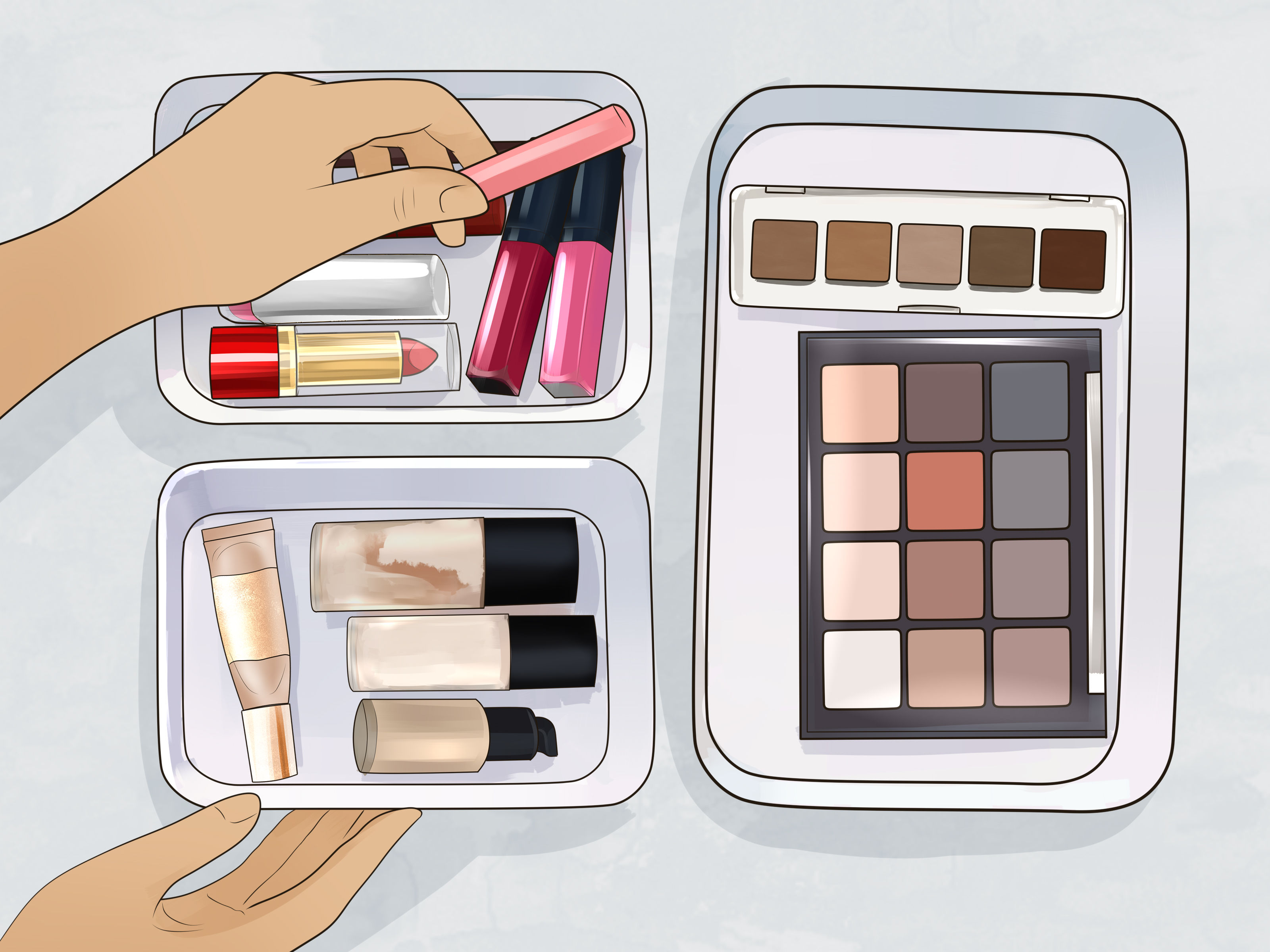
Pull everything out. Yes, everything. Makeup bag. Bathroom shelf. Drawer full of “special occasion” products you last touched during a solar eclipse. Seeing your entire collection in one place is often the moment the brain goes, “Oh. That is… a lot of concealer.”
As you sort, separate products into four groups:
- Use now: items you genuinely enjoy and reach for often
- Rotate in: good products you forgot about
- Declutter: unopened, safe, and suitable items you can pass along where appropriate
- Toss: expired, contaminated, broken, or irritating products
Step 2: Pick a realistic goal
A beginner Project Pan should feel doable. Start with five to ten products, not your entire inventory. Choose items that match your real habits. If you wear lip balm daily but only wear glitter shadow twice a year, guess which one is more likely to become a satisfying empty?
Common beginner goals include:
- Finish 5 products in 3 months
- Hit pan on 1 powder product
- Use one palette 20 times
- Finish body care before buying backups
- Do a no-buy or low-buy month for makeup
Step 3: Track progress in a way that feels fun
You do not need a complicated system. A simple note on your phone works. So does a journal, a spreadsheet, or progress photos. The goal is not perfection. The goal is visibility.
Tracking helps because beauty products can take much longer to finish than people think. A blush can last forever. A setting powder can outlive your motivation. Progress photos remind you that slow progress is still progress.
Step 4: Shop your stash first
Before buying anything new, look at what you already own. Need a rosy lip? You probably have three. Need a glowy base? There is a decent chance one is hiding behind a dry shampoo and a travel-size hand cream. Shopping your own collection is one of the easiest ways to practice mindful beauty without feeling deprived.
What Products Are Best for Project Pan?
Not all beauty products are equally pan-friendly. Some are easy wins. Some are chaos in a tube.
Usually good products to pan
- Lip balm
- Body lotion
- Body wash
- Face cleanser
- Moisturizer
- Mini perfume
- One everyday lipstick or gloss
- Pressed powder you already use regularly
Products that may take forever
- Blush
- Bronzer
- Highlighter
- Large eyeshadow palettes
- Fragrance in giant bottles
That does not mean you should avoid them. It just means your success metric may be “use consistently” instead of “finish completely.” Hitting baby pan on a blush is still a win. So is learning that you do not actually enjoy a product enough to keep forcing it into your face every morning.
Beauty Safety Rules Project Panners Should Never Ignore
This part matters. Project Pan is about using products mindfully, not recklessly. Never turn “I paid for it” into “therefore I must finish it even if it smells suspicious and makes my skin furious.” Your face deserves better than a sunk-cost spiral.
1. Expired is expired enough
Cosmetics in the United States are not always required to have expiration dates, which means you need to pay attention to packaging symbols, changes in smell, texture, color, and performance. If a product separates, smells weird, burns, or suddenly behaves like it has joined a villain arc, let it go.
2. Mascara is not a forever item
Mascara has one of the shortest useful lives in beauty. Because it is used around the eyes and repeatedly exposed to air and bacteria, it is not a product to “hang onto until someday.” If you opened it months ago and cannot remember when, that is already your answer.
3. Do not “hate-pan” irritating skincare
There is a huge difference between using a product up and forcing yourself to suffer through it. If a skincare product stings, causes breakouts, leaves you red, or seems to wreck your barrier, stop. Mindful beauty includes knowing when a product is a mismatch.
4. Patch test new or questionable products
If you are rotating older products back into use or trying something you have not touched in a while, patch testing is a smart move, especially if you have sensitive or reactive skin. “Clean” and “natural” do not automatically mean gentle. Fragrance, essential oils, and trendy botanical blends can still irritate skin.
5. Sunscreen is not the place for weird experiments
Sunscreen is one category where effectiveness matters more than panning satisfaction. Use enough, store it properly, and replace it when expired or old. A half-finished bottle that no longer performs is not a trophy. It is just bad planning with UV consequences.
Common Project Pan Mistakes to Avoid
- Starting too big: A giant list feels ambitious for about three days.
- Choosing products you dislike: Mindful beauty is not punishment.
- Keeping bad products out of guilt: Money is already spent. Skin irritation does not refund it.
- Buying “replacements” too early: If the backup arrives before the original is halfway done, congratulations, you played yourself.
- Confusing panning with deprivation: You can still enjoy beauty. The goal is awareness, not misery.
A Simple 90-Day Project Pan Plan for Beginners
Month 1: Reset
Declutter expired items, choose 5 to 7 products, and set clear goals. Focus on easy wins like body care, lip balm, or one everyday makeup item. Track where you naturally make progress.
Month 2: Refine
Notice what you actually enjoy using. If one product is becoming a daily favorite, great. If another is still collecting dust, replace it with something more realistic. Project Pan works best when your plan reflects your actual life.
Month 3: Replenish with intention
Only rebuy what you genuinely miss or finished completely. This is where the challenge becomes a habit. You stop buying fantasy-self products and start building a curated collection that suits your face, schedule, and budget.
Why Project Pan Works So Well for Mindful Beauty
Project Pan changes your relationship with beauty because it shifts the reward. Instead of getting a dopamine hit from buying something new, you start getting satisfaction from consistency, empties, progress, and clarity. You become less dazzled by novelty and more interested in usefulness.
That is the heart of mindful beauty: not owning the least, not owning the most, but owning with awareness. It is noticing what serves you. It is using products with purpose. It is resisting the pressure to turn self-care into nonstop acquisition. And honestly, it is kind of refreshing to realize your best beauty habit might not be another haul. It might be finishing your moisturizer like the capable, organized legend you always suspected you were.
The Real Project Pan Experience: What It Feels Like Over Time
The most interesting part of Project Pan is not the empties themselves. It is the experience of watching your mindset change in real time. In the beginning, most people expect a simple decluttering challenge. They think they will pick a few products, use them up, save some money, and call it a day. Then the emotional side kicks in. Suddenly every half-used lipstick has a backstory. That serum you forgot about becomes evidence of a phase. That expensive blush becomes a tiny monument to wishful thinking. Project Pan turns a beauty collection into a mirror, and sometimes that mirror is hilariously honest.
Week one often feels dramatic. You gather everything in one place and realize you have duplicates, backups, minis, samples, and products you do not even remember buying. It is the beauty equivalent of finding six phone chargers and still not knowing where the good one is. There can be a little guilt at first, but also relief. Once the stash is visible, it stops being a vague cloud of “stuff somewhere” and becomes something you can actually manage.
Then comes the surprise phase: rediscovery. This is where Project Pan gets fun. You start reaching for products you once loved and remember why they earned a spot in your routine. Maybe an old lipstick is still perfect. Maybe a neglected moisturizer is exactly what your skin needed. Maybe your “boring” neutral palette turns out to be the workhorse hero of your entire collection. Instead of chasing novelty, you begin noticing performance, convenience, comfort, and repeatability. That is a huge shift.
There is also a patience lesson baked into the process. Beauty products, especially color cosmetics, can take an astonishingly long time to finish. A blush may look untouched for weeks, then suddenly show a little dip, then one day reveal that magical sliver of pan. That slow progress teaches consistency in a way that impulse shopping never can. You stop expecting instant results from every product and start appreciating routine. Weirdly enough, this can make beauty feel calmer and more personal.
By the second or third month, many people notice another change: shopping loses some of its power. You can still enjoy beauty content, admire new launches, and appreciate clever packaging, but the urgency starts to fade. You become more selective. You ask sharper questions. You realize that wanting something is not the same as needing it, and that owning fewer but better-loved items feels more luxurious than juggling a pile of random purchases.
Perhaps the best part of the Project Pan experience is that it replaces guilt with knowledge. You learn what shades you wear, which formulas you finish, what irritates your skin, what deserves repurchase, and what never needed to come home with you in the first place. That kind of self-awareness is more useful than any trend forecast. It helps you build a beauty routine that is enjoyable, intentional, and sustainable for your actual life. And that, in the end, is why Project Pan sticks. It is not really about the pan. It is about paying attention.
Conclusion
So, what is Project Pan? It is a practical, refreshing way to bring mindful beauty into everyday life. It helps you use what you own, declutter what no longer serves you, protect your skin from bad habits, and spend with more intention. It is not about deprivation. It is about editing the noise out of beauty so the products that remain can actually shine.
If your collection has started to feel more stressful than joyful, Project Pan can be a reset button. Start small. Be realistic. Keep what works. Toss what does not. And remember: the goal is not to win a medal for finishing the oldest lip gloss on Earth. The goal is to build a beauty routine that feels smarter, lighter, and a lot more like you.