If you have ever booked a massage and then immediately stared at your closet like it was asking you to solve a math problem, welcome. One of the most common first-timer questions is also one of the most human: what do you wear to a massage? The good news is that massage attire is not a secret code. There is no official “massage fashion week” uniform. In most cases, the right answer is simple: wear whatever helps you feel comfortable, respected, and relaxed.
That said, the best outfit does depend on the type of massage you are getting, how modest you feel, whether oils or lotion are involved, and whether you are coming from work, the gym, or a heroic attempt to run errands in real pants. Some massages are done with you under sheets on a table. Others, like Thai massage or certain stretch sessions, are usually performed while you stay fully clothed in loose, movable clothing.
This guide breaks it all down in plain English. Below, you will find 13 practical rules and tips, what to wear for different massage styles, what not to wear, and a longer section on common real-world experiences people have before and after a session. By the end, you will know exactly what to put on, what to leave at home, and how not to overthink it.
The Short Answer: What Do You Wear to a Massage?
For a standard massage such as Swedish, deep tissue, prenatal, or hot stone, most people arrive in everyday clothes and then change in private based on their comfort level. That may mean keeping underwear on, removing some clothing, or staying more covered if that feels better to you. For Thai massage, shiatsu, assisted stretch, or movement-based bodywork, loose and stretchy clothes are usually the better choice because you are likely to stay clothed during the session.
In other words, the best massage attire is not about looking polished. It is about being comfortable, practical, and easy to work around. Your therapist has seen every version of “I had no idea what to wear,” so there is no need to panic-pack like you are leaving for a weekend retreat.
13 Rules and Tips for Deciding What to Wear to a Massage
1. Match your outfit to the type of massage
Not every massage works the same way. A Swedish or deep tissue massage is often easier on bare skin because the therapist may use oil or lotion and long gliding strokes. Thai massage, Tui Na, and stretch-based sessions usually call for comfortable clothing you can move in. Before you dress, think less “What looks right?” and more “Will this let the therapist work effectively without turning me into a laundry obstacle?”
2. Comfort beats fashion every single time
If your outfit pinches, pokes, slides, squeezes, or requires advanced engineering to remove, it is probably not the winner. Soft, breathable, loose-fitting clothes make life easier before and after the appointment. A massage is one of the few situations in life where “comfy and slightly sleepy-looking” is actually the correct aesthetic.
3. Choose clothes that are easy to take off and put back on
After a relaxing session, nobody wants to wrestle with a complicated bodysuit, stiff jeans, shapewear, or a bra that seems to have been designed by puzzle makers. Pull-on pants, a T-shirt, a sweatshirt, athletic wear, and slip-on shoes are solid choices. Easy-on, easy-off clothing is especially helpful if oil or lotion is used and you want to get dressed without feeling rushed.
4. Undress only to your comfort level
This is the golden rule of massage etiquette. You are not required to remove more clothing than you want to. Many people keep their underwear on. Some keep more clothing on. Some remove more because it helps the therapist access muscles more easily. The session should work around your comfort, not the other way around.
5. Do not worry about being exposed during a professional massage
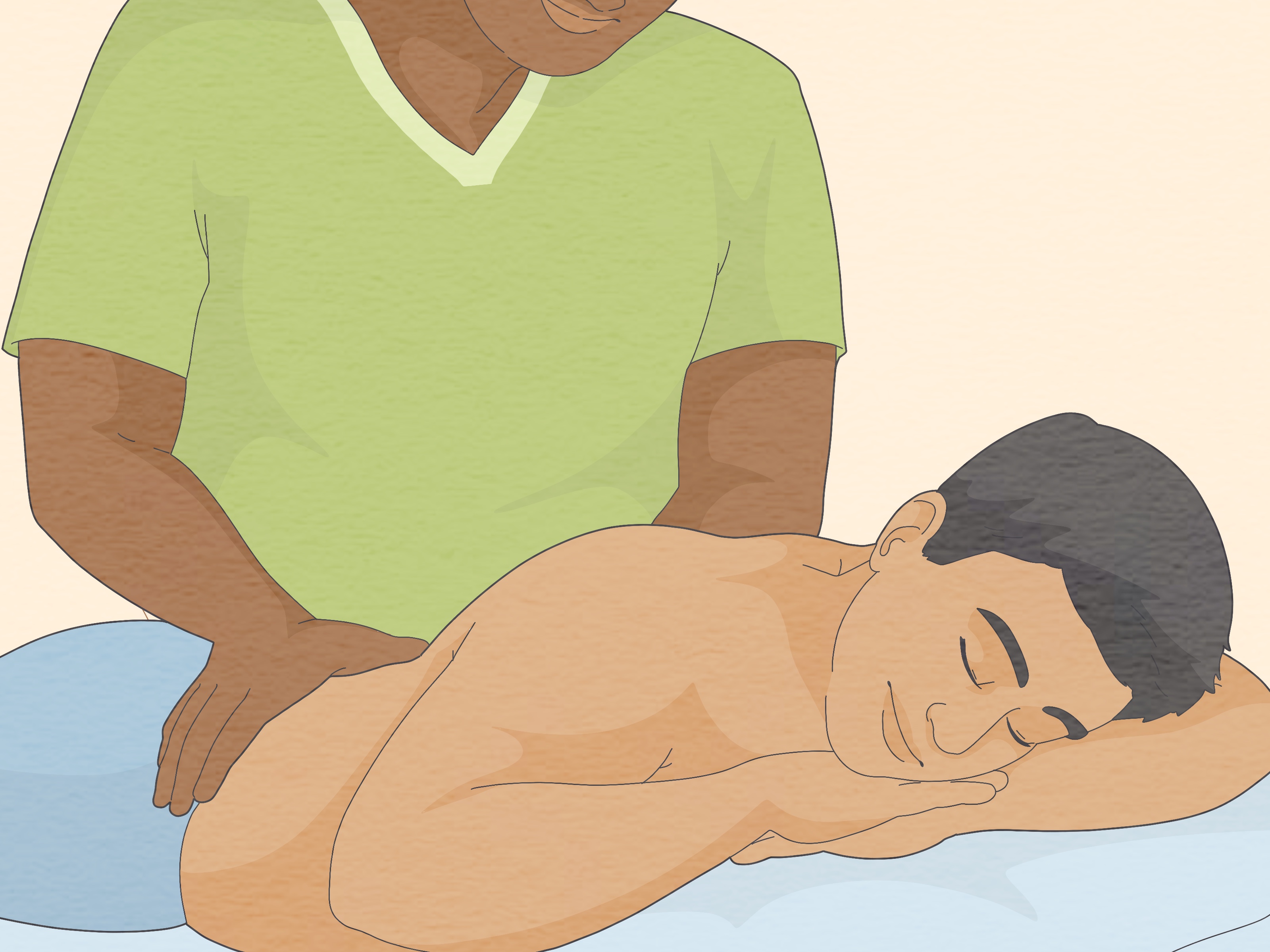
Licensed massage therapists use draping techniques to keep you covered. Typically, only the body part being worked on is uncovered, while the rest of you stays under a sheet, blanket, or towel. If modesty is your main concern, this part tends to calm nerves fast. It is a professional setting, not a reality show.
6. Keeping your underwear on is completely fine
If leaving your underwear on helps you relax, do it. That is common. Just know that certain waist, hip, and glute areas may be harder to access depending on the treatment goals. If you want work in those areas but still prefer to stay more covered, tell the therapist. Good communication solves a lot of “Is this awkward?” before it starts.
7. Bras are optional, not mandatory
For many table massages, clients remove their bra so the therapist can work the back and shoulders more easily. But if you prefer to keep it on, say so. A therapist can often work around straps, or you can adjust them if needed. The point is not to follow some imaginary dress code. The point is to feel safe and comfortable while still getting a useful session.
8. Wear loose, stretchy clothing for Thai, shiatsu, sports, or stretch sessions
Yoga pants, athletic shorts, joggers, soft T-shirts, and other flexible layers are perfect for clothed massage or assisted stretching. These sessions may involve movement, pressure through fabric, or guided range-of-motion work. Skinny jeans are a terrible teammate here. If your clothes do not let you breathe, bend, or lift your arms, swap them out.
9. Skip heavy jewelry and bulky accessories
Necklaces, big earrings, watches, belts, and stacks of bracelets can get in the way or become uncomfortable when you lie down. Leave valuables at home when possible. At the very least, keep it simple. A massage should reduce tension, not create a side quest involving tangled chains and missing earrings.
10. Think about oil, lotion, and post-massage comfort
Some massages leave you feeling wonderful and lightly moisturized. Others leave you feeling wonderful and just slippery enough to regret wearing a fitted silk blouse. Choose clothing you do not mind putting on after lotion or oil touches the skin. Soft cotton, athletic wear, and relaxed layers are usually smart.
11. Arrive clean, light, and low-maintenance
Freshly showered is great, but perfection is not the goal. You do not need to smell like a candle store. In fact, it is better to skip strong perfume or heavily scented body products because massage rooms are enclosed spaces and some people are sensitive to fragrance. Clean skin, light grooming, and practical clothes are ideal.
12. Dress with your body needs in mind
If you tend to get chilly, bring socks, a hoodie, or a warm layer for afterward. If you are pregnant, sore, recovering from an injury, or sensitive in certain areas, choose clothing that does not press on those spots. If you recently had surgery, stitches, wounds, or medical devices, wear something that allows you to protect the area and talk about it easily with the therapist.
13. When in doubt, ask before you go
If you are booking a new place or trying a new service, call or message the spa ahead of time. Ask, “Should I stay dressed for this type of massage?” or “Do you recommend athletic wear?” That thirty-second question can save you from showing up in office clothes for a stretch session or in full workout gear for a treatment where you would rather change.
What to Wear for Different Types of Massage
Swedish massage
For Swedish massage, most clients change in private and undress to their comfort level. Because oil or lotion is often used, many people remove more clothing, though underwear can stay on if preferred. Wear comfortable clothes to the appointment and an easy outfit home.
Deep tissue massage
Deep tissue massage is similar in terms of attire, but this style may involve more focused work on specific muscle groups. If you want your back, shoulders, hips, or legs addressed thoroughly, less restrictive clothing usually makes access easier. Again, comfort level is still your call.
Hot stone massage
Hot stone sessions are also commonly done with draping and direct skin contact. Light, comfortable arrival clothes are best. Since the goal is relaxation, avoid anything tight or structured that pulls you out of the post-massage noodle phase.
Prenatal massage
Prenatal massage often includes side-lying positioning, pillows, cushions, and careful draping. Some clients prefer undergarments, some prefer drapes or partial coverage, and others make different choices based on comfort. The smartest approach is to wear something easy to change out of and to tell the therapist exactly what feels supportive and safe.
Thai massage
This is the big exception many first-timers miss. Thai massage is usually done fully clothed in loose-fitting attire. Think athletic wear, soft pants, and a top you can move in. No stiff denim. No complicated layers. No outfit that says, “I planned for brunch, not assisted stretching.”
Shiatsu, Tui Na, and movement-based bodywork
These styles also commonly work best with clothes on. Loose, breathable clothing helps the therapist move joints, apply pressure, and guide the body without fighting your outfit.
Sports massage or assisted stretch
Depending on the setting, sports massage may be done on skin or through clothing. If the session includes stretching, mobility work, or movement testing, wear gym-friendly clothing. If it is more table-based and focused with lotion, you may be asked to change similarly to a standard massage.
What Not to Wear to a Massage
- Tight jeans or rigid pants that make changing harder
- Complicated shapewear or layered outfits that feel restrictive
- Heavy jewelry, belts, or large hair accessories
- Strong perfume or heavily scented products
- Delicate clothes you do not want touching lotion or oil
- Anything that makes you feel self-conscious instead of relaxed
What Happens at a First Massage Appointment?
If this is your first massage, the clothing question is usually only half the nerves. Here is the simple version of what often happens. You arrive, check in, and answer a few questions about your health, pain points, goals, and preferences. The therapist may ask what areas to focus on, how much pressure you want, and whether there are any injuries, allergies, recent surgeries, pregnancy concerns, or sensitive spots they should know about.
Then the therapist leaves the room so you can change in private. You get under the sheet or blanket on the table if it is a table massage, or stay in your clothing if it is a clothed technique. During the session, you can absolutely speak up. Too much pressure? Say so. Too cold? Mention it. Want the table warmer, face cradle adjusted, or music lowered? Ask. Massage is not a silent endurance challenge.
When the session ends, the therapist steps out again so you can get dressed. This is where easy, comfy clothing earns its gold medal. Afterward, many people feel relaxed, slightly sleepy, looser in the shoulders, or pleasantly melted. Others feel refreshed and oddly aware that they have been carrying stress in muscles they forgot existed.
Common Experiences Related to “What Do You Wear to a Massage?”
One of the most common first-time experiences goes like this: someone shows up in work clothes, maybe straight from the office, still mentally carrying three emails, two meetings, and one dramatic group chat. They worry they are overdressed, underdressed, or somehow dressed incorrectly for massage civilization. Then they find out the therapist simply says, “Undress to your comfort level,” and suddenly the whole mystery shrinks. The lesson is simple: what you wear to the appointment matters less than whether you can comfortably change and settle in.
Another very common experience happens with modest first-timers. They may keep their underwear on, wonder whether that is weird, and spend five minutes worrying about it before realizing it is extremely normal. Once the session begins and the draping is in place, most people stop thinking about clothing entirely. Their brain moves on to more important matters, such as, “Wow, my shoulders have apparently been storing emotional baggage since 2019.” Comfort usually rises fast when expectations are clear and the therapist communicates well.
People trying Thai massage for the first time often have the opposite experience. They arrive expecting a typical spa setup, only to learn that this session is more active and clothing-friendly. The people who enjoy it most usually wear stretchy, breathable clothes and come ready to move a little. The people who struggle are often the ones who wore stiff pants, restrictive tops, or anything that treats bending at the hip like a hostile act. With Thai or movement-based bodywork, your outfit is not just a detail. It is part of the experience.
There is also the post-massage clothing moment, which deserves its own tiny trophy for real-world importance. Many people do not think about how they will feel afterward. They arrive in structured workwear, then finish the massage feeling relaxed and a little floaty, only to discover they now have to climb back into fitted jeans and a serious-looking blazer. That is when the “bring comfy clothes” advice suddenly becomes genius. A soft shirt, joggers, and easy shoes can make the relaxed feeling last longer.
Prenatal clients often report a different clothing-related experience: they are less worried about etiquette and more focused on support, positioning, and comfort. For them, the best outfit is one that does not dig in, squeeze, or create extra effort. Easy layers, soft fabrics, and open communication matter a lot more than appearance. The same idea applies to anyone managing pain, recent medical treatment, or mobility limitations. Practical clothing removes friction from an experience that should feel restorative.
Finally, many repeat massage clients say the biggest mindset shift is realizing there is no prize for “doing massage correctly.” You do not need the perfect outfit. You need a sensible one. You do not need to guess what the therapist prefers. You need to say what makes you comfortable. Once people understand that, the whole question of what to wear becomes much less stressful. The best massage attire is simply the one that helps you relax, communicate, and leave feeling better than when you walked in.
Conclusion
So, what do you wear to a massage? In most cases, you wear comfortable clothes to the appointment and then change in private based on your comfort level and the type of service. For a traditional table massage, you may remove some clothing and stay professionally draped throughout the session. For Thai massage, shiatsu, Tui Na, and assisted stretch, loose athletic-style clothing is often the best choice. The real rule is not about fashion at all. It is about feeling comfortable, informed, and able to relax.
If you remember only three things, make them these: dress for the massage style, choose comfort over appearance, and speak up about your preferences. That combination works better than any fancy outfit ever could. Your massage therapist wants you comfortable, not confused, and definitely not trapped in hard pants.