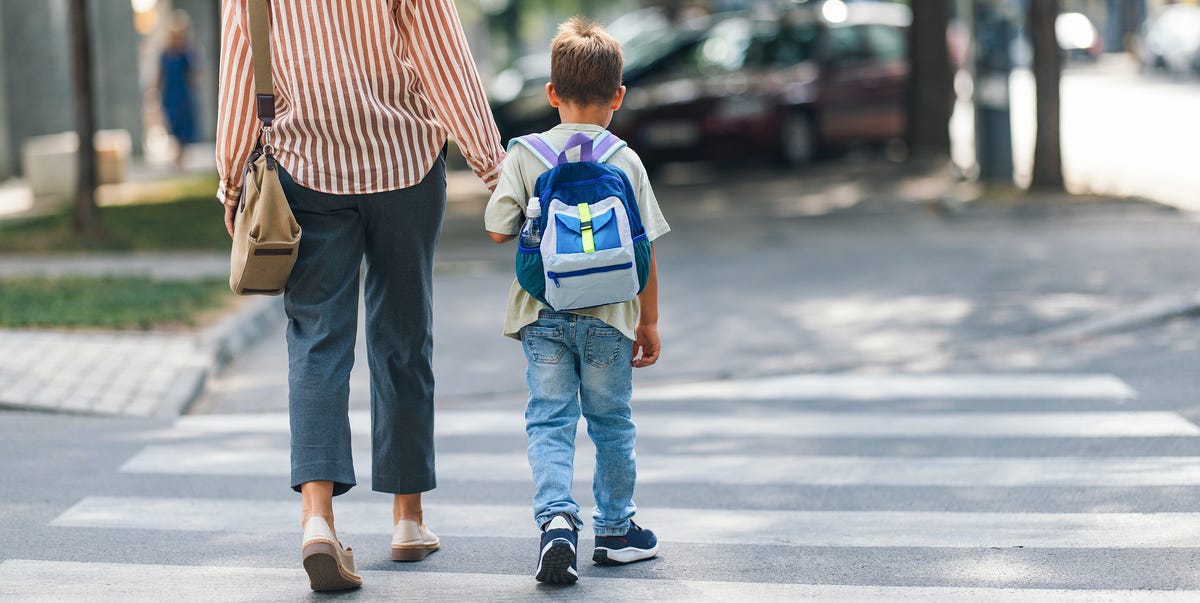
Back-to-school season has a special talent: it turns perfectly normal children into tiny philosophers at bedtime
(“What if nobody likes me?”) and amateur meteorologists at breakfast (“I sense a 97% chance of stomachache…”).
If your child gets anxious about school, you’re not aloneand your kid isn’t “being dramatic.” Anxiety can show up
as worry, irritability, sleep trouble, and even headaches or stomachaches. Sometimes the fear is loud; sometimes it
hides behind “I don’t feel good.”
The goal isn’t to eliminate nerves (a little worry is normal). The goal is to help your child feel safe, capable,
and connectedso they can walk into school with coping skills instead of clenched fists. Below are nine practical,
parent-tested rules that blend emotional support with real-world prep. You’ll see two themes again and again:
sideways conversations (talking without pressure) and rituals (predictability that calms the nervous system).
Note: This article is educational and not a substitute for medical or mental health care.
Why back-to-school anxiety hits so hard
School is a buffet of unknowns: new teacher, new classmates, new routines, new expectations, and sometimes new
social “rules” that apparently get updated over the summer without telling anyone. Anxiety often spikes during
transitionsespecially after long breaksbecause kids have to separate from home comfort and re-enter a world of
unpredictability.
The tricky part: anxious kids usually want two opposite things at oncecomfort and control. They want you close,
but they also want to avoid anything that feels risky. Your job is to offer steady reassurance while gently
guiding them toward competence. Think: warm support + small steps forward.
Rule #1: Calm the “adult weather” before you forecast your child’s storm
Kids are emotional meteorologists. They can sense your stress faster than you can say “We’re totally not late.”
When parents are anxious, children often become more anxious toopartly because emotions are contagious and partly
because kids interpret adult tension as evidence that something is wrong.
What this looks like in real life
- Do a 10-second check: unclench jaw, lower shoulders, breathe out longer than you breathe in.
- Use a steady voice: calm doesn’t mean cheerful; it means predictable.
- Separate facts from fears: “The bus comes at 7:10” is a fact. “Today will be a disaster” is a fear.
Try this script
“I can see school is bringing up big feelings. I’m here, and we’ll take this one step at a time.”
Rule #2: Validate first, problem-solve second (or third… or tenth)
Validation isn’t agreeing that school is terrifying. It’s acknowledging your child’s experience without
dismissing it. When kids feel understood, they’re more likely to cooperate and use coping skills.
Do say
- “That makes sense.”
- “New things can feel scary.”
- “Your body is telling you this feels big.”
Try not to say (even if it’s tempting)
- “You’re fine.” (Their nervous system would like to appeal that ruling.)
- “There’s nothing to worry about.” (Anxiety hears: “I’m alone with this.”)
- “Just be brave.” (Bravery is the result, not the instruction manual.)
Try this script
“You’re worried about lunch and sitting alone. That’s a real worry. Let’s talk about what you can do if that
happensand who can help.”
Rule #3: Use “sideways conversations” to get the real story
Some kids freeze when they’re face-to-face. Eye contact can feel like a spotlight, and anxious kids already feel
like they’re starring in a one-person musical called Everybody Is Judging Me. Side-by-side activitieswalking,
driving, cooking, building LEGO, sorting laundryreduce pressure and often unlock better conversations.
Sideways conversation moments
- In the car (especially after pickup)
- On a walk with a snack
- While drawing or doing a puzzle
- While packing lunch or laying out clothes
Sideways questions that work
- “What was the hardest part of today? What was the least hard part?”
- “If your worry had a headline, what would it be?”
- “What’s a tiny thing we could do tomorrow that would make school 5% easier?”
If your child shrugs, don’t panic. Keep the invitation open. Many kids talk on attempt #6, not attempt #1.
Rule #4: Build calming rituals (predictability is anxiety’s kryptonite)
Routines and rituals create “known steps” in a world that feels unknown. Predictability helps children feel safer,
especially when anxiety is high.
Morning ritual (3–7 minutes)
- Same order: bathroom → breakfast → backpack → shoes.
- Same phrase: “You’ve got this. I’ll see you after school.”
- Same tiny anchor: a silly handshake, a pocket note, or a “bravery token” (a small charm).
Goodbye ritual (short and boringin a good way)
Long emotional goodbyes can accidentally teach the brain: “This is dangerous.” Instead, aim for warm confidence
and a clean handoff.
- Hug → phrase → handoff → go (yes, really go).
- If tears happen: “Tears are okay. School is still happening.”
After-school decompression ritual (15–30 minutes)
- Snack + quiet activity (no interrogation)
- Optional “rose, thorn, bud”: one good thing, one hard thing, one thing you’re curious about tomorrow
Bedtime ritual (20–30 minutes)
- Same start time, same wind-down steps, screens off early
- One calming practice (breathing, reading, warm shower, gentle music)
Rule #5: Do “test runs” to shrink the unknown
Anxiety loves vague mysteries. Specificity helps. Before the first day (or after a long break), rehearse the parts
of school that feel scary: walking in, finding the classroom, opening the locker, riding the bus, even ordering
lunch. Dry runs are a classic, evidence-aligned way to reduce anticipatory anxiety.
Easy test-run ideas
- Walk/drive the route at the same time you’ll leave for school.
- Practice the morning routine for 2–3 days before school starts.
- If possible, visit the school and locate key spots: bathroom, office, counselor, nurse.
- Role-play “help scripts” (see below).
Help scripts (because kids forget English when anxious)
- “Can you help me find my classroom?”
- “I’m feeling nervous. Can I sit near you?”
- “My stomach hurts. Can I go to the nurse and then come back?”
Rule #6: Reset sleep, food, and screens (the “nervous system basics”)
Anxiety isn’t just thoughts; it’s a body state. When kids are sleep-deprived, hungry, over-caffeinated, or glued to
screens late at night, their bodies become jumpier and their coping skills shrink. Regular routines for sleep and
meals help kids feel more secure.
Sleep reset (start 1–2 weeks early if you can)
- Shift bedtime/wake time gradually (15–30 minutes every few days).
- Keep a consistent wind-down routine.
- Make mornings less chaotic by prepping the night before (clothes, lunch, backpack).
Food + hydration
- Breakfast with protein + fiber helps steady energy (and moods).
- Pack “safe snacks” if lunchtime anxiety is a thing.
- Don’t overlook waterdehydration can feel like “I’m anxious.”
Screens
- Reduce doom-scrolling and late-night gaming before school starts.
- Consider a “screen sunset” (no screens 30–60 minutes before bed).
Rule #7: Teach coping skillsand practice them when your child is calm
Telling a child to “use coping skills” mid-meltdown is like handing someone a cookbook during a kitchen fire.
Teach skills at calm times, then rehearse them briefly during mildly stressful moments. Anxiety symptoms can be
physical (stomachaches, headaches, fatigue) and emotional (worry, irritability), so coping tools should address
both.
A simple “coping menu” for school days
- Balloon breathing: breathe in 4, breathe out 6 (longer exhale signals safety).
- 5-4-3-2-1 grounding: name 5 things you see, 4 you feel, 3 you hear, 2 you smell, 1 you taste.
- Worry container: write/draw worries, put them in a “worry box,” and schedule worry time later.
- Externalize anxiety: name it (“The Worry Dragon is loud today”) to create distance.
Pair coping with brave steps (gentle exposure)
Avoidance makes anxiety stronger over time; gradual, supported practice helps anxiety shrink.
Example “bravery ladder” for social anxiety:
- Say “hi” to one classmate.
- Ask a simple question (“What page are we on?”).
- Sit with a group at lunch for 5 minutes.
- Join one club meeting (with a parent waiting outside if needed at first).
Rule #8: Team up with the school (you’re not supposed to do this alone)
Schools can be powerful alliesespecially when anxiety shows up as frequent nurse visits, stomachaches, headaches,
or school refusal.
Who to contact
- Teacher (classroom routines, seating, check-ins)
- School counselor/psychologist (coping plans, skill-building)
- School nurse (plan for physical symptoms without immediate pickup)
- Main office (arrival plan / handoff plan)
Ask for a simple “support plan”
- Morning handoff: who meets your child and where?
- Calm-down pass: can your child take a short break and then return?
- Check-in schedule: a quick morning check-in for the first week.
- Communication: a brief daily note for 1–2 weeks (what helped, what triggered worry).
Important: aim for support, not escape
The plan should help your child stay at school and build confidence, not create a fast track home whenever anxiety
taps them on the shoulder.
Rule #9: Know when it’s more than jittersand get help early
Back-to-school nerves are common. But if anxiety is intense, persistent, or interferes with school, friendships,
sleep, or family life, it may be time to bring in professional support.
Red flags that deserve extra attention
- Frequent physical complaints (headaches, stomachaches) tied to school days
- Regular refusal to attend school or panic at separation
- Sleep disruption most nights, especially before school
- Big behavior changes: irritability, withdrawal, meltdowns, constant reassurance-seeking
What treatment often looks like
For many children, cognitive behavioral therapy (CBT)often with gradual exposure practiceis a first-line,
evidence-based approach for anxiety.
In some cases, clinicians may consider medication alongside therapy, especially when anxiety is severe or impairing.
Start with your pediatrician or a licensed child therapist; they can help you choose next steps.
If you need immediate support
If your child is in crisis or you’re worried about safety, contact local emergency services or crisis resources.
SAMHSA also maintains caregiver and family mental health resources.
Quick back-to-school checklist (print this, tape it to the fridge, feel like a wizard)
- We practiced the routine (wake, breakfast, bags, leave time).
- We did at least one test run (route, school building, bus stop).
- We chose one calming ritual for mornings and one for bedtime.
- We picked 2 coping tools to practice daily (when calm).
- We planned a short, confident goodbye.
- We identified 1–2 trusted school adults and how to reach them.
- We agreed on a “bravery ladder” (small steps, not giant leaps).
- We know the red flags and what we’ll do if things escalate.
Conclusion: Connection + predictability + practice = calmer school days
Anxious children don’t need perfect parents. They need steady ones. When you validate feelings, use sideways
conversations to uncover the real worries, build rituals that make mornings predictable, and practice brave steps
in small doses, you teach your child a powerful lesson: “I can feel anxious and still do hard things.”
If you only remember two strategies, make them these: talk side-by-side and build rituals. The first invites honesty.
The second builds safety. Together, they turn back-to-school from a cliff into a set of manageable stairs.
Experience-based add-on: what families say actually works (500-ish words)
Families dealing with back-to-school anxiety often discover that the “big breakthrough” isn’t a single magical
sentenceit’s a handful of small, repeatable moments that teach safety over time. One pattern that comes up again
and again: anxious kids rarely deliver their deepest worries on demand. They reveal them sidewayswhile chewing
crackers in the car, while you’re both staring at a grocery shelf, while they’re “helping” you fold towels
(translation: throwing socks at you and calling it teamwork). When the pressure drops, the truth shows up.
Another consistent theme is how much micro-rituals matter. Parents often assume rituals have to be elaboratelike a sunrise yoga
ceremony involving essential oils and a flute. In reality, the rituals that stick are simple: the same playlist
on the drive to school, the same two-sentence goodbye, the same pocket note that says “Brave doesn’t mean happy;
brave means showing up.” Kids start to lean on these rituals the way adults lean on coffee: not because it solves
everything, but because it makes the day feel survivable.
Families also report that anxiety improves faster when the plan is specific. “Be confident” is vague. “Walk in with Ms. Rivera, go
to your desk, take three balloon breaths, then start the warm-up worksheet” is concrete. When kids can picture
the first five minutes of school, the day stops feeling like an endless unknown. A surprisingly helpful hack is
building a “first-minute plan” and a “hard-moment plan.” The first-minute plan covers arrival; the hard-moment
plan covers what to do if anxiety hits at lunch, during math, or at recess. Both plans include one coping skill
and one person to ask for help.
Parents often notice that their own nervous system sets the tone. On mornings when adults are frantic, kids tend
to escalatebecause frantic energy looks like danger. The families who make the biggest gains don’t eliminate
stress; they reduce the drama. They prep the night before, keep the goodbye short, and avoid last-minute debates
about shoes, hair, or the philosophical injustice of Mondays. They treat morning like an airport: you want calm,
clear steps, and no one wants to sprint to the gate.
Finally, many families say the most empowering shift is reframing success. Success isn’t “no tears.” Success is
“we got through separation and stayed at school.” Success is “we used a coping tool once.” Success is “we asked
for help.” When kids learn that anxiety symptoms are uncomfortable but not dangerous, and that adults will respond
with steady support instead of panic, school becomes less of a threatand more of a place where they can practice
being capable.