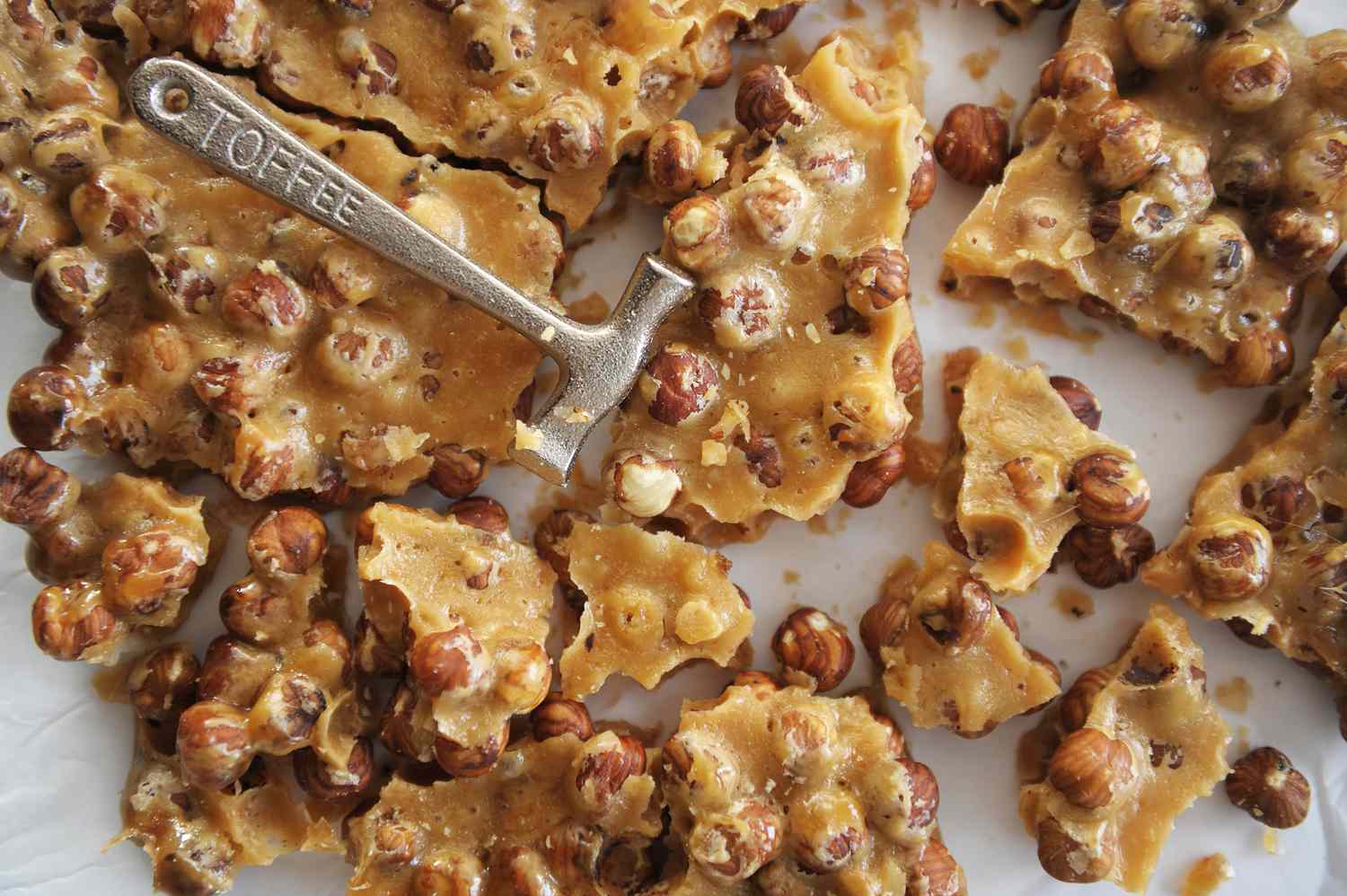
There are desserts that politely ask for your attention, and then there is toffee. Toffee is the loud, glossy, buttery friend who shows up with a candy thermometer, a sheet pan, and zero patience for half-measures. The good news is that once you understand the basic rhythm of toffee-making, you can turn a small set of pantry staples into crunchy candy, chocolate-covered bark, holiday gifts, and even quick shortcut treats like saltine toffee. Classic recipes from major American food publishers consistently rely on the same core idea: cook butter and sugar to a hard-crack temperature, then finish with chocolate, nuts, salt, or all three.
This guide brings together the best parts of those tried-and-true methods and turns them into one clear, practical article. Whether you want a traditional English toffee, a salty cracker-based bark, a nutty holiday gift, or a modern twist with sea salt and dark chocolate, these toffee candy recipes will give you a reliable place to start.
What Makes Toffee Candy So Addictive?
Toffee lives in that sweet spot between candy and dessert. It is buttery, deeply caramelized, and usually crisp enough to snap cleanly when broken. The texture depends on cooking the syrup far enough that most of the water cooks off and the candy reaches the hard-crack stage, which several popular recipes place in roughly the 285°F to 302°F range. That is the point where the mixture becomes firm, brittle, and ready to set into candy instead of soft caramel.
The flavor is equally important. Many recipes use a simple base of butter and sugar, while others add a little water or corn syrup to help stabilize the mixture. From there, the add-ins do the heavy lifting: semisweet chocolate, toasted almonds, pecans, peanuts, hazelnuts, coarse salt, or even crackers as a shortcut base. That versatility is why toffee shows up in so many forms, from classic candy slabs to cookie bars and bark.
The Most Popular Types of Toffee Candy Recipes
1. Classic English Toffee
English toffee is the old-school version: a buttery sugar candy poured into a thin sheet, usually topped with chocolate and chopped nuts. It is the kind of recipe that feels festive without being fussy. Recipes from King Arthur Baking, Food Network, and Martha Stewart all point in the same direction: cook the syrup carefully, pour it quickly, and finish with chocolate and nuts while the candy is still hot enough to help everything stick.
2. Saltine Toffee
Saltine toffee is the shortcut hero of the candy world. Instead of starting with a plain candy base, you line a pan with crackers, pour a hot butter-and-brown-sugar mixture over them, bake briefly, then top with chocolate. The crackers give the candy a satisfying salty crunch and a little structural help, which is why this style is wildly popular for cookie boxes and last-minute gifts. Allrecipes, Sally’s Baking Addiction, and Taste of Home all treat it as one of the easiest, most dependable versions of the category.
3. Nut Toffee
Nuts are not just an add-on here; they are part of toffee’s identity. Almonds are especially common, but pecans, walnuts, peanuts, and hazelnuts all show up often in classic recipes. Toasting the nuts before using them gives the finished candy a deeper, richer flavor and helps keep the texture crisp instead of dull.
4. Chocolate-Covered Toffee
Chocolate-covered toffee is what happens when crunch meets melt. Some recipes fully coat the candy, while others sprinkle chocolate chips over the hot toffee and spread them once they soften. The trick is temperature: the chocolate should be melted enough to spread smoothly but not so hot that it slides right off the candy. That balance is a recurring tip in both Food Network and Delish recipes.
5. Seasonal or Flavor-Forward Toffee
Once the basic method is comfortable, flavor variations become fun instead of intimidating. Pumpkin spice toffee, fleur de sel toffee, honeycomb candy, buttercrunch, and even toffee blondies all build on the same caramelized backbone. These recipes show how flexible the idea is: keep the candy’s crisp structure, then shift the flavor profile with spices, salt, espresso, seeds, or white chocolate.
A Reliable Base Formula for Homemade Toffee
If you want a dependable starter recipe, think in terms of five parts: butter, sugar, a little salt, a way to monitor temperature, and a finishing layer. Some recipes use water and corn syrup to help prevent crystallization, while others keep the ingredient list minimalist and rely on careful heat control. Both paths can work. The real secret is consistency and attention.
A practical base version usually looks like this in spirit:
- Unsalted butter for richness
- Granulated sugar or a sugar-and-brown-sugar blend for caramel depth
- A pinch of salt to sharpen flavor
- Optional water or corn syrup for stability
- Chocolate, nuts, or flaky salt for the finish
That formula is flexible enough to support almost every toffee candy recipe you are likely to make at home. The final result can be thin and glassy, thick and crunchy, or layered into bars and bark depending on the pan, toppings, and cook time.
Step-by-Step: How to Make Toffee Candy
Step 1: Prepare the pan first
Toffee waits for nobody. Before the burner comes on, line your baking sheet or pan with parchment, foil, or a lightly greased surface, and have your toppings ready. Once the candy reaches temperature, the clock moves fast. Recipes from Martha Stewart, Delish, and Allrecipes all emphasize getting the pan ready before the syrup is done.
Step 2: Cook the syrup steadily
Melt the butter and sugar together over medium heat, then keep the mixture moving as needed so it cooks evenly. Some recipes call for continuous stirring early on, then less stirring as the mixture gets closer to finished temperature. Whether your target is 285°F, 300°F, or 302°F, the important part is to avoid rushing the process. Toffee that cooks too quickly can separate, scorch, or turn grainy.
Step 3: Watch for color and aroma
The syrup should turn deep golden to amber and smell nutty, not burnt. A candy thermometer helps, but your senses matter too. Toffee is ready when it looks glossy and has moved beyond pale caramel into a darker, more intense shade. That is the point where flavor deepens and the candy will set with the right snap.
Step 4: Add toppings while the candy is hot
Once the toffee is poured, toppings should go on quickly. Chocolate chips melt from the heat of the candy itself, and nuts stick best when the surface is still warm. For bark-style recipes, the topping stage is where the personality appears: almonds for an old-fashioned feel, pecans for a Southern note, sea salt for brightness, or chopped chocolate for a more dessert-like finish.
Step 5: Cool completely before breaking
Patience matters here. Toffee needs time to set into a brittle sheet or bars. If you try to break it too early, the pieces can bend instead of snapping. Once cool, it can be shattered into irregular shards for gift tins, cookie boxes, or snack bowls. Several recipe collections highlight toffee as a make-ahead treat that stores and gifts beautifully.
Common Toffee Problems and How to Fix Them
Grainy texture: This usually happens when sugar crystals form too early. A little corn syrup or careful washing down of the pan sides can help reduce that risk, which is why some classic recipes include those ingredients.
Separated butter: If the mixture looks greasy or split, the heat may have been too high or the stirring pattern too aggressive. Moderate, even heat is safer than a dramatic boil.
Soft candy: If the toffee never gets crisp, it likely did not reach the right temperature. That is why many recipes insist on a thermometer. In toffee, “close enough” is usually not close enough.
Chocolate won’t spread smoothly: Let the melted chocolate cool slightly before spreading. If it is too hot, it slides off; if it is too cool, it thickens too fast.
Creative Variations Worth Trying
Once you have one reliable batch under your belt, the fun begins. Try almond toffee with dark chocolate for a bakery-style finish, saltine toffee with flaky salt for a sweet-salty crunch, or hazelnut toffee for a more gourmet holiday tray. If you like bolder flavors, add espresso powder, pumpkin spice, or a dusting of fleur de sel. If you want something party-friendly, turn the same flavor profile into bars or squares instead of shards.
You can also move the toffee idea into other desserts. Browned butter cookies with toffee bits, toffee blondies, toffee bars, and sticky toffee pudding all show how much range the flavor has beyond plain candy. In other words, once toffee gets into your kitchen, it tends to sneak into everything else too.
What It Is Like to Make Toffee at Home
The first thing most home cooks notice is that toffee is part recipe and part timing exercise. You do not just dump ingredients together and hope for the best. You watch, listen, smell, and wait for the syrup to change character. At the start, the mixture looks ordinary, almost shy. Then it begins to thicken, darken, and shine. That transition is the whole show. It is also the part that makes people feel strangely proud when they get it right.
Home toffee is usually most successful when the kitchen is calm. A clutter-free counter, a pan already lined with parchment, and toppings set out in bowls save a surprising amount of stress. Because the candy sets quickly, you really feel the value of prep. The process rewards people who do ten minutes of organization before turning on the burner. That is one reason candy-making can feel almost meditative once you have done it a few times. It is not slow in a boring way; it is deliberate in a satisfying way.
Another thing that stands out is how different toffee can feel depending on the finish. An almond toffee with dark chocolate tastes elegant and grown-up. A saltine toffee with milk chocolate tastes nostalgic and snackable. A version with sea salt can taste sharper and more modern. Even a small change, like switching from pecans to peanuts, shifts the entire personality of the candy. That flexibility is one of the biggest reasons toffee has stayed popular for generations.
There is also a lesson hidden inside every batch: heat management matters more than drama. Home candy makers often expect a giant magical moment, but most of the work is actually controlled steady cooking. If the burner is too aggressive, the sugars can go from pale to burnt before the center is ready. If the heat is too low, the candy may never set properly. The best batches usually come from patience, not panic. That is a useful reminder in the kitchen and outside it.
Once you get the method down, toffee becomes a reliable gift recipe. It packs well, keeps its crunch, and looks impressive even when made from simple ingredients. A tin of homemade toffee can feel much more personal than store-bought candy because it carries a little bit of effort and attention. People notice that. They may not know whether your toffee reached exactly 300°F, but they absolutely know when something tastes handmade in the best possible way.
And perhaps that is the real charm of toffee candy recipes. They are not complicated enough to be intimidating, but they are just technical enough to feel like a win when you do them well. You start with butter and sugar, and you end with something crackly, glossy, and impressive. That is a pretty good return on investment for a dessert.
Final Thoughts
Toffee candy recipes are at their best when they balance simplicity and precision. The ingredient list is short, but the result can feel luxurious, festive, and deeply satisfying. If you stick with a reliable method, prepare your pan ahead of time, and respect the thermometer, you can make everything from classic English toffee to quick saltine bark and chocolate-covered holiday candy. Once you master the base recipe, the variations practically write themselves.
Note: For the best texture, work carefully, use steady heat, and let the candy cool fully before breaking it into pieces.