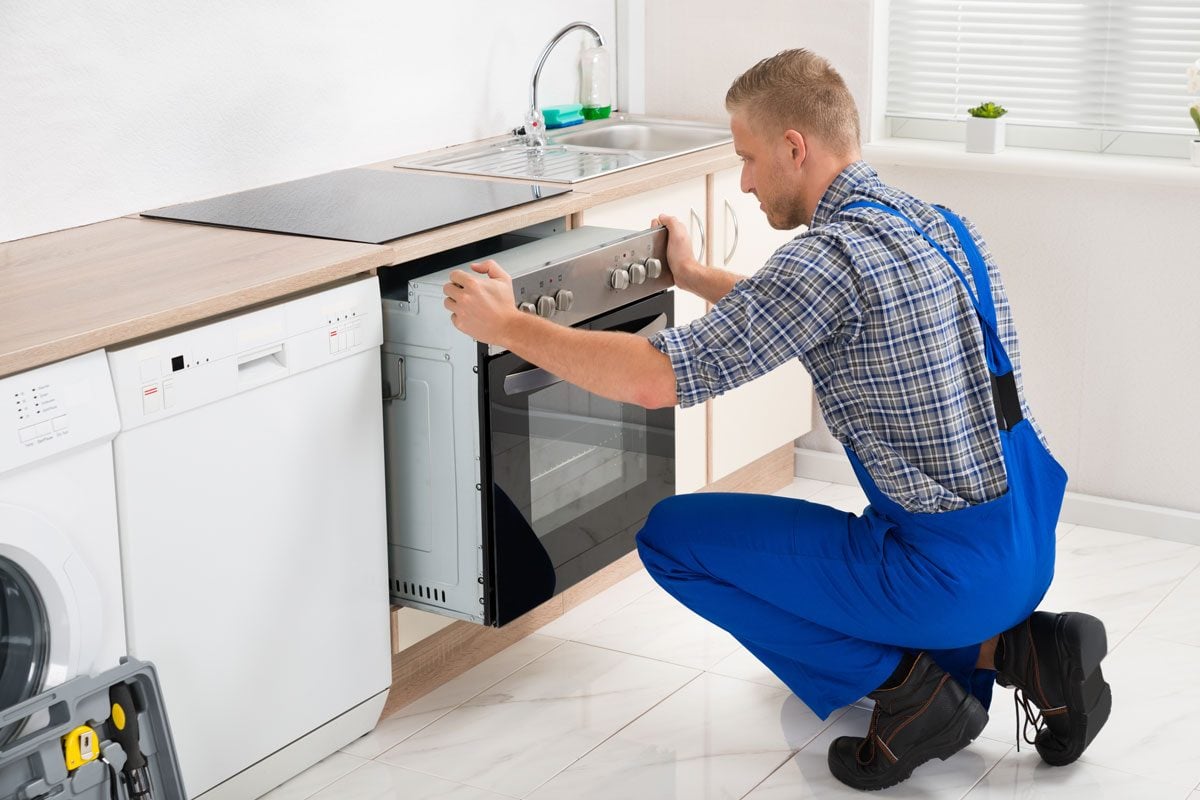
Old houses have charm. They also have opinionsespecially when you try to slide a shiny new dishwasher into a cabinet opening last measured in “close enough.” Installing new kitchen appliances in an old house is absolutely doable, but the winning move is planning for the invisible stuff: electrical capacity, plumbing quirks, gas safety, ventilation, and the delightful reality that nothing is square (including your patience).
Below are practical, homeowner-friendly tips that help you avoid the classic old-house plot twists: breakers tripping, hoses kinking, cabinets refusing to cooperate, and mysterious smells you swear weren’t there yesterday. Let’s get your modern appliances installedwithout accidentally turning your kitchen into a science fair.
1) Start With the “Reality Check” Walkthrough
Measure like you’re betting money on it (because you are)
In older homes, openings may be narrower at the back, wider at the front, bowed in the middle, or all three. Measure height, width, and depth at multiple points. Then measure:
- Doorways, hallways, and turns from the entry to the kitchen (appliance boxes can be enormous).
- Clearances for doors and drawers to open without smacking handles, trim, or nearby islands.
- Cabinet toe-kick and flooring height (new floors sometimes trap old appliances in place like a fossil).
Read the installation manual before the delivery truck arrives
Each appliance has “non-negotiables” like required clearances, ventilation rules, and electrical needs. The manual will tell you if you need a dedicated circuit, a certain outlet location, anti-tip hardware, or specific spacing behind the unit. Translation: you’ll want to know this before you discover your outlet is exactly where the refrigerator must sit.
2) Make Sure Your Electrical System Can Handle Modern Loads
Many older kitchens were designed for a toaster and a dream. Modern kitchens run microwaves, induction cooktops, air fryers, dishwashers, disposals, and sometimes a beverage fridge that’s “basically essential.” That’s a lot of demand for wiring that may have been upgraded in pieces over decades.
Check your service panel and available breaker space
If your panel is full, or your service size is modest for today’s appliance-heavy lifestyle, you may need an upgrade or a subpanel. This is especially common when adding big loads like an electric range/oven or moving from gas to electric. If you’re regularly tripping breakers already, consider that your house is politely telling you: “No, thank you.”
Plan for dedicated circuits (yes, plural)
Many major appliances perform bestand safeston their own circuits. As a general rule, appliances with heating elements (dishwashers with heaters, built-in microwaves, wall ovens, electric ranges) and motor-heavy equipment (disposals) can push circuits hard. A dedicated circuit helps prevent nuisance trips and overheating.
Don’t guess circuit needs based on vibes. Use the appliance’s nameplate rating and installation instructions, and have a licensed electrician confirm circuit size and breaker requirements. If your kitchen is a patchwork of old and new wiring, professional eyes are worth it.
Bring outlets and protection up to modern expectations
Kitchens are wet, busy, and full of things you plug in. Modern electrical standards commonly require protection like GFCI (to reduce shock risk) and often AFCI (to reduce fire risk from arcing faults) on certain circuits. Requirements vary by local code version and how your kitchen is wired, but the big takeaway is simple: if your old kitchen has unprotected outlets near water, you’re overdue for an upgrade.
Watch for old-house wiring red flags
- Ungrounded outlets (two-prong receptacles) where grounded appliances are expected.
- Aluminum branch-circuit wiring (common in some mid-century homes), which can need specialized connectors and remediation.
- Knob-and-tube wiring (very old homes), which often lacks grounding and may not be suitable for modern kitchen loads.
- Mystery circuits where the same breaker controls half the kitchen and, inexplicably, one hallway light.
If any of these apply, treat appliance installation as a safety projectnot just a “swap the box” project.
3) Do a Plumbing Prep (Before You Unbox Anything)
Old-house plumbing can be charming in the same way a vintage car is charming: it’s great until it leaks at 2:00 a.m. Before installing a dishwasher, fridge water line, or any appliance with a supply/drain connection, do a quick plumbing audit.
Confirm you have accessible shutoff valves
Every water-supplied appliance should have a reliable shutoff valve that you can reach without yoga training. If your shutoff is stuck, corroded, or missing, replace it before installation day. “I’ll do it later” turns into “Why is the cabinet floor wet?”
Dishwasher drains: air gap vs. high loop
Many regions allow a properly installed high loop under the sink, while some require a countertop-mounted air gap. Both aim to prevent dirty sink water from backflowing into the dishwasher. The correct approach depends on local code and your setup (disposal connection, sink plumbing, and hose routing). If you’re unsure, this is a great place to follow local requirements and manufacturer guidance, even if your neighbor swears “we’ve never needed that.”
Mind the pipes: galvanized, mixed metals, and low pressure
If you have older galvanized supply lines, they may be partially clogged with mineral buildup, restricting flow. That can affect appliances that need steady water pressure. When installing a refrigerator icemaker line, use quality fittings and route the line where it won’t get crushed when you push the fridge back. (It’s amazing how strong a fridge is against a delicate tube.)
4) Gas Appliances: Safety First, Shortcuts Never
If you’re installing a gas range or converting between fuel types (natural gas vs. propane), prioritize safety and local code. Gas work is not the place for “I watched a video once.”
Confirm you have a proper shutoff valve and connector setup
A manual shutoff valve should be accessible, and connectors must be rated and installed correctly. Flexible connectors should never be kinked or routed through walls. After installation, leak testing with an appropriate method (often a soap solution per manufacturer instructions) is standard practice. If anything here feels uncertain, hire a licensed plumber or gas fitter.
Plan the outlet and ignition needs
Even gas ranges typically need electricity for ignition, controls, and sometimes convection fans. In an old house, make sure you have a correctly placed, grounded outlet that won’t end up behind a hot zone or under tension from the appliance cord.
5) Ventilation: Old Kitchens Need Modern Airflow
Older kitchens often have “ventilation” that consists of a window you remember to open… occasionally. But modern cookingespecially with high-output burnersbenefits from real ventilation.
Ducted hoods usually perform better, but ductless can be a compromise
A ducted range hood (venting outdoors) typically removes heat, moisture, and grease more effectively than a recirculating model. In older homes, adding ductwork can be tricky due to framing, masonry, or historic details. If ducting isn’t feasible, a ductless hood with proper filters is better than nothingbut be realistic about performance and filter maintenance.
Make the path as smooth as possible
Long duct runs and lots of sharp turns can reduce airflow. Follow the hood manufacturer’s duct sizing and routing guidance, and don’t assume the previous homeowner’s vent hole was a masterpiece of engineering. (It might be a masterpiece of improvisation.)
6) Expect Old-House Surprisesand Budget for Them
Installing new kitchen appliances in an old house often becomes a mini-renovation. Not because you planned it, but because your home reveals hidden challenges the moment you move something.
Lead paint and dust control aren’t optional in older homes
If your home was built before 1978, assume lead-based paint may exist. Drilling, sanding, cutting, or disturbing old painted surfaces can create hazardous dust. Use lead-safe work practices (containment, careful cleanup, and the right tools). If you’re hiring contractors for work that disturbs painted surfaces, confirm they follow required lead-safe practices where applicable.
Floors and walls may not be level or square
A dishwasher needs to sit properly aligned so the door seals and racks slide smoothly. A refrigerator needs a stable, level base for doors to close correctly. If your floor slopes, you may need leveling legs, shims, oroccasionallya flooring fix. Also, check that countertops and cabinets can handle the appliance’s weight and vibration.
Cabinet openings may need modification (carefully)
Sometimes a “standard” 30-inch opening isn’t actually 30 inches because an old cabinet face frame was built like a handcrafted suit. If you must modify cabinetry, protect structural pieces, avoid cutting through hidden wiring/plumbing, and consider whether you’re altering historic features you’d rather preserve.
7) Installation Day: A Practical Checklist That Saves Your Sanity
- Protect floors with thick cardboard, plywood sheets, or appliance sliders (old wood floors dent easily).
- Turn off power/water/gas at the correct shutoffs before disconnecting anything.
- Replace tired parts proactively: old supply hoses, worn valves, or questionable outlets are cheap compared to water damage.
- Level the appliance so doors seal, drawers glide, and vibration stays low.
- Secure required safety hardware like anti-tip brackets for ranges.
- Run a test cycle (dishwasher, oven preheat, icemaker fill) while you can still see all connections.
- Check for leaks and heat: look under the sink, behind appliances, and at electrical connections for unusual warmth.
One more pro tip: keep the old appliance (or at least don’t schedule haul-away) until the new one is fully tested. Nothing builds character like “no fridge weekend,” but you don’t need that kind of character.
8) Know When to Call a Pro (and When Permits Matter)
In an old house, it’s often smart to hire licensed trades for:
- New circuits, panel upgrades, or rewiring (electrical safety is not a hobby).
- Gas line work and conversions (leaks and improper connections are serious hazards).
- Major plumbing changes (especially if you’re dealing with old supply lines, drains, or questionable shutoffs).
- New ducting routes through walls/ceilings, particularly in historic structures.
Many jurisdictions require permits for electrical, gas, and some plumbing work. Even when permits feel annoying, they can protect youespecially if you sell the home later or file an insurance claim after a mishap. If you’re doing a larger kitchen upgrade, check local rules early so inspection scheduling doesn’t delay your project.
Real-World Experiences: What It’s Actually Like (and What You Learn the Hard Way)
Let’s talk about the part no one puts on the glossy appliance brochure: installing new kitchen appliances in an old house is a little like adopting a rescue dog. It’s lovable, rewarding, and occasionally you discover a surprise behavior you didn’t know existedlike the kitchen outlet that only works when the porch light is on.
One common experience is the “everything fits… until it doesn’t” moment. You measure the opening for a new dishwasher, it’s the right width, and you’re feeling confident. Then you realize the floor was refinished at some point, raising the height just enough that the dishwasher won’t slide under the countertop. The fix might be simple (adjusting leveling legs) or more involved (carefully removing flooring in the appliance footprint or modifying the cabinet base). The lesson: measure the opening height at the front and the back, and check the underside of the counter for sagging or extra layers.
Another classic: upgrading to a fancy refrigerator with water and ice, only to discover your old shutoff valve is stuck in the “I’m from 1962 and I fear change” position. Replacing a valve sounds small until you see corrosion, cramped access, and mixed pipe materials. Homeowners who handle this smoothly usually do one thing: they replace aging valves and supply lines proactively while the fridge is still out. The fridge is never more cooperative than when it’s not in its final spot.
Electrical surprises are where old houses really show their personality. You might install a new over-the-range microwave and find it trips the breaker whenever you also run the toaster (because the kitchen shares a circuit with half the dining room). Many people end up adding dedicated circuits after the fact, but the smoother experience is planning circuits before the new appliances arrive. It’s not just about convenience; it’s about avoiding overheated wiring and mystery outages.
Gas range installs can be the most “respect the process” moment. A range that looks straightforward can turn complicated if the shutoff valve is inaccessible, the connector is improperly routed, or the old line needs updating. Folks who have the best outcomes follow two rules: they use the manufacturer’s installation requirements as the baseline, and they call a licensed pro the second something feels uncertain. Peace of mind is a very underrated kitchen feature.
Ventilation is another reality check. Many old kitchens have minimal venting, and once you start cooking on a more powerful range, you notice grease and odors travel farther than your best intentions. Homeowners who invest in a properly sized hoodducted when possible, or high-quality ductless when notoften say it’s the upgrade they “didn’t know they needed” until they had it. The learning here is simple: modern appliances can improve your kitchen, but only if the house systems around them are ready to support them.
The best overall takeaway from real installs is that you win by treating your old house like a partner, not an obstacle. You respect its structure, update its systems thoughtfully, and plan for the small surprises. When you do, your appliances work better, your kitchen is safer, and you get to keep the charmwithout sacrificing the convenience of living in the present century.
Conclusion
Installing new kitchen appliances in an old house isn’t about forcing modern equipment into vintage spacesit’s about matching modern demands with the right upgrades. Measure carefully, verify electrical capacity, plan plumbing and drainage, take gas safety seriously, and improve ventilation. Expect a few surprises, and budget time (and patience) for them. When you combine smart prep with the right professional help, you’ll end up with a kitchen that keeps its character and finally works like it belongs in this decade.