Laundry is one of those household chores that quietly eats your budget while pretending to be innocent. A little detergent here, a warm cycle there, an extra dryer spin because one sock still feels suspiciously dampand suddenly wash day is behaving like it has a premium subscription.
The laundry hack that has saved me the most money is surprisingly simple: make cold-water washing your default, measure detergent properly, wash full loads, and stop overdrying clothes. That is it. No magical blue liquid from a viral video. No homemade potion that looks like a science fair volcano. Just a smarter laundry routine that trims energy use, protects clothes, reduces detergent waste, and keeps the dryer from turning your favorite T-shirt into a doll outfit.
The best part? This money-saving laundry hack does not require buying a new washer, replacing your entire wardrobe, or becoming the kind of person who alphabetizes socks. It simply changes how you use what you already have.
Why Laundry Costs More Than You Think
Most people think laundry costs come from detergent. Detergent matters, of course, especially if you are buying fancy scented pods that cost more per load than a snack from an airport kiosk. But the biggest hidden costs often come from hot water, extra dryer time, wasted product, and clothes wearing out too soon.
Heating water takes energy. Running the dryer longer than needed takes energy. Using too much detergent can leave residue, which may lead to rewashing. Washing clothes too aggressively can fade colors, shrink fabrics, and shorten the life of items you would rather not replace. In other words, laundry is not just a choreit is a tiny utility bill factory with lint.
The Hack: Cold Water + Measured Detergent + Smarter Drying
My “saved me so much money” laundry hack is not one trick but one routine: wash most loads in cold water, use the correct amount of detergent, fill the washer without overstuffing it, and dry clothes only as long as necessary.
Cold water is the star of the show. For everyday laundryT-shirts, jeans, pajamas, school clothes, workout gear that is not heavily soiled, and dark colorscold water is usually enough when paired with a good detergent and the right cycle. Many modern detergents are designed to work in lower temperatures, and cold water is gentler on dyes and fibers.
That means you can save on water-heating costs while also helping clothes last longer. When your black jeans stay black and your favorite hoodie does not shrink into a decorative napkin, that is real money saved.
How Cold-Water Washing Saves Money
It cuts energy use
A large portion of the energy used in a warm or hot wash goes toward heating water. By switching most loads to cold, you reduce that energy demand immediately. You may not hear dramatic music when you press the cold button, but your utility bill might quietly applaud.
It helps clothes last longer
Heat can speed up fading, shrinking, and wear. Cold water is usually gentler on dark clothing, bright colors, delicate fabrics, and items that are prone to shrinking. When clothes keep their shape and color longer, you buy replacements less often. That is the kind of fashion math I support.
It lowers the chance of laundry disasters
Hot water can sometimes set certain stains, encourage dye bleeding, or make delicate fabrics unhappy. Cold water is a safer default for mixed loads and colors. It is not perfect for every situation, but it is a reliable starting point for everyday washing.
The Detergent Mistake That Wastes Money
Using more detergent does not mean cleaner clothes. It often means the opposite. Too much detergent can create excess suds, leave residue in fabrics, make towels feel stiff, and cause clothes to come out smelling less fresh than expected. Then you rewash the load, which wastes water, energy, time, and patience.
The fix is simple: measure detergent based on the load size, soil level, and product instructions. For high-efficiency washers, this matters even more because HE machines use less water. A small load does not need a dramatic waterfall of detergent. Your washer is not making soup.
Liquid detergent can be especially useful for cold-water washing because it dissolves easily. Powder detergent can work well too, but in very cold water it may need the right product, proper dosing, and enough water movement to dissolve fully.
Full Loads Save More Than Half-Loads
Another part of this money-saving laundry hack is waiting until you have a full loadbut not a stuffed load. A full load uses the washer efficiently. A crammed load, however, prevents clothes from moving freely, which can lead to poor cleaning, detergent residue, and the dreaded “why does this still smell weird?” moment.
Think of your washer like a dance floor. Clothes need room to tumble, swish, and mingle. If the drum is packed so tightly that a sweatshirt cannot move, your laundry is not dancing; it is stuck in an elevator.
For best results, fill the washer according to your machine’s guidance. If your washer has a load-size setting, match the water level to the amount of laundry. If you have an automatic sensing washer, avoid tricking it by overloading the drum.
Stop Overdrying: The Dryer Is a Budget Goblin
Dryers are convenient, but they are also one of the biggest energy users in the laundry routine. Overdrying clothes wastes electricity or gas and can damage fabrics over time. Heat breaks down fibers, fades colors, and can make elastic lose its stretch.
Use the moisture sensor or auto-dry setting if your dryer has one. These settings help stop the cycle when clothes are actually dry instead of running for a random amount of time chosen by your past self, who was probably multitasking and hungry.
You can also reduce dryer time by shaking out clothes before tossing them in, cleaning the lint trap every load, drying similar fabrics together, and air-drying heavier items like jeans, hoodies, and towels for part of the time.
What Should Still Be Washed Warm or Hot?
Cold water is excellent for many everyday loads, but it is not a universal law carved into a laundry basket. Some items need warmer water for better cleaning or hygiene.
Consider warm or hot water for heavily soiled items, greasy stains, certain whites, cloths used for cleaning, bedding or towels after illness, and items that need sanitizing according to the care label. Always check the garment tag first. The tag may look like a tiny fabric fortune cookie, but it knows things.
The goal is not to ban warm water forever. The goal is to stop using hot water automatically when cold water would do the job.
Step-by-Step: How to Use This Laundry Hack
Step 1: Sort smarter, not harder
Separate whites, darks, brights, towels, and delicate items when practical. If you do mixed loads, cold water is usually the safest choice because it helps reduce fading and color bleeding.
Step 2: Pretreat stains first
Cold water works best when you do not expect it to perform miracles on dried spaghetti sauce from last Tuesday. Pretreat stains with a small amount of detergent or stain remover, let it sit briefly, and then wash as directed.
Step 3: Choose cold water for everyday loads
Make cold water your default for lightly to moderately soiled clothing. Use warm or hot only when the fabric, stain, or hygiene situation calls for it.
Step 4: Measure detergent
Read the label and use the amount recommended for your load size and soil level. If your clothes feel soapy after washing, you may be using too much.
Step 5: Wash full, balanced loads
Wait until you have enough laundry to justify a cycle, but do not pack the washer like a suitcase before vacation. Clothes need space to move.
Step 6: Use smarter drying habits
Clean the lint trap, use auto-dry, remove lighter items early if needed, and air-dry items that are prone to shrinking or take forever to dry.
How Much Can This Laundry Hack Save?
Savings vary by household, washer type, energy rates, water heater, laundry frequency, and drying habits. A family doing several loads per week may notice bigger savings than someone washing one small load every few days.
The savings come from several places at once: less hot water, less dryer time, less detergent waste, fewer rewashes, and longer-lasting clothes. Even if each load saves only a small amount, laundry repeats all year. Tiny savings become noticeable when multiplied by dozens or hundreds of loads.
The clothing savings may be the biggest surprise. If cold water and gentler drying help you keep jeans, sweaters, activewear, towels, and bedding in better condition, you may delay replacement purchases. Not buying new clothes is one of the most underrated laundry wins.
Common Myths About Money-Saving Laundry
Myth 1: More detergent means cleaner clothes
More detergent can create more residue, not more cleanliness. Proper dosing is cheaper and usually works better.
Myth 2: Hot water is always necessary
Hot water has its place, especially for heavy soil and hygiene needs. But for everyday clothing, cold water is often enough.
Myth 3: Dryer sheets are required
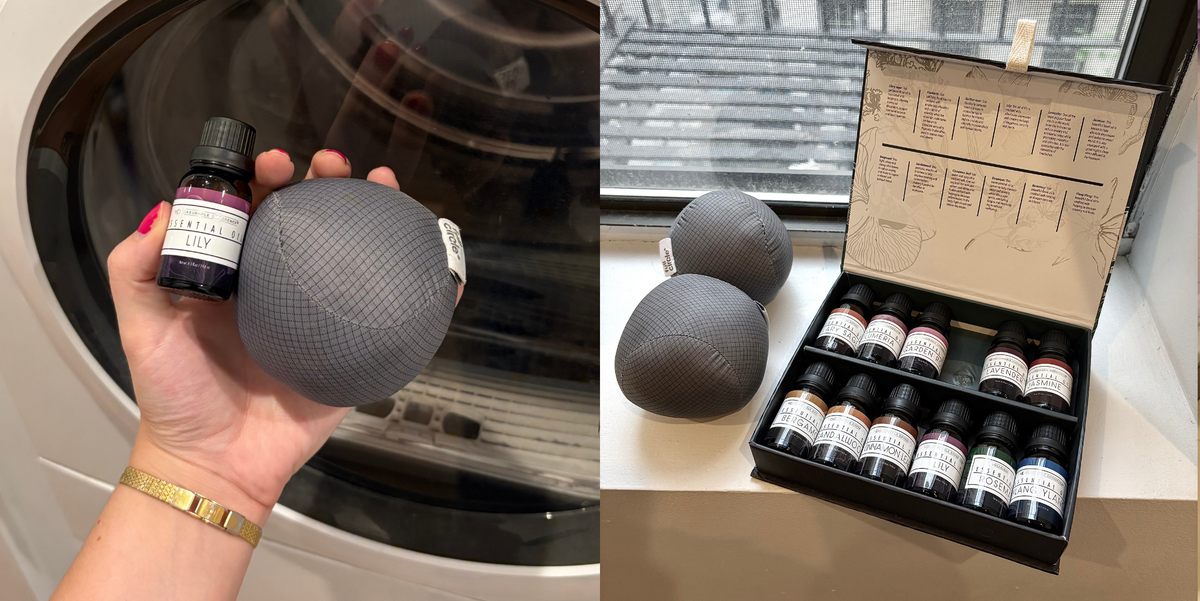
Dryer sheets are optional. Some people prefer wool dryer balls, lower heat, or air drying. Reducing static and softening fabrics does not always require a new disposable sheet every load.
Myth 4: Homemade detergent is always cheaper
DIY laundry detergent may sound budget-friendly, but it can create buildup, perform poorly, or cause machine issues depending on the recipe. A better money-saving move is using a reliable detergent correctly.
Best Loads for Cold Water
Cold water is especially useful for dark clothing, bright colors, delicates, lightly worn clothes, jeans, casual wear, workout clothes, linens, and items that might shrink. It is also a smart option when you are unsure which temperature to choose and the care label allows cold washing.
For stains like blood or some protein-based marks, starting with cold water can also help avoid setting the stain. For oily or greasy stains, warmer water may work better after pretreatment, depending on the fabric care instructions.
Small Laundry Habits That Add Up
Keep your washer clean so it does not transfer odors to clothing. Leave the washer door or lid open after loads when possible to help reduce moisture buildup. Clean the lint trap after every dryer cycle. Check pockets before washing so you do not launder tissues, receipts, lip balm, or one tragic crayon.
Also, wash clothes only when they actually need washing. Jeans, sweaters, jackets, and some outer layers can often be worn more than once unless they are stained, sweaty, or smelly. Fewer unnecessary loads mean less water, less energy, less detergent, and less wear.
My Real-Life Experience With This Laundry Hack
When I first switched most of my laundry to cold water, I expected disappointment. I imagined opening the washer and finding clothes that looked at me like, “Really? That was your plan?” But the results were surprisingly normalin the best possible way. My shirts were clean, my jeans kept their color longer, and my towels were fine as long as I did not overload the machine or drown them in detergent.
The first big change I noticed was detergent lasting longer. Before, I used to pour detergent like I was seasoning pasta water: confident, excessive, and not based on science. Once I started measuring, the bottle stretched much further. My clothes did not smell less clean. In fact, they smelled better because there was less leftover residue trapping odors.
The second change was with dark clothes. Black T-shirts, navy joggers, and dark jeans stopped fading so quickly. They still aged, because clothes are not immortal, but they no longer looked tired after a few washes. That saved money because I was not replacing basics as often.
The third win came from the dryer. I used to set a timed cycle and forget about it. Sometimes clothes would come out hot enough to make me wonder if they had visited the sun. Now I use the sensor setting when available, clean the lint trap every time, and pull out quick-drying items early. Heavy pieces get extra space or partial air drying. This reduced that crispy, overbaked feeling that makes fabric wear out faster.
I also learned that cold water works best when the rest of the routine makes sense. If a shirt has a stain, I pretreat it. If towels are musty, I do not cram ten of them into one load and hope for a miracle. If someone has been sick, I choose the appropriate warmer setting and follow care instructions. The hack is not about being stubborn; it is about being intentional.
My favorite part is how low-effort the whole thing is. I did not buy a complicated gadget. I did not start making detergent in a bucket. I did not turn laundry into a personality. I simply changed the default settings and stopped wasting product. Over time, the savings showed up in quieter ways: fewer detergent runs, fewer ruined clothes, fewer rewashes, and less dryer abuse.
The biggest lesson? A good laundry hack should make life easier, not weirder. If a tip requires twelve ingredients, a warning label, and emotional courage, I am suspicious. Cold water, measured detergent, full loads, and smart drying are boring in the most beautiful way. They work because they are practical, repeatable, and easy to maintain.
Conclusion: The Cheapest Laundry Hack Is Also the Easiest
The laundry hack that has saved me so much money is not flashy. It will not go viral for looking dramatic in a glass jar. But it works. Washing most loads in cold water, measuring detergent, running full loads, and avoiding overdrying can lower utility costs, reduce waste, and help clothes last longer.
Start with one change: switch your next everyday load to cold. Then measure your detergent instead of guessing. After that, clean the lint trap and stop the dryer when clothes are drynot when they have achieved desert status. Small laundry upgrades can create real savings, one humble load at a time.