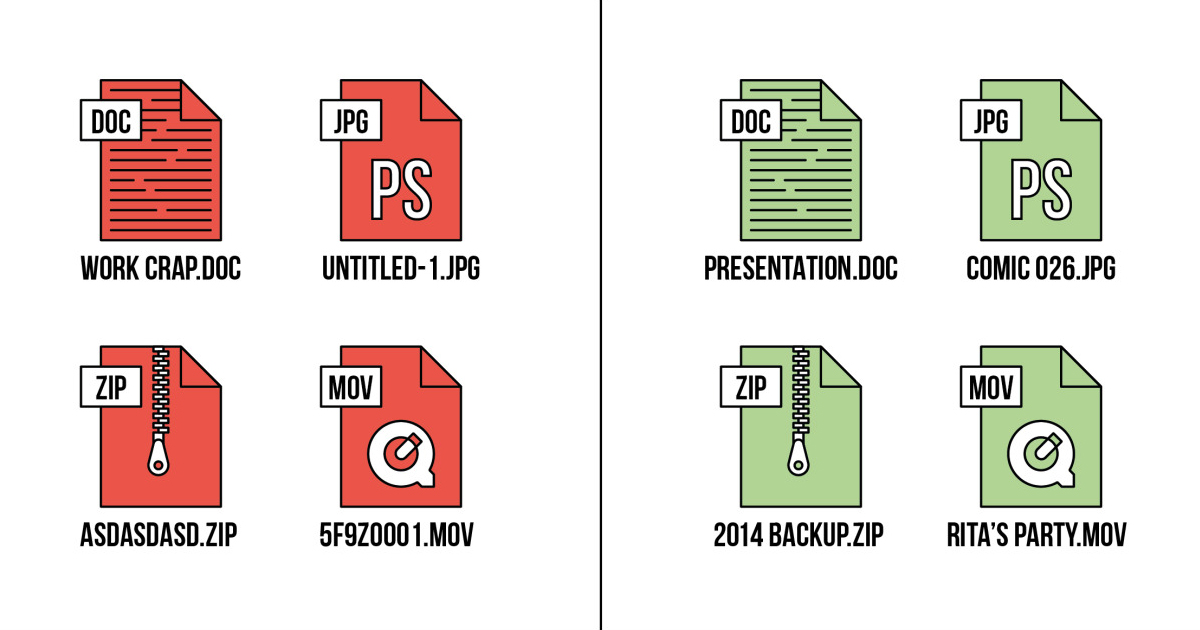
There are two kinds of people in this world: the ones who make their bed before their eyes are fully open, and the ones who look at the bed, look at themselves, and silently agree to revisit the issue after coffee. If that sounds judgmental, relax. This is not a courtroom. It is a love letter to the tiny differences that make people gloriously, hilariously human.
Part 2 of the classic “there are two kinds of people” debate is not really about who is right. It is about why our everyday habits split us into camps so fast. Why do some people thrive on routine while others break into a rash at the word schedule? Why do some folks answer texts in eight seconds, while others draft a response in their heads, forget to send it, and remember three business days later in the shower?
Behavioral science gives us a useful clue: many of these differences come down to how people manage energy, stress, attention, and control. In other words, your strange little preference for color-coded calendars or your equally passionate commitment to “vibes only” may not be random at all. It may be your brain trying to make life easier, calmer, or at least less annoying.
So no, this article is not here to declare a winner between Team Planner and Team Chaos Goblin. It is here to unpack what these everyday divides say about personality types, daily habits, routines, decision fatigue, sleep patterns, and modern life. Because once you look closely, those tiny habits are not tiny at all. They are identity in sweatpants.
The Planner and the Improviser
There are people who book brunch the way military strategists plan a campaign. Reservation confirmed. Outfit considered. Departure time padded by twelve minutes. Backup parking plan in place. Then there are people who text, “On my way,” while still wet from the shower and emotionally unprepared for traffic.
The funny thing is that both types are trying to solve the same problem: how to move through life with the least possible friction. Planners reduce uncertainty by building structure. Improvisers reduce pressure by staying flexible. One person wants a map. The other wants an exit route from the map.
Research on habits and routines helps explain why this divide feels so real. Structured routines can reduce the number of decisions people have to make, which frees up mental energy for bigger tasks. That is why some people swear by eating the same breakfast, setting clothes out the night before, or turning Sunday into a weekly life reset. Routine is not always boring. Sometimes it is a power move.
Still, improvisation has its own strengths. The person who can pivot quickly when a plan falls apart is often more adaptable in messy real-world situations. When the restaurant loses the reservation, the planner sees betrayal. The improviser sees a chance to “discover a hidden gem.” One of them is furious. One of them is insufferably calm. Both are exhausting in their own special way.
The Early Bird and the Night Owl
Nothing starts an argument faster than telling a night owl to “just wake up earlier.” That advice lands with the same warmth as “have you tried not being tired?” Some people genuinely come alive at sunrise. Others become a functioning life form around 10:43 p.m., right when polite society would prefer them to start winding down.
This is where chronotypes enter the chat. People naturally differ in when they feel most alert, sleepy, creative, or focused. For some, the morning is prime time for concentration and decision-making. For others, the brain does not really clock in until the day is halfway over. That does not mean discipline does not matter. It means biology gets a vote.
The problem is that modern life often rewards early schedules, even when a person’s natural rhythm leans later. That mismatch can create a strange cycle: late-night energy, early-morning suffering, afternoon regret, repeat. It also helps explain why some people treat a 6 a.m. workout like enlightenment, while others hear “sunrise yoga” and assume it is a threat.
The smartest approach is not pretending everyone should function the same way. It is learning how your energy actually works and building around it when possible. The early bird is not morally superior. The night owl is not lazy. They are just living in different internal time zones and arguing in the same group chat.
The Piler and the Filer
Some people need a clean desk to think clearly. Other people need what looks, to the untrained eye, like a paper avalanche with emotional attachment issues. One person calls it “organized.” The other person calls it “organized enough.”
This divide is more interesting than it looks. Clutter can absolutely raise stress for some people, especially when a space feels out of control. If your brain reads visual mess as one more unfinished task, then a crowded room can feel like a tiny alarm system that never shuts off. That is why some people cannot relax until the counter is wiped, the throw pillows are fluffed, and the suspicious chair-pile of laundry has been dealt with.
But messy spaces are not always the enemy. Research has also suggested that disorderly environments can sometimes encourage more creative or unconventional thinking. Translation: the desk that makes your mother gasp may also be where your best ideas happen. Of course, that does not mean every overflowing junk drawer is a genius incubator. Sometimes a mess is just a mess with excellent public relations.
The deeper point is this: order and disorder both offer something useful. Order offers calm, clarity, and reduced stress. A little disorder can offer spontaneity and creative freedom. The trick is knowing which environment supports your brain instead of copying someone else’s Instagram shelf styling and wondering why you still feel frazzled.
The Perfectionist and the Progress Person
There are two kinds of ambitious people: the ones who finish the project and the ones who keep adjusting the font until the deadline becomes folklore. Perfectionism can look impressive from across the room. Up close, it often looks like stress wearing nice shoes.
At its best, perfectionism can fuel persistence, discipline, and high standards. That is why so many high achievers have at least a little bit of it rattling around in their nervous system. But the dark side is sneakier. Perfectionism can turn every task into a test of self-worth. Suddenly, you are not just writing an email. You are proving whether you deserve oxygen.
That pressure often leads to procrastination, which feels unfair but makes psychological sense. When the standard becomes “flawless,” starting becomes terrifying. The brain decides avoidance is safer than imperfection. So the perfectionist delays, spirals, reorganizes a folder, deep-cleans the kitchen, and calls it productivity. Meanwhile, the progress person sends the draft, fixes it later, and somehow stays alive.
There is wisdom in that second style. Progress-minded people understand that done creates momentum. They trust revision more than fantasy. They know most things improve through action, not through dramatic staring. If perfectionism is about control, progress is about movement. And movement, unlike panic, tends to get results.
The Fast Responder and the Thoughtful Delayer
Some people reply to messages before your phone has fully buzzed. Others read the text, absorb it, overthink the tone, begin composing a response internally, get distracted by life, and reappear later with “Sorry, just seeing this!” even though they definitely saw it.
This is not always a matter of manners. Sometimes it is about processing style. Quick responders often use communication to stay connected and keep things moving. Thoughtful delayers may need more time to formulate what they want to say, especially if the topic feels emotional, complex, or socially loaded.
That distinction matters because modern communication rewards speed. Fast replies can look warm, competent, and engaged. Slow replies can look careless when they are actually careful. The danger is that people start assigning character judgments to communication styles that may simply reflect different mental rhythms.
The healthier move is not assuming bad intent. The person who answers instantly may genuinely enjoy rapid-fire connection. The person who pauses may be trying to respond well rather than quickly. One is a conversational sprinter. The other is a sentence marinator. Society needs both, though ideally not on the same urgent project deadline.
The Solo Recharger and the Social Recharger
Here is another classic divide: some people recover from a hard week by canceling plans, making tea, and entering blanket-based witness protection. Others recover by calling friends, leaving the house, and saying the phrase “I just need to be around people.”
This is where the introvert-extrovert conversation gets flattened too often. Introversion is not shyness, and extroversion is not automatically confidence. They reflect different ways people tend to relate to stimulation and social energy. Introverts are often more reflective and may need alone time to reset. Extroverts often gain energy from interaction and external engagement. Neither mode is superior. They are just different charging cables for the same phone.
What matters is knowing your own system. If you are a solo recharger forcing yourself into nonstop social plans because you think that is what “fun people” do, burnout is coming for you with impressive speed. If you are a social recharger trying to tough it out alone all weekend, your mood may quietly sink for reasons that seem mysterious until you realize you needed people, not just protein.
The best relationships understand this. They stop trying to convert one type into the other. They let the introvert leave early without taking it personally and let the extrovert invite six extra people without acting like it is a felony.
The Decision Sprinter and the Decision Drainer
Some people can choose a hotel, a dinner spot, and a paint color in ten minutes flat. Others need thirteen tabs, four reviews, one spreadsheet, and an emotional support beverage. By the time the second group decides, the first group has already unpacked.
Part of this comes down to decision fatigue. The more decisions people make, especially under stress or uncertainty, the more mentally depleted they can become. That is why tiny choices can feel absurdly heavy by the end of the day. Salad or fries should not require spiritual discernment, and yet here we are.
Decision sprinters are often comfortable making “good enough” choices and moving on. Decision drainers may care more about minimizing regret, avoiding mistakes, or meeting a high internal standard. Again, same human goal, different route. One wants speed. One wants certainty. Neither fully gets what they want because life enjoys chaos.
This is why small routines matter so much. They protect your energy from being wasted on repetitive decisions. You do not need to optimize every inch of your day. In fact, that may be the very thing making you tired. Sometimes wisdom looks less like endless choice and more like oatmeal on autopilot.
The Bedtime Loyalist and the Midnight Me-Time Rebel
There are people who respect bedtime as if it were a sacred agreement with tomorrow. Then there are people who, after a long day of being responsible, suddenly decide that midnight is the perfect time to watch three videos, online shop for a lamp they do not need, and reclaim their identity.
This habit has a name now: revenge bedtime procrastination. It happens when people delay sleep to grab back a little personal freedom at the end of the day. In the moment, it feels delicious. Quiet house. No obligations. Finally, your time. Unfortunately, tomorrow morning still arrives like an unpaid invoice.
This divide says a lot about modern stress. The midnight rebel is not always bad at sleep. Sometimes they are just starved for unstructured time. The bedtime loyalist, on the other hand, may have learned that protecting rest is one of the few reliable ways to protect mood, focus, and functioning. One person is bargaining with the day. The other has already signed off.
Both are understandable. But if your “me-time” is regularly stealing from your future self, it may be time to renegotiate the contract. Romance is nice. So is not feeling like a haunted toaster the next morning.
What These Divides Really Reveal
The point of “There Are Two Kinds Of People” is not that humanity can be sorted into tidy bins like socks. Real people are messier than that. You can be a planner at work and a chaos creature on vacation. You can be a social butterfly on Saturday and a hermit by Tuesday. You can love a clean kitchen and still have seventeen screenshots you fully intend to organize someday.
What these everyday divides really reveal is preference under pressure. How do you protect your energy? How do you reduce stress? How do you seek control, comfort, connection, and momentum? That is the interesting part. Our habits may look funny on the surface, but underneath them are very serious questions about how we cope with being human in a noisy, demanding, overscheduled world.
So yes, there are two kinds of people. Then twelve more kinds hiding behind those. Then five versions of you depending on sleep, weather, inbox volume, and whether someone has asked, “Where do you want to eat?” after 6 p.m. The categories are silly. The patterns are real. And that is exactly why we keep coming back to them.
Bonus: Experiences That Make “Part 2” Feel Personal
You see these differences most clearly in ordinary places, which is also what makes them so funny. Walk into an airport at 5 a.m. and the species split becomes obvious. One traveler is at the gate two hours early, shoes off, snacks packed, boarding pass screenshotted in triplicate. Another is speed-walking through the terminal with one untied shoe, whispering, “They never start boarding on time anyway,” like a person negotiating with fate.
Go to a coffee shop and you will find the table of planners and the table of wanderers. The planners have laptops charged, tabs labeled, and a to-do list with sub-bullets. The wanderers have opened a notes app, stared out the window for eleven minutes, and somehow still produced an idea so good it annoys everyone else. Neither table understands the other, but both would like access to the other table’s superpower.
Family vacations are another gold mine. There is always one person who made a color-coded itinerary, another who resents the itinerary on moral grounds, one who packed six outfits per day, and one who brought two shirts and “a good attitude.” By day three, the planner is begging for cooperation, the free spirit is demanding spontaneity, and grandma is quietly proving she was the only competent one all along.
Even texting tells on us. Some people send “On my way” while backing out of the driveway like emotionally confident action heroes. Others type, delete, retype, add an exclamation point, remove the exclamation point because it seems fake, then send “Sounds good” after a full internal documentary. The content is tiny. The experience is a whole personality test.
And then there is the evening routine, that sacred little theater where people reveal who they really are. One person dims the lights, does skincare, sets an alarm, and enters sleep like a responsible woodland character. Another says, “I deserve a little treat,” then accidentally turns that treat into a 97-minute online deep dive about chairs, Roman concrete, or whether penguins have knees. Both wake up claiming they need a change.
That is why this topic keeps sticking. It is not just meme material. It is recognition. We laugh because we know these people. We are these people. Or worse, we are both of them depending on the day. “There Are Two Kinds Of People (Part 2)” works because it turns daily habits into a mirror. Sometimes that mirror is flattering. Sometimes it is holding a cold cup of coffee and exposing your unread emails. Either way, it is honest.
And honesty, especially the funny kind, is what makes these little categories feel surprisingly meaningful. The small stuff is rarely just small stuff. It is routine, identity, stress, comfort, memory, and survival in sneakers. That is a lot of meaning for a debate that starts with whether people fold laundry immediately or let it live on a chair for a week. But that is modern life: psychology hiding in plain sight, usually under a pile of clean clothes.