LinkedIn was once the internet’s polished lobby: everyone wore a metaphorical blazer, shook hands through a profile headline, and quietly updated their résumés after a suspiciously “mutual” departure. Then something happened. The professional networking site started behaving less like a career tool and more like a TED Talk trapped in a conference room with unlimited coffee.
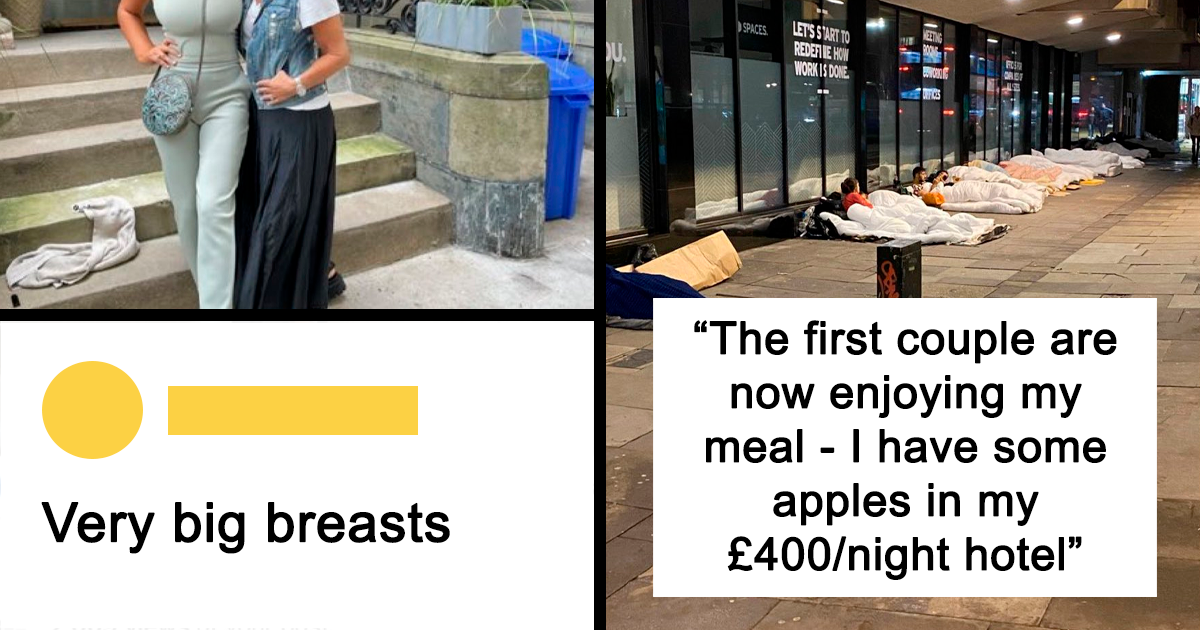
Enter “The State of LinkedIn”, a Twitter/X account that became famous for collecting the most dramatic, self-important, oddly inspirational, and deeply out-of-touch LinkedIn posts on the web. The account, later featured by Bored Panda in a viral “30 Pics” roundup, turns workplace oversharing into public comedy. It is not simply laughing at people for posting online. It is laughing at a very specific genre: the post where a spilled latte becomes a leadership framework, a missed flight becomes a lesson in B2B sales, and a stranger’s misfortune somehow becomes a humblebrag about emotional intelligence.
The result is painfully funny because everyone recognizes the pattern. LinkedIn is useful. It helps people find jobs, build networks, hire talent, learn industry trends, and grow businesses. But when professional branding goes too far, the platform can become a theater of exaggerated wisdom. “The State of LinkedIn” works because it holds up a mirror and says, politely but firmly: “Sir, this is a networking site.”
Why LinkedIn Became the Perfect Home for Professional Cringe
To understand why LinkedIn cringe posts spread so easily, it helps to remember what LinkedIn is built to do. Unlike Instagram, TikTok, or Facebook, LinkedIn is tied directly to status, employment, ambition, and money. A post there is not just a post. It can be a soft pitch, a résumé extension, a sales funnel, a hiring signal, or a personal brand campaign wearing loafers.
LinkedIn has grown into one of the largest professional platforms in the world, with more than a billion members and a business model powered by recruiting, advertising, premium subscriptions, sales tools, and learning services. Microsoft’s recent reports have also shown continued revenue growth and rising engagement on the platform. In other words, LinkedIn is not a sleepy digital résumé folder anymore. It is a massive content ecosystem where attention has business value.
That value changes how people behave. On a normal social platform, someone may post a vacation photo and hope for likes. On LinkedIn, the reward can feel bigger: a new client, a recruiter message, a speaking invitation, a consulting lead, or the warm glow of being called a “thought leader,” which is like being knighted, but with more hashtags.
What “The State Of LinkedIn” Actually Exposes
The funniest thing about “The State of LinkedIn” is that the page does not need to invent anything. It simply curates. The absurdity is already there, sitting in the feed, wearing a founder hoodie and explaining how a toddler taught it SaaS pricing.
The account focuses on posts that feel inflated, fake, opportunistic, or wildly disconnected from ordinary working life. These posts often share several familiar ingredients:
- The heroic employer story: A boss claims to have rejected normal business logic in favor of kindness, then somehow turns the moment into a viral leadership lesson.
- The fake humblebrag: Someone announces an achievement while pretending the real topic is gratitude, resilience, or “the journey.”
- The ordinary event turned business parable: A sandwich, taxi ride, elevator delay, or broken laptop charger becomes a 900-word lesson about entrepreneurship.
- The hustle-culture sermon: A person suggests that rest is for the weak, sleep is optional, and burnout is just ambition doing cardio.
- The out-of-touch executive take: Someone with extraordinary privilege lectures workers about loyalty, sacrifice, or “choosing growth” over basic boundaries.
That last category is where the comedy becomes social commentary. People are not just annoyed because the posts are corny. They are annoyed because some of them reveal how disconnected certain professionals can be from real workplace pressure. When someone turns layoffs into “a chance to reinvent,” or praises unpaid overtime as “commitment,” readers can smell the corporate incense from three tabs away.
The Rise of Performative Authenticity
Modern career advice often encourages professionals to be authentic online. That is good advice in theory. A human voice is better than a profile that sounds like it was assembled by a committee of beige office chairs. The problem begins when authenticity itself becomes a performance.
On LinkedIn, this can look like confession without vulnerability, emotion without context, and storytelling without proportion. The writer appears to reveal something personal, but the post still lands like marketing copy. Every tear has a call to action. Every failure has a downloadable framework. Every “I almost gave up” ends with “DM me the word SCALE.”
There is a reason this style became common. Personal branding is now a real part of professional life. Experts, business schools, recruiters, and marketing strategists all acknowledge that people increasingly need to communicate their value clearly. A strong online presence can help job seekers, freelancers, founders, and executives. The trouble is that some users confuse visibility with virtue. They do not just share what they know; they package their entire life as evidence that they are unusually wise before breakfast.
Why These Posts Make People Cringe
Cringe is not simply “bad writing.” Cringe happens when there is a gap between how someone wants to be seen and how the audience actually sees them. A person may think they are posting an inspiring leadership story. The audience sees a sales pitch wearing a sympathy costume.
The best examples collected by “The State of LinkedIn” usually have that mismatch. The author aims for profound but lands at bizarre. They reach for empathy but grab self-promotion. They try to sound visionary but accidentally sound like they just discovered lunch breaks.
1. The Main Character Problem
Many cringey LinkedIn posts turn ordinary people into props. A cashier, job applicant, homeless person, child, waiter, or delivery driver appears in the story only to teach the poster a lesson about leadership, grit, sales, hiring, or gratitude. The issue is not storytelling itself. The issue is when another human being’s life becomes a decorative mirror for the author’s brand.
2. The Algorithm Problem
LinkedIn rewards engagement, and engagement often rewards strong emotion. That means dramatic stories, moral lessons, and bold declarations can travel farther than calm, useful advice. If a normal post gets ignored but a dramatic one gets thousands of reactions, some users learn the wrong lesson very quickly. Suddenly every coffee spill is a masterclass.
3. The Hustle-Culture Problem
For years, professional social media has celebrated the “always grinding” mindset. Wake up at 4 a.m. Answer emails while brushing your teeth. Network during dinner. Sleep when the market closes. To many workers, especially those dealing with layoffs, stagnant wages, or burnout, these posts feel less inspiring than exhausting. They do not motivate; they remind people that some corners of business culture still confuse being busy with being valuable.
LinkedIn Is Not the Villain, But It Is the Stage
It would be unfair to say LinkedIn is only cringe. Millions of people use it in practical, healthy ways. They find jobs, share industry research, celebrate colleagues, learn new skills, and connect with people they would never meet otherwise. Many small business owners, recruiters, consultants, and job seekers genuinely benefit from the platform.
The problem is not LinkedIn’s existence. The problem is incentive design mixed with professional insecurity. When people feel pressure to be visible, impressive, employable, inspirational, data-driven, vulnerable, and successful all at once, the final product can get weird. Very weird. “I fired my top performer because he did not smile at the intern. Here is what it taught me about enterprise software” weird.
That is why the “State of LinkedIn” account feels less like random mockery and more like cultural temperature-taking. It captures what happens when work becomes content and content becomes work.
What Makes a LinkedIn Post Good Instead of Cringey?
The difference between a useful LinkedIn post and a cringey one is not complicated. Good posts usually respect the reader’s intelligence. They offer a real insight, a clear story, or a helpful perspective without pretending to have unlocked the meaning of life during a quarterly meeting.
A strong LinkedIn post may share a lesson from failure, but it does not exaggerate the drama. It may celebrate success, but it gives credit honestly. It may discuss leadership, but it does not turn basic decency into a revolutionary management philosophy. Most importantly, it does not treat every moment as a branding opportunity.
Here is a simple test: if the post would sound absurd when read out loud to a coworker in the break room, rewrite it. If your story about buying coffee includes the phrase “this changed how I think about revenue operations,” take a walk. Hydrate. Return later.
The Funniest Patterns in Out-Of-Touch LinkedIn Posts
While the “30 Pics” format is built around screenshots, the larger joke is about patterns. Once you see them, they are impossible to unsee.
The “Rejected a Perfect Candidate” Story
This is the post where a hiring manager claims they turned down someone with flawless credentials because the candidate lacked humility, failed a secret test, or did not treat the receptionist like royalty. The lesson is usually noble. The execution often feels suspiciously cinematic, as if the interview took place in a motivational short film sponsored by office furniture.
The “Child Taught Me Business” Story
Children are popular characters in LinkedIn parables because they say simple things adults can inflate into strategy. A kid sells lemonade, asks a blunt question, or refuses to follow a rule. Suddenly the parent has discovered product-market fit, customer obsession, and agile leadership before snack time.
The “I Am Honored and Humbled” Announcement
There is nothing wrong with sharing good news. Promotions, awards, launches, and career milestones deserve celebration. But the phrase “honored and humbled” has been used so often that it now arrives wearing noise-canceling headphones. Sometimes people are not humbled. They are thrilled. That is fine. Just say that. The internet can survive one honest emotion.
The “Work Is Family” Speech
This is where LinkedIn can go from funny to uncomfortable. When leaders describe companies as families, workers often hear a warning siren. Families do not usually schedule performance reviews, restructure departments, or remove your dental benefits. Healthy workplaces can be supportive, loyal, and humane without borrowing the language of unconditional love.
Why People Love Watching LinkedIn Get Roasted
The popularity of pages like “The State of LinkedIn” reveals a bigger frustration with corporate language. People are tired of being sold inspiration by people who seem insulated from ordinary consequences. They are tired of “resilience” being used to describe surviving preventable chaos. They are tired of executives praising sacrifice while employees quietly wonder whether sacrifice is included in the compensation package.
Workplace satire gives people relief. It says the awkward part out loud. It lets readers laugh at the strange pressure to turn every career move into a public performance. In a job market shaped by automation, layoffs, remote work debates, side hustles, and personal branding, the humor lands because the anxiety is real.
LinkedIn cringe is not just about bad posts. It is about modern work culture trying very hard to look meaningful at all times. The harder it tries, the funnier it gets.
How To Use LinkedIn Without Becoming the Next Screenshot
You do not need to delete LinkedIn, move to a cabin, and communicate only through handwritten résumés. The platform can still be valuable. The trick is to be useful before being inspirational.
- Share what you actually learned, not what makes you sound like a keynote speaker.
- Tell stories with proportion. Not every inconvenience is a life-changing lesson.
- Give practical advice people can use immediately.
- Celebrate wins without pretending every win is a moral awakening.
- Avoid turning employees, applicants, customers, or strangers into props.
- Be specific. Clear examples beat foggy motivation every time.
- Use humor carefully, especially when discussing layoffs, money, hiring, or hardship.
The best LinkedIn presence is not the loudest. It is the one that makes people think, “This person knows what they are talking about,” not “This person just turned a parking ticket into a leadership manifesto.”
Related Experience: Surviving LinkedIn Without Becoming a Motivational Poster
Anyone who has spent enough time on LinkedIn has probably experienced the same emotional journey. First, you log in for a practical reason. Maybe you want to update your profile, check a recruiter message, research a company, or congratulate a former coworker who somehow became “Head of Strategic Possibility.” Innocent enough. Productive, even.
Then the feed appears.
Within three scrolls, someone is explaining how missing a train taught them the future of artificial intelligence. Someone else is celebrating a promotion with a 17-paragraph tribute to discomfort. A founder is describing how they hired a candidate who arrived late because “empathy scales better than punctuality.” Another person has posted a selfie from a hospital waiting room and somehow connected it to quarterly revenue. At that point, you close the tab, stare into the middle distance, and wonder whether civilization peaked at email.
The strange thing is that many of these posts probably begin with good intentions. People want to be seen. They want to be remembered. They want their work to matter. In a crowded digital marketplace, simply saying “I did a thing” can feel too small, so they decorate the thing with drama. A normal career update becomes a transformation story. A business lesson becomes a universal law. A networking post becomes a one-person parade with bullet points.
Most professionals can relate to the pressure. If you are job hunting, you feel the need to look confident even when the process is draining. If you run a business, you feel pushed to create content even when you would rather be doing the work. If you are early in your career, you may compare your behind-the-scenes confusion to someone else’s polished announcement. LinkedIn can make everyone look like they are winning, learning, scaling, disrupting, mentoring, and drinking enough water. Obviously, at least two of those are lies.
The healthiest approach is to treat LinkedIn like a useful conference, not a personality transplant. Show up. Be polite. Share something helpful. Support other people. Leave before you start calling your lunch a “founder fuel ritual.” A good professional presence does not require pretending your life is a series of cinematic breakthroughs. Sometimes the most refreshing post is simple: “I worked on this. Here is what helped. Hope it is useful.”
That is why “The State of LinkedIn” remains funny. It reminds us that professionalism without self-awareness becomes performance. Ambition without humor becomes unbearable. And personal branding without humanity becomes a screenshot waiting to happen.
Conclusion
“The State of LinkedIn” became popular because it captures a truth many professionals quietly understand: LinkedIn is both useful and ridiculous. It is a powerful career platform, a serious business tool, and occasionally a museum of motivational overcooking. The same feed that can connect someone to a dream job can also deliver a post claiming that a toddler explained venture capital using breakfast cereal.
The lesson is not to stop posting. The lesson is to post with perspective. Be honest. Be useful. Be generous. Tell real stories, but do not inflate them until they need their own parking space. LinkedIn works best when people share knowledge, opportunities, and genuine professional experiences. It becomes cringe when every moment is forced to prove that the author is visionary, resilient, humble, honored, blessed, and somehow available for consulting.
In the end, the cringiest LinkedIn posts are funny because they are almost believable. They live right on the edge between ambition and absurdity. “The State of LinkedIn” simply gives the internet permission to laugh, nod, and maybe edit its next post before hitting publish.
Note: This article discusses public social-media commentary, workplace posting culture, and professional networking trends without reproducing private profiles or source images.