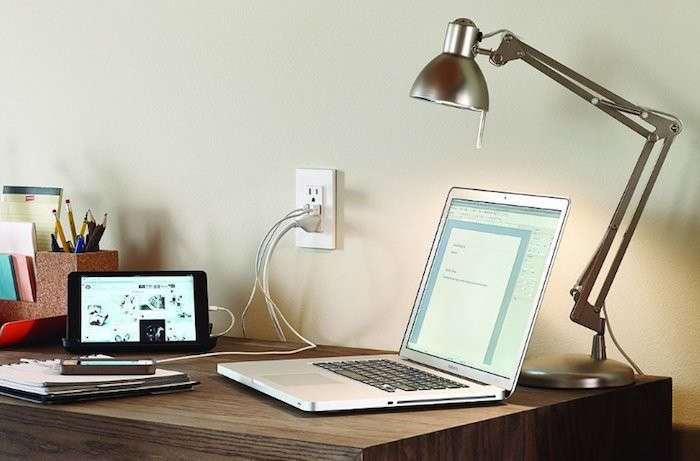
There are two kinds of clutter in modern life: the obvious kind, like shoes by the door and mystery Tupperware lids, and the sneaky kind, like charging bricks breeding behind your nightstand. If your kitchen counter, desk, or bedside table looks like a tiny electronics convention, USB charging outlets can make life feel instantly cleaner. One outlet, fewer adapters, less cable chaos, and a setup that looks like you actually planned it instead of losing a battle with five wall chargers before breakfast.
But not every USB wall outlet deserves a gold star. Some are great for slowly topping off a phone. Others can fast-charge tablets and even handle small laptops. The best USB charging outlets today are less about novelty and more about choosing the right mix of USB-C, Power Delivery, wattage, safety features, and installation compatibility. In other words, the “best” option is the one that fits your devices, your room, and your wiring without turning a simple upgrade into an electrical soap opera.
Why USB Charging Outlets Make Everyday Life Easier
A good USB charging outlet does something surprisingly magical: it removes friction from your day. You stop hunting for charging blocks. You stop sacrificing both plug spaces just to charge a phone and a tablet. You stop playing that fun game called, “Why is this charger missing again?”
That convenience matters most in places where small devices pile up fast. Think bedside tables, kitchen islands, entryway charging stations, home offices, kids’ rooms, guest rooms, and living room side tables. These are the zones where a USB wall outlet can earn its keep every single day.
There is also a design benefit. A modern USB outlet keeps the wall looking cleaner because you are plugging in a cable, not a chunky adapter that juts out like a tiny plastic elbow. If you care about the “simple life” look, that matters. Minimal visual mess is still less mess.
What Actually Makes a USB Charging Outlet “Best”?
1. USB-C beats USB-A for future-proofing
If you are shopping today, USB-C outlets are usually the smarter buy. More phones, tablets, earbuds, and laptops now rely on USB-C, and the connector is reversible, which is a nice little quality-of-life upgrade for anyone who has ever plugged in a cable upside down three times in a row while fully awake.
2. Power Delivery matters more than hype
The phrase to watch is USB-C Power Delivery, often shortened to USB PD. This is what separates “fine, I guess” charging from genuinely fast charging. A basic USB outlet may work well for older phones and smaller accessories, but a PD model is a much better fit for modern phones, tablets, and many lightweight laptops.
3. Wattage tells you what the outlet can really do
For most buyers, wattage is the easiest spec to understand. Here is the practical version:
- 15W to 25W: Best for phones, earbuds, smartwatches, and light-duty charging.
- 30W: A solid sweet spot for fast phone charging and many tablets.
- 60W to 65W: Best for people who want a fast USB-C outlet that can also support tablets and many small laptops.
If your goal is convenience, 15W to 30W may be enough. If your goal is replacing a charging brick for modern gear, aim for 60W or higher.
4. Safety is not optional
The best outlets are not just fast. They are also listed, tamper-resistant, and appropriate for the room. In many homes, tamper-resistant receptacles are the baseline, especially if kids are around. And in areas where water might be nearby, such as kitchens, bathrooms, laundry rooms, garages, or outdoor-adjacent spaces, GFCI protection matters too.
5. Installation fit can make or break the project
Here is the unglamorous truth: USB receptacles are often bulkier than a standard duplex outlet. That means box depth, wiring space, and circuit compatibility matter. Some higher-powered models may need an extra-deep box or a box extender. Translation: the outlet may be smart, but it still needs a place to live.
Best USB Charging Outlets by Use Case
Best Overall for Most Homes: A 30W USB-C or USB-A/C Duplex Outlet
If you want the best balance of price, speed, and day-to-day usefulness, a 30W-class duplex outlet is the safest all-around pick. These outlets are ideal for bedrooms, living rooms, hall charging nooks, and kitchen side walls where people mostly charge phones, tablets, and smaller accessories.
This is the category that makes the most sense for families who want convenience without paying for laptop-level charging they may never use. A good 30W outlet feels noticeably faster than older low-output USB designs, and it is usually more than enough for the devices most people plug in several times a day.
Best for: casual daily charging, bedside use, guest rooms, and family spaces.
Best for Future-Proofing: A 60W Dual USB-C Power Delivery Outlet
If you are upgrading once and want to be done for years, this is the smart move. A 60W dual USB-C Power Delivery outlet is the sweet spot for modern households. It can fast-charge newer phones and tablets, and it is also useful for many small laptops and other USB-C devices that laugh at old-school low-watt chargers.
This class is especially attractive in home offices, kitchen command centers, and bedrooms where people charge a mix of phones, tablets, and laptops. It is the kind of upgrade that feels a little fancy at first, then quickly becomes something you never want to give up.
Best for: home offices, newer Apple and Android devices, college students, and anyone trying to reduce charging bricks.
Best Premium Pick: A 65W USB-C Outlet
If you want the strongest in-wall charging option that still feels residential and polished, a 65W USB-C outlet is the premium choice. This category is designed for people who want fast charging with minimal compromise. It is especially appealing if you regularly charge devices like tablets, premium phones, and smaller laptops in the same location.
Premium models often add thoughtful touches like charging indicator lights, intelligent power management, and more polished design finishes. They cost more, yes, but they also move the category from “handy” to “seriously useful.”
Best for: primary bedroom nightstands, executive desks, upscale guest rooms, and people who want a cleaner alternative to a laptop charger on the wall.
Best for Mixed Devices: A Type-A/C Outlet
Not every household is fully converted to USB-C yet. Some people still have an older Kindle, a random Bluetooth speaker from 2018 that refuses to retire, or a family drawer full of perfectly serviceable USB-A cables. If that sounds familiar, a USB-A/C outlet is the most flexible choice.
You get compatibility for older cables and a path toward newer devices without needing to replace everything at once. It is not the flashiest option, but it is practical, and practical usually wins in real homes.
Best for: family rooms, kitchens, shared workspaces, and homes in transition from USB-A to USB-C.
Best for Bathrooms, Laundry Rooms, and Wet Zones: A GFCI-Smart Setup
In water-prone areas, convenience should never outrank safety. The best choice here is either a USB/GFCI combination receptacle or a setup where the USB outlet is properly installed on a GFCI-protected circuit as allowed by local code and product instructions. In plain English: do not treat a bathroom vanity wall like it is just another bedroom outlet.
If the outlet is anywhere near sinks, counters, damp conditions, or garage work zones, make safety the deciding factor first and charging speed second. A fast outlet is nice. A safe outlet is nicer.
Where USB Charging Outlets Work Best in the Home
Bedside tables
This may be the single best place for a USB wall receptacle. You can charge a phone and earbuds without sacrificing both standard plugs for lamps, alarm clocks, or white-noise machines. That is what I call emotional support infrastructure.
Kitchen sidewalls and islands
Kitchens have become command centers for modern life. Recipes, grocery apps, podcasts, school notifications, and video calls all land here. A USB outlet can keep devices topped up without cluttering counters with adapter blocks. Just remember that kitchen locations often involve code and GFCI considerations, so this is not a “wing it and hope” project.
Home offices
If your desk area is always one charging brick away from mutiny, a higher-powered USB-C PD outlet is a great upgrade. It cuts cable clutter and can support the kind of devices people actually use for work now.
Guest rooms
A guest room with built-in charging feels thoughtful and modern. Your visitors do not have to crawl behind furniture or choose between plugging in a phone and turning on a lamp. Hospitality is often just convenience wearing a nicer shirt.
Entryways and mudrooms
These are ideal drop zones for phones, smartwatches, and battery packs. One neat charging station near the door can quietly reduce a surprising amount of daily chaos.
What to Check Before You Buy
- Circuit amperage: Make sure the outlet matches the circuit requirements and device rating.
- Box depth: USB receptacles are often larger than standard outlets.
- Tamper resistance: A smart default for most homes.
- GFCI protection: Important in kitchens, bathrooms, garages, basements, laundry areas, and similar spaces.
- Listing and certification: Stick with reputable brands and properly listed products.
- Real charging needs: Buy for the devices you actually use, not the fantasy version of yourself who charges three laptops in the hallway.
Should You Install One Yourself?
If you are comfortable replacing a standard receptacle, follow product instructions carefully and shut off power at the breaker before doing anything. That said, if the box is crowded, the wiring is old, the circuit is confusing, or the outlet location requires GFCI or other code-specific protection, hiring a licensed electrician is the smart play. There is no shame in outsourcing the spicy parts of electricity.
A good electrician can also help you choose the right outlet for the location instead of just the flashiest one on the shelf. That can save you money, frustration, and at least one dramatic monologue in the hardware aisle.
Final Verdict: Which USB Charging Outlet Is Best?
For most people, the best USB charging outlet is a 30W to 60W USB-C model from a reputable brand with tamper-resistant protection and the right fit for the room. If you mostly charge phones and tablets, a 30W option is a smart, simple upgrade. If you want faster charging and better long-term value, a 60W USB-C Power Delivery outlet is the strongest overall choice. And if you want top-tier in-wall charging for premium devices, a 65W dual USB-C outlet is the luxury pick that actually earns its keep.
The simple life is not about owning less for the sake of it. It is about removing silly little hassles that drain time and attention. A good USB outlet does exactly that. It will not fix your inbox, fold your laundry, or explain where all your matching socks went, but it can make charging easier, cleaner, and a lot less annoying. Some home upgrades shout. This one just quietly improves your day.
Real-Life Experiences With USB Charging Outlets
The first time many people notice the value of a USB charging outlet is not during shopping. It is the week after installation. Suddenly, the nightstand feels calmer. The lamp still plugs in. The phone charges without a brick hanging halfway to the carpet. The watch cable has a home. Nothing dramatic happens, and that is exactly the point. The upgrade fades into the background, which is usually the sign of a good home improvement.
In bedrooms, the biggest win is convenience. People stop swapping adapters from room to room. Couples can charge different devices without fighting over one available socket. Parents often like these outlets in kids’ rooms because they reduce the number of loose charging blocks that disappear into backpacks, toy bins, or alternate dimensions.
In kitchens, the experience is a little different. This is where USB outlets become part of daily traffic. Someone plugs in a phone while checking a recipe. Someone else tops off wireless earbuds while packing lunch. A tablet sits on the counter during a video call. A good outlet in this space feels less like a gadget and more like a utility, almost like adding a better drawer where clutter used to collect.
Home offices may get the most dramatic improvement. If you work at a desk with a laptop, phone, headphones, and maybe a tablet, standard outlets get crowded fast. Swapping one ordinary receptacle for a high-powered USB-C option can make the desk feel more intentional. Fewer adapters. Fewer dangling bricks. Fewer little interruptions caused by not having the right charger nearby. It is not glamorous, but neither is wasting time untangling cables before your first meeting.
Guest rooms are another sleeper hit. Visitors love them because they do not have to move furniture, hunt for a free outlet, or choose between charging a phone and turning on a bedside lamp. A USB outlet is one of those small upgrades that makes a room feel quietly thoughtful. It says, “Yes, I considered that you also own a phone.” Hospitality can be beautifully simple.
There are, of course, lessons people learn the hard way. Some discover that an older shallow box makes installation annoying. Some buy a low-output model and later wish they had stepped up to USB-C PD. Some assume every USB outlet is equally fast, which is a bit like assuming every coffee is equally strong because it comes in a mug. Real satisfaction usually comes from matching the outlet to the job: light charging where convenience matters, higher wattage where speed and versatility matter more.
That is why the best experience is rarely about buying the most expensive outlet. It is about putting the right one in the right place. A bedroom may only need a midrange model. A home office may deserve 60W or 65W. A bathroom needs safety first. Once those choices are made well, the payoff is subtle but constant. The wall works harder, the room looks cleaner, and charging becomes one less thing to think about. That is the simple life in a nutshell: less fuss, more function, and fewer charger bricks staging a hostile takeover of your home.