Joints are the body’s built-in hinges, shock absorbers, pulleys, and tiny engineering miracles. They let you climb stairs, open pickle jars, dance at weddings, type emails, walk the dog, and dramatically point at the TV when your favorite team makes a terrible decision. But when joint pain shows up, those everyday movements can suddenly feel like negotiating with a rusty door.
The good news? Joint pain is common, but it is not mysterious. Behind the ache, stiffness, swelling, or “why does my knee sound like cereal?” sensation, there is usually a clear biological story. Sometimes the problem is cartilage wear. Sometimes it is inflammation. Sometimes it is an injury, irritated tendon, autoimmune disease, gout flare, weak supporting muscles, or simply a joint asking for better maintenance. Understanding the science of joint health helps you know when to rest, when to move, when to ice, when to heat, and when to call a healthcare provider instead of pretending your limp is a new fashion choice.
What Is a Joint, Really?
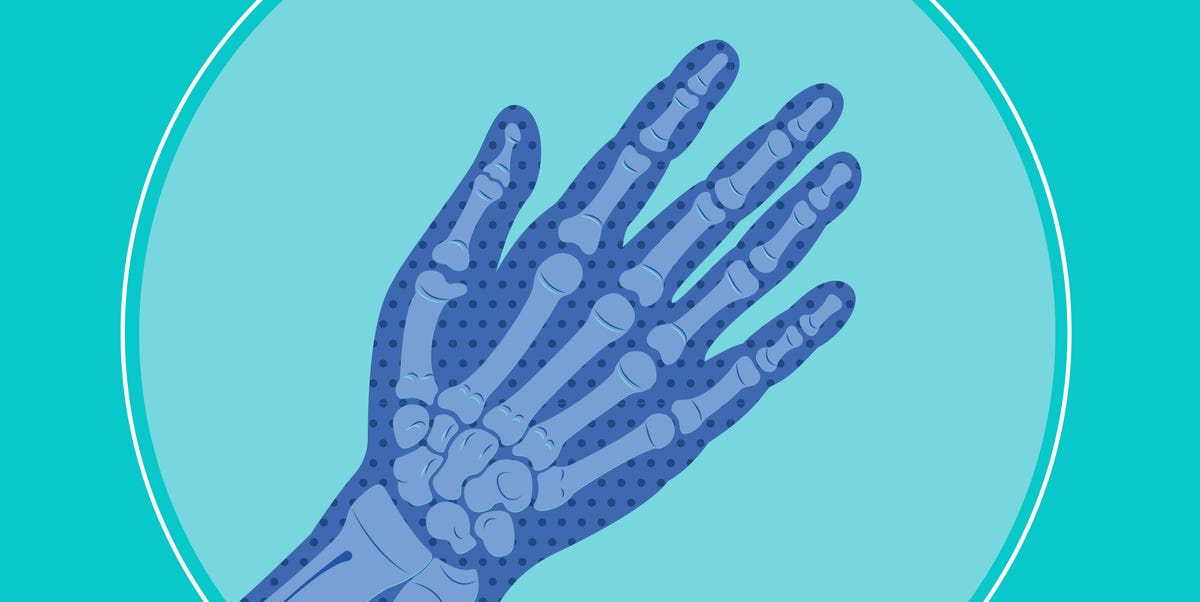
A joint is the place where two or more bones meet. Some joints move a lot, such as knees, hips, shoulders, fingers, wrists, and ankles. Others move only a little or provide stability. In a healthy movable joint, several structures work together: cartilage cushions the ends of bones, synovial fluid lubricates movement, ligaments hold bones together, tendons connect muscles to bones, and muscles create power and control.
Cartilage is especially important. It is smooth, slippery, and built to reduce friction. Imagine a well-polished dance floor between bones. When cartilage is healthy, movement is easier and more comfortable. When cartilage wears down, becomes injured, or is affected by inflammation, the joint may become painful, stiff, swollen, or less stable. Synovial fluid also matters because it nourishes cartilage and keeps movement smooth. This is one reason gentle motion often helps stiff joints: movement circulates joint fluid like oil through a machine, except your machine occasionally complains when getting out of a chair.
Common Causes of Joint Pain
1. Osteoarthritis: The Wear-and-Repair Problem
Osteoarthritis is the most common type of arthritis. It is often described as “wear and tear,” but that phrase is a little too simple. Osteoarthritis involves changes in the whole joint, including cartilage, bone, ligaments, muscles, and the joint lining. Over time, cartilage can break down, bone may change shape, and inflammation can contribute to pain and stiffness.
Osteoarthritis often affects the knees, hips, hands, neck, and lower back. Symptoms may include aching pain, stiffness after sitting or sleeping, reduced range of motion, swelling, and grinding or cracking sensations. The cracking sound alone does not automatically mean disaster. Joints can make noise without being damaged. Pain, swelling, weakness, and loss of function are the bigger clues.
2. Rheumatoid Arthritis: When the Immune System Gets Confused
Rheumatoid arthritis is an autoimmune inflammatory disease. Instead of only fighting infections, the immune system mistakenly attacks tissues in the joints. This can cause swelling, warmth, pain, morning stiffness, fatigue, and joint damage if not treated early. Rheumatoid arthritis often affects joints on both sides of the body, such as both wrists or both hands.
Unlike ordinary soreness after activity, inflammatory arthritis may feel worse after rest and better with gentle movement. Morning stiffness lasting a long time, repeated swelling, or pain in multiple joints should be checked by a healthcare provider. Early diagnosis matters because modern treatments can reduce inflammation and help protect joints.
3. Gout: Tiny Crystals, Big Drama
Gout is a type of inflammatory arthritis caused by uric acid crystals building up in a joint. It often attacks suddenly, sometimes at night, and commonly affects the big toe, though ankles, knees, wrists, and fingers can also be involved. A gout flare can feel intense: redness, swelling, heat, and pain so sharp that even a bedsheet may seem personally offensive.
Gout is not just “too much rich food,” although diet and alcohol can play a role for some people. Genetics, kidney function, body weight, certain medications, and other health conditions may contribute. Treatment may include anti-inflammatory medicines for flares and uric-acid-lowering medications for people with recurring attacks.
4. Tendinitis, Tendinopathy, and Bursitis
Not all joint pain comes from the joint itself. Tendons and bursae can be troublemakers too. Tendons connect muscle to bone. When they become irritated from overuse, strain, poor mechanics, or age-related changes, pain may appear near a joint. Bursae are small fluid-filled sacs that reduce friction. When inflamed, bursitis can cause tenderness, swelling, and pain with movement.
Shoulder pain, hip pain, elbow pain, and knee pain are often related to these soft tissues. For example, rotator cuff tendinopathy can cause pain along the outside of the shoulder and upper arm. Hip bursitis or gluteal tendinopathy can make lying on one side or climbing stairs unpleasant. Treatment often involves activity modification, strengthening, stretching, physical therapy, and sometimes medication or injections.
5. Injury and Overuse
Sprains, strains, dislocations, cartilage tears, and repetitive stress can all cause joint pain. A sudden twist, fall, awkward lift, or weekend-warrior sports moment can inflame or damage tissue. Overuse is sneakier. It may develop from repeated motions at work, training too hard, poor form, weak muscles, or doing too much too soon.
A helpful rule: pain that appears after a clear injury, causes sudden swelling, makes the joint look deformed, prevents weight-bearing, or severely limits movement should be evaluated promptly. Your knee should not look like it is auditioning for a balloon animal contest.
Why Joint Pain Feels Worse Some Days
Joint pain can fluctuate because joints are living tissues affected by sleep, stress, inflammation, activity level, body weight, weather sensitivity, muscle strength, and overall health. A knee may feel fine during a calm week and then complain loudly after gardening, travel, poor sleep, or a heroic attempt to carry every grocery bag in one trip.
Pain is also influenced by the nervous system. When inflammation or injury irritates tissues, nerves send warning signals. If pain continues for weeks or months, the nervous system may become more sensitive. That does not mean the pain is “imaginary.” It means the body’s alarm system may be turned up too high. Smart pain management often includes movement, sleep, stress reduction, pacing, and targeted medical care.
How to Ease Joint Pain Safely
Keep Moving, But Choose the Right Kind of Movement
Movement is one of the most evidence-supported tools for joint health. The phrase “motion is lotion” sounds like something printed on a gym towel, but it is surprisingly accurate. Gentle, regular activity helps lubricate joints, strengthen muscles, improve balance, reduce stiffness, support weight management, and protect function.
The best joint-friendly exercises usually include three categories: range-of-motion exercises, strengthening exercises, and low-impact aerobic activity. Range-of-motion work helps maintain flexibility. Strength training builds the muscles that support and stabilize joints. Low-impact cardio, such as walking, cycling, swimming, water aerobics, or using an elliptical machine, improves endurance without pounding the joints like a marching band.
If you are starting from a low activity level, begin slowly. Five to ten minutes can be a victory. Increase gradually. Mild discomfort may happen, but sharp pain, swelling that lasts, or pain that worsens significantly after exercise means the plan needs adjusting. A physical therapist can personalize exercises for knee, hip, shoulder, hand, or back pain.
Build Muscle Around the Joint
Muscles act like shock absorbers and steering assistants. Strong quadriceps and glutes help protect knees and hips. Strong shoulder blade and rotator cuff muscles help shoulder mechanics. Core strength supports the spine and pelvis. When muscles are weak, joints often take more stress than they should.
Strength training does not require heroic grunting or turning your garage into a gladiator arena. Bodyweight movements, resistance bands, light weights, chair squats, wall pushups, heel raises, and controlled step-ups can be effective when matched to your ability. Good form matters more than heavy resistance. Your joints prefer teamwork, not surprise attacks.
Use Heat and Ice Wisely
Heat and cold therapy can both help, but they work differently. Cold can reduce swelling and numb sharp pain, especially after an acute injury or flare. Ice is often useful for sudden swelling, sprains, or a joint that feels hot and irritated. Wrap ice or a cold pack in a towel and avoid applying it directly to the skin.
Heat can relax tight muscles and ease stiffness, especially with chronic arthritis or morning stiffness. A warm shower, heating pad, or warm compress may make movement easier. If a joint is visibly swollen, red, or hot, cold is usually the better first choice. If the joint is stiff but not inflamed, heat may be your friend. Basically, ice calms the angry joint; heat persuades the stiff joint to stop acting like a locked gate.
Manage Weight Without Blame
Body weight can affect joint pain, especially in weight-bearing joints such as knees, hips, ankles, feet, and the lower back. Extra load increases mechanical stress, and fat tissue can contribute to inflammatory signals in the body. Even modest weight loss may reduce pressure on joints and improve pain and function for some people with knee or hip osteoarthritis.
This is not about shame. It is about physics and biology. A supportive plan may include balanced meals, protein for muscle repair, fiber-rich foods, regular movement, better sleep, and medical support when needed. Crash diets are not joint care; they are chaos with a salad fork.
Try Joint-Friendly Nutrition
No single food magically rebuilds cartilage overnight. If that existed, it would have its own parade. However, a nutritious eating pattern can support joint health by helping manage weight, inflammation, blood sugar, and heart health. A Mediterranean-style pattern is often a practical model: vegetables, fruits, beans, whole grains, nuts, olive oil, fish, and lean proteins.
For gout, dietary guidance may be more specific. Some people are advised to limit alcohol, sugary drinks, organ meats, and certain high-purine foods. Hydration matters too. For inflammatory arthritis, nutrition is not a replacement for medical treatment, but it can support overall health and energy.
Use Medication Carefully
Over-the-counter pain relievers may help joint pain, but they are not one-size-fits-all. Acetaminophen may reduce pain for some people. Nonsteroidal anti-inflammatory drugs, known as NSAIDs, such as ibuprofen or naproxen, may reduce pain and swelling. Topical NSAIDs may be useful for certain osteoarthritis pain, especially in knees or hands, and may have fewer whole-body side effects than oral NSAIDs.
However, NSAIDs are not safe for everyone. People with kidney disease, stomach ulcers, bleeding risk, heart disease, high blood pressure, or certain medication combinations should talk with a healthcare provider before using them. Prescription treatments, injections, disease-modifying drugs for inflammatory arthritis, or uric-acid-lowering therapy for gout may be needed depending on the cause.
When to See a Healthcare Provider
Mild joint pain after a busy day may improve with rest, gentle movement, ice or heat, and short-term self-care. But some symptoms deserve medical attention. Make an appointment if joint pain comes with swelling, redness, warmth, fever, persistent stiffness, unexplained fatigue, or pain that lasts more than a few days without improvement.
Seek urgent care if an injury causes severe pain, sudden swelling, visible deformity, inability to use the joint, inability to bear weight, numbness, or signs of infection. Also get checked if joint pain is sudden and intense, especially with redness and heat, because gout or infection may require prompt treatment.
Everyday Joint Health Habits That Actually Help
Practice Pacing
Pacing means balancing activity and rest before pain forces you to stop. Instead of cleaning the entire house in one heroic burst and then spending the next day moving like a haunted mannequin, break tasks into smaller sessions. Alternate heavy and light activities. Use timers. Sit when possible. Protect your energy like it is a phone battery at 3%.
Improve Posture and Ergonomics
Poor posture can increase stress on the neck, back, shoulders, hips, and wrists. Keep screens near eye level, use supportive seating, avoid locking your knees while standing, and take movement breaks. If your laptop setup looks like a raccoon assembled it during a storm, your neck and shoulders may eventually file a complaint.
Wear Supportive Shoes
Shoes influence ankles, knees, hips, and back mechanics. Supportive footwear can reduce impact and improve alignment. This does not mean everyone needs expensive orthopedic shoes, but worn-out soles, poor arch support, or unsupportive sandals may aggravate pain during walking or standing.
Sleep Like Your Joints Depend on It
Sleep affects inflammation, pain sensitivity, muscle recovery, and mood. Poor sleep can make pain feel louder. A consistent bedtime, cool room, reduced evening screen time, and comfortable joint positioning may help. For hip or knee pain, pillows between the knees or under the legs may reduce strain.
Experience Section: What Joint Pain Teaches People in Real Life
Joint health often becomes real not in a doctor’s office, but during ordinary moments. You notice it when your knee complains on the stairs, when your fingers feel stiff opening a jar, when your shoulder objects to reaching into the back seat, or when your hip starts sending strongly worded emails during a long car ride. Many people first try to ignore the pain. That is understandable. Nobody wants to pause life because one ankle has developed a personality.
A common experience is the “rest trap.” A person feels pain, so they stop moving. At first, rest helps. Then the joint becomes stiffer, the muscles around it become weaker, balance gets worse, and everyday tasks feel harder. This is why gentle movement is often such a turning point. Someone with knee osteoarthritis may start with five minutes of walking, a few chair stands, and basic stretching. After several weeks, stairs may feel less intimidating. The improvement may not be dramatic like a movie training montage, but it can be meaningful: less morning stiffness, more confidence, fewer “I need to sit down immediately” moments.
Another real-world lesson is that pain is information, not always an order to panic. A little stiffness after gardening may mean the joint needs recovery and better pacing. Sharp pain with swelling after twisting the knee is a different message. People who learn to read these signals often manage joint pain better. They use ice after flare-ups, heat before gentle stretching, supportive shoes for long walking days, and strength exercises to build resilience. They also learn the fine art of not doing every chore in one afternoon just because motivation briefly appeared.
Many people also discover that joint care is surprisingly personal. One person’s knee loves cycling but hates running. Another person’s shoulder tolerates resistance bands but gets cranky with overhead lifting. Someone with hand arthritis may benefit from jar openers, larger pen grips, or voice typing. Someone with hip pain may need glute strengthening and shorter sitting periods. The best plan is not the trendiest plan; it is the one that reduces pain, improves function, and fits real life.
Perhaps the biggest experience-based lesson is this: joint health is built through small, repeated choices. Not perfect choices. Just repeated ones. Ten minutes of walking. A warm shower before stretching. Taking breaks before pain spikes. Asking for help with heavy lifting. Seeing a clinician when swelling, heat, fever, or severe pain appears. Choosing exercises that build strength without punishing the joint. Over time, these choices can turn joint care from a crisis response into a daily maintenance routine. Your joints may never send a thank-you card, but they often show appreciation by letting you move with less drama.
Conclusion
Joint pain has many causes, from osteoarthritis and inflammation to gout, injury, tendinopathy, bursitis, weak muscles, and overuse. The smartest approach begins with understanding the cause. Rest can help acute injuries, but long-term joint health usually depends on safe movement, strength, flexibility, weight management, sleep, supportive habits, and timely medical care. Heat can ease stiffness, ice can calm swelling, and exercise can protect mobility when done correctly.
You do not need perfect joints to live an active life. You need informed choices, realistic pacing, and a willingness to treat your joints less like replaceable parts and more like loyal coworkers who deserve decent working conditions. Listen to pain, respect warning signs, and keep moving in ways your body can handle.