Some words enter a room wearing a tuxedo. Others trip over the rug, spill clam chowder on the carpet, and somehow make everyone uncomfortable. For many English speakers, “moist” is that second kind of word. It is only five letters long, perfectly useful, and innocent enough to describe cake, soil, air, towels, brownies, or the emotional eyes of someone watching a dog reunion video. Yet the moment it appears, a surprising number of people react as if language itself has stepped barefoot into something questionable.
The hatred of the word “moist” has become a tiny cultural sport. People rank it among the most hated words in English. Friends whisper it dramatically just to annoy each other. Food writers use it because, unfortunately for everyone with delicate ears, “not dry” is not exactly appetizing copy. But behind the jokes is a real psychological phenomenon called word aversion: a strong negative reaction to a word that is not necessarily offensive, taboo, or logically harmful.
So why do people hate the word moist? The answer is not as simple as “it sounds gross.” Research suggests the real reason involves meaning, mental association, disgust sensitivity, social learning, memory, and context. In other words, the word is not guilty because of its spelling alone. It is guilty because your brain brings a suspicious amount of baggage to the hearing.
What Is Word Aversion?
Word aversion is the intense dislike of a specific word because it produces an unpleasant emotional or physical reaction. The word does not have to be rude. It does not even have to describe something bad. A person may hear “moist,” “slacks,” “crevice,” “luggage,” or “ointment” and suddenly feel a tiny internal shudder. The reaction can feel immediate, irrational, and oddly personal.
This is different from disliking a word because of its meaning. Most people dislike words connected to danger, cruelty, or suffering because those meanings are unpleasant. Word aversion is stranger. It can happen when a word is normal, common, and useful. “Moist” is a perfect example because it often describes pleasant things: moist chocolate cake, moist banana bread, moist soil for healthy plants. Nobody wants a dry cupcake unless the goal is to sand a table with dessert.
Yet for some people, “moist” does not land as cozy or delicious. It lands as clammy, sticky, or bodily. That emotional leap is where the science begins.
The Main Study: It Is More About Meaning Than Sound
One of the best-known scientific investigations into moist word aversion was conducted by psychology researcher Paul H. Thibodeau. Across five experiments, participants were asked about their reactions to “moist” and related words. The research found that roughly 10% to 20% of people reported being averse to the word. That means the anti-moist crowd is not just a loud internet club; it is a noticeable minority of English speakers.
Many people assume the problem is the sound. The “oi” in moist does have a certain squishy wobble to it, like a cartoon frog stepping into pudding. The ending “st” also forces the mouth into a tight little finish. If you already dislike the word, saying it slowly can feel like making your face participate in the crime.
However, the research did not strongly support the idea that sound alone explains the reaction. If the sound were the main villain, people should also hate similar-sounding words such as “foist,” “hoist,” or “rejoiced.” But those words usually do not inspire the same level of disgust. Nobody is ruining brunch by saying, “The flag was hoist.” The problem is not simply phonetics. The stronger evidence points to semanticsthe meanings and associations people connect with the word.
Why “Moist” Feels Gross: The Role of Association
The word “moist” lives in a strange neighborhood. On one side, it belongs to food, gardening, weather, and baking. A moist cake is a triumph. Moist soil is good for plants. Moist air can help explain humidity. In the dictionary, the word simply means slightly or moderately wet, not completely dry.
On the other side, “moist” can also drift toward less charming associations: damp clothing, clammy skin, old basements, medical descriptions, and bodily functions. Your brain is extremely good at making quick connections, especially when a word has sensory texture. “Moist” does not just communicate information; it seems to invite touch, smell, temperature, and imagined surfaces. That makes it unusually vivid.
For people with moist aversion, the unpleasant associations appear to win. The word may call up images of things that are wet in the wrong way. Not refreshing like rain. Not delicious like cake. More like a forgotten towel in a gym bag that has started its own political movement.
Disgust Is a Protective Emotion
To understand why a harmless word can cause such a strong reaction, it helps to understand disgust. Disgust is not just an attitude. It is an emotional system that helps humans avoid contamination, spoiled food, disease, and unsafe environments. Long before modern medicine, disgust helped people stay away from substances, smells, and textures that might carry illness.
This is why many disgust reactions focus on bodily fluids, decay, slime, waste, mold, and spoiled food. The feeling may be unpleasant, but from an evolutionary perspective, it has a job: “Please do not eat that mysterious green thing behind the refrigerator.” Thank you, disgust. You are dramatic, but occasionally useful.
Words can activate this system indirectly. If a word reminds someone of contaminated or bodily substances, the brain may react with a small echo of physical disgust. That does not mean the person is being silly. It means language is powerful enough to trigger emotional systems normally used for real-world survival.
Context Changes Everything
One of the funniest and most important findings about “moist” is that context can make the reaction better or worse. When the word is used in a food context, such as describing cake, many people find it less disturbing. The brain receives the word inside a safe frame: dessert, flavor, softness, chocolate, grandmother’s kitchen, possibly frosting. In that setting, “moist” is doing honest work.
But when the word appears near unrelated positive words or more bodily associations, it can become more uncomfortable. This is because contrast matters. A pleasant context can sometimes make an unpleasant association stand out more sharply. Imagine someone saying “paradise, sunshine, roses, moist.” The word suddenly enters like a damp sock thrown into a spa brochure.
This helps explain why people may tolerate “moist cake” but cringe at “moist handshake.” The word itself stays the same. The mental picture changes completely.
Why Some People React More Strongly Than Others
Not everyone hates the word. In fact, most people do not. Many use it casually and wonder why everyone else is acting like the alphabet needs a shower. Research suggests that moist aversion may be more common among people who are more sensitive to disgust in general. If someone has a stronger reaction to bodily or contamination-related cues, they may be more likely to dislike words that brush against those associations.
Studies have also suggested that moist aversion may be reported more often by younger people, people with higher education levels, people higher in neuroticism, and women. That does not mean the word has a fixed demographic destiny, and it certainly does not mean every person in those groups hates it. It simply means researchers noticed patterns in who was more likely to report the aversion.
Personality matters because language is not processed in a vacuum. A word passes through memory, emotion, personal experience, cultural habits, and attention. One person hears “moist” and thinks of carrot cake. Another hears it and thinks of a damp basement wall. Same word, very different ride.
The Social Contagion of Hating “Moist”
There is another layer: social influence. Some people may discover their hatred of “moist” only after hearing other people complain about it. Once a word becomes famous for being hated, people start paying attention to it. Then the reaction can grow. The word becomes a tiny social performance.
This does not mean the aversion is fake. Social learning can shape real feelings. If everyone at a table groans when someone says “moist,” the word picks up a reputation. The next time it appears, your brain may be ready to cringe before it even finishes loading the sentence.
Language trends work this way all the time. Words become cool, uncool, annoying, funny, formal, outdated, or embarrassing because communities treat them that way. “Moist” has become a celebrity villain of English: not dangerous, not immoral, just weirdly disliked and endlessly invited onto talk shows.
Is the Word Actually Ugly?
From a linguistic point of view, “moist” is not uniquely ugly. It has a common English diphthong, a simple consonant ending, and a clean one-syllable structure. It rhymes with words that do not usually cause mass emotional collapse. The word is efficient, descriptive, and useful.
But aesthetic judgment in language is not purely linguistic. People often judge words based on what they imagine while hearing them. “Velvet” sounds pleasant partly because it means something soft and luxurious. “Maggot” sounds unpleasant partly because the meaning is unpleasant. “Moist” is trapped between these worlds. Its sound may not be objectively disgusting, but its sensory meaning gives the imagination plenty of material.
That is why replacing it is difficult. “Damp” can sound worse in some contexts. “Wet” can be too plain or too intense. “Hydrated” sounds like a skincare influencer holding a $90 serum. “Tender” works for meat but not for soil. “Not dry” is accurate but emotionally tired. For bakers and gardeners, “moist” remains useful because it expresses a precise middle state: pleasantly wet, but not soaked.
Why Food Writers Still Use “Moist”
Food writing has a complicated relationship with moist. On the one hand, many readers hate the word. On the other hand, everyone wants moist cake. “Dry cake” is one of the saddest phrases in dessert language, right between “expired pudding” and “raisins instead of chocolate chips.”
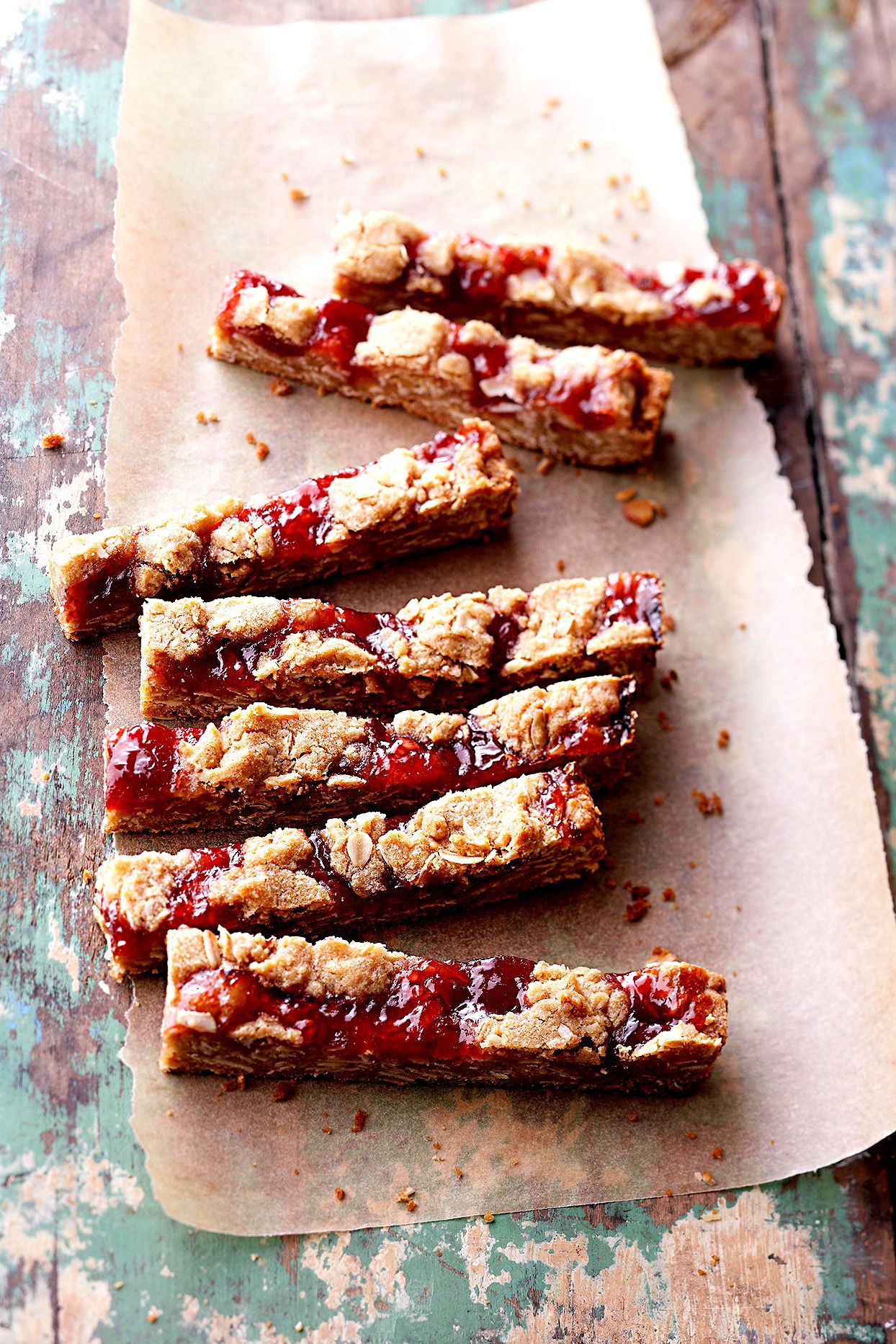
In food contexts, “moist” often signals quality. It means a muffin has not turned into a breakfast brick. It means turkey has survived the oven with dignity. It means banana bread is soft, rich, and worth cutting into thick slices. Food writers use the word because it communicates texture quickly.
The trick is placement. “A moist chocolate cake” is usually acceptable because the noun is appetizing. “A moist texture” may be less appealing because it leaves too much room for imagination. Good writing often surrounds the word with comforting details: tender crumb, buttery flavor, soft center, rich cocoa. Context acts like a chaperone, keeping “moist” from wandering into the creepy hallway of the mind.
Does Repetition Make It Better or Worse?
Repeating a disliked word can have two opposite effects. For some people, repetition reduces the reaction. The word becomes familiar, almost silly. Say “moist” twenty times and it may stop sounding like English at all. It becomes mouth furniture.
For others, repetition makes it worse. The more they focus on the word, the more its texture grows. This is common with sensory discomfort. Attention can magnify emotion. If someone tells you not to think about a damp sponge, congratulations, your brain has already opened the sponge museum.
This is why teasing someone with a hated word is rarely charming for long. A single joke may be funny. Repeating it like a haunted parrot is not science; it is just bad table manners.
The Bigger Lesson: Words Are Emotional Objects
The science behind why people hate the word “moist” reveals something bigger about language. Words are not neutral containers. They carry sound, meaning, memory, culture, emotion, and bodily imagination. A word can make us laugh, flinch, relax, buy, remember, trust, or close the tab immediately.
This matters for writers, marketers, teachers, speakers, and anyone trying to communicate clearly. Word choice is not just about dictionary meaning. It is about the emotional weather a word brings with it. If your audience hates “moist,” maybe describe cake as “soft,” “tender,” “rich,” or “velvety.” If precision matters, use “moist” and accept that a few readers may clutch their pearls like Victorian ghosts.
The point is not to ban the word. The point is to understand why it has such power. “Moist” is a tiny reminder that language lives in the body as much as in the brain.
Everyday Experiences: How “Moist” Shows Up in Real Life
Almost everyone has seen the moist debate happen in the wild. It usually begins innocently. Someone brings cupcakes to a party and says, “They turned out really moist.” Three people nod happily. One person freezes. Another person says, “Please never say that again.” Suddenly, the cupcakes are no longer the main event. The word has climbed onto the table and started tap dancing.
This is what makes moist aversion so interesting: it often becomes a shared social moment. People do not merely dislike the word in private. They announce it, laugh about it, defend it, weaponize it jokingly, and sometimes build entire conversations around it. A single adjective can derail a room faster than someone asking, “So, who wants to split the bill evenly?”
In workplaces, the word can become part of office humor. Someone may write “moist banana bread in the break room” on a sticky note, and suddenly half the team is discussing acceptable dessert vocabulary. In classrooms, students may giggle when the word appears in a poem, science passage, or cooking article. In families, siblings may discover that saying “moist” is an efficient way to annoy each other without technically breaking any rules. It is the linguistic equivalent of hovering one finger near someone’s arm and saying, “I’m not touching you.”
Online, the experience becomes even louder. Social media thrives on tiny shared reactions, and “moist” is perfect for that environment. It is short, recognizable, and divisive. People post lists of hated words, and moist nearly always shows up wearing a crown made of damp paper towels. The internet has helped turn a personal cringe into a cultural meme.
But real-life reactions are not always performative. Some people genuinely feel uncomfortable hearing or saying the word. They may describe a physical response: a grimace, shoulder tension, goosebumps, or a quick desire to change the subject. This does not mean the word is harmful in the ordinary sense. It means that for them, the word activates a sensory-emotional reaction that feels unpleasant.
Writers experience the problem from the other side. Anyone who writes recipes eventually faces the question: should I use “moist”? The word is accurate, but it may annoy part of the audience. A recipe developer describing chocolate cake might choose “soft crumb,” “rich texture,” or “tender bite” instead. But sometimes, no replacement works quite as well. “Hydrated cake” sounds like dessert just returned from a wellness retreat. “Slightly wet cake” sounds like a lawsuit. “Moist” survives because it is useful.
There is also a funny emotional contradiction in how people respond to the word. Many who hate hearing “moist” still want the qualities it describes. They want moist brownies, moist turkey, moist muffins, and moist soil for houseplants. They simply prefer that the quality arrive anonymously, like a delicious secret nobody says out loud.
The experience becomes especially clear when you compare reactions across contexts. Say “moist towel,” and people may recoil. Say “moist chocolate cake,” and many soften. Say “keep the soil moist,” and gardeners barely blink because the phrase is practical. The brain is constantly asking, “What kind of moist are we dealing with here?” Food moist can be wonderful. Basement moist is suspicious. Mystery moist is unacceptable.
That is the real-life lesson: the word “moist” is not hated equally everywhere. It depends on who hears it, where it appears, what it describes, and what memories or associations it wakes up. For some, it is just a normal adjective. For others, it is a five-letter jump scare in a cardigan.
Conclusion: Why the Word “Moist” Will Not Go Away
The science behind why people hate the word “moist” shows that word aversion is not random nonsense. It is a mix of semantic association, disgust sensitivity, context, memory, and social influence. The sound may contribute for some people, but research suggests the stronger explanation lies in meaningespecially associations with bodily unpleasantness and the wrong kind of wetness.
Still, “moist” remains useful. It describes a texture and condition that other words often fail to capture. It can make cake sound delicious, soil sound healthy, and air sound humid. It can also make a dinner table go silent for half a second while one person visibly regrets having ears.
So should you stop using it? Not necessarily. If your audience is sensitive to the word, choose alternatives like “tender,” “soft,” “lush,” “lightly damp,” or “not dry.” If accuracy matters, use “moist” proudly and maybe keep a backup cupcake nearby as a peace offering.
In the end, the hatred of “moist” proves that language is wonderfully weird. A word can be ordinary and infamous at the same time. It can be scientifically interesting, socially hilarious, and emotionally suspicious. And for a humble adjective meaning “slightly wet,” that is a surprisingly dramatic career.
Note: This article is based on established research and reputable language, psychology, and dictionary sources, rewritten in original language for web publication.