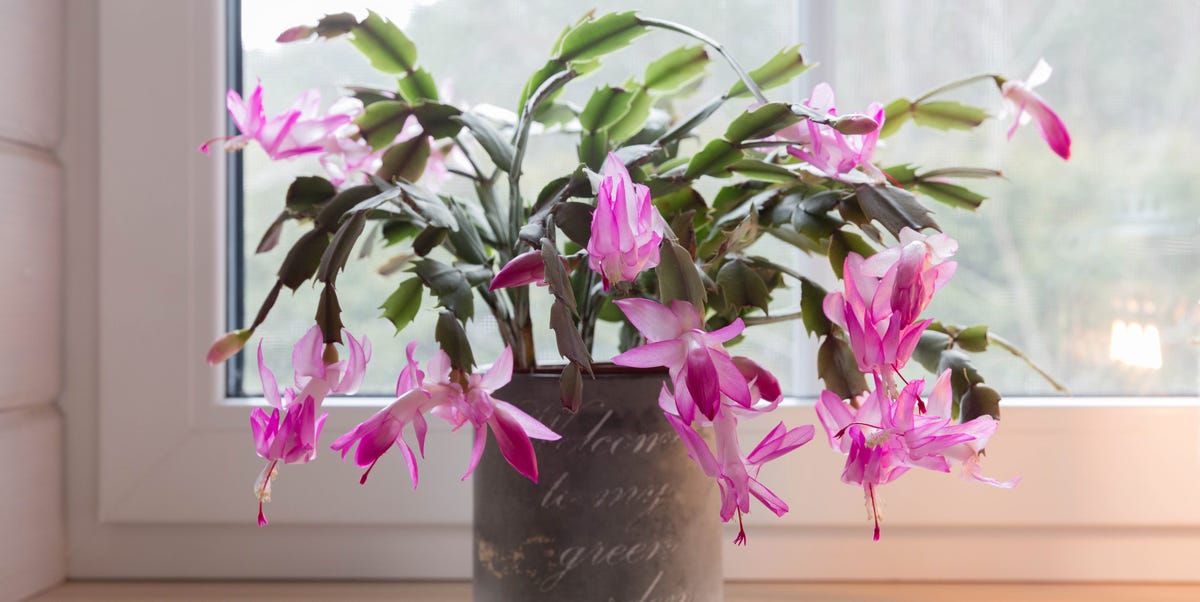
If you have ever squinted at a holiday cactus in a garden center and thought, “That looks festive, mysterious, and slightly judgmental,” you are not alone. Plenty of plant lovers bring home a so-called Christmas cactus only to learn later that it is actually a Thanksgiving cactus wearing the botanical equivalent of a fake mustache. The good news is that these two plants are close cousins, both beautiful, and both fairly easy to grow. The even better news is that once you know what to look for, telling them apart becomes much easier.
Understanding the differences between Thanksgiving and Christmas cacti matters for more than plant trivia night. Correct identification helps you predict bloom time, understand growth habits, and care for the plant with more confidence. It also helps explain why your “Christmas cactus” insists on showing off in November like an eager kid in a holiday pageant. In this guide, we will break down the botanical differences, explain why stores mix them up, and share practical care tips so your holiday cactus can thrive for years.
The Quick Answer: What Makes Them Different?
The biggest difference between Thanksgiving cactus and Christmas cactus is not just when they bloom. Their stem segments, flowers, and overall shape are different too. Thanksgiving cactus usually has sharper, claw-like projections on each flattened stem segment, while Christmas cactus has softer, rounded, scalloped edges. That one detail solves most identification mysteries in about three seconds.
| Feature | Thanksgiving Cactus | Christmas Cactus |
|---|---|---|
| Botanical name | Schlumbergera truncata | Schlumbergera × buckleyi |
| Typical bloom season | Late fall to early winter, often around Thanksgiving | Late December into winter, often around Christmas |
| Stem segment edges | Pointed, toothed, or claw-like | Rounded or scalloped |
| Flower habit | More horizontal, slightly angular appearance | More drooping, softer appearance |
| Typical growth habit | More upright at first | More arching and cascading |
| Common retail reality | Frequently sold as “Christmas cactus” | Less commonly sold in true form |
Why These Holiday Cacti Get Confused So Often
Part of the confusion comes from the fact that both plants belong to the same group of tropical cacti. They are not desert cacti from a scene with tumbleweeds and cowboy music. They are epiphytic cacti, meaning they naturally grow in humid forests, often perched on trees or tucked into organic debris rather than rooted in dry sand. That alone surprises many people. A cactus that likes humidity sounds like a plot twist, but here we are.
The second reason for confusion is the retail calendar. Growers often force holiday cacti into bloom for seasonal sales, so bloom time is not always a perfect clue. On top of that, Thanksgiving cactus is more common in stores and has traits that make it easier to ship and sell. So the label may say “Christmas cactus,” but the plant itself may politely disagree.
Botanical Differences Between Thanksgiving and Christmas Cacti
1. Stem Segments Tell the Story Fastest
If you remember only one thing, remember the edges of the segments. These flattened green parts look like leaves, but they are actually modified stems. On a Thanksgiving cactus, the margins are pointed and toothed. Many gardeners compare them to crab claws, which is why the plant is also called crab cactus. The tips look sharper, more angular, and a little more dramatic.
On a true Christmas cactus, the segments are rounded and scalloped. Instead of little teeth, the edges have a softer, curved outline. The overall look is gentler and more relaxed, like the plant has no interest in rushing into the holidays before the leftovers from Thanksgiving are even gone.
Here is a simple example. If your plant has flat green segments that look like tiny paddles with little spikes at the edges, it is probably a Thanksgiving cactus. If the paddles look smoother and more rounded, it is much more likely a Christmas cactus.
2. Flowers Look Similar, but Not Identical
Both plants produce tubular flowers in showy shades of pink, red, white, peach, salmon, purple, and more. At first glance, they can seem nearly identical. But a closer look reveals subtle clues. Thanksgiving cactus flowers often appear a bit more horizontal and angular. Christmas cactus flowers tend to hang more gracefully, giving the whole plant a softer, more cascading look.
Another useful detail is the anther color, which refers to the pollen-bearing part of the flower. Thanksgiving cactus commonly has yellow anthers. Christmas cactus usually has darker anthers in purplish or brownish shades. This is not the first feature most people notice, but it can be a helpful tie-breaker when the plant is in bloom.
3. Bloom Timing Is Helpful, but Not Foolproof
Under natural conditions, Thanksgiving cactus usually blooms earlier, often in late November through early December. Christmas cactus typically blooms later, around late December and sometimes into January or beyond. That difference in bloom schedule is how the plants got their common names in the first place.
However, bloom timing can be manipulated by light and temperature. Commercial growers know exactly how to encourage buds for holiday sales. So while timing is a clue, it should not be your only clue. A plant blooming in November with pointed segments is almost certainly Thanksgiving cactus. A plant blooming around Christmas with rounded segments is a stronger candidate for a true Christmas cactus. But if the label is vague and the bloom timing seems off, trust the plant’s shape more than the marketing tag.
4. Their Growth Habits Feel Different
Thanksgiving cactus often starts out with a more upright habit, especially when young. Christmas cactus usually develops a more arching, draping form that looks lovely in hanging baskets. This difference is subtle at first, but mature plants make it easier to see. A true Christmas cactus often looks more relaxed and flowing, while Thanksgiving cactus can look slightly more structured.
This matters if you are styling plants indoors. If you want a fuller tabletop display, a Thanksgiving cactus may give you that look sooner. If you dream of a graceful heirloom plant spilling over the edge of a pot, a Christmas cactus has serious main-character energy.
Why Most “Christmas Cactus” Plants Are Actually Thanksgiving Cactus
This is one of the funniest little scandals in houseplant culture. Many plants sold as Christmas cactus are actually Thanksgiving cactus or hybrids that lean strongly in that direction. Garden centers are not necessarily trying to start botanical drama. They are using the name people recognize. “Holiday cactus” would be more accurate, but “Christmas cactus” has better name recognition and sounds more familiar to shoppers.
Thanksgiving cactus also tends to be more widely available in modern commercial production. It handles shipping well, blooms reliably for the holiday market, and comes in a broad range of colors. So if you bought a “Christmas cactus” at a big-box store and it bloomed in November, congratulations: you probably own the plant equivalent of a seasonal celebrity with an alias.
Care Differences and Similarities
Here is the comforting part: while the differences between Thanksgiving and Christmas cacti matter for identification, their care is remarkably similar. You do not need one rulebook for November and another for December.
Light
Both plants prefer bright, indirect light. A spot near an east-facing window is often ideal. Too much harsh direct sun can bleach or stress the stems, while too little light can reduce blooming. These are forest cacti, not desert survivors. They want brightness without being roasted like a holiday chestnut.
Water
Unlike many desert cacti, holiday cacti like more regular moisture. The soil should be allowed to dry slightly between waterings, but the plant should not sit bone dry for long periods while actively growing or blooming. At the same time, soggy soil is a terrible idea. Wet roots can lead to rot, limp stems, and general houseplant heartbreak.
A practical approach is to water thoroughly, then wait until the top of the potting mix feels somewhat dry before watering again. During bloom, consistent moisture helps keep buds and flowers from dropping prematurely.
Soil and Potting
Both plants do best in a loose, well-drained potting mix with good aeration. They generally prefer being slightly pot-bound and do not need frequent repotting. In fact, many mature holiday cacti bloom better when they are not swimming in a giant container. Repotting every few years is usually enough, ideally in spring or early summer after flowering has finished.
Temperature and Reblooming
If you want these plants to rebloom, think cool nights and long uninterrupted darkness. Bud set is encouraged by shorter days or longer nights, along with cooler temperatures in fall. Artificial light at night can interfere with flowering, which means your cactus may not appreciate living in a room where someone binge-watches television until 1 a.m. every night under blazing lamps.
In practical terms, placing the plant in a bright room with cool nights and limited evening light exposure in fall can encourage bud formation. Once buds appear, avoid major changes in temperature, watering, or location. Holiday cacti are beautiful, but when loaded with buds they can be a bit dramatic.
Which One Is Better for Your Home?
This is less a battle and more a delightful tie. Thanksgiving cactus is often easier to find, easier to identify once you know the clawed edges, and likely to bloom for the holiday season when many people want color indoors. Christmas cactus has a softer, classic form and a later bloom period that feels especially magical during the winter holidays.
If you love neat botanical distinctions, you may want both. If you simply want a forgiving flowering houseplant with personality, either choice works. The bigger concern is buying from a seller who labels plants clearly if you care about owning a true Christmas cactus. Otherwise, you may think you adopted one holiday and accidentally brought home another.
Common Mistakes People Make
- Assuming every holiday cactus is a Christmas cactus.
- Using desert cactus care, which is usually too dry for these forest species.
- Placing them in harsh direct sun for long periods.
- Overwatering and leaving the pot in standing water.
- Expecting rebloom without giving the plant cool nights and enough uninterrupted darkness.
- Moving the plant too much once buds form, which can lead to bud drop.
The simplest way to avoid mistakes is to identify the plant by its stem shape first, then follow a balanced care routine instead of extreme drought treatment. These plants are not trying to be difficult. They are just from a rainforest and would like everyone to remember that small detail.
Experiences Related to Thanksgiving and Christmas Cacti
One of the most interesting parts of owning holiday cacti is how often they become memory plants. People rarely talk about them the way they talk about disposable seasonal decor. Instead, they talk about the one their grandmother kept in the dining room for twenty years, or the cutting they received from a neighbor who insisted, with great confidence, that it was a Christmas cactus even though it bloomed every Thanksgiving like clockwork. These plants have a funny way of entering family stories along with recipes, ornaments, and debates about whether anyone really needs that much pie.
A common experience is discovering a case of mistaken identity. Someone buys a “Christmas cactus” in November because it is covered in buds. It opens beautifully before the turkey is even gone, and the owner realizes the label may have been more optimistic than accurate. At first, this feels like a minor betrayal. Then it becomes part of the charm. The plant did not do anything wrong. It simply showed up early and told the truth with its stem segments.
Another shared experience is the yearly rebloom challenge. During the first season, the plant often flowers easily because it was already prepared by the grower. The second year is when owners discover that holiday cacti have opinions. A plant may grow well all spring and summer, look healthy, and still refuse to bloom if it gets too much light at night in fall. Many people learn this after keeping their cactus in a bright family room where lamps, televisions, and kitchen lights stay on until bedtime. The plant survives just fine, but flowers never appear. Then the owner moves it to a cooler room the next autumn, and suddenly it blooms like it has been waiting to make a point.
There is also the experience of inheriting an old plant. Mature holiday cacti can become surprisingly large, with woody bases and arching stems that make them look more like family heirlooms than trendy houseplants. Owners often describe them as dependable companions. They may not bloom on command every single year, but they stick around, recover from occasional neglect, and reward patience. A slightly battered holiday cactus on a windowsill can still burst into elegant flowers, which feels oddly encouraging in a world where many things are less resilient.
For beginner plant owners, the biggest lesson usually comes from watering. People either love them too much or ignore them too thoroughly. One person keeps the soil constantly wet and wonders why the stems look limp. Another treats it like a desert cactus and waits far too long between waterings, only to watch buds drop. With experience, most owners find the middle path: evenly moist during active growth and bloom, a bit drier during rest, but never swampy and never dust-dry for ages. Once that rhythm clicks, the plant becomes much easier to read.
Perhaps the best experience, though, is the moment you can identify one on sight. After learning the difference between Thanksgiving and Christmas cacti, you start spotting those clawed segments or rounded scallops instantly. It feels like joining a secret club for people who notice botanical details in grocery stores and hardware aisles. Suddenly the holiday cactus table at the nursery is not just a blur of pink and red flowers. It is a lineup of personalities. And that small shift, from casual buyer to informed observer, makes the whole plant hobby even more enjoyable.
Final Thoughts
The differences between Thanksgiving and Christmas cacti come down to more than holiday timing. Thanksgiving cactus usually has pointed, crab-claw-like stem segments, tends to bloom earlier, and is commonly sold under the wrong name. Christmas cactus has smoother, rounded segments, a more cascading habit, and often blooms later in the season. Once you know those clues, identifying them becomes much easier.
Both plants are excellent houseplants with long lives, beautiful blooms, and a habit of becoming part of holiday traditions. Whether you own a true Christmas cactus, a Thanksgiving cactus, or a hybrid somewhere in between, the real victory is enjoying a healthy plant that brightens the darker months. And if yours turns out to have the wrong label, do not worry. It is still festive, still fabulous, and still entitled to a good spot by the window.