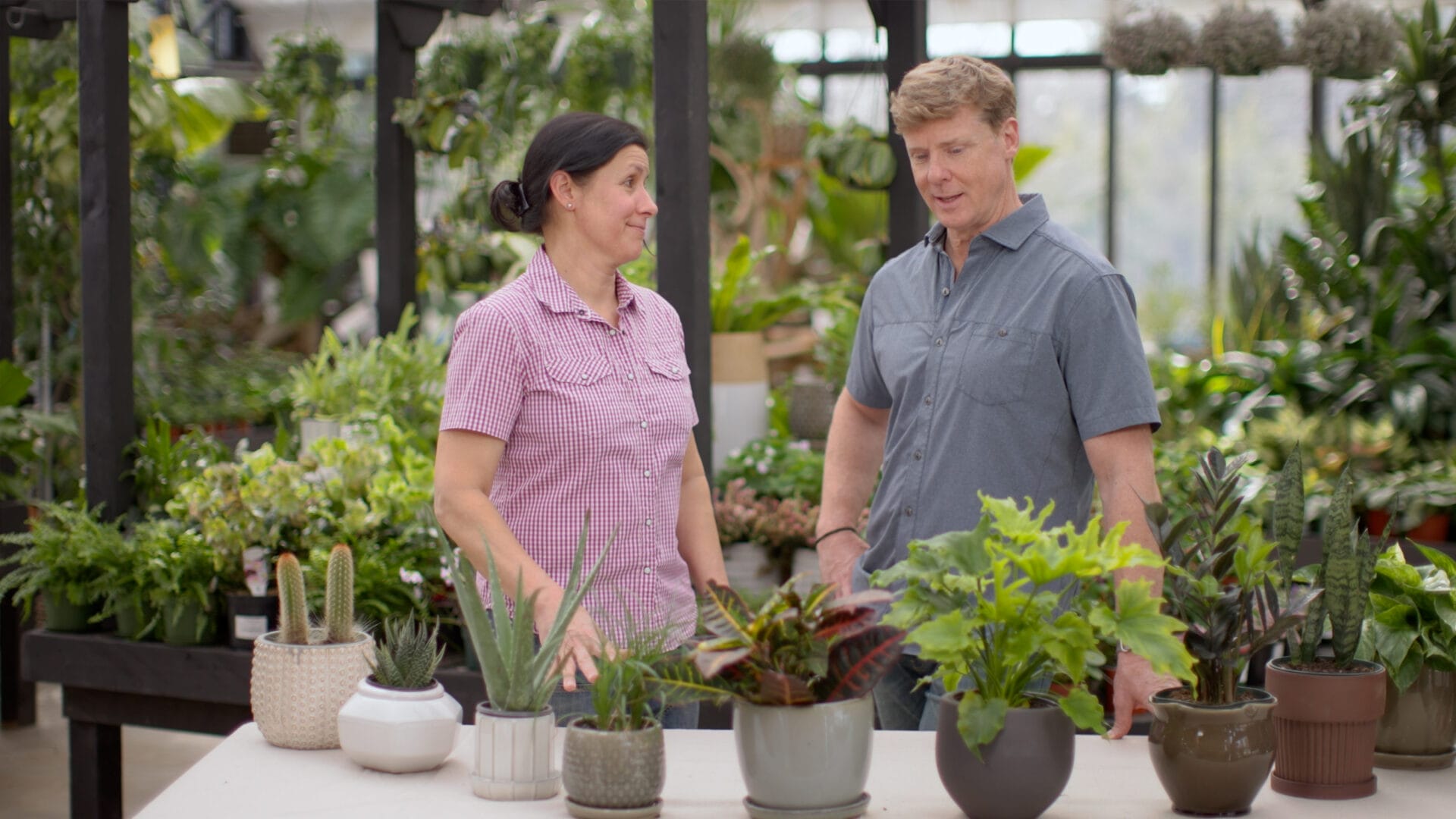
Choosing indoor plants is a little like choosing roommates. Some are cheerful in a dim corner, some demand the sunniest seat in the house, and some dramatically wilt if you look at them with a dry watering can. The good news? There is a perfect plant for almost every light level, from a north-facing apartment window to a bright sunroom that feels one iced tea away from becoming a greenhouse.
The secret is not buying the prettiest plant on the shelf and hoping your living room becomes a tropical rainforest by sheer optimism. The secret is matching the plant to the light you actually have. Indoor light is usually much weaker than outdoor light, even when a room looks bright to human eyes. Plants notice the difference. They are not fooled by vibes, lampshades, or your excellent taste in curtains.
This guide breaks down the best indoor plants for every light level: low light, medium light, bright indirect light, and direct sun. You will also learn how to read your windows, spot light stress, water smarter, and avoid turning your plant collection into a leafy soap opera.
How to Understand Indoor Light Before Buying Plants
Before we start naming names, let’s translate plant-shop language into normal human language. “Low light” does not mean “no light.” No houseplant wants to live in a closet unless it is made of plastic and has emotional support from dust. Low light usually means a room with a north-facing window, a spot several feet away from an east or west window, or a space where sunlight never directly touches the leaves.
Medium light usually means bright daylight without harsh sunbeams, often near east-facing windows or a few feet back from west or south windows. Bright indirect light is the sweet spot for many tropical houseplants: plenty of brightness, but filtered through curtains, distance, trees, or angle. Direct sun means actual rays land on the plant, often from a south- or west-facing window.
Quick Window Guide
- North-facing windows: Lowest natural light, best for tolerant foliage plants.
- East-facing windows: Gentle morning light, excellent for many tropical houseplants.
- West-facing windows: Stronger afternoon light, good for bright-light plants if heat is controlled.
- South-facing windows: Brightest exposure, ideal for sun-loving plants, succulents, and herbs.
Season matters too. A sunny window in June may become a gloomy little cave in December. Curtains, overhangs, trees, tinted glass, nearby buildings, and even how far the plant sits from the window can change the light dramatically. When in doubt, watch shadows. A crisp shadow means bright light. A soft shadow means medium light. No real shadow means low light.
Best Indoor Plants for Low Light
Low-light plants are the patient friends of the indoor garden world. They grow slowly, forgive imperfect conditions, and generally do not make dramatic demands. However, even the toughest low-light houseplants look better when they get some natural daylight. Think of low light as “survival and steady growth,” not “plant spa vacation.”
1. Snake Plant
The snake plant is one of the best indoor plants for low light because it tolerates neglect with the confidence of a plant that has seen things. Its upright, sword-like leaves add structure to bedrooms, offices, entryways, and corners that need something more exciting than a laundry basket.
Snake plants prefer bright indirect light but can handle low light better than many houseplants. Water only when the soil is dry. Overwatering is the fastest way to make a snake plant regret moving in with you. One important note: snake plants are considered toxic to cats and dogs if ingested, so pet owners should place them carefully or choose a safer alternative.
2. ZZ Plant
The ZZ plant is glossy, architectural, and almost suspiciously easy. It tolerates low light, dry indoor air, and forgetful watering. Its thick rhizomes store water, which means it would rather be a little dry than constantly damp.
This plant is ideal for offices, hallways, and modern living rooms. If your home has a “plant graveyard corner,” try a ZZ plant there before giving up and installing a ceramic cactus. Keep it out of direct hot sun, which can scorch the leaves, and let the soil dry well between waterings.
3. Pothos
Pothos is the golden retriever of houseplants: friendly, adaptable, and happy to trail around the room. It grows in low to medium light, though variegated varieties need more brightness to keep their color. In very low light, pothos may grow slowly and produce smaller leaves, but it often keeps going like a leafy little marathoner.
Use pothos on shelves, hanging baskets, bookcases, or anywhere you want a casual vine effect. Water when the top inch or two of soil feels dry. Pothos is toxic to pets if chewed, so keep those tempting vines away from curious cats and dogs.
4. Cast Iron Plant
The cast iron plant has earned its name. It tolerates low light, inconsistent watering, and the kind of indoor conditions that make fussier plants file a formal complaint. Its broad, dark green leaves bring a classic, elegant look to shaded corners.
This is a strong choice for beginners, frequent travelers, or anyone who wants a plant but not a second job. It grows slowly, so do not expect instant jungle energy. Instead, expect calm, reliable greenery that asks for very little and gives back plenty.
5. Chinese Evergreen
Chinese evergreen is another top low-light indoor plant, especially for people who want decorative foliage without high-maintenance drama. Many varieties have silver, green, pink, or cream patterns that brighten darker rooms.
It does best in low to medium indirect light and prefers evenly moist soil, though it should never sit in water. Avoid cold drafts and sudden temperature changes. If your room is dim but not dark, Chinese evergreen can be a beautiful, forgiving choice.
Best Indoor Plants for Medium Light
Medium light is the happy middle ground. Many of the best indoor plants thrive here because they receive enough brightness to grow well without being blasted by direct sun. If you have an east-facing window or a bright room where sunlight is filtered, you have prime plant real estate.
1. Peace Lily
Peace lilies are famous for their deep green leaves and elegant white blooms. They adapt to lower light, but medium indirect light usually gives better growth and more flowers. If your peace lily refuses to bloom, it may not be mad at you; it may simply want more light.
Water when the top layer of soil begins to dry. Peace lilies are expressive plants. When thirsty, they droop like Victorian poets. Fortunately, they usually perk back up after watering. They are toxic to pets if ingested, so choose carefully in pet-friendly homes.
2. Heartleaf Philodendron
Heartleaf philodendron is a classic indoor plant with trailing green leaves and an easygoing nature. It performs well in medium indirect light and tolerates lower light better than many decorative vines.
This plant works beautifully in hanging baskets, wall planters, and shelves. Pinch stems occasionally to encourage fuller growth. Let the top inch of soil dry before watering. Like many aroids, it is toxic to pets if chewed.
3. Spider Plant
Spider plants are cheerful, striped, and wonderfully forgiving. They prefer bright to medium indirect light, but they can tolerate a range of indoor conditions. Their baby plantlets make them especially fun for beginners, children, classrooms, and anyone who enjoys free plants dangling from the parent plant like tiny green fireworks.
Spider plants like evenly moist soil but can handle occasional dryness. Brown leaf tips are common and may come from dry air, mineral-heavy water, or inconsistent watering. The plant is still probably fine; it is just being honest about your tap water.
4. Bird’s Nest Fern
Bird’s nest fern has wavy, bright green fronds that bring soft texture to medium-light spaces. It prefers humidity, indirect light, and soil that stays lightly moist but not soggy. Bathrooms with windows can be excellent locations.
Avoid pouring water directly into the center of the rosette, where moisture can sit and cause problems. Instead, water the soil around the plant. This fern is a strong choice if you want a lush tropical look without the delicate mess of some finer-leaved ferns.
5. Prayer Plant
Prayer plants are known for patterned leaves that fold upward at night. They thrive in medium indirect light and appreciate humidity. Too much direct sun can fade or scorch their leaves, while too little light can slow growth and dull the patterns.
Keep the soil lightly moist, use a well-draining potting mix, and avoid letting the plant dry out completely for long periods. Prayer plants can be a bit more particular than pothos or snake plants, but their dramatic foliage is worth the extra attention.
Best Indoor Plants for Bright Indirect Light
Bright indirect light is the houseplant jackpot. It is bright enough to support strong growth but gentle enough to avoid burning tropical foliage. Many popular indoor plants come from forest understories, where they receive filtered sunlight rather than harsh open-sky exposure.
1. Monstera Deliciosa
Monstera deliciosa loves bright indirect light and enough room to stretch. With the right conditions, its leaves develop dramatic splits and holes, known as fenestrations. In low light, monstera may survive, but it often produces smaller, less dramatic leaves. Basically, it becomes a shy version of itself.
Place it near a bright window with filtered light. Water when the top one to two inches of soil are dry. Provide a moss pole or support if you want larger, more upright growth. Monstera is toxic if ingested, so keep it away from pets and children who treat plants like salad bars.
2. Fiddle Leaf Fig
The fiddle leaf fig is gorgeous, sculptural, and slightly famous for being particular. It wants bright indirect light, consistent watering, and minimal relocation. Move it too often and it may drop leaves like it is making a point.
Place it near a bright window, rotate it occasionally for even growth, and water when the top few inches of soil dry out. Avoid cold drafts, soggy soil, and dark corners. This is not the best beginner plant, but in the right light it can become a stunning indoor tree.
3. Rubber Plant
Rubber plants have glossy leaves and a bold upright habit. They grow best in bright indirect light but can tolerate medium light. Variegated types need brighter conditions to maintain their cream or pink patterns.
Let the soil partly dry before watering, and wipe leaves occasionally so they can absorb light efficiently. Rubber plants are excellent for living rooms, bedrooms, and offices where you want a dramatic plant that does not require constant fussing.
4. Hoya
Hoyas are charming trailing plants with thick, waxy leaves. Many varieties produce clusters of fragrant flowers when mature and happy. They prefer bright indirect light and can tolerate some gentle direct sun, especially morning light.
Let the potting mix dry between waterings. Hoyas dislike staying wet, and they often bloom better when slightly pot-bound. Do not cut off the flower spurs after blooming; future flowers may appear from the same spots.
5. Peperomia
Peperomias are compact, varied, and perfect for desks, shelves, and small apartments. Many types prefer bright indirect light, though they can adapt to medium light. Their semi-succulent leaves mean they do not want soggy soil.
Water lightly and allow the top layer of soil to dry. Peperomia is a great choice for plant lovers who want interesting foliage without dedicating half the living room to a botanical empire.
Best Indoor Plants for Direct Sun and Very Bright Light
Direct sun is not for every houseplant. Many tropical foliage plants burn when placed in intense sunlight, especially through hot glass. But some indoor plants love bright windows and will sulk without enough rays. If you have a south-facing window or a sunny west-facing spot, these plants are ready for their spotlight.
1. Aloe Vera
Aloe vera is a bright-light favorite with fleshy leaves and a tidy shape. It prefers strong light and well-draining soil. A sunny window is usually ideal. If aloe becomes stretched, pale, or floppy, it probably wants more light.
Water deeply but infrequently, allowing the soil to dry before watering again. Aloe is drought-tolerant but not invincible, and overwatering can quickly rot the roots. It is also toxic to pets if ingested.
2. Jade Plant
Jade plant is a sturdy succulent with thick, oval leaves and a miniature-tree look. It thrives in bright light and can handle some direct sun indoors. With enough light, it grows compact and strong. In weak light, it stretches and becomes leggy.
Use a well-draining mix and a pot with drainage holes. Water when the soil is dry. Jade plants can live for many years, making them a good choice for people who want a long-term plant companion rather than a seasonal fling.
3. Echeveria
Echeverias are rosette-forming succulents that need very bright light to keep their compact shape and beautiful color. Without enough sun, they stretch upward in a desperate search for brightness, which is both sad and slightly relatable during winter.
Place echeverias in the brightest window you have or use a grow light. Water sparingly and keep the crown dry. These plants are best for sunny windowsills, not dim coffee tables.
4. Cacti
Most desert cacti need abundant light, excellent drainage, and careful watering. They do well in south- or west-facing windows where many leafy tropical plants would complain. During active growth, water when the soil dries thoroughly. During winter, many cacti need even less water.
Cacti are not all the same, so read the label when possible. Still, the general rule is simple: bright light, gritty soil, drainage holes, and no loving them to death with daily watering.
5. Indoor Herbs
Many herbs, including basil, rosemary, thyme, and oregano, need strong light indoors. A south-facing window is helpful, but supplemental grow lights often make the difference between a lush herb garden and three sad stems leaning toward the window like they are trying to escape.
Herbs also need good air circulation, drainage, and regular harvesting. Snipping herbs encourages fuller growth and also improves dinner, which is the kind of multitasking we can all support.
How to Match Plants to Rooms
Best Plants for Bedrooms
Bedrooms often have moderate to low light, making snake plant, ZZ plant, pothos, Chinese evergreen, and philodendron good options. If the bedroom has a bright east-facing window, add prayer plant, spider plant, or peperomia.
Best Plants for Bathrooms
Bathrooms with windows are great for humidity-loving plants. Try bird’s nest fern, Boston fern, prayer plant, calathea, or peace lily. Without a window, choose a grow light or skip living plants. Steam alone does not power photosynthesis, unfortunately.
Best Plants for Living Rooms
Living rooms often offer the most space and best light. In bright indirect light, try monstera, rubber plant, fiddle leaf fig, hoya, or large philodendrons. In lower light living rooms, choose cast iron plant, ZZ plant, snake plant, or pothos.
Best Plants for Kitchens
Kitchens can support herbs if the light is strong enough. For medium light, spider plant, peperomia, pothos, and hoya are attractive choices. Keep plants away from hot stoves, cold drafts, and fruit bowls that attract fungus gnats.
Signs Your Plant Is Getting the Wrong Light
Plants are quiet, but they are not mysterious. They give clues. If a plant is not getting enough light, it may grow slowly, lean toward the window, produce smaller leaves, lose variegation, or become long and leggy. Soil may also stay wet too long because the plant is not using water quickly.
Too much light looks different. Leaves may develop brown crispy patches, faded color, bleached spots, curled edges, or sudden wilting during the hottest part of the day. A plant that was fine in winter may burn in spring when sunlight becomes stronger.
When moving plants into brighter light, do it gradually. A plant that has spent months in low light can scorch if suddenly placed in direct sun. Think of it like going from a movie theater to a beach at noon. Nobody looks graceful in that transition.
Watering Changes by Light Level
Light and water are connected. Plants in bright light usually grow faster and use water more quickly. Plants in low light grow slowly and need less water. This is why a watering schedule like “every Saturday” can cause trouble. Your plant does not own a calendar. It responds to soil moisture, temperature, light, pot size, and season.
Always check the soil before watering. For many indoor plants, watering when the top inch or two feels dry is safer than watering on autopilot. Succulents and cacti should dry more thoroughly. Ferns and prayer plants prefer more consistent moisture. Drainage holes are essential, because roots need oxygen as much as they need water.
When to Use Grow Lights
Grow lights are useful when natural light is limited, especially during winter or in apartments with poor window exposure. They can help herbs, succulents, seedlings, and bright-light tropical plants stay compact and healthy.
Most indoor plants benefit from a consistent light period rather than random all-night illumination. Many setups use 12 to 14 hours of supplemental light daily, with a dark rest period. Place lights close enough to be useful but not so close that they overheat or scorch foliage. LED grow lights are popular because they are efficient, widely available, and suitable for many home setups.
Pet Safety and Indoor Plants
Many popular indoor plants are not pet-safe, including pothos, peace lily, snake plant, monstera, ZZ plant, aloe, and jade plant. Toxicity varies, but chewing these plants can cause irritation or illness in cats and dogs. If you have pets who nibble greenery, research every plant before buying it.
Pet-friendlier options often include spider plant, Boston fern, many peperomias, certain palms, and some prayer plants. Even non-toxic plants can cause stomach upset if eaten in large amounts, so placement still matters. Hanging baskets, plant stands, closed rooms, and bitter deterrents can help, but the safest choice is selecting plants that fit both your light level and your household.
Common Mistakes When Choosing Indoor Plants
Buying for Looks Only
A beautiful plant in the wrong light will not stay beautiful for long. Always check light needs before buying. The goal is not just to bring home a plant; the goal is to keep it looking good after the first photo.
Calling Every Dark Corner “Low Light”
Low light still means usable light. If you cannot comfortably read a book in the spot during the day without turning on a lamp, most living plants will struggle there.
Overwatering Low-Light Plants
Low-light plants use water slowly. If soil stays wet for too long, roots can rot. Less light usually means less frequent watering.
Forgetting Seasonal Changes
A plant that thrives in summer may need to move closer to a window in winter. Watch growth, soil drying time, and leaf color as seasons shift.
Personal Experience: What Actually Works When Growing Indoor Plants by Light Level
After helping many plant owners troubleshoot sad houseplants, one pattern appears again and again: people usually overestimate their light and underestimate their watering. A room can feel bright because the walls are white and the furniture looks cheerful, but the plant sitting ten feet from the window may be living in botanical twilight. The plant does not care that the room has good vibes. It wants usable light.
The easiest habit is to test a spot before assigning a plant to it. Place your hand where the plant will sit during the brightest part of the day. If your hand casts a strong shadow, that spot can probably support bright-light plants. If the shadow is soft but visible, it is great for medium-light tropical plants. If there is almost no shadow, choose low-light tolerant plants and water carefully.
One of the most reliable low-light setups is a ZZ plant or snake plant in a simple nursery pot placed inside a decorative cachepot. This gives you style without sacrificing drainage. Every two or three weeks, lift the nursery pot and check the weight. If it still feels heavy, wait. This one habit prevents a surprising number of plant funerals.
For medium light, spider plants and heartleaf philodendrons are excellent confidence-builders. They show visible growth, recover from small mistakes, and can be propagated easily. A spider plant in an east-facing kitchen window is almost unfairly rewarding. It grows, produces babies, and makes you feel like a plant genius before breakfast.
Bright indirect light is where bigger statement plants shine. Monstera, rubber plant, and hoya all become more impressive when they receive enough brightness. The trick is consistency. Do not move them every week searching for perfection. Choose a strong spot, rotate the pot occasionally, and let the plant adjust. Plants dislike chaos. They are basically introverts with roots.
For direct sun, the most successful approach is to stop treating succulents like leafy tropicals. Succulents and cacti want bright light, quick drainage, and long pauses between watering. A succulent in a dim room will stretch no matter how lovingly you speak to it. A cactus in wet soil will rot no matter how cute the pot is. Light and drainage matter more than decorative gravel, motivational speeches, or tiny ceramic mushrooms.
Grow lights are not cheating. They are practical. A small LED grow light can turn a dim shelf into a useful plant zone, especially for herbs, succulents, and winter care. The best results usually come from using a timer. Plants like routine, and humans like not remembering one more thing before coffee.
The final lesson is to start small. Choose one plant for one light level, learn how quickly the soil dries, and watch how new growth behaves. When that plant is stable, add another. Indoor gardening becomes much easier when you stop collecting plants like souvenirs and start placing them like living design pieces with specific needs.
Conclusion
The best indoor plants for every light level are not always the trendiest plants online. They are the plants that match your actual home. Low-light rooms do well with ZZ plant, snake plant, pothos, cast iron plant, and Chinese evergreen. Medium-light spaces welcome peace lily, spider plant, philodendron, bird’s nest fern, and prayer plant. Bright indirect light supports monstera, rubber plant, hoya, peperomia, and fiddle leaf fig. Direct sun belongs to aloe, jade plant, echeveria, cacti, and many herbs.
Once you understand your light, houseplant care becomes far less mysterious. Choose the right plant, water according to conditions, adjust for seasons, and remember that “low maintenance” does not mean “zero maintenance.” With the right match, your home can become greener, fresher, and slightly more smug in the best possible way.
Note: Indoor plant performance varies by window direction, distance from glass, seasonal light changes, humidity, potting mix, and watering habits. Always check pet safety before bringing a new plant into a home with cats or dogs.