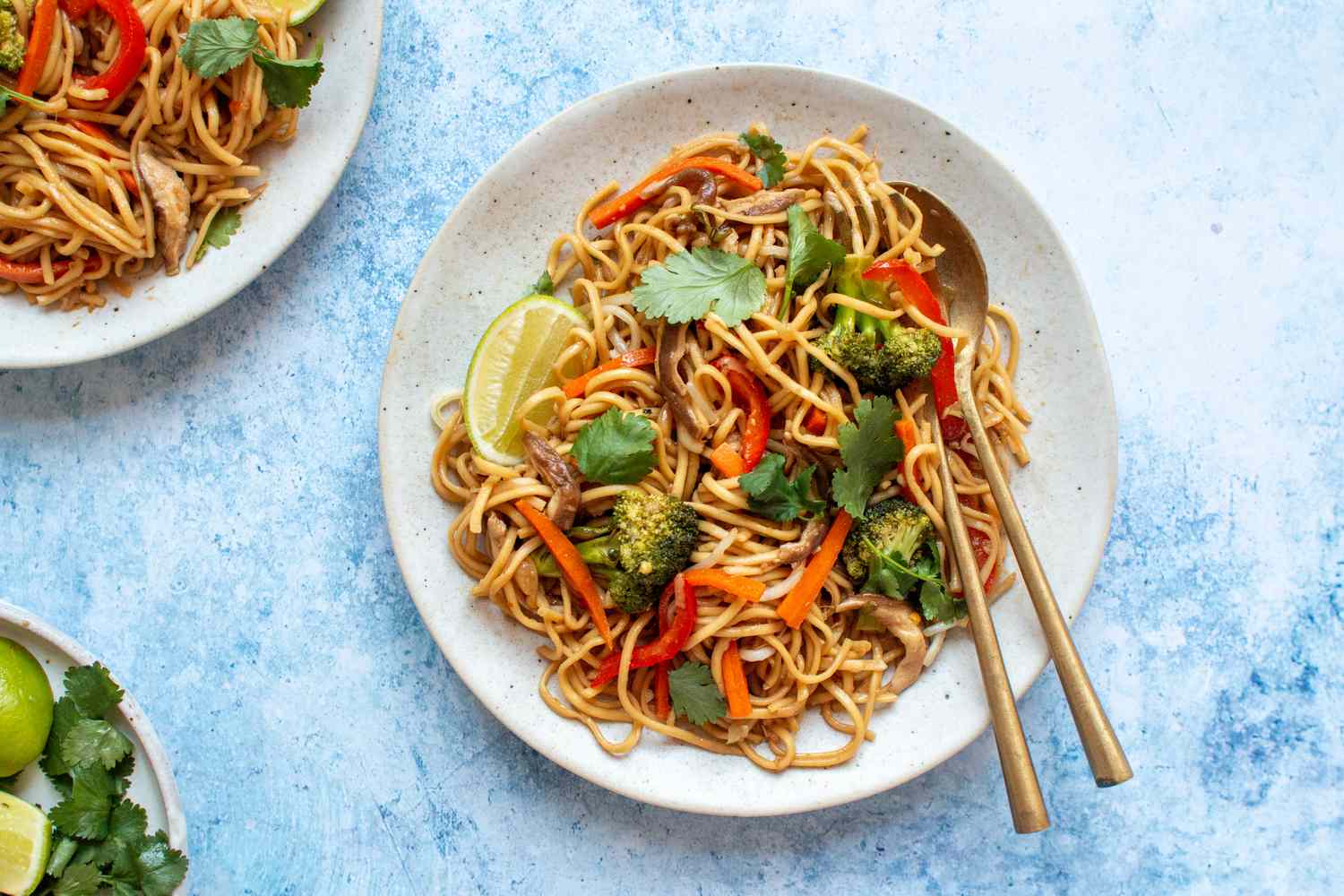
If dinner had a “save me from boring food” button, it would probably look like a hot wok full of Thai stir-fried noodles with vegetables. This dish is fast, colorful, flexible, and loaded with the kind of sweet-salty-tangy flavor that makes takeout jealous. Best of all, you do not need a restaurant kitchen, a culinary degree, or a wok that has been passed down through seven generations. A large skillet, a good sauce, and a little confidence will do the job beautifully.
This Thai stir-fried noodles recipe with vegetables is inspired by the flavors of classic Thai noodle dishes such as pad see ew, pad Thai, and vegetable stir-fry noodles. It uses rice noodles, crisp-tender vegetables, garlic, a balanced sauce, and optional tofu or egg for extra protein. The result is a weeknight-friendly meal that tastes fresh, satisfying, and just a little dramaticin the best possible noodle-slurping way.
Why You’ll Love This Thai Vegetable Noodle Recipe
Thai stir-fried noodles are popular for a reason: they deliver big flavor quickly. The noodles soak up sauce, the vegetables stay bright and crisp, and the dish can move from cutting board to table in about 30 minutes. It is also easy to customize. Want it vegetarian? Use soy sauce and vegetarian oyster sauce. Want more protein? Add tofu, egg, shrimp, chicken, or edamame. Want it spicy enough to make your eyebrows question your decisions? Add chili paste or fresh Thai chiles.
The secret is balance. Thai cooking often plays with salty, sweet, sour, spicy, and savory flavors in one dish. In this recipe, soy sauce or fish sauce brings saltiness, brown sugar adds a mellow sweetness, lime juice or tamarind adds tang, garlic gives aroma, and chili adds heat. The vegetables provide freshness, crunch, and color. It is a full meal, not just noodles wearing a vegetable hat.
Ingredients for Thai Stir-Fried Noodles With Vegetables
Main Ingredients
- 8 ounces flat rice noodles or pad Thai-style rice noodles
- 2 tablespoons neutral oil, such as avocado, canola, or peanut oil
- 3 cloves garlic, minced
- 1 small shallot, thinly sliced
- 1 cup broccoli florets, cut small
- 1 cup carrots, julienned or thinly sliced
- 1 red bell pepper, thinly sliced
- 1 cup mushrooms, sliced
- 1 cup bean sprouts
- 2 scallions, cut into 1-inch pieces
- 1/2 cup Thai basil, cilantro, or a mix of both
- 1 lime, cut into wedges
- 1/4 cup roasted peanuts or cashews, chopped
Optional Protein Add-Ins
- 1 cup extra-firm tofu, pressed and cubed
- 2 eggs, lightly beaten
- 1 cup cooked shrimp
- 1 cup thinly sliced cooked chicken
Thai Stir-Fry Sauce
- 3 tablespoons low-sodium soy sauce
- 1 tablespoon vegetarian oyster sauce or regular oyster sauce
- 1 tablespoon fish sauce, optional
- 1 tablespoon brown sugar or palm sugar
- 1 tablespoon lime juice or tamarind paste
- 1 teaspoon rice vinegar
- 1 teaspoon chili garlic sauce, sriracha, or Thai chili paste
- 1 teaspoon toasted sesame oil, optional
- 2 tablespoons water
How to Make Thai Stir-Fried Noodles With Vegetables
Step 1: Soak the Rice Noodles
Prepare the rice noodles according to the package directions. Most dried rice noodles should be soaked in hot water until flexible but not mushy. They should bend easily but still have a little bite because they will continue cooking in the pan. Drain well and toss with a few drops of oil to prevent sticking. Mushy noodles are not a tragedy, but they are a warning from the noodle universe: soak gently.
Step 2: Mix the Sauce
In a small bowl, whisk together soy sauce, oyster sauce, fish sauce if using, brown sugar, lime juice or tamarind, rice vinegar, chili sauce, sesame oil, and water. Taste it before cooking. It should be savory, lightly sweet, slightly tangy, and pleasantly bold. If it tastes too salty, add more lime juice or water. If it tastes too sharp, add a pinch more sugar. The sauce should taste stronger than you want the finished dish to taste because the noodles and vegetables will soften the flavor.
Step 3: Prepare the Vegetables
Cut all vegetables before heating the pan. Stir-frying moves quickly, and this is not the time to be calmly searching for a carrot while garlic is turning into tiny bitter confetti. Keep vegetables similar in size so they cook evenly. Broccoli should be cut small, carrots thin, peppers sliced, and mushrooms kept wide enough to brown instead of vanish.
Step 4: Stir-Fry the Aromatics
Heat a wok or large skillet over medium-high to high heat. Add oil, then add garlic and shallot. Stir for 15 to 30 seconds, just until fragrant. The goal is aroma, not garlic charcoal. If the pan seems too hot, lower the heat briefly.
Step 5: Cook the Vegetables
Add broccoli and carrots first because they need the most time. Stir-fry for 2 minutes. Add bell pepper and mushrooms, then cook for another 2 to 3 minutes. The vegetables should be crisp-tender: cooked, colorful, and still lively. If the pan gets too dry, add a splash of water instead of more oil.
Step 6: Add Protein if Using
If using tofu, pan-fry it separately until golden, then return it to the pan at this stage. If using eggs, push the vegetables to one side, add a little oil, pour in the beaten eggs, and scramble until softly set. If using cooked chicken or shrimp, add it now and toss briefly to warm through.
Step 7: Add Noodles and Sauce
Add the drained noodles to the pan. Pour the sauce over the top and toss gently with tongs. Stir-fry for 1 to 2 minutes, letting the noodles absorb the sauce. Use a lifting motion instead of aggressive stirring so the noodles do not break into sad little noodle confetti. Add bean sprouts and scallions during the final 30 seconds so they stay crisp.
Step 8: Finish and Serve
Remove the pan from heat. Add Thai basil or cilantro, a squeeze of lime, and chopped peanuts or cashews. Serve immediately while the noodles are glossy, warm, and still full of personality.
Best Vegetables for Thai Stir-Fried Noodles
One of the best things about this Thai vegetable noodle recipe is that it welcomes whatever produce is already in your refrigerator. Broccoli, carrots, bell peppers, mushrooms, bean sprouts, bok choy, snap peas, cabbage, zucchini, baby corn, and green beans all work well. The key is timing. Harder vegetables go in first, quick-cooking vegetables go in later, and delicate herbs go in after the heat is turned off.
For color and nutrition, aim for a mix of dark green, red, orange, and pale crunchy vegetables. Broccoli and bok choy bring green freshness, carrots add sweetness, bell peppers add brightness, mushrooms add savory depth, and bean sprouts add crunch. It is like building a vegetable orchestra, except everyone is playing in soy sauce.
Tips for Better Thai Stir-Fried Noodles
Use High Heat, But Stay Alert
Good stir-fried noodles need enough heat to lightly char the ingredients and evaporate excess moisture. A hot pan helps the sauce cling to the noodles instead of turning the dish watery. However, high heat also means ingredients cook fast, so keep everything ready before you begin.
Do Not Overcrowd the Pan
If your skillet is small, cook in batches. Overcrowding traps steam and makes vegetables limp. The goal is stir-fry, not vegetable sauna. Cook vegetables first, remove them if needed, then stir-fry the noodles with sauce and combine everything at the end.
Keep the Noodles Slightly Firm
Rice noodles can go from perfect to pudding-adjacent very quickly. Soak them until just pliable, then finish them in the pan. If they stick together, rinse briefly with cool water after soaking and drain very well.
Balance the Sauce
A great Thai noodle sauce should not taste flat. If it needs more depth, add oyster sauce or mushroom sauce. If it needs brightness, add lime. If it needs sweetness, add a little sugar. If it needs heat, add chili. Small adjustments can turn a good dish into “why did I ever order delivery?” territory.
Vegetarian and Vegan Options
To make this recipe vegetarian, skip the fish sauce and use vegetarian oyster sauce or mushroom stir-fry sauce. For a vegan version, skip the egg and choose tofu, tempeh, or edamame for protein. Many rice noodles are naturally gluten-free, but sauces may contain wheat, so use certified gluten-free tamari and gluten-free oyster-style sauce if needed.
Tofu is especially good here because it absorbs the sauce and adds texture. Press extra-firm tofu for 15 minutes, cube it, and pan-fry until golden before adding it to the noodles. The crispy edges soak up sauce like tiny flavor sponges, which is exactly the kind of teamwork we want at dinner.
What to Serve With Thai Stir-Fried Noodles
This dish is satisfying on its own, but it also pairs well with fresh cucumber salad, Thai-style lettuce cups, vegetable spring rolls, miso soup, or a simple side of steamed edamame. For a brighter plate, serve with extra lime wedges, sliced chiles, fresh herbs, and crushed peanuts at the table so everyone can customize their bowl.
If you are serving guests, set out small bowls of toppings: chopped peanuts, cilantro, Thai basil, chili flakes, lime wedges, and crispy fried shallots. It makes dinner feel festive without requiring you to fold napkins into swans.
Storage and Reheating Tips
Thai stir-fried noodles taste best right after cooking, but leftovers can still be delicious. Store cooled noodles in an airtight container in the refrigerator for up to 3 days. Reheat in a skillet over medium heat with a splash of water to loosen the sauce. Avoid overheating, which can make rice noodles break apart.
If you are meal prepping, keep the sauce, cooked vegetables, and soaked noodles separate until ready to stir-fry. This helps preserve texture and prevents the noodles from absorbing too much liquid in advance.
Common Mistakes to Avoid
Using Too Much Sauce
More sauce does not always mean more flavor. Too much liquid can make noodles soggy. Start with the amount listed, toss well, and add a small splash only if the noodles seem dry.
Skipping the Prep Work
Stir-frying is fast. Chop vegetables, mix sauce, soak noodles, and prepare toppings before the pan gets hot. Once cooking begins, you should be tossing, not measuring.
Cooking Everything at the Same Time
Different ingredients cook at different speeds. Add firm vegetables first, tender vegetables later, and herbs at the end. This simple timing trick makes the dish taste fresher and look more colorful.
Flavor Variations
For a pad Thai-inspired version, use tamarind paste, brown sugar, fish sauce or soy sauce, peanuts, bean sprouts, and lime. For a pad see ew-style version, use wide rice noodles, dark soy sauce, Chinese broccoli or bok choy, garlic, and egg. For a spicy drunken noodle-inspired twist, add Thai basil, fresh chiles, and a little extra chili garlic sauce.
You can also make a peanut vegetable noodle version by whisking 1 tablespoon of peanut butter into the sauce. Add a splash of warm water to loosen it, then finish with crushed peanuts and lime. It is creamy, nutty, and dangerously easy to eat straight from the pan while pretending you are “just tasting.”
Personal Cooking Experiences With Thai Stir-Fried Noodles With Vegetables
The first time many home cooks try Thai stir-fried noodles, they expect the process to be complicated because the flavor tastes so layered. Then they realize the magic is mostly preparation, heat, and balance. Once the noodles are soaked, the sauce is mixed, and the vegetables are sliced, the actual cooking is surprisingly quick. It feels almost too easy, like you accidentally discovered a shortcut in a video game.
One useful experience is learning how different noodles behave. Thin rice noodles cook quickly and work beautifully when you want a lighter, pad Thai-style dish. Wide rice noodles feel more luxurious and chewy, especially when they pick up a little caramelization in the pan. The first few attempts may include noodles sticking together, but that usually comes from over-soaking or not draining them well. A short soak, a cool rinse, and a gentle toss with a little oil can make a big difference.
Another lesson is that vegetables are not just filler. They shape the whole dish. Bell peppers add sweetness, carrots add crunch, mushrooms bring savory depth, broccoli makes the bowl feel hearty, and bean sprouts add freshness at the end. When vegetables are cut too large, they dominate the noodles. When they are cut too small, they disappear. Thin, even slices are the sweet spot. They cook quickly and wrap themselves into the noodles, which is exactly what you want.
Cooking this recipe also teaches patience in a funny way. Stir-frying looks like constant movement, but good browning needs brief moments of contact with the hot pan. If you toss every half-second like you are auditioning for a cooking show, the ingredients may steam instead of sear. Let the vegetables sit for a few seconds, then toss. Let the noodles touch the pan, then lift and turn. This tiny pause creates better flavor.
The sauce is where personal preference comes alive. Some people like a sweeter noodle dish with more brown sugar and lime. Others prefer a saltier, more savory bowl with extra soy sauce or fish sauce. A good rule is to taste the sauce before adding it and adjust early. Once it hits the hot pan, the noodles will absorb it quickly. If you love bright flavor, finish with extra lime juice. If you love heat, chili crisp or fresh Thai chiles can make the dish sparkle.
This recipe is also excellent for busy nights because it turns random refrigerator leftovers into something that feels intentional. Half a bell pepper, a handful of mushrooms, a lonely carrot, and the last scoop of bean sprouts can become a dinner that tastes planned. It is budget-friendly, flexible, and fast enough for weeknights, but flavorful enough for guests. That is the quiet genius of Thai stir-fried noodles with vegetables: it makes everyday ingredients taste like they had a very exciting vacation.
Conclusion
Thai stir-fried noodles with vegetables are quick, colorful, and full of balanced flavor. With rice noodles, crisp vegetables, garlic, herbs, and a sweet-salty-tangy sauce, this recipe brings Thai-inspired comfort food to your kitchen without making dinner complicated. The best part is flexibility. You can keep it vegetarian, make it vegan, add protein, increase the spice, or use the vegetables already waiting in your fridge. Once you learn the basicsprep first, use high heat, keep the noodles firm, and balance the sauceyou can make this dish again and again with delicious variations.