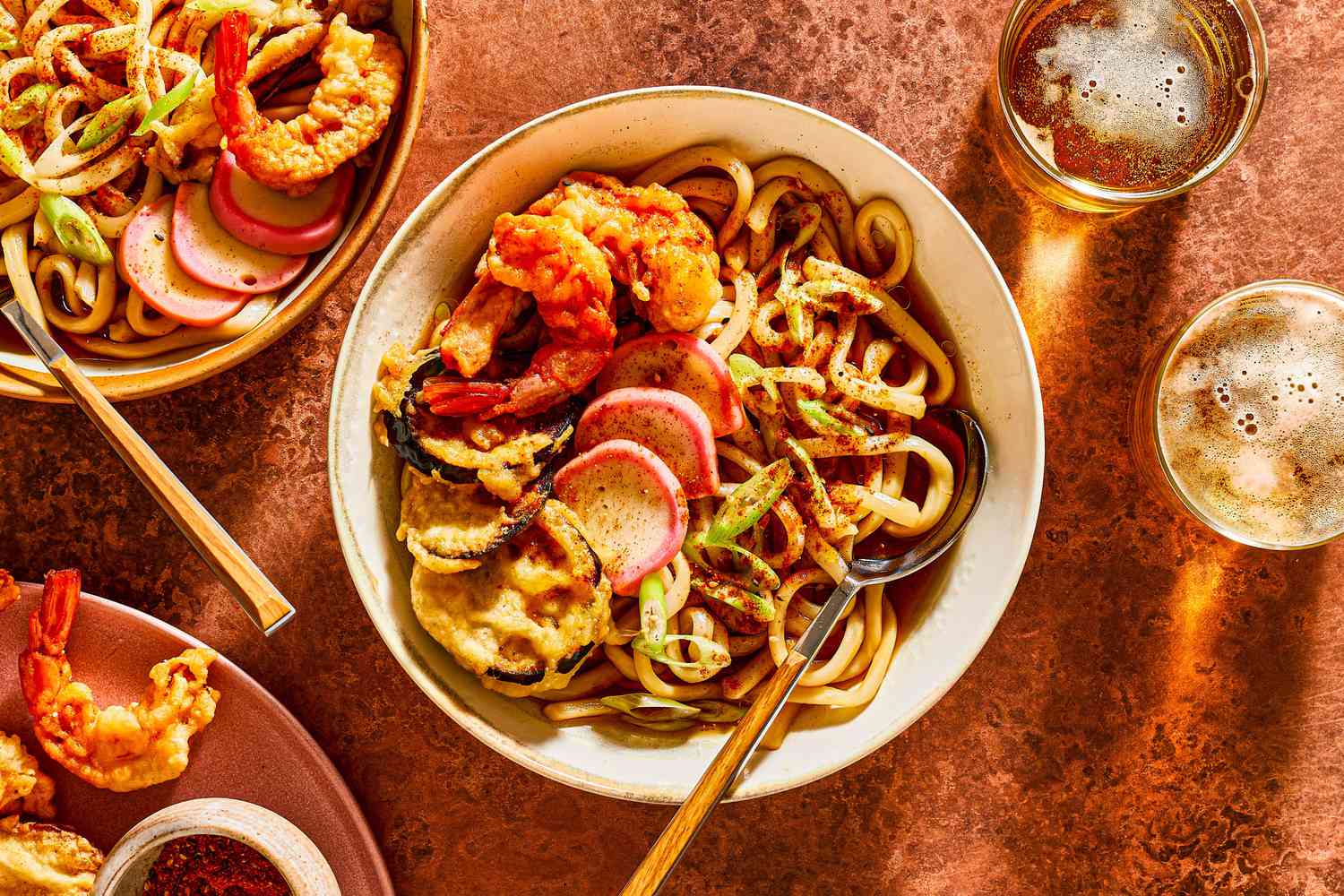
There are cozy dinners, and then there is tempura udonthe kind of dinner that makes you sit down, exhale dramatically, and pretend you run a tiny noodle shop with excellent lighting. This dish brings together chewy udon noodles, a savory Japanese-style broth, and crisp shrimp and vegetable tempura in one wildly satisfying bowl. It is warm, crunchy, slurpable, and just a little bit dramatic in the best way.
If you have ever ordered tempura udon at a restaurant and thought, “Surely this is too fancy for my kitchen,” I have great news: it is absolutely doable at home. You do not need a culinary degree, a sacred fryer, or a soundtrack of bamboo flute music. You just need a few smart techniques, the right ingredients, and a willingness to fry a shrimp or two without panicking.
This Tempura Udon Recipe With Vegetables and Shrimp is built for home cooks who want restaurant-style results without turning dinner into a three-hour trust exercise. You will learn how to make a flavorful broth, cook udon properly, fry airy tempura, and serve everything while the contrast between crisp and cozy is still working its magic.
Why Tempura Udon Is So Good
The beauty of tempura udon is contrast. Udon noodles are thick, springy, and comforting. The broth is light but savory, usually built with dashi, soy sauce, mirin, and a touch of sweetness or salt. Then the tempura shows up like the overachiever in the group projectcrisp shrimp, tender vegetables, and that delicate, lacy coating that somehow feels light even though, yes, it was absolutely fried.
That balance is why this bowl works so well. The broth keeps the meal from feeling too heavy, while the tempura makes it feel special. It is the culinary version of wearing sweatpants with really nice earrings.
Ingredients for Tempura Udon
For the Udon Broth
- 6 cups dashi, homemade or prepared with dashi powder
- 3 tablespoons soy sauce
- 2 tablespoons mirin
- 1 teaspoon sugar
- Salt, to taste
For the Noodles and Bowl
- 4 servings frozen, fresh, or dried udon noodles
- 2 scallions, thinly sliced
- 1 cup baby spinach or bok choy, optional
- Fish cake, fried tofu, or soft-boiled egg, optional for extra toppings
For the Shrimp Tempura
- 12 large shrimp, peeled and deveined, tails on if you like
- 1/2 cup cornstarch or all-purpose flour, for dredging
For the Vegetable Tempura
- 1 small sweet potato, thinly sliced
- 1 small zucchini, cut into sticks or rounds
- 1 carrot, julienned
- 6 to 8 green beans
- 4 shiitake mushrooms, stems removed
- 1/2 onion, sliced into rings or wedges
For the Tempura Batter
- 1 cup all-purpose flour
- 1/2 cup cornstarch
- 1 large egg
- 1 to 1 1/4 cups ice-cold sparkling water or ice water
- Ice cubes for keeping the batter cold
For Frying
- Neutral oil such as canola, vegetable, sunflower, or rice bran oil
How to Make Tempura Udon, Step by Step
1. Make the Broth First
Start with the broth because it holds well and gives you one less thing to juggle during frying. In a medium pot, bring the dashi to a gentle simmer. Add soy sauce, mirin, and sugar. Taste it. It should be savory, lightly sweet, and soothing without smacking you in the face with salt. Add a pinch of salt only if needed.
If you want extra vegetables in the bowl, this is the moment to simmer hardy greens or mushrooms for a minute or two. Keep the broth warm over very low heat while you prepare everything else.
2. Prep the Udon Noodles
Cook the udon according to the package instructions. Frozen udon is especially handy here because it heats quickly and keeps a great chewy texture. Drain well. If you are not serving immediately, rinse lightly to stop the cooking, then warm them again in hot water just before assembly.
Udon should be springy, not mushy. Nobody dreams of a bowl of soggy noodles.
3. Prepare the Shrimp Properly
Pat the shrimp dry very well. This is not optional. Moisture is the enemy of crisp tempura. If you want those lovely straight restaurant-style shrimp, make a few shallow slits on the belly side and gently press the shrimp straight. This keeps them from curling into tiny commas in the fryer.
Lightly dredge the shrimp in cornstarch or flour just before battering. That thin dry coat helps the batter stick better.
4. Slice the Vegetables Evenly
Cut the vegetables so they cook at roughly the same pace. Sweet potatoes should be sliced thin. Green beans can stay mostly whole. Mushrooms work beautifully because they stay juicy inside their crisp shell. Onion wedges or rings add sweetness, while zucchini and carrot bring color and a little freshness.
As with the shrimp, pat the vegetables dry. Tempura likes dry surfaces and fast frying.
5. Mix the Tempura Batter at the Last Minute
This is where tempura magic lives. In a bowl, whisk the egg with the ice-cold water. Add the flour and cornstarch, then stir very lightly with chopsticks or a fork until barely combined. Lumps are not a problem. In fact, a slightly lumpy batter is a good sign. Overmixing develops gluten and leads to a thicker, heavier coating.
Keep the bowl cold by setting it over another bowl filled with ice. Yes, this sounds a little fussy. It is also worth it.
6. Fry in Small Batches
Heat 2 to 3 inches of oil in a deep, heavy pot to about 350°F to 375°F. Some cooks prefer the lower end for shrimp and the higher end for vegetables; the real secret is consistency. If the oil is too cool, the batter absorbs oil and turns greasy. If it gets too hot, the outside browns before the inside cooks.
Dip the shrimp and vegetables into the batter, let the excess drip off, and fry in small batches. Do not crowd the pot. Crowding drops the oil temperature fast, and that is how dreams get oily.
Shrimp usually cook in about 2 minutes. Thin vegetables may take 1 to 3 minutes depending on size. Tempura should be pale golden, airy, and crisp rather than deeply browned. Transfer the fried pieces to a rack or paper towels and season lightly with salt if desired.
7. Assemble the Bowls
Divide the hot udon noodles among serving bowls. Ladle over the warm broth. Add spinach or bok choy if using. Top with sliced scallions and any optional extras like fish cake, fried tofu, or egg. Finally, arrange the shrimp tempura and vegetable tempura on top or partly on the side so the coating stays crisp as long as possible.
Serve immediately. Tempura waits for no one.
Best Vegetables for Tempura Udon
The best vegetables for tempura udon with shrimp are the ones that fry quickly and still taste like themselves. Sweet potato is a favorite because it turns creamy inside. Shiitake mushrooms become meaty and deeply savory. Green beans stay snappy. Onion gets sweet. Zucchini fries up tender without stealing the show.
You can also use kabocha squash, eggplant, shishito peppers, or broccolini. The only rule is to avoid watery vegetables cut too thick, because they are more likely to steam and soften the coating.
Tips for Crispy, Light Tempura Every Time
Keep Everything Cold
Cold batter is one of the biggest secrets to light tempura. Use ice water or sparkling water straight from the fridge. Chill the bowl if you want extra points. A cold batter hitting hot oil helps create that delicate, crisp shell.
Do Not Overmix
Tempura batter is not pancake batter. Smooth is not the goal. A few streaks of flour are fine. Lumps are fine. Tempura thrives on restraint.
Dry Ingredients Fry Better
Pat shrimp and vegetables dry before dredging and dipping. Excess moisture creates sputtering, weak batter adhesion, and sadness.
Fry Right Before Serving
Tempura is at its best right after frying. If you let it sit too long, steam softens the coating. That does not mean leftovers are bad; it just means the first five minutes are the golden age.
Use a Rack If You Have One
Draining fried food on a rack keeps it crisper than stacking everything on a plate. Paper towels help too, but a rack lets steam escape more efficiently.
Common Mistakes to Avoid
Mistake #1: Batter mixed too early. Tempura batter should be mixed just before frying. Letting it sit makes it heavier.
Mistake #2: Oil temperature all over the place. Use a thermometer if you can. Guessing works right up until it absolutely does not.
Mistake #3: Overcrowding the pot. Small batches are faster in the long run because the tempura actually stays crisp.
Mistake #4: Broth too salty. Udon broth should be light and drinkable, not a sodium jump scare.
Mistake #5: Overcooked shrimp. Shrimp cook quickly. Once they turn opaque and curl slightly, they are done. Tough shrimp are a tragedy in a crunchy jacket.
Serving Ideas and Easy Variations
If you want to make this bowl feel even more restaurant-worthy, serve it with grated daikon, a wedge of lemon, or a little shichimi togarashi for heat. A side of pickles also works nicely to cut through the richness of the tempura.
Want a shortcut? Use store-bought tempura shrimp and focus on making a great broth and perfectly cooked udon. Want a veggie-forward version? Skip the shrimp and double the mushrooms, sweet potato, and green beans. Need a heartier dinner? Add tofu, fish cake, or a jammy egg.
You can even serve the tempura on a side plate instead of right on top of the noodles if you want maximum crunch. That way, each bite is assembled by the eater, who suddenly feels very powerful.
Storage and Reheating
Store the broth, noodles, and tempura separately. The broth keeps well in the refrigerator for up to 3 days. Udon can also be refrigerated for a short time if lightly coated to prevent sticking. Tempura is best fresh, but leftovers can be reheated in the oven or air fryer until crisp again.
Do not microwave the tempura unless your goal is “soft and vaguely disappointed.”
What This Dish Tastes Like
This bowl delivers layers. First, the broth: savory, slightly sweet, deeply comforting. Then the udon: thick, chewy, and satisfying. Then the tempura: light crunch giving way to sweet shrimp or tender vegetables. It is not loud food. It is balanced food. The kind that feels impressive but still cozy enough for a Tuesday night.
That is why tempura udon with vegetables and shrimp has staying power. It is both comfort food and a little event. It says, “I care about dinner,” without demanding a white tablecloth or a three-day recovery period.
Experiences Related to Making Tempura Udon at Home
One of the most charming things about making tempura udon at home is how it changes the mood of the kitchen. It starts as a recipe and quickly turns into a tiny production. The broth simmers quietly in one pot, the noodles wait their turn, and then the frying begins with that unmistakable sizzle that announces, to anyone within hearing distance, that dinner has become interesting.
For many home cooks, the first attempt at tempura is a mix of excitement and suspicious side-eye. You mix the batter and think, “This cannot possibly be right. It is lumpy.” Then you remember that tempura batter is supposed to look a little unruly. That moment is strangely liberating. It is one of the few recipes where perfection looks slightly messy, and somehow that feels healthy.
Another common experience is discovering that timing matters more than fancy equipment. You do not need a professional setup to make a good bowl of shrimp tempura udon. What you need is a little rhythm. Broth first. Noodles next. Tempura last. Once people understand that order, the whole recipe gets easier and much less stressful. It stops feeling like restaurant food and starts feeling like smart home cooking.
There is also something deeply satisfying about watching the shrimp come out of the oil pale golden and crisp, especially if you took the extra minute to straighten them before frying. They look impressive. The vegetables feel even more rewarding because they transform so dramatically. Mushrooms get juicy, sweet potatoes become creamy, and onions turn sweet and soft inside their delicate shell. It is one of those rare cooking experiences where texture steals the spotlight.
Then comes the best part: assembling the bowl. Ladling broth over noodles is cozy. Tucking in the tempura feels almost artistic. Scattering scallions on top makes everything look brighter and more complete. Suddenly, your kitchen is serving something that feels special enough for guests but comforting enough for a quiet solo dinner.
People also tend to remember their first bite very clearly. The contrast is immediate. You get hot broth, chewy noodle, and crisp tempura all at once. It is a full sensory experience, which sounds dramatic, but honestly, the bowl earns it. Tempura udon does not just taste good; it feels satisfying in a way that simple noodle soups and plain fried food do not always manage on their own.
There is a social side to this dish too. It is great for casual dinners because people are always curious about the tempura. Someone inevitably asks how the batter stays so light. Someone else reaches for the crispiest mushroom. Someone says they are “just tasting one shrimp,” and then somehow three disappear. It is that kind of meal.
Even when the tempura is not picture-perfect, the overall bowl is still wildly enjoyable. That might be the most encouraging experience of all. Tempura udon does not require flawless execution to be delicious. If the batter is a little shaggy, the onions are a little rustic, or the noodles are not arranged with magazine precision, the dish still works. Maybe that is part of its charm. It is comforting, a little playful, and generous with its rewards.
In the end, making this recipe often becomes less about following strict steps and more about creating a dinner you genuinely want to sit with. A bowl of Tempura Udon Recipe With Vegetables and Shrimp feels like effort in the best sense: thoughtful, warm, and worth repeating. And once you make it once, you will probably start looking at random vegetables in your fridge and thinking, “You know what? You could be tempura.”
Conclusion
If you want a dinner that feels both comforting and impressive, Tempura Udon Recipe With Vegetables and Shrimp deserves a spot in your rotation. The broth is soothing, the udon is satisfyingly chewy, and the shrimp and vegetable tempura bring that irresistible crunch that makes every bowl feel special. Master a few simple techniquescold batter, dry ingredients, steady oil temperature, and smart timingand this dish becomes surprisingly approachable.
Make it for a cozy weekend dinner, a rainy night craving, or any time your standard soup routine needs a glow-up. It is warm, crisp, savory, and just fancy enough to make you feel like you absolutely know what you are doing.