Walk into almost any American grocery store before Thanksgiving and you will see a familiar scene: orange-fleshed “yams” stacked beside marshmallows, brown sugar, pecans, and other casserole co-stars. The only problem? Most of those so-called yams are not yams at all. They are sweet potatoes wearing a grocery-store name tag that should probably be reported to produce HR.
The sweet potato vs. yam confusion is one of the longest-running mix-ups in American kitchens. Both are starchy, both are hearty, and both can become delicious when roasted, mashed, fried, or baked. But botanically, nutritionally, and culinarily, sweet potatoes and true yams are different foods. They come from different plant families, look different, taste different, and behave differently in recipes.
So, what is the difference between sweet potatoes and yams? The simplest answer is this: sweet potatoes are usually sweet, moist storage roots from the morning glory family, while true yams are starchier, drier tubers from the Dioscorea family. In the United States, the “yam” on your holiday table is probably an orange sweet potato.
Sweet Potato vs. Yam: The Quick Answer
Sweet potatoes and yams are not the same vegetable. Sweet potatoes belong to the species Ipomoea batatas and are part of the morning glory family. Yams belong to the genus Dioscorea and are more common in African, Caribbean, Latin American, and Asian cuisines.
If you buy a can labeled “candied yams” in the United States, check the ingredient list. There is a very good chance it says sweet potatoes. That is because U.S. labeling rules generally require products sold as “yams” to also identify them as sweet potatoes when they are actually sweet potatoes. In other words, the label may say “yam,” but the vegetable inside is often saying, “Excuse me, I’m a sweet potato.”
What Is a Sweet Potato?
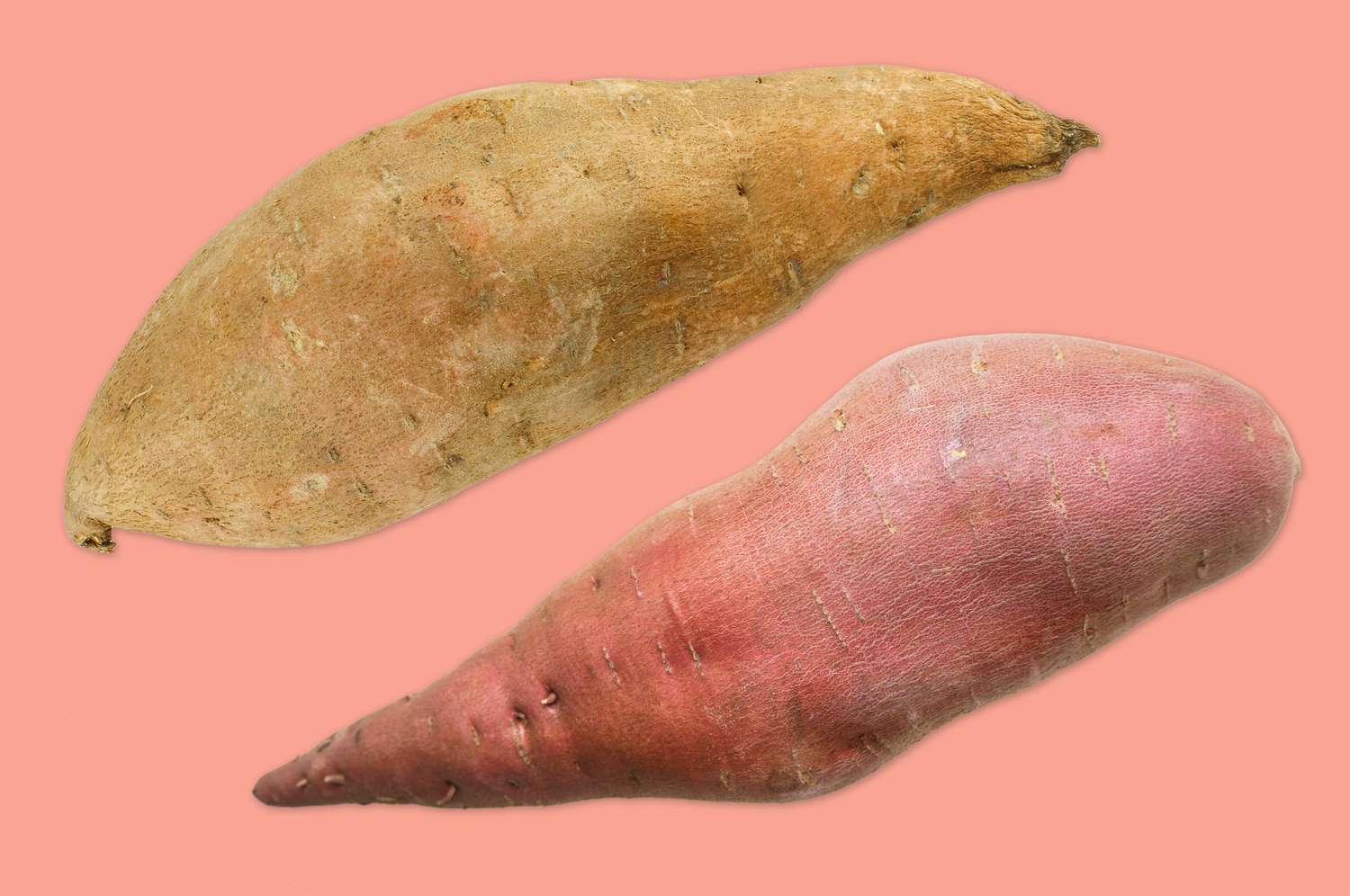
A sweet potato is a nutrient-rich root vegetable with smooth, relatively thin skin and flesh that can be orange, white, yellow, red, or purple. In American supermarkets, the most familiar type has coppery skin and bright orange flesh. When cooked, it becomes soft, sweet, and creamy, which is why it works so well in casseroles, pies, fries, soups, and roasted side dishes.
Common Sweet Potato Types
Sweet potatoes are often grouped into “firm” and “soft” varieties. Firm varieties tend to stay drier and more solid after cooking. Soft varieties become moist and tender, especially when baked. Historically, the soft orange varieties were marketed as “yams” in the United States to distinguish them from paler, firmer sweet potatoes.
Popular sweet potato varieties include Beauregard, Jewel, Garnet, and Japanese sweet potatoes. Purple sweet potatoes, such as Okinawan or Stokes-style types, have become popular for their striking color and earthy sweetness. White-fleshed sweet potatoes are less sugary and slightly nuttier, making them useful in savory dishes.
What Is a Yam?
A true yam is a starchy tuber from the Dioscorea family. Unlike the smooth-skinned sweet potato, a true yam usually has rough, bark-like skin and a more cylindrical shape. The flesh may be white, yellow, purple, or reddish, depending on the variety. Yams can grow very large, sometimes dramatically large, as if they heard the word “side dish” and decided to become furniture.
True yams are common in tropical and subtropical regions, especially parts of Africa, the Caribbean, Central America, South America, and Asia. In many cultures, yams are staple foods. They are often boiled, pounded, roasted, fried, or added to soups and stews.
Why True Yams Are Less Common in U.S. Grocery Stores
True yams are not usually found in the average American supermarket. You are more likely to find them in African, Caribbean, Latin American, or Asian grocery stores. They are starchier and less sweet than sweet potatoes, so they are typically used more like potatoes or cassava than like dessert-friendly orange sweet potatoes.
Why Are Sweet Potatoes Called Yams in the United States?
The naming confusion has deep cultural, agricultural, and marketing roots. In the U.S., firm sweet potatoes were common before soft orange-fleshed varieties became widely available. When those softer varieties entered the market, growers and sellers needed a way to separate them from the older, firmer types. The term “yam” became a convenient label.
The word also has cultural history. In parts of West Africa, true yams were important staple foods, and similar words were used to describe them. Enslaved Africans and their descendants in the American South encountered sweet potatoes and used familiar food language to describe a different but somewhat similar crop. Over time, that naming habit blended with commercial marketing, and “yam” became attached to orange sweet potatoes in American food culture.
That is why your grandmother’s famous “yam casserole” may be absolutely delicious while also being botanically inaccurate. Food history is messy. Fortunately, it often comes with butter.
How to Tell the Difference Between Sweet Potatoes and Yams
The easiest way to compare sweet potato vs. yam is to look at the skin, flesh, flavor, and texture.
1. Skin
Sweet potatoes usually have smoother, thinner skin. The color can range from tan to copper, red, purple, or brown. True yams usually have rough, dark, bark-like skin that looks tougher and more fibrous.
2. Shape
Sweet potatoes often have tapered ends and a more familiar potato-like shape. Yams are usually more cylindrical and may be longer or bulkier. Some true yams can grow impressively large.
3. Flesh Color
Sweet potato flesh can be orange, white, yellow, or purple. The orange varieties are especially common in the United States. Yam flesh is often white or pale, though some varieties can be yellow, reddish, or purple.
4. Taste
Sweet potatoes are naturally sweet, especially orange-fleshed types. Yams are usually more neutral, earthy, and starchy. If a roasted root tastes like it is halfway to dessert before you even add brown sugar, it is probably a sweet potato.
5. Texture
Cooked sweet potatoes can become soft, moist, and creamy. True yams are typically drier, starchier, and firmer. This difference matters when choosing one for a recipe.
Nutrition: Are Sweet Potatoes or Yams Healthier?
Both sweet potatoes and yams can fit into a balanced diet. They provide complex carbohydrates, fiber, and important micronutrients. The “healthier” choice depends on your nutrition goals and how the food is prepared.
Sweet potatoes, especially orange varieties, are famous for their beta-carotene. Beta-carotene is a plant pigment that the body can convert into vitamin A, which supports normal vision, immune function, and skin health. Sweet potatoes also provide vitamin C, potassium, vitamin B6, and fiber.
Yams are also nutritious. They tend to be starchier and may provide potassium, fiber, vitamin C, and other minerals. Because they are usually less sweet and more neutral in flavor, true yams are often used in savory meals rather than sweet dishes.
The real nutritional twist is preparation. A baked sweet potato with a little olive oil, cinnamon, or herbs is very different from a marshmallow-covered casserole swimming in sugar. That does not mean holiday casseroles are forbidden. It simply means they are more of a celebration food than a weekday “I am being extremely responsible” food.
Cooking Differences: Can You Substitute Yams for Sweet Potatoes?
Sometimes you can substitute one for the other, but not always. Since sweet potatoes are sweeter and moister, they are better for pies, casseroles, muffins, quick breads, and creamy mash. True yams are better in dishes where you want a firmer, starchier texture, such as stews, boiled sides, fried slices, or savory preparations with bold sauces.
Best Uses for Sweet Potatoes
- Baked sweet potatoes with butter, herbs, cinnamon, or chili flakes
- Sweet potato casserole
- Sweet potato pie
- Roasted sweet potato wedges
- Sweet potato fries
- Mashed sweet potatoes
- Sweet potato soup
- Breakfast hash with eggs and peppers
Best Uses for True Yams
- Boiled yam with stew or sauce
- Pounded yam served with soups
- Fried yam slices
- Roasted yam with spices
- Yam added to hearty stews
- Savory yam mash
If a recipe calls for canned “yams” from a standard U.S. supermarket, it almost certainly means canned sweet potatoes. If a recipe from West African, Caribbean, or Asian cooking calls for yam, it may mean a true yam. Context is everything. Produce labels are helpful, but cuisine is often the better clue.
Buying Tips: What Should You Look For?
When buying sweet potatoes, choose roots that feel firm and heavy for their size. Avoid soft spots, deep cracks, shriveled skin, or signs of mold. Smaller and medium sweet potatoes are often easier to cook evenly than giant ones.
When buying true yams, look for firm pieces with hard skin and no major cracks or bruises. Because true yams can be large, many stores sell them cut into sections. If buying cut yam, check that the exposed flesh looks fresh and not overly dried out.
Storage Tips for Sweet Potatoes and Yams
Store sweet potatoes in a cool, dry, well-ventilated place. Do not refrigerate raw sweet potatoes unless you want to risk changing their texture and flavor. A pantry, basket, or cupboard away from heat is usually a better choice.
True yams should also be stored in a cool, dark, dry place. Like sweet potatoes, they do not enjoy damp environments. Moisture encourages spoilage, and nobody wants to open the pantry and discover a root vegetable science experiment.
Flavor Pairings That Work Beautifully
Sweet potatoes pair well with warm spices, bright acids, creamy fats, and smoky flavors. Try them with cinnamon, nutmeg, ginger, cumin, smoked paprika, chili powder, lime, orange zest, maple syrup, tahini, pecans, black beans, or roasted garlic.
True yams pair well with bolder savory ingredients. Think onions, garlic, ginger, peppers, tomatoes, palm oil, coconut milk, curry spices, peanut sauces, and slow-cooked meats or legumes. Because yams are less sweet, they can carry strong flavors without turning the dish into dessert.
Common Myths About Sweet Potatoes and Yams
Myth 1: All Orange Sweet Potatoes Are Yams
False. Orange-fleshed sweet potatoes are still sweet potatoes. The color does not magically move them into the yam family. Vegetables do many things, but they do not change botanical families in the produce bin.
Myth 2: Sweet Potatoes Are Just Regular Potatoes with Sugar
Also false. Sweet potatoes are not the same as white potatoes. They come from a different plant family. Sweet potatoes are storage roots, while regular potatoes are stem tubers.
Myth 3: Yams and Sweet Potatoes Taste the Same
Not really. Sweet potatoes are usually sweeter and creamier. True yams are typically starchier, drier, and more neutral. In recipes, that difference can change the entire dish.
Myth 4: Canned Yams Are Always True Yams
In the United States, canned “yams” are usually sweet potatoes. Reading the ingredient list is the fastest way to solve the mystery.
Sweet Potato vs. Yam in American Cooking
In American cooking, the word “yam” often appears in holiday recipes, especially Thanksgiving and Christmas dishes. Candied yams, yam casserole, and glazed yams are usually made with orange sweet potatoes. This has become so common that many people use the words interchangeably without realizing there is a difference.
From a practical kitchen standpoint, that is not always a disaster. If your family recipe says “yams” and your aunt has been making it from canned sweet potatoes for 30 years, you do not need to stage a dinner-table intervention. Just know what you are using, especially when cooking from international recipes where “yam” may mean a true yam.
Which One Should You Choose?
Choose sweet potatoes when you want natural sweetness, creamy texture, bright color, and versatility. They are excellent for quick weeknight dinners and classic American comfort foods.
Choose true yams when you want a hearty, starchy ingredient for savory dishes, especially recipes rooted in African, Caribbean, Latin American, or Asian cooking traditions. True yams are not a sweet potato substitute in every dish, but they are wonderful when used in the right context.
Personal Kitchen Experiences: Learning the Difference the Delicious Way
The first time many home cooks learn the difference between sweet potatoes and yams, it happens in the middle of a recipe. Maybe the grocery list says “yams,” the store shelf says “sweet potatoes,” and the can says both. Suddenly, a simple side dish feels like a root-vegetable identity crisis. The good news is that this confusion is normal, especially in the United States. The better news is that once you understand the difference, shopping and cooking become much easier.
In everyday American kitchens, sweet potatoes are the more familiar option. They bake beautifully, caramelize at the edges, and become silky when mashed. A roasted orange sweet potato with a little salt, black pepper, olive oil, and smoked paprika can taste rich enough to feel fancy, even if you made it on a sheet pan while answering emails. For breakfast, diced sweet potatoes work well in a skillet hash with onions, bell peppers, eggs, and a little hot sauce. For dinner, they can be stuffed with black beans, avocado, salsa, and Greek yogurt. They are the kind of ingredient that politely agrees to almost any plan.
True yams offer a different experience. They are less sugary and more substantial. If sweet potatoes are cozy and creamy, yams are sturdy and earthy. They need assertive seasoning, moisture, and patience. Boiling or steaming can make them tender, while frying brings out their satisfying density. In savory stews, true yams absorb flavor without becoming too sweet. That makes them especially useful in dishes with tomato, chile, ginger, garlic, curry spices, or rich broths.
One helpful cooking lesson is to stop treating the two as identical. Sweet potatoes can shine with minimal help. A little heat, fat, and seasoning will do. True yams often benefit from stronger flavors and sauces. If you swap a true yam into a sweet potato pie, the result may be too dry or bland. If you use an orange sweet potato in a savory yam stew, the dish may become sweeter than intended. Neither ingredient is “better” in every situation. They simply have different personalities.
Another useful experience is learning to read labels carefully. In U.S. stores, “yam” on a can or bin often points to sweet potatoes. In international markets, “yam” is more likely to mean a true yam. When in doubt, look at the skin. Smooth and thin usually suggests sweet potato. Rough, bark-like, and cylindrical suggests true yam. The produce aisle may not give you a pop quiz, but it definitely rewards observation.
The biggest takeaway from cooking with both is simple: names matter, but taste matters more. Sweet potatoes bring sweetness, color, and creaminess. Yams bring starch, structure, and earthy depth. Once you know which one you are holding, you can choose the cooking method that lets it do its best work. That is the difference between a good side dish and one that makes people ask for the recipe before they have even finished chewing.
Conclusion
Sweet potatoes and yams are often confused, but they are not the same. Sweet potatoes are sweet, smooth-skinned storage roots from the morning glory family, while true yams are starchier, rough-skinned tubers from the Dioscorea family. In the United States, most foods labeled “yams” are actually sweet potatoes, especially the orange-fleshed varieties used in holiday casseroles.
For everyday cooking, sweet potatoes are easier to find and more versatile in American recipes. True yams are worth seeking out when making traditional dishes from cuisines where they are a staple. Once you know the difference, you can shop smarter, cook better, and gently correct the Thanksgiving table without becoming the person nobody wants seated near the gravy.
Note: This article is written for general food and nutrition education. For specific dietary needs, consult a qualified health or nutrition professional.