If art papers had yearbooks, Stonehenge Paper would probably win “Most Likely to Be Everyone’s Favorite Without Making a Fuss About It.” It is not flashy in the way some ultra-textured watercolor papers are. It does not stomp into the studio yelling, “Look at me, I’m handmade and dramatic.” Instead, it quietly shows up, behaves beautifully, takes layer after layer of media, and makes artists look a little more talented than they feel on a Tuesday afternoon.
That is a big reason Stonehenge Paper has earned such a loyal following. Originally developed for printmakers, it has grown into a trusted surface for colored pencil, graphite, pen and ink, pastel, charcoal, light wet media, and mixed techniques. For many artists, it hits the rare sweet spot between quality, versatility, and price. In plain English, it feels fancy without acting like it needs a velvet rope.
This guide breaks down what Stonehenge Paper is, why artists like it, how it compares to other fine art papers, which version may fit your work best, and what kind of real-world experience you can expect when you actually put pencil, ink, or paint on the page. If you have been curious about whether this paper deserves its reputation, the answer is yes, but with a few important nuances. Even great paper has a personality.
What Is Stonehenge Paper?
Stonehenge Paper is a premium fine art paper best known for its smooth, soft, cotton-based surface and broad compatibility with dry and printmaking media. It is especially popular among artists who want a paper that feels substantial, takes repeated layers well, and still remains approachable for everyday studio use.
The original Stonehenge line is often associated with printmaking and drawing, but that only tells half the story. Over time, artists adopted it for colored pencil work, pastel studies, pen-and-ink pieces, sketchbook practice, and finished art intended for display. That versatility matters. Many papers are either too slick, too toothy, too delicate, or too stubborn. Stonehenge tends to land in that sweet middle zone where the surface feels cooperative rather than combative.
Another reason the paper stands out is its feel. Stonehenge has a soft, almost velvety character with just enough tooth to hold pigment without chewing up your pencils or making your pen lines wobble like they had too much coffee. It is a paper that invites control. That may sound like a romantic thing to say about cellulose, but artists know exactly what it means.
Why Artists Love Stonehenge Paper
A Surface That Balances Smoothness and Grip
The first thing most artists notice is the surface. Stonehenge Paper is often described as smooth, but not slippery. That distinction matters. A truly slick sheet can make layered work frustrating because pigment sits on top without settling in. Stonehenge offers enough texture to grab color, yet it still supports fine detail. That combination is why colored pencil artists, in particular, keep coming back to it.
Graphite artists also benefit from this balance. On rougher paper, delicate shading can break apart visually. On overly polished paper, the drawing may feel glassy and lifeless. Stonehenge gives soft transitions, controlled darks, and a pleasant amount of feedback under the hand. In other words, it behaves like a helpful studio assistant instead of a moody co-star.
Excellent Layering for Colored Pencil and Dry Media
One of the biggest selling points of Stonehenge Paper is how well it handles layers. If you build color slowly with wax-based or oil-based colored pencils, the paper gives you room to develop values without quickly hitting an unpleasant, waxy wall. This makes it easier to create richer tones, smoother blends, and more convincing depth.
That layering ability also supports pastel, charcoal, and mixed dry media. You can push a piece further before the surface starts feeling exhausted. That does not mean the paper is immortal. If you scrub it like you are trying to erase your taxes, you can still damage it. But with normal artist behavior, Stonehenge is notably forgiving.
Archival Qualities Matter
Artists who care about longevity pay attention to paper chemistry for good reason. A brilliant drawing on poor paper is basically a beautiful countdown clock. Stonehenge’s archival reputation is one reason it is trusted for finished work, not just casual studies. When you are making art you may frame, sell, store, or gift, that peace of mind matters.
For hobbyists, this means your work is less likely to age badly. For professionals, it means the surface supports higher standards for presentation and preservation. Either way, it is much nicer to focus on your artwork than to wonder whether your paper is plotting against you.
Best Uses for Stonehenge Paper
Colored Pencil
If Stonehenge Paper had a fan club, colored pencil artists would probably be running the snack table. The surface is ideal for layering, blending, and building subtle shifts in color. Whether you are rendering skin tones, animal fur, fruit skins, or a suspiciously majestic houseplant, Stonehenge supports that slow, patient build-up colored pencil work needs.
It also works well with toned papers for artists who like to develop highlights and shadows from a mid-tone surface. This approach can speed up the drawing process while adding dimension early in the piece. A warm or neutral sheet can do a lot of visual heavy lifting before the first white pencil even shows up.
Printmaking
Stonehenge began with printmakers in mind, and that heritage still matters. It remains a strong choice for techniques like silkscreen, letterpress, relief printing, and certain hand-pulled processes where consistency and dimensional stability are important. Artists appreciate a paper that holds up during printing while still presenting a refined finished surface.
For printmakers, Stonehenge offers a professional look without demanding luxury-paper prices every time you blink. That makes it appealing for editions, portfolios, and experiments where quality matters but budget still has an opinion.
Graphite, Pen and Ink, and Charcoal
Stonehenge Paper is also a solid option for artists working in graphite, pen and ink, and charcoal. Fine lines stay crisp, broad shading stays elegant, and charcoal has enough grip to feel stable without turning every gesture into a grainy wrestling match. Pen users who dislike feathering and dry-media artists who want control often find it a very comfortable surface.
For illustration work, the paper’s calm surface can be a real asset. Detailed line drawings, botanical studies, portraits, and decorative ink pieces all benefit from a paper that supports precision without feeling sterile.
Light Wet Media and Mixed Techniques
The original Stonehenge Paper can handle some light wet applications, but it is not the same thing as a dedicated watercolor sheet. If your process includes a gentle wash, light gouache accents, or a bit of mixed-media layering, it can perform nicely. If your art involves heavy soaking, repeated scrubbing, or dramatic puddles worthy of a weather warning, you will be happier with Stonehenge Aqua.
That distinction is important because many artists hear “versatile” and assume “does absolutely everything.” Good paper is versatile. Magic carpet paper is still not a thing.
Stonehenge Paper vs. Other Art Papers
Stonehenge vs. Bristol
Bristol is usually smoother and often better for ultra-clean ink work or marker-friendly finishes, depending on the finish type. Stonehenge, however, tends to offer more tooth and better pigment hold for layered dry media. If you want glassy precision, Bristol may win. If you want richer layering and a softer feel, Stonehenge usually takes the crown.
Stonehenge vs. Traditional Watercolor Paper
Traditional watercolor paper, especially cold press or rough finishes, is designed to handle significant water. Stonehenge Paper is not trying to be that. Its original strength is not in dramatic washes but in controlled dry and print media. For serious watercolor work, Stonehenge Aqua is the better family member to invite to the party.
Stonehenge vs. Mixed Media Paper
Mixed media papers are convenient because they attempt a little bit of everything. Stonehenge often feels more specialized and more refined. It typically offers better surface character for artists who prioritize drawing quality and pigment layering over all-purpose convenience. Mixed media paper is useful. Stonehenge often feels intentional.
Which Stonehenge Paper Should You Choose?
Original Stonehenge
Choose the original if your main focus is colored pencil, graphite, pastel, charcoal, pen and ink, or printmaking. This is the classic choice and the one most people mean when they say “Stonehenge Paper.” It is the dependable all-rounder of the line.
Stonehenge Aqua
Choose Stonehenge Aqua if you work heavily with watercolor, gouache, or water-based mixed media. It is designed to handle wetter techniques better than the original sheet and gives artists a more watercolor-friendly surface. If the original Stonehenge is the thoughtful multitool, Aqua is the friend who actually remembered to bring a raincoat.
Stonehenge Oil
Choose Stonehenge Oil if you want to paint with oils on paper without going through the usual prep ritual. It offers a ready-to-use surface for oil painting and related media, which can be incredibly appealing for studies, travel work, or artists who prefer paper handling to stretched canvas.
Color Options and Weight
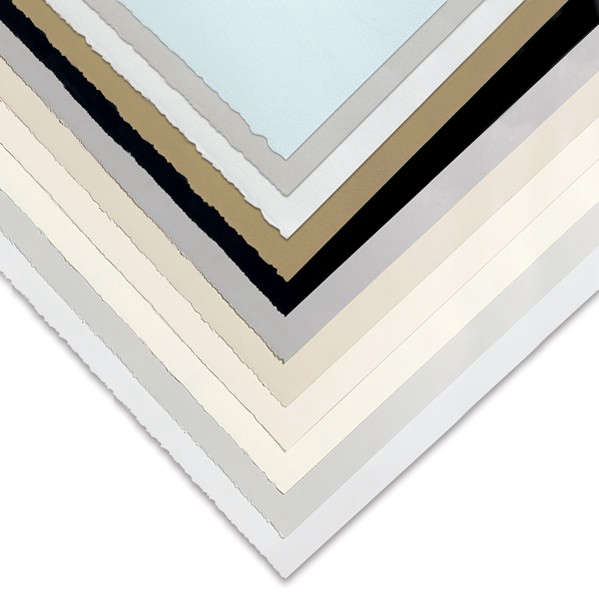
Stonehenge Paper also comes in a variety of tones and formats, which lets artists match the surface to the artwork. White and warm white are easy choices for general use. Toned sheets can be excellent for portraiture, wildlife, and atmospheric studies because they let you develop lights and darks more efficiently. Heavier options may offer more confidence when you want a sturdier feel, while pads and sheets allow you to choose between portability and flexibility.
Tips for Getting the Best Results
- Use light initial pressure. Stonehenge rewards layering, so let the paper do the work gradually rather than crushing pigment into it too early.
- Match the paper to the medium. Original for dry and print work, Aqua for wetter media, Oil for oil painting. Your future self will appreciate this very basic but shockingly helpful decision.
- Test erasing first. The paper is strong, but repeated aggressive lifting can still affect the surface.
- Try toned sheets for depth. Mid-tone paper can speed up your process and add sophistication to the final look.
- Use a backing board when needed. A quality paper deserves a stable setup, especially during detailed rendering or print work.
Common Mistakes Artists Make with Stonehenge Paper
The biggest mistake is expecting one version of Stonehenge to be perfect for every medium. The name covers several related products, and each has a purpose. If you try to treat original Stonehenge like heavy-duty watercolor paper, disappointment may arrive right on schedule.
Another mistake is going too hard too fast. Stonehenge shines when artists build slowly. If you burnish from the first five minutes, you may lose the layered advantages that make the paper special in the first place.
Finally, some artists underestimate the role of paper color. A warm or toned sheet can completely change the mood and efficiency of a piece. Choosing the right tone is not cheating. It is strategy. Michelangelo would approve. Probably.
Is Stonehenge Paper Worth It?
Yes, for many artists, Stonehenge Paper is absolutely worth it. It offers a premium feel, strong versatility, and reliable performance across several popular fine art techniques. It is especially valuable for artists who want archival quality and a surface that supports serious layering without instantly becoming fussy or fragile.
That said, the “best” paper still depends on your process. If you are a watercolor-first artist, Stonehenge Aqua may be the smarter choice. If you want smooth marker rendering, Bristol might still suit you better. But if your work lives in the world of colored pencil, drawing, printmaking, or mixed dry media, Stonehenge deserves a place near the top of your testing list.
In the art supply universe, hype is common. Truly useful materials are rarer. Stonehenge Paper has held its reputation for a reason: it performs well, adapts to many creative styles, and feels like a surface designed by people who understand how artists actually work. That is a pretty good résumé for a sheet of paper.
Experiences With Stonehenge Paper: What It Actually Feels Like in Real Use
Using Stonehenge Paper for the first time can be a little deceptive because it does not always scream “premium” in a dramatic way. There is no instant thunderclap. No choir of studio angels. Instead, the experience is quieter and better than that. You begin drawing, and after a few minutes you realize the paper is not fighting you. That alone can feel suspiciously luxurious.
With colored pencil, the experience is especially satisfying. Early layers go down smoothly, and the sheet seems willing to keep accepting pigment long after cheaper paper would start acting offended. You can build soft transitions in skin, fur, petals, and fabric without immediately filling the tooth. For artists who enjoy slow rendering, this feels less like working on paper and more like negotiating with a very polite collaborator.
Graphite artists often notice how pleasant the shading feels. Light values can be feathered in without looking scratchy, while darker passages can be deepened without the whole drawing turning muddy. The paper gives a nice balance of control and softness, which is ideal for portraits, still life work, and patient tonal studies. If you are someone who likes to sneak up on form rather than attack it, Stonehenge is very accommodating.
Ink work can also be rewarding, particularly for line-based illustration and careful pen drawing. The surface feels smooth enough for detail but not so slick that everything becomes cold and mechanical. There is a subtle warmth to the experience. Lines feel intentional, not sterile. That makes a difference when you want artwork to feel handmade rather than digitally impersonated.
For printmakers, the experience is often about trust. A good print paper must do its job consistently, and Stonehenge has a reputation for being dependable. Artists making editions, test pulls, or layered prints appreciate materials that behave predictably. You want the exciting part of the process to come from the art itself, not from wondering whether the paper is going to throw a tantrum halfway through the run.
There is also something enjoyable about the physical presence of the paper. It feels substantial in the hand, which changes the emotional tone of making art. Thin, flimsy paper can make even good work feel temporary. Stonehenge feels like it is prepared for commitment. It says, “Yes, this can become a finished piece,” which is surprisingly motivating on days when your confidence is running on fumes and leftover coffee.
Of course, real-world experience also includes limits. If you use the original Stonehenge for very wet techniques, you may quickly discover that optimism is not a substitute for sizing. It can tolerate some light wet work, but repeated soaking or aggressive brush handling is where the wrong expectations begin to unravel. That is not a flaw so much as a reminder that choosing the right version matters. Aqua exists for a reason. So does humility.
Overall, the experience of working with Stonehenge Paper tends to be defined by comfort, control, and surprising endurance. It is one of those materials that often becomes more impressive the longer you use it. Not because it performs miracles, but because it consistently removes friction from the creative process. In a studio world full of variables, that kind of reliability is worth a lot.
Conclusion
Stonehenge Paper has earned its place as a favorite among artists because it delivers where it counts: surface quality, layering strength, versatility, and trustworthy performance. Whether you are building a richly layered colored pencil portrait, preparing a clean printmaking edition, sketching with graphite, or exploring a mixed-media workflow, Stonehenge gives you a surface that feels thoughtful and dependable.
The key is choosing the right member of the Stonehenge family for the job. The original sheet remains an excellent option for drawing and printmaking. Stonehenge Aqua serves artists who need a true watercolor-friendly surface. Stonehenge Oil opens the door for oil painters who want the convenience of paper without the usual prep. Once you match the paper to your medium, the experience becomes much easier and a lot more enjoyable.
At the end of the day, great art still depends on your skill, patience, and vision. Sadly, the paper cannot finish the portrait while you eat snacks. But Stonehenge can make the road smoother, the layers richer, and the final piece stronger. That is more than enough reason for artists to keep reaching for it.