Note: This article is for informational purposes only and is not a substitute for medical advice, diagnosis, or treatment. People with stomach cancer often need highly individualized nutrition plans, especially during chemotherapy, radiation, or after partial or total gastrectomy.
When you hear the phrase stomach cancer diet, it can sound like there must be one perfect menu hiding somewhere between oatmeal and grilled chicken. Unfortunately, the stomach did not receive that memo. In real life, eating with stomach cancer is often less about following a trendy “healing diet” and more about solving practical problems: nausea, early fullness, weight loss, taste changes, reflux, diarrhea, dumping syndrome, and the simple fact that your digestive system may not be thrilled about big meals anymore.
The good news is that nutrition can still do a lot of heavy lifting. The right foods can help you maintain weight, protect muscle, support healing, improve energy, and make treatment more tolerable. The wrong foods, meanwhile, can turn mealtime into an unnecessary wrestling match. A smart stomach cancer diet usually focuses on soft or easy-to-digest foods, enough protein and calories, smaller meals, and symptom-based adjustments instead of rigid food rules.
If you only remember one thing, let it be this: the best diet for stomach cancer is the one that helps you keep eating, keep nourishing your body, and feel a little more human at the table.
Why Diet Matters With Stomach Cancer
Stomach cancer and its treatments can affect appetite, digestion, and nutrient absorption. Some people feel full after just a few bites. Others deal with nausea, vomiting, bloating, pain, or trouble tolerating certain textures. If part or all of the stomach has been removed, food may move into the small intestine faster than usual, which can trigger dumping syndrome. That can lead to cramping, diarrhea, shakiness, sweating, or weakness after meals.
This is why a stomach cancer diet is not just about “healthy eating” in the usual sense. During treatment, your goals often shift toward:
- Preventing or slowing unintended weight loss
- Getting enough protein to support healing and muscle maintenance
- Taking in enough calories even when appetite is low
- Reducing symptoms that make eating miserable
- Replacing vitamins and minerals if surgery affects absorption
In short, this is not the time for a punishing salad-only fantasy. This is strategic eating with comfort, tolerance, and nutrition in mind.
Best Foods To Eat With Stomach Cancer
1. Soft, Easy-to-Digest Protein Foods
Protein is the star player here. It helps with healing, strength, immune function, and preserving muscle when treatment takes a toll. Many people with stomach cancer tolerate soft, moist proteins better than dry or chewy options.
Good choices include:
- Eggs and egg dishes
- Greek yogurt, cottage cheese, and soft cheese
- Tofu and soft soy foods
- Tender fish or flaky seafood
- Shredded chicken or turkey with gravy or broth
- Ground poultry or ground meat if tolerated
- Smooth nut butters
- Protein shakes or oral nutrition drinks
- Creamy soups with blended beans, lentils, or meat
If steak sounds heroic but impossible, do not force the issue. Moist, soft protein usually wins over chewy “I need a chainsaw” protein every time.
2. Calorie-Dense Foods That Do Not Require Huge Portions
Because many patients cannot eat large meals, every bite needs to count. Calorie-dense foods can help you get more nutrition without requiring Thanksgiving-sized portions.
Helpful options include:
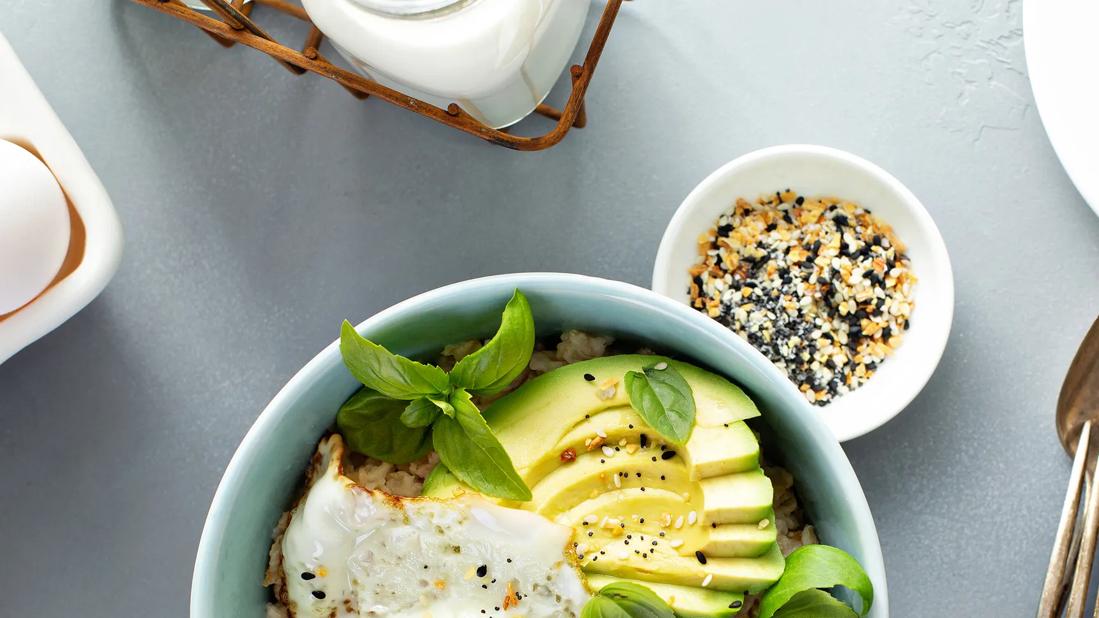
- Avocado
- Olive oil drizzled on cooked foods
- Nut butters stirred into oatmeal, smoothies, or yogurt
- Mashed potatoes with butter or olive oil
- Full-fat yogurt if tolerated
- Puddings, custards, and smoothies
- Hummus
- Cream soups and blended soups
Think of these foods as nutrition boosters. They help you get more fuel without asking your stomach to host a buffet.
3. Gentle Carbohydrates for Energy
Carbohydrates can be easier to tolerate than heavier foods when appetite is low. Bland, soft carbs are often useful when nausea, diarrhea, or early fullness show up uninvited.
Try foods such as:
- Oatmeal or cream of wheat
- White rice
- Toast, crackers, or plain bread
- Pasta or noodles
- Applesauce
- Bananas
- Mashed sweet potatoes or regular potatoes
- Low-fiber cereals softened with milk
If diarrhea is part of the picture, bland foods like bananas, rice, applesauce, toast, noodles, potatoes, and broth-based soups may be especially helpful for a while.
4. Cooked, Soft Fruits and Vegetables
Produce still matters, but raw salads and crunchy vegetables may not be your stomach’s best friend, especially during active symptoms or early after surgery. Cooked, canned, peeled, or blended produce is usually easier to handle.
Better-tolerated choices may include:
- Cooked carrots
- Cooked green beans
- Creamed spinach
- Squash or pumpkin puree
- Applesauce
- Canned peaches or pears in juice
- Ripe bananas
- Blended vegetable soups
When symptoms calm down, you may be able to slowly reintroduce more texture and fiber. The keyword is slowly. Your stomach prefers negotiations over surprise attacks.
5. Fluids and Nourishing Liquids
Hydration matters, but many people with stomach cancer feel too full if they drink a lot with meals. In that case, sipping between meals often works better.
Useful choices include:
- Water
- Herbal tea
- Milk or fortified plant milk if tolerated
- Broth
- Smoothies
- Oral nutrition drinks
- Clear nutrition drinks during flare-ups
After stomach surgery, many patients do better when they separate liquids from solids by about an hour instead of washing down meals bite by bite.
Foods To Avoid or Limit With Stomach Cancer
Not every “avoid” food is banned forever. Some are long-term limit foods, while others are simply common symptom triggers. The important question is not “Is this food morally bad?” but “Does this food make eating harder, more painful, or less nutritious for me?”
1. Large Meals
Big meals can worsen fullness, nausea, reflux, and dumping syndrome. Five to six smaller meals or snacks are usually more realistic than three oversized ones.
2. Sugary Foods and Sweet Drinks
Candy, regular soda, fruit juice, syrup-heavy drinks, cakes, and other high-sugar foods can worsen dumping syndrome after gastrectomy. Sugar does not need to be eliminated with military drama, but it often needs to be moderated. If sweets crowd out protein and calories from more nourishing foods, they become less helpful.
3. Greasy, Fried, and Very Fatty Foods
Fried chicken, bacon, onion rings, rich fast food, and heavily greasy meals can increase nausea, reflux, bloating, and general digestive regret. Some healthy fats are useful; a deep-fryer marathon usually is not.
4. Tough, Dry, or Chewy Foods
Tough red meat, dry chicken breast, crusty bagels, and fibrous cuts of meat may be difficult to chew and digest. Soft, moist textures are usually better.
5. Raw, Very High-Fiber, or Gas-Producing Foods
Raw vegetables, large salads, whole grains, bran-heavy cereals, lentils, and gas-producing vegetables may be hard to tolerate when your stomach is sensitive. These foods are not inherently bad, but they may need to be reduced temporarily if they cause bloating, pain, or early fullness.
6. Spicy, Acidic, Carbonated, and Caffeinated Triggers
Spicy foods, tomato-heavy dishes, garlic, onion, alcohol, coffee, and fizzy drinks can aggravate reflux, irritation, or fullness in some people. The key phrase is in some people. Personal tolerance matters.
7. Processed Meats, Smoked Foods, and Highly Salted Foods
Processed meats like bacon, sausage, ham, and deli meats are worth limiting. Smoked, pickled, cured, fermented, and heavily salted foods have also been linked with greater stomach cancer risk over time, so they are not ideal staples for a long-term eating pattern.
8. Raw or Undercooked Foods During Treatment
If chemotherapy or another treatment weakens your immune system, food safety becomes a much bigger deal. Avoid raw seafood, undercooked meat, runny eggs unless approved by your team, and unpasteurized products. When your body is busy fighting cancer, it does not need a side quest involving food poisoning.
Smart Eating Strategies That Often Help
Eat Small Meals Every 2 to 3 Hours
This is one of the most effective strategies for stomach cancer nutrition. Smaller portions are easier to tolerate, and frequent eating gives you more chances to meet calorie and protein needs.
Put Protein First
When appetite is poor, eat the most valuable part of the meal first. That usually means eggs, yogurt, fish, tofu, cottage cheese, or another protein source. If you get full quickly, let the protein win.
Chew Well and Eat Slowly
This sounds basic, but it matters. Large bites and fast eating can increase discomfort, especially if the stomach is partially blocked or healing after surgery.
Drink Between Meals Instead of With Meals
If liquids make you too full, shift more of your fluids to between meals. This can help you eat more solid food and may reduce dumping symptoms.
Choose Symptom-Based Foods
On nausea days, bland foods may work better. On diarrhea days, low-fiber foods may be smarter. On low-appetite days, smoothies and nutrition shakes may outperform a full plate of food. Flexibility is not failure; it is survival with a fork.
Watch for Vitamin and Mineral Deficiencies
After partial or total gastrectomy, some people need extra vitamin B12, iron, folate, or other supplements. This is not a “guess and hope” situation. Ask your oncologist or dietitian about lab monitoring and replacement if needed.
Work With an Oncology Dietitian
Few people should try to figure this out alone. An oncology dietitian can tailor food choices to your symptoms, surgery type, lab results, and treatment plan. That kind of individualized support can be a game changer.
Simple Sample Day of Eating
Here is a practical example of what a stomach cancer diet might look like for someone who tolerates soft foods:
- Breakfast: Oatmeal made with milk, stirred with peanut butter, plus scrambled eggs
- Mid-morning snack: Greek yogurt with mashed banana
- Lunch: Creamy chicken soup, mashed potatoes, and soft cooked carrots
- Afternoon snack: Nutrition shake or smoothie with yogurt and avocado
- Dinner: Baked fish, white rice, and creamed spinach
- Evening snack: Cottage cheese or pudding
That may not look glamorous enough for a cooking show, but it checks the boxes: gentle texture, steady protein, enough calories, and fewer opportunities for the stomach to stage a protest.
What Real-Life Experience Often Looks Like
Living with a stomach cancer diet is rarely neat, linear, or Instagrammable. For many patients, the hardest part is not learning what to eat. It is learning that what worked last Tuesday may suddenly feel terrible on Thursday. Appetite can disappear without warning. A favorite meal can smell wrong. A few bites can feel like a feast. And a well-meaning friend may say, “Just eat more,” which sounds helpful in theory and wildly unrealistic in practice.
One common experience is mourning your old relationship with food. People often miss spontaneity. They miss grabbing a burger, splitting pizza with friends, or sitting through a normal restaurant dinner without mentally calculating how many bites they can manage before fullness hits like a brick wall. Eating can start to feel less like pleasure and more like a part-time job. Not a fun part-time job either. More like paperwork, but with soup.
Patients also often describe a period of trial and error after surgery or during treatment. A food that seems “safe” on paper may still cause cramping, reflux, nausea, or diarrhea. That is why many people end up building a very personal list of “usually okay,” “sometimes okay,” and “absolutely not today.” For some, eggs are perfect. For others, eggs are suddenly the enemy. Some tolerate yogurt beautifully. Others do better with smoothies, soups, or soft grains. This constant adjustment can be frustrating, but it is also normal.
Caregivers feel this learning curve, too. They are often the ones trying to make nourishing food that does not trigger symptoms, all while watching the person they love lose interest in eating. Many caregivers say it helps to stop thinking in terms of three perfect meals and start thinking in terms of many small nutrition opportunities throughout the day. Half a sandwich, a few spoonfuls of cottage cheese, a protein shake, a mashed avocado, and a bowl of soup may not look impressive individually, but together they can add up to a much better nutrition day.
Social situations can be surprisingly emotional as well. Some people feel awkward when everyone else is eating normally while they are slowly working through a few bites of mashed potatoes. Others get tired of answering questions about why they are not drinking, why they are avoiding sweets, or why they suddenly need to eat tiny meals like a very polite squirrel. It can help to plan ahead, bring tolerated snacks, review menus before going out, or simply give yourself permission to keep gatherings short.
There is also a mental side to all of this. A better eating day can feel encouraging. A bad eating day can feel scary. That is why many patients say the biggest breakthroughs come from routine, flexibility, and support. Keeping easy foods on hand, eating before hunger gets extreme, accepting help, and staying in contact with the care team can reduce stress. Over time, many people do find a rhythm. It may not be the same rhythm they had before cancer, but it can still be nourishing, manageable, and surprisingly empowering.
Conclusion
A stomach cancer diet is less about following a strict universal rulebook and more about matching food choices to your body’s current reality. In most cases, that means soft or easy-to-digest foods, small frequent meals, protein at every eating opportunity, extra calories where you can get them, and fewer foods that trigger pain, reflux, bloating, or dumping syndrome. Avoiding processed meats, sugary drinks, greasy meals, alcohol, and foods that clearly irritate your stomach is usually a smart move, but personalization matters most.
If symptoms are intense or weight is dropping, bring in reinforcements. An oncology dietitian can help fine-tune your plan, protect your nutrition, and make food feel less like a daily ambush. With the right strategy, eating can become easier, safer, and much more supportive of treatment and recovery.