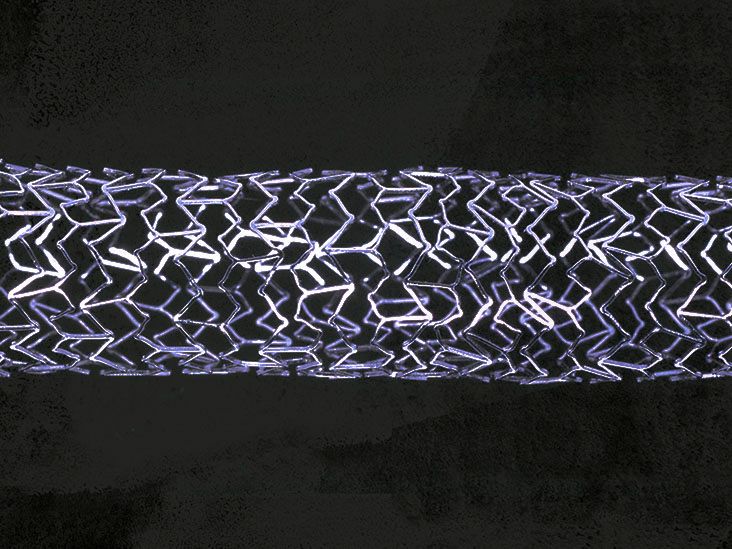
Stent placement sounds like one of those phrases doctors say casually while everyone else in the room nods with the confidence of people who definitely did not just Google it under the table. In simple terms, a stent is a tiny tube placed inside a narrowed or blocked passage in the body to help keep it open. Most people think of heart stents first, and that makes sense, because coronary stents are the stars of this medical category. But stents also show up in the carotid arteries, the legs, the ureters, the bile duct, and even the esophagus.
That wide range is exactly why this topic matters. “Stent placement” is not one single event with one single recovery story. It is more like a family of procedures with a shared goal: improve flow, relieve a blockage, and give that stubborn body passage a better chance to do its job. Sometimes the goal is urgent, like restoring blood flow during a heart attack. Other times it is about reducing symptoms, preventing future complications, or improving daily comfort.
This guide walks through the major types of stents, how placement is usually done, the biggest risks to know, what recovery often looks like, and what real-life experience can feel like once the dramatic hospital moment is over and regular life starts asking inconvenient questions like, “So… can I drive yet?”
What Is Stent Placement?
Stent placement is a procedure in which a physician inserts a small device into a narrowed or blocked area inside the body to hold that area open. In cardiovascular care, a stent is usually a tiny metal mesh tube placed after angioplasty, a procedure that uses a balloon to widen a narrowed artery. In other specialties, a stent may be made of metal, plastic, or other materials and may be placed with a catheter, an endoscope, or a urologic scope.
The key idea is support. A stent does not magically erase plaque, scar tissue, tumor pressure, or swelling. What it does is create a pathway. Think of it as a tiny scaffold with a very serious job description.
Common Types of Stents
1. Coronary Stents
These are placed in the coronary arteries, the vessels that feed the heart muscle. They are commonly used during percutaneous coronary intervention, often called PCI or angioplasty with stenting. Coronary stents are typically used when an artery is significantly narrowed or blocked by plaque. They may be placed during an emergency, such as a heart attack, or in a planned procedure when symptoms like chest pain or shortness of breath continue despite medication.
The two classic categories are:
- Bare-metal stents: These provide structural support without a medication coating.
- Drug-eluting stents: These slowly release medication that helps reduce the chance of the artery narrowing again.
In modern practice, drug-eluting stents are widely used because they help lower the risk of restenosis, which is the medical term for “the artery got narrow again, which is not the sequel anyone wanted.”
2. Carotid Stents
Carotid stents are used in the arteries in the neck that supply blood to the brain. These may be considered in selected patients with carotid artery disease, especially when the goal is to reduce stroke risk and open a narrowed artery without a larger surgery.
3. Peripheral Artery Stents
These are used outside the heart, often in the legs, to treat peripheral artery disease. If walking starts feeling like a negotiation with calf pain, and imaging shows a narrowed artery, angioplasty and stenting may help improve blood flow.
4. Ureteral Stents
A ureteral stent is a thin tube placed between the kidney and bladder to help urine drain. These are often temporary and may be used after procedures for kidney stones, after swelling, or when a blockage prevents normal flow. Unlike many vascular stents, these are not usually forever roommates.
5. Biliary Stents
Biliary stents are used to open a blocked bile duct. They may be placed when a tumor, scar tissue, or inflammation interferes with drainage. The goal is to relieve the backup of bile, reduce jaundice, and improve comfort or allow other treatment to proceed.
6. Esophageal Stents
Esophageal stents help keep the swallowing passage open. They are often used when a tumor or severe narrowing makes swallowing difficult. In the right situation, they can make eating and drinking much easier and improve quality of life in a very practical, very human way.
7. Stent-Grafts
Some vascular procedures use stent-grafts, which combine a metal framework with a fabric covering. These are often used in aneurysm repair rather than in standard coronary stenting. Same family name, very different house rules.
When Is Stent Placement Needed?
The reason for stent placement depends on the location. In the heart, it may be used during a heart attack, after abnormal stress testing, or when chest pain continues despite medications. In the legs, it may be used when poor circulation limits walking or threatens tissue health. In the carotid artery, it may be used to reduce the risk of stroke in carefully selected cases. In the urinary or digestive system, it may be used to relieve a blockage so urine, bile, or food can move again.
One important point often gets lost in the drama of the procedure itself: a stent treats a blocked or narrowed area, but it does not cure the underlying disease process. For example, a coronary stent can improve blood flow in one artery, but it does not make high cholesterol, diabetes, smoking, high blood pressure, or atherosclerosis disappear in a puff of cinematic smoke. Medication, follow-up care, and lifestyle changes still matter. A lot.
How the Procedure Usually Works
Before the Procedure
Preparation varies by stent type, but most patients go through some version of the same checklist: medical history, imaging, blood work, medication review, and fasting instructions. If a vascular stent is planned, the care team will also think carefully about bleeding risk, kidney function, allergies to contrast dye, and whether the patient takes blood thinners.
For coronary, carotid, or peripheral stents, the procedure is usually done in a catheterization or interventional radiology lab. For ureteral, biliary, or esophageal stents, placement may happen in the operating room, endoscopy suite, or a specialized procedure area.
During the Procedure
For vascular stents, the physician usually inserts a catheter through an artery in the wrist, arm, or groin. Using imaging guidance and contrast dye, the catheter is moved to the narrowed area. A small balloon may be inflated first to widen the vessel. Then the stent is expanded into place and left behind to support the artery.
For biliary or esophageal stents, an endoscope may be used to reach the blocked area internally. For ureteral stents, a urologist may place the stent through the bladder and ureter using a cystoscope or ureteroscope.
Many of these procedures are minimally invasive. That usually means no large incision, faster recovery, and fewer days in the hospital. It does not mean “tiny enough to ignore,” but it does mean the body often bounces back faster than after open surgery.
After the Procedure
Some patients go home the same day. Others stay overnight or longer, especially after a heart attack, if monitoring is needed, or if the stent was placed as part of a bigger medical problem. The care team watches for bleeding, rhythm changes, pain, kidney issues, and whether the treated area is functioning better.
Risks and Complications
No procedure is risk-free, and stent placement is no exception. The exact risks depend on the type of stent, the body area involved, and the patient’s overall health.
General risks can include:
- Bleeding or bruising where the catheter or scope entered the body
- Blood clots
- Damage to a blood vessel or nearby tissue
- Reaction to contrast dye, medications, or stent material
- Infection
- Pain or discomfort after the procedure
For coronary and other vascular stents, more serious but less common complications may include heart attack, stroke, arrhythmias, kidney injury, emergency surgery, in-stent thrombosis, and restenosis. In-stent thrombosis is a clot forming inside the stent. It is rare, but it can be dangerous, which is why patients are told again and again not to stop prescribed antiplatelet medication without medical advice.
For ureteral stents, common issues can include urinary urgency, frequent urination, flank discomfort, bladder irritation, and mild pain while the stent is in place. For esophageal stents, later problems can include pain, reflux, bleeding, movement of the stent, or tissue growing into the stent. For biliary stents, blockage or infection may occur, and some stents need replacement over time.
The bottom line is simple: stent placement is often highly effective, but it is not a “set it and forget it” kitchen gadget. It needs follow-up, and sometimes it needs maintenance, medication, or even repeat procedures.
Recovery After Stent Placement
The First 24 to 72 Hours
Most people feel tired, sore, or mildly bruised at the access site for a short time. If the stent was placed through the wrist or groin, the care team usually advises avoiding heavy lifting and strenuous activity for a few days. Walking is commonly encouraged, but the key word is walking, not “celebrating recovery by reorganizing the garage.”
Patients are often told to drink fluids after vascular procedures to help clear contrast dye from the body, unless another medical condition limits fluid intake. Shower instructions, wound care, and driving restrictions vary based on the access site and the reason for the procedure.
Medication Matters
After a coronary stent, many patients need dual antiplatelet therapy for a period of time, often aspirin plus another antiplatelet medication. The exact duration depends on the type of stent, whether the patient had a heart attack, and the person’s bleeding risk. This is not an optional side quest. Stopping medication early can sharply raise the risk of clotting inside the stent.
Other medicines may include cholesterol-lowering therapy, blood pressure treatment, diabetes management, and drugs to reduce chest pain. In other types of stenting, patients may also receive medications for pain, reflux, bladder symptoms, or infection prevention depending on the situation.
Returning to Normal Activities
Recovery time is not identical for every stent. A planned coronary angioplasty may lead to a relatively quick return to light daily activity. A stent placed during a major heart event may involve a longer recovery because the stent is only part of the story; the heart attack itself also needs healing. Ureteral stents may allow quick mobility but can remain annoying while they are in place. Esophageal and biliary stents may improve symptoms quickly but still require monitoring and repeat visits.
For heart patients, cardiac rehabilitation can be a major part of recovery. It combines supervised exercise, education, and risk-factor management. Translation: it helps patients recover smarter, not just harder.
Warning Signs During Recovery
Call a healthcare professional right away, or seek urgent care, if recovery includes chest pain, trouble breathing, fainting, heavy bleeding, signs of stroke, fever, severe swelling, worsening pain, or new symptoms related to the treated area. Anyone with symptoms of heart attack or stroke should seek emergency care immediately.
Long-Term Outlook
Many patients do very well after stent placement. In coronary disease, a stent can restore blood flow, relieve angina, and in the right emergency setting save heart muscle and reduce damage. In peripheral disease, it may improve walking and circulation. In urinary or digestive obstruction, it can significantly improve comfort and function. In some cancer-related situations, stents are an important part of symptom relief and quality-of-life care.
Still, long-term success depends on more than the procedure itself. Follow-up appointments, imaging, medication adherence, smoking cessation, blood pressure control, cholesterol management, diabetes care, nutrition, physical activity, and mental health support all matter. The stent may open the door, but the rest of care decides what happens after you walk through it.
What Real Recovery Experiences Often Feel Like
Here is the part patients usually care about once the consent form is signed and the discharge papers land in their lap: what does life actually feel like afterward?
For many people with a heart stent, the first surprise is how ordinary recovery can look on the outside and how strange it can feel on the inside. You may be home quickly. You may even look fine. But it is common to feel tired, cautious, and emotionally rattled. Some people are relieved because chest pressure improves fast. Others become hyper-aware of every heartbeat, every twinge, every moment of fatigue. That does not always mean something is wrong. Sometimes it means a scary health event just happened and your brain has not exactly moved on with spa-level calm.
Patients often describe the access site as sore, bruised, or tender for a few days. If the wrist was used, opening jars may suddenly feel like a deeply personal betrayal. If the groin was used, bending and lifting may feel awkward for a short time. The goal in those early days is usually simple: walk a bit, rest a bit, take the medication exactly as directed, and resist the classic temptation to prove you are “back to normal” by doing too much too soon.
Medication routines are another real-world adjustment. People with coronary stents often talk about how seriously their care team emphasizes antiplatelet therapy. And yes, there is a reason. Patients learn quickly that the stent is not just a mechanical fix; it is part procedure, part medication plan, part lifestyle reset. Missing doses is not a tiny oversight. It can be dangerous.
Emotionally, some patients feel grateful and energized after a stent. Others feel anxious, frustrated, or unexpectedly down. That is especially true when the stent follows a heart attack. Recovery can bring a strange mix of “I’m lucky to be here” and “Why do I feel so worried all the time?” Cardiac rehab helps many people because it replaces vague fear with structured progress. There is something powerful about being guided through safe exercise by professionals who know the difference between normal effort and a bad idea.
Experiences differ with non-cardiac stents too. People with ureteral stents often say the relief of restored urine flow comes with a trade-off: bladder irritation, urgency, and discomfort that can be annoying until the stent is removed. People with esophageal stents may describe a major improvement in swallowing but still need time to adjust to eating slowly and choosing foods carefully. Patients with biliary stents may feel better as drainage improves, but follow-up remains important because some stents can clog or need exchange.
The most useful truth is this: a successful stent does not always make you feel perfect overnight. What it often does is make recovery possible. It creates room for healing, for rehab, for symptom relief, and for daily life to become manageable again. That is not flashy, but it is meaningful. And in medicine, meaningful usually beats flashy by a mile.
Final Thoughts
Stent placement is one of the most important minimally invasive tools in modern medicine. Whether it is reopening a coronary artery, improving blood flow to the brain or legs, draining urine from a blocked ureter, or helping a person swallow more comfortably, the purpose is the same: restore flow and reduce harm.
The details, though, matter. The type of stent, the location, the reason for placement, the patient’s health conditions, and the recovery plan all shape the experience. That is why the smartest way to think about stent placement is not as a one-size-fits-all fix, but as a targeted procedure with serious benefits, real risks, and a recovery plan that deserves respect.
In other words, the stent may be tiny, but the follow-through is not.