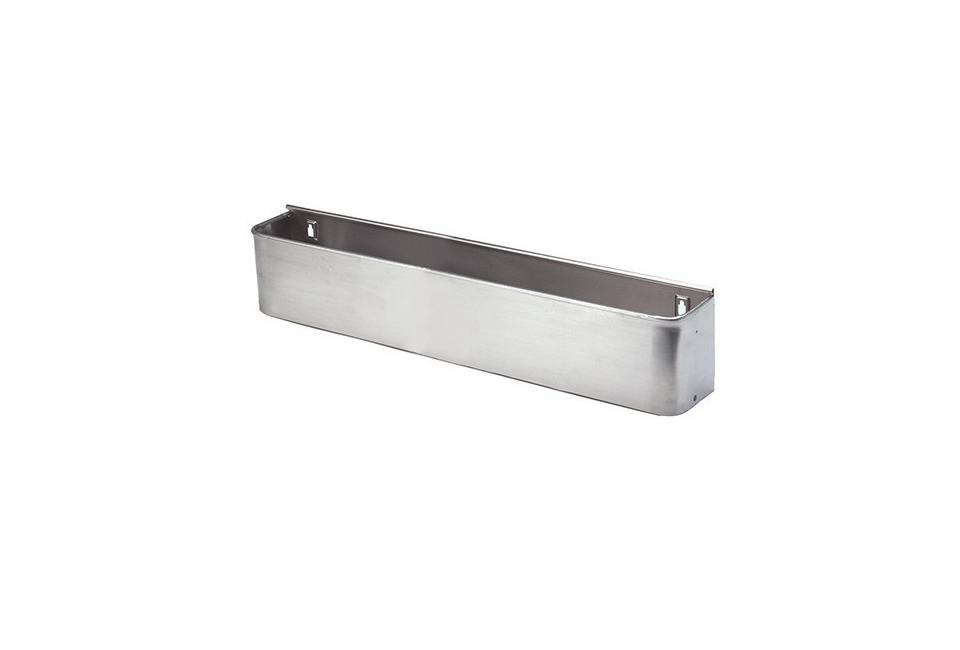
If bar equipment had an awards show, the stainless steel bottle trough would not win Best Dressed. It would, however, win “Most Likely to Save a Bartender From Chaos at 8:47 p.m. on a Friday.” This humble piece of equipment is one of those behind-the-scenes heroes that rarely gets the spotlight, even though it quietly keeps bottles organized, chilled, accessible, and out of the way of full-scale service panic.
In the United States, the term stainless steel bottle trough usually refers to a commercial bar or beverage-station component designed to hold bottles, mixers, condiments, or related drink essentials. Depending on the setup, it may be a wall-mounted bottle trough, a bottle well integrated into an underbar ice bin, or a bottle storage section built into a larger cocktail station. Some versions are simple. Others are practically the Swiss Army knife of beverage service, paired with ice bins, sliding lids, cold plates, speed rails, splash protection, and drainage systems.
What makes this equipment worth talking about is not just the shape of the trough. It is the material, the layout, the sanitation value, and the workflow benefits. Stainless steel earns its place because it is durable, corrosion-resistant, easy to clean, and visually right at home in high-volume bars, restaurants, hotel beverage counters, coffee stations, and catered event setups. If you are shopping for one, replacing an old unit, or just trying to understand why everyone in foodservice keeps obsessing over stainless, this guide lays it all out in plain English.
What Is a Stainless Steel Bottle Trough?
A stainless steel bottle trough is a narrow or compartmentalized storage unit designed to keep bottles within fast reach. In a bar, that usually means liquor bottles, juice bottles, syrups, wine, mixers, or soda components. In other beverage programs, it may hold creamers, flavoring bottles, chilled condiments, or bottled drinks waiting for service.
The “trough” part matters because the shape is long, open, and built for access. Unlike a standard shelf, a trough is intended to hold items securely while still letting staff grab them quickly. Unlike a cooler, it is about workflow first and refrigeration second. Some troughs are insulated or designed to sit next to ice. Others are open bottle wells or bottle sections paired with chilled storage. The goal is always the same: keep the most-used items close enough that nobody has to do a full cardio routine just to make a drink.
Commercial models come in several common formats. Some are single-tier wall-mounted troughs for quick-access bottle storage. Some are double troughs that expand capacity without chewing up too much footprint. Others are modular underbar bottle storage bins, often sized to connect with neighboring ice bins, dump sinks, workboards, or speed rails. In more advanced bar layouts, bottle troughs live inside combination ice bins, where bottles are organized in their own section while the main bin stores service ice.
Why Stainless Steel Is the Smart Choice
There is a reason stainless steel dominates commercial foodservice equipment. It is not because restaurant owners enjoy spending money on shiny metal for sport. It is because stainless steel balances hygiene, durability, corrosion resistance, and longevity better than most practical alternatives.
For beverage stations, that matters a lot. Bottle troughs live in a messy world. They are exposed to ice, citrus, syrups, hard water, spills, condensation, sanitizer, and constant grabbing, sliding, and restocking. A weaker material may stain, crack, absorb odors, chip, or rust at the exact moment you need it most. Stainless steel, especially the grades commonly used in foodservice, is far better equipped to handle that kind of punishment.
Another big advantage is cleanability. Smooth surfaces, well-finished welds, and minimal exposed seams make stainless steel easier to wipe down and sanitize properly. That is especially important in any station where bottles, garnish containers, or beverage accessories are handled repeatedly during service. Even when the trough itself is not a direct food-contact surface, it still sits in the splash zone, which means it needs to stay clean, dry, and easy to maintain.
Stainless also looks professional. That may sound cosmetic, but appearance matters in visible beverage programs. A well-kept stainless steel bottle trough signals order, consistency, and cleanliness. In a front-facing bar, that visual impression is part of the guest experience. In the back-of-house or underbar area, it still matters because staff work better in organized spaces that feel built for the job rather than cobbled together from whatever happened to survive the last remodel.
304 vs. 316 Stainless Steel: Does It Matter?
Yes, but not always in a dramatic, soap-opera way.
For most commercial beverage and bar applications, 304 stainless steel is the default workhorse. It offers strong corrosion resistance, dependable durability, and an excellent balance between cost and performance. That is why you see 304 stainless steel so often in underbar equipment, divider walls, worktops, bottle sections, and related foodservice gear.
316 stainless steel becomes more attractive when the environment is harsher. If your operation has heavy chloride exposure, very aggressive cleaning chemicals, salty air near coastal locations, or unusually demanding sanitation conditions, 316 can be worth the extra money. Think of 304 as the reliable all-rounder and 316 as the upgrade package for tougher surroundings.
For many buyers, the smartest question is not “Which grade sounds fancier?” but “What will this trough actually face every day?” A rooftop bar near the ocean is not the same as a hotel breakfast station in Ohio. Buy for the environment, not for bragging rights.
Common Types of Stainless Steel Bottle Troughs
Wall-Mounted Bottle Troughs
These are compact, accessible, and great for keeping frequently used bottles directly in front of the bartender. Single and double designs are common, and they work well when counter space is limited but wall access is available. They are popular in bars that need speed without adding another bulky floor unit.
Underbar Bottle Wells
These are modular storage sections built to sit in a larger underbar lineup. They may be open chest designs or integrated bottle-well assemblies with covers. They are ideal for operations that want a clean, professional line of connected equipment instead of a patchwork arrangement that looks like it was assembled during a power outage.
Combination Ice Bin and Bottle Section Units
This is where functionality really ramps up. Combination stations may include an insulated ice bin, a separate bottle section, a cold plate, sliding covers, or a built-in speed rail. These units are built for volume. They help bartenders move faster by keeping ice, bottles, and service tools in one organized zone.
Beverage and Coffee Station Troughs
Not every bottle trough is built for a cocktail bar. Some stainless troughs are installed in beverage counters, coffee service tables, or urn stations to manage drips, spills, and bottle or container access. In these setups, the trough may serve more as a drainage or support feature than a bottle-chilling zone, but the same logic applies: clean design, durable material, easier maintenance.
Features That Actually Matter Before You Buy
1. Smooth Interior Construction
Look for a design with a smooth inner liner and as few exposed joints or seams as possible. This makes cleaning easier and reduces the number of awkward little places where residue, moisture, or mystery stickiness can hide. Mystery stickiness is one of the least charming parts of beverage service.
2. Drainage and Spill Control
If the trough will live near ice, wet bottles, or active beverage prep, drainage matters. Some units include drains, drip-handling features, or companion trough systems for spills. Others rely on removable racks or bottle wells that simplify cleanup. Either way, you want moisture managed, not invited to settle in like a bad roommate.
3. Realistic Capacity
Do not shop by width alone. Ask what the unit is supposed to hold and how many staff members need access during peak service. A narrow trough may be perfect for a small bar with a tight cocktail list. A busy stadium concession or high-volume restaurant bar may need a wider underbar unit with integrated bottle holders and serious ice capacity.
4. Insulation and Chilling Strategy
Some bottle troughs simply store. Others help chill. If your bottles need to stay cold, look for insulated sections, bottle wells with covers, or combination ice-bin units. If the trough mainly keeps backup bottles and mixers close at hand, insulation may be nice but not essential.
5. Integration With the Rest of the Bar
The best bottle trough is not just a good product. It is a good fit. Think about whether it needs to align with an ice bin, speed rail, sink, dump sink, workboard, liquor display, or refrigeration unit. In a commercial bar, layout beats theory every single time.
6. Gauge and Build Quality
Heavier-duty stainless tops and better weld quality generally translate into better durability. Commercial product lines often vary by gauge, finish, liner depth, and accessory compatibility. If the trough will take daily abuse, buy something built for daily abuse. Revolutionary idea, I know.
Where Stainless Steel Bottle Troughs Work Best
The most obvious home is the commercial bar, but that is only the beginning. A stainless steel bottle trough also makes sense in hotel beverage counters, banquet service stations, coffee bars, event spaces, quick-service beverage lines, breweries, tasting rooms, and even premium self-serve breakfast setups where organization and cleanliness matter.
In each case, the value comes from the same combination of benefits: fast access, better bottle organization, easier cleanup, and a more professional station layout. It also helps reduce clutter, which is one of those sneaky operational problems that nobody budgets for but everybody pays for in slower service.
How to Clean and Maintain a Stainless Steel Bottle Trough
A good bottle trough does not ask for much, but it does expect basic respect. Clean first with soap and water or an appropriate cleaner. Rinse when needed. Dry thoroughly. Use sanitizers that are safe for the type of surface and suitable for food-contact areas when relevant. Always follow the product label, especially if the trough sits near consumables, garnish zones, or beverage prep.
For stainless specifically, avoid steel wool, harsh abrasion, and cleaners with chlorides when possible. Those can damage the protective surface layer and increase the risk of staining or pitting. Wipe with the grain when visible, remove standing water, and do not let syrup, citrus residue, or mineral deposits camp out overnight like they pay rent.
Routine inspection helps too. Check seams, bottle wells, covers, rack inserts, drain openings, and connection points. If a unit is modular, make sure adjacent sections still line up correctly and that removable parts are cleaned separately when needed. A bottle trough is not complicated, but neglect can make even simple equipment act dramatically.
Mistakes Buyers Make
The first mistake is buying a trough without thinking through workflow. It is surprisingly easy to choose a model that looks right on paper but forces staff to twist, reach, or cross paths in service. Efficiency is the whole point, so layout should lead the decision.
The second mistake is assuming all stainless steel units are basically identical. They are not. Differences in grade, seam design, liner depth, compatibility, insulation, drainage, and accessory support can affect performance more than buyers expect.
The third mistake is ignoring maintenance. Stainless steel is durable, not magical. If staff use the wrong cleaner, leave standing water, or scrape the surface with the enthusiasm of a demolition crew, even a good unit will age badly.
Is a Stainless Steel Bottle Trough Worth It?
For most beverage programs, yes. A stainless steel bottle trough improves speed, organization, sanitation, and station design in one move. It keeps bottles where they belong, supports cleaner service, and reduces the counter clutter that turns a well-run bar into a scavenger hunt.
It is not the flashiest purchase in the building. Nobody walks into a bar and says, “Wow, look at that thrilling bottle trough.” But they do notice faster service, cleaner stations, fewer awkward fumbles, better organization, and an overall sense that the operation knows what it is doing. That is the quiet power of well-chosen equipment.
And that is exactly why the stainless steel bottle trough matters. It is practical, durable, sanitary, and built for the kind of daily work that makes hospitality look effortless, even when it absolutely is not.
Experience-Based Notes: What Using a Stainless Steel Bottle Trough Actually Feels Like
On paper, a stainless steel bottle trough sounds simple. In actual use, it changes the rhythm of a station. The first thing people usually notice is not the metal, the gauge, or the spec sheet. It is the reduction in small annoyances. Bottles stop wandering across the counter. Mixers stop playing hide-and-seek. Staff stop reaching into awkward corners or stacking items in places they clearly should not be stacked. The station starts feeling intentional instead of improvised.
In a busy bar, that difference shows up fast. During the slow part of the day, almost any setup looks acceptable. During the rush, weak layouts expose themselves immediately. A good bottle trough creates a repeatable pattern. The same bottles go in the same place. Restocking gets easier. New staff learn the station faster. Service becomes less about memory and more about muscle memory, which is exactly where you want it when orders start flying.
There is also a cleanliness benefit that people tend to appreciate more over time. Stainless steel does not make mess disappear, but it makes mess easier to spot and easier to remove. Syrup splashes, citrus drips, melting ice, and water spots are visible, which sounds annoying until you realize that visible mess is much easier to fix than hidden mess. In day-to-day operations, that means wipe-downs are quicker, closing tasks feel less chaotic, and managers have fewer “What happened here?” moments.
Another common experience is that stainless steel bottle troughs make a station feel calmer. That may sound dramatic for a metal container, but anyone who has worked a crowded service line knows that clutter creates stress. When bottles are organized in a trough or bottle well, the counter opens up. Tools have room. Garnish containers have room. Hands have room. That extra breathing space improves more than appearance. It improves movement, speed, and confidence.
Operators also tend to like the professional look. Stainless steel has a way of making a beverage station feel permanent and well planned. It signals that the station was built to work, not merely survive. Whether the setup is visible to guests or tucked behind the bar, that matters. Staff often take better care of stations that look like real equipment systems instead of temporary experiments assembled from random bins and wishful thinking.
Perhaps the most useful long-term experience is reliability. A quality stainless steel bottle trough usually becomes one of those pieces of equipment people stop thinking about because it simply does its job. And in foodservice, that is the dream. Not glamorous. Not trendy. Just dependable, easy to clean, and ready for another shift.