Building a deck is one of those home projects that starts with a dreamy sentence like, “Wouldn’t it be nice to have coffee outside?” and quickly becomes a full-blown investigation into joist spacing, fastener coatings, railing codes, board lengths, moisture ratings, and why the word “ledger” suddenly has nothing to do with accounting. The good news? Sourcing and buying materials to build a deck does not have to feel like preparing for a construction-law exam with a shopping cart.
The best deck projects begin long before the first board comes home. A smart material plan helps you avoid waste, delays, safety issues, mismatched colors, and the classic weekend-warrior tragedy of needing exactly six more screws after the store closes. Whether you are building a small backyard platform, a raised entertainment deck, or a low-maintenance composite retreat, the right sourcing strategy can save money and prevent headaches.
This guide breaks down how to choose deck materials, where to buy them, what to inspect before checkout, and how to think like a builder instead of a person wandering the lumber aisle whispering, “Is this one straight?”
Start With the Deck Plan Before You Buy Anything
Before pricing deck boards or falling in love with a rich walnut-colored composite sample, define the deck itself. Materials depend on size, height, layout, climate, code requirements, and how the deck will be used. A grill station, hot tub, outdoor dining area, and stair system all change the materials list.
Know Your Deck Size and Shape
Start with a measured drawing. It does not need to be a museum-quality blueprint, but it should include deck length, width, stair placement, railing locations, house attachment points, and any special features such as benches, privacy screens, pergolas, lighting, or built-in planters.
For example, a simple 12-by-16-foot deck has 192 square feet of surface area. But that does not mean you buy exactly 192 square feet of decking. You need to account for board spacing, trimming, stairs, picture framing, mistakes, and waste. For standard straight decking, many builders add about 10% extra. For diagonal layouts, borders, or complex patterns, 15% or more may be safer.
Check Local Building Requirements
Decks are structural, not decorative furniture. Local building departments may require permits, inspections, footing depths, guardrail heights, stair dimensions, ledger attachment details, lateral load connections, and approved materials. Requirements can vary by city, county, snow load, wind zone, wildfire zone, coastal exposure, and whether the deck is attached to the house.
This matters when buying materials because structural lumber, connectors, fasteners, flashing, railing systems, and footings must match the approved design. Buying first and asking code questions later is how people end up with a beautiful pile of unusable lumber and the facial expression of a confused raccoon.
Understand the Main Deck Material Categories
Deck materials fall into two big groups: structural materials and finish materials. The frame holds the deck up. The surface and railing create the look, comfort, and maintenance level. A strong deck needs both sides of the equation.
Pressure-Treated Lumber
Pressure-treated lumber is one of the most common choices for deck framing and budget-friendly decking. It is treated to resist rot, decay, and insect damage, making it suitable for outdoor construction when used correctly. It is widely available, relatively affordable, and familiar to most builders.
For framing, look for pressure-treated lumber with proper grade stamps and end tags. Structural members are commonly specified as No. 2 grade or better, depending on the design and local code. For posts, beams, joists, ledgers, and other framing components, do not shop by appearance alone. A pretty board with the wrong rating is still the wrong board.
Pay close attention to “above ground” versus “ground contact” treatment. Deck parts close to soil, exposed to trapped moisture, difficult to replace, or located where leaves and debris may collect may need ground-contact-rated material. When in doubt, choose the more durable rating recommended by your local code, supplier, or design professional.
Cedar, Redwood, and Other Natural Woods
Cedar and redwood are prized for their natural beauty, lighter weight, and resistance to decay. They can be excellent choices for visible decking, rails, privacy screens, and trim. However, they usually cost more than pressure-treated pine and still require maintenance. Without cleaning and sealing, natural wood can gray, check, splinter, or weather unevenly.
When sourcing cedar or redwood, ask about grade, heartwood content, kiln drying, and board consistency. Clearer grades look beautiful but cost more. Knotty grades can look rustic and charming, but you need to inspect for loose knots, cracks, and weak spots.
Tropical Hardwoods
Ipe, tigerwood, garapa, cumaru, and similar hardwoods offer dense, durable, high-end decking surfaces. They can last a long time with proper installation, but they are harder to cut, drill, and fasten. They may require special blades, predrilling, stainless steel fasteners, and careful sourcing.
If you buy tropical hardwood, look for responsible sourcing certifications and buy from a reputable dealer. This is not the place for mystery wood from a suspiciously cheap online listing that looks like it was photographed in a warehouse during a power outage.
Composite Decking
Composite decking is made from a blend of wood fibers and plastic, often with a protective cap. It is popular because it resists rot, splintering, and frequent staining. Composite boards come in many colors, textures, widths, and price points. They are a strong choice for homeowners who want a wood-like look with less annual maintenance.
Composite decking still needs correct installation. You must follow manufacturer instructions for joist spacing, gapping, ventilation, approved fasteners, stair treads, and heat-related considerations. Darker colors can become hot in direct sun, so samples should be viewed outdoors before buying. Your bare feet will provide brutally honest market research.
PVC and Capped Polymer Decking
PVC and capped polymer decking contain no wood fiber. They are lightweight, moisture-resistant, and often used where low maintenance and high durability are priorities. They can be excellent around pools, damp climates, and shaded areas where traditional wood might struggle.
The tradeoff is price. PVC and capped polymer boards often cost more upfront, and they require compatible fasteners and careful handling. Like composite decking, they should be installed according to the manufacturer’s specifications.
Build a Complete Deck Materials List
A deck shopping list is more than deck boards. Many first-time builders price the visible surface and forget the bones, shoes, belt, suspenders, and raincoat of the structure. A complete list helps you compare quotes accurately.
Structural Framing Materials
Your framing package may include posts, beams, joists, rim joists, blocking, bracing, ledger boards, stair stringers, and possibly additional support for heavy features. Pressure-treated lumber is commonly used here, even when the walking surface is composite or PVC.
Confirm lumber dimensions and spans from approved plans. Do not guess joist size based on what looks “beefy enough.” Deck framing is engineered to carry people, furniture, snow, wind, and movement. “Beefy enough” is not a building standard, even if it sounds confident.
Decking Boards
Deck boards may be wood, composite, PVC, or hardwood. Choose board length carefully. Longer boards can reduce seams, but they cost more, are harder to transport, and may need special ordering. Standard lengths often include 8, 12, 16, and 20 feet, depending on material and supplier.
If your deck is 16 feet wide, 16-foot boards may create a clean surface with fewer butt joints. If your deck is 18 feet wide, you may need a seam layout, divider board, or picture-frame design. Plan seams intentionally so the finished deck looks designed, not patched together after lunch.
Fasteners and Hidden Fastener Systems
Fasteners must match the decking material and the treated lumber chemicals. For pressure-treated lumber, use approved exterior-rated, corrosion-resistant screws or nails. For coastal areas or high-corrosion environments, stainless steel may be required or strongly recommended.
Composite and PVC boards often use hidden clips, grooved boards, color-matched screws, or plug systems. These create a cleaner surface, but they add cost and must be counted carefully. Always buy the manufacturer-approved fastener system when required for warranty coverage.
Connectors, Hangers, and Hardware
Joist hangers, post bases, post caps, tension ties, angle brackets, beam connectors, stair connectors, and structural screws are not optional decorations. They are part of the safety system. Use hardware designed for deck construction and install it with the exact fasteners specified by the manufacturer.
One common mistake is buying the right connector and the wrong nail or screw. Connector holes are tested with specific fastener types and sizes. Substituting random screws from the garage may feel resourceful, but it can reduce strength. Save the improvisation for barbecue sauce.
Flashing, Joist Tape, and Water Management
Water is the villain in most deck stories. Flashing protects the house where an attached deck meets the wall. Joist tape or flashing tape can help protect the tops of joists and beams from trapped moisture. Proper spacing and ventilation also help the frame dry out after rain.
If you are attaching a deck to a house, ledger flashing deserves special attention. A poorly flashed ledger can cause rot in the deck and the home. Buy compatible metal or membrane flashing and follow local code and manufacturer recommendations.
Concrete, Footings, and Post Supports
Footing materials may include concrete mix, form tubes, gravel, anchor bolts, post bases, and hardware. Footing depth depends on local frost depth, soil conditions, deck loads, and code requirements. In cold climates, shallow footings can heave when the ground freezes. In warm climates, drainage and soil stability still matter.
Railing, Stairs, Fascia, and Finishing Materials
Railing systems may be wood, composite, aluminum, steel, cable, glass, vinyl, or mixed materials. Stairs require treads, risers, stringers, railing, grips, landing materials, and lighting where required. Fascia boards, trim, skirting, post sleeves, caps, lattice, and lighting can dramatically change the final look and budget.
When comparing deck material prices, include these finishing pieces. A composite deck board may be only one part of the system. Matching fascia, stair boards, hidden fasteners, railing kits, and plugs can turn a “reasonable” quote into a surprise party for your credit card.
Where to Source Deck Materials
There is no single best place to buy deck materials. The right source depends on budget, availability, product type, delivery needs, and how much advice you need.
Local Lumberyards
A good lumberyard can be a deck builder’s best friend. Lumberyards often carry better framing lumber, specialty lengths, premium wood species, contractor-grade hardware, and staff who understand local building practices. They may also help with takeoffs from drawings.
For serious projects, get a quote from at least one local lumberyard. Even if a big-box store has lower shelf prices on some items, the lumberyard may offer better quality, straighter boards, better delivery handling, or more accurate ordering.
Big-Box Home Improvement Stores
Major retailers are convenient and often have pressure-treated lumber, composite decking, railing kits, concrete, tools, screws, and basic connectors in stock. They also provide online calculators, buying guides, delivery options, and easy access to samples.
The downside is that inventory quality can vary by location and season. Inspect boards before buying, especially if choosing wood decking. If you are ordering online for delivery, ask about return policies for damaged, warped, or mismatched materials.
Specialty Decking Dealers
Specialty dealers are useful for composite, PVC, hardwood, aluminum railing, cable railing, lighting, drainage systems, and high-end outdoor living products. They may have larger sample displays and better product knowledge than general retailers.
If you are investing in premium decking, visit a dealer and compare samples in person. Photos rarely show texture, sheen, color variation, or how a board looks in full sun versus shade.
Online Suppliers
Online buying can work well for specialty fasteners, hidden clips, samples, lighting kits, railing components, and hard-to-find accessories. For large decking orders, shipping costs and freight handling can be significant. Always confirm lead times, return rules, damage claims, and whether the product comes from the same lot.
How to Compare Deck Material Quotes
A low quote is not always the best quote. Compare line by line. Are the board lengths the same? Is the composite line the same quality tier? Are fasteners included? Is railing included? Does the quote include delivery, tax, returns, and special-order fees?
For example, one quote may include premium hidden fasteners and fascia boards, while another includes only deck boards. One may specify stainless steel hardware, while another lists generic exterior screws. These are not equal bids.
Ask These Questions Before Buying
- Is this lumber rated for the intended use?
- Are the deck boards from the same color lot or production run?
- What fasteners are approved for this material?
- Does this product require special joist spacing?
- What is the lead time for special-order boards or railing?
- What is the return policy for unused boards?
- Is delivery curbside only, or will materials be placed near the work area?
- Are stair, fascia, trim, and railing components included?
Inspect Materials Before You Accept Delivery
Inspection is not being picky. It is protecting your project. For wood, check for severe warp, twist, crown, splits, excessive wane, loose knots, mold, and damaged edges. Some crown is normal in framing lumber, but badly twisted joists can make installation miserable.
For composite or PVC decking, check packaging, color consistency, scratches, crushed edges, and correct profile. Grooved and square-edge boards are not interchangeable in every layout. If your design uses picture framing, you may need square-edge boards for borders and grooved boards for the field.
Count everything before the delivery truck leaves if possible. Missing connector boxes or fastener packs can delay work more than missing one board. The smallest items often create the loudest problems.
Storage Tips Before Installation
Store lumber flat, off the ground, and supported evenly. Keep it covered but ventilated. Trapping moisture under a tight plastic tarp can encourage mold and staining. Composite and PVC boards should also be stored flat and supported to prevent sagging or distortion.
If materials will sit for more than a few days, choose a shaded, dry, organized area. Stack boards by type and length. Keep hardware indoors or in sealed containers. Label special-order pieces so they do not accidentally become blocking, spacers, or someone’s temporary workbench.
Budgeting for Deck Materials
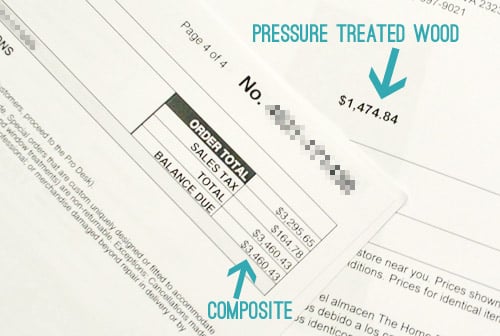
Deck material costs vary widely by region, season, design, brand, and quality. Pressure-treated wood is usually the most budget-friendly option upfront. Cedar and redwood cost more. Composite and PVC cost more initially but may reduce long-term maintenance. Tropical hardwoods can be premium investments.
As a practical example, a 300-square-foot deck may require not only 300 square feet of decking, but also framing lumber, posts, beams, joists, hardware, footings, stairs, railing, fascia, fasteners, flashing, and waste allowance. The visible deck boards may be the star of the show, but the supporting cast gets paid too.
Build a budget with three columns: must-have structural materials, visible finish materials, and optional upgrades. This makes it easier to trim costs without compromising safety. If money gets tight, simplify the border design or choose a less expensive railing style before downgrading critical connectors or footing materials.
Common Buying Mistakes to Avoid
Buying Deck Boards Before Finalizing the Frame
Deck board choice affects joist spacing, fastener type, stair details, and blocking. Choose the surface material early, but buy after the framing plan is confirmed.
Forgetting the Small Hardware
Hangers, screws, bolts, washers, post bases, flashing tape, and structural connectors add up. They also determine whether the deck is safe and durable.
Mixing Incompatible Materials
Some treated lumber chemicals can corrode incompatible metal. Some fasteners are not approved for certain composites. Some flashing metals should not touch certain preservatives. Compatibility matters.
Underestimating Waste
Perfect material math exists only in spreadsheets and fantasy novels. Real boards have defects, cuts, patterns, and mistakes. Add a reasonable waste factor.
Ignoring Maintenance Costs
A cheaper wood deck may need cleaning, staining, sealing, and board replacement over time. A pricier composite deck may cost more upfront but require less annual work. Compare lifetime value, not only checkout price.
Experience-Based Tips for Sourcing And Buying Materials To Build A Deck
After helping plan and review many deck material lists, one lesson stands above the rest: the best deck buyers slow down before they speed up. They do not walk into a store with a vague idea and hope the lumber aisle magically arranges itself into a safe outdoor living space. They measure, sketch, ask questions, compare, and then buy with confidence.
One practical experience is to shop in two rounds. The first round is research. Visit a lumberyard, a big-box store, and, if using composite or PVC, a specialty decking dealer. Touch the boards. Look at full-size samples. Ask what local contractors buy most often and what products get returned. You will learn more from a 20-minute conversation with a knowledgeable counterperson than from three hours of scrolling product photos at midnight.
The second round is purchasing. By then, you should have a material list, plan, and preferred products. Send the same list to multiple suppliers so quotes are comparable. Do not simply ask, “How much for a deck?” Ask for specific sizes, lengths, grades, hardware, fasteners, railing kits, delivery charges, and availability. This prevents the apples-to-oranges quote problem, where one supplier includes the whole orchard and another includes one shiny apple.
Another hard-earned tip: buy samples before buying a full composite or PVC package. Put samples outside for several days. Look at them in morning light, harsh afternoon sun, and shade. Walk on them barefoot if heat is a concern. Scratch them lightly with a key on the underside or test piece if the dealer allows it. Place patio furniture feet on them. A color that looks perfect under store lights may look totally different beside your siding, stone, or landscaping.
For wood, inspect boards in person whenever possible. Choose straight joists and beams first because framing problems echo through the entire deck. A slightly ugly joist can still perform if structurally sound, but a twisted joist can make deck boards fight back like they have personal opinions. For visible decking, be pickier. Look for consistent color, fewer defects, and boards that will create a clean walking surface.
Delivery planning is another underrated skill. A deck package can be heavy, long, and awkward. Decide where materials should be dropped before the truck arrives. Keep them close enough to the work area to save labor, but not where they block a driveway, garage, gate, or inspection path. Put stickers or spacers under lumber stacks, keep materials flat, and protect hardware from rain.
Finally, buy extra fasteners. Not wildly extra, not “open a screw museum” extra, but enough to handle dropped screws, stripped heads, layout changes, and the mysterious way fasteners disappear during projects. Nothing ruins momentum like stopping installation because you are short one box of approved screws. Deck building already has enough drama. Your screws do not need a cliffhanger.
Conclusion
Sourcing and buying materials to build a deck is part design work, part safety planning, part budgeting, and part treasure hunt. The goal is not simply to buy boards. The goal is to buy the right structural materials, compatible fasteners, durable decking, safe railing, proper flashing, and finishing pieces that work together as one system.
Start with a plan, check local requirements, compare material options honestly, and source from suppliers who understand deck construction. Inspect what you buy, store it correctly, and do not cut corners on the parts that protect people and the house. A well-built deck should be more than a platform. It should be a place for coffee, cookouts, quiet evenings, and the occasional proud statement: “Yes, I did obsess over the fasteners, and no, I regret nothing.”