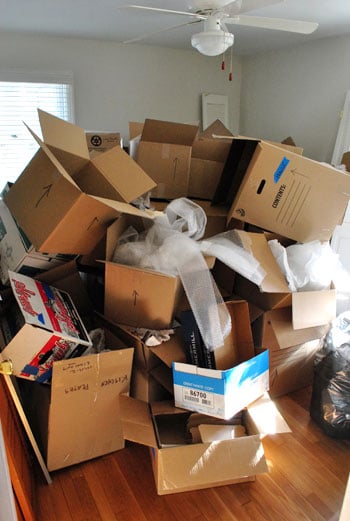
There is a special moment in every move when you look around your home and realize you apparently own 47 blankets, 19 coffee mugs with “personality,” one lamp that has survived three apartments out of pure spite, and enough moving boxes to build a cardboard suburb. That moment is usually followed by a deep sigh, a nervous laugh, and the classic sentence: “Why do we have so much stuff?”
That is the heart of So Many Moving Boxes. It is not just a phrase. It is a mood. A lifestyle. A cardboard-based emotional event. Whether you are moving across town, into your first apartment, into a bigger home, or downsizing after years in one place, the mountain of boxes becomes the most visible symbol of the entire transition. They sit in corners, take over hallways, and somehow multiply at night like caffeinated rabbits.
Still, moving does not have to feel like a low-budget disaster film starring tape, stress, and one missing Sharpie. With the right plan, the right packing strategy, and a little sense of humor, those boxes can stop feeling like enemies and start acting like very plain, very brown teammates. The key is to treat packing as a system, not a panic attack.
Why Moving Boxes Feel Like They Take Over Your Life
Moving boxes are not just containers. They are evidence. They prove how much a life can expand inside a home. Every box represents habits, hobbies, routines, memories, and sometimes questionable shopping decisions. One box says “winter clothes.” Another says “kitchen tools.” A mystery box says “cords,” which is modern language for “good luck.”
The stress often comes from volume, not difficulty. A single box is easy. Ten boxes are manageable. Fifty boxes turn your living room into a cardboard obstacle course. The problem is not merely packing. It is decision fatigue. What stays? What goes? Which box should hold books? Which one gets the fragile dishes? Why is there a drawer filled with batteries, gift cards, and a tiny key nobody recognizes?
This is exactly why the smartest moves start before the first box is taped shut. If you pack everything you own without stopping to edit, your move gets heavier, slower, more expensive, and more annoying. The more you can sort early, the fewer boxes you will need, and the easier your new place will feel on day one.
Start With Less: Decluttering Before You Pack
If your moving strategy begins with buying more boxes and ends with dragging unwanted junk into a new house, congratulations: you have created a sequel nobody asked for. Decluttering is the cheapest moving hack available. It saves money on supplies, cuts down on labor, and reduces the amount of unpacking waiting for you on the other side.
Go room by room and divide items into four simple categories: keep, donate, recycle, and toss. Be honest. If you have not used the bread maker since the Obama administration, it may be time to set it free. If the shirt still has tags but also still has shoulder pads from another era, let it find a new destiny.
The goal is not ruthless minimalism. The goal is useful realism. Keep what supports your daily life, your comfort, your work, and your joy. Release what only takes up space and asks for rent. Every item you remove now is one less item to wrap, carry, stack, label, and unpack later. That is not just organization. That is self-respect.
Choose the Right Moving Boxes, Not Just More of Them
One of the biggest packing mistakes is assuming any box can hold anything. It cannot. A huge box filled with books becomes a back injury with flaps. A tiny box full of pillows is harmless but hilariously inefficient. Good packing depends on matching the box to the item.
Small boxes for heavy things
Books, tools, canned goods, and dense household items belong in small boxes. These boxes are easier to lift, easier to stack, and far less likely to split open in dramatic fashion halfway down the stairs. Heavy items should never be packed in oversized boxes just because the space is there. Empty space invites overconfidence, and overconfidence is how you end up carrying a cardboard dumbbell.
Medium boxes for everyday household items
Medium boxes are the workhorses of a move. They handle kitchen items, folded clothes, toys, office supplies, decor, and most of the miscellaneous belongings that make up normal daily life. If moving boxes had an employee of the month wall, medium boxes would dominate it.
Large boxes for light, bulky items
Use large boxes for linens, pillows, lampshades, lightweight bedding, and other puffier items. They look impressive, they fill quickly, and they are less likely to punish your lower back. Just because a large box can hold more does not mean it should become a challenge on a fitness show.
Specialty boxes when they actually help
Wardrobe boxes, dish packs, TV boxes, and mirror boxes are worth considering for items that are awkward, fragile, or expensive. No, you do not need a custom box for every spoon in your kitchen. But for certain items, the right box can reduce breakage, speed up packing, and save you from explaining to your future self why your television now looks like abstract art.
How to Pack Boxes Without Regretting It Later
Packing well is less about perfection and more about reducing chaos. A properly packed box protects what is inside, stays liftable, and makes sense when you open it again. A badly packed box feels like an escape room designed by a raccoon.
Build a strong base
Tape the bottom seams well. Then tape them again like you do not trust gravity, because gravity has never once missed a day of work. Use quality packing tape, not the lonely half-roll from your junk drawer that gives up after one strip.
Put heavy items on the bottom
This rule matters both inside the box and inside the moving truck. Heavier items create a stable base, while lighter items can sit on top without getting crushed. It sounds obvious until someone puts a cast-iron pan on top of framed photos and creates a very personal modern art exhibit.
Wrap fragile items individually
Dishes, glassware, decor, and breakables should be wrapped one by one. Padding is not wasted space. It is insurance. You can use packing paper, bubble wrap, or even soft household textiles in some cases. Towels and blankets can do double duty, which is a beautiful moment when practicality and thrift shake hands.
Fill gaps so things do not shift
Boxes should be full enough that items do not slide around, but not crammed so tightly that opening them becomes an archaeological dig. Use soft filler materials to keep contents from knocking together. Movement during transport is the sneaky villain of the moving process.
Do not overload the box
This is where many moving headaches begin. A box should be secure, balanced, and something you can actually lift without having to mentally prepare for battle. If you pick it up and immediately negotiate with your spine, repack it.
Labeling: The Boring Step That Saves Your Sanity
People love to skip labeling because it feels tedious. Those same people then spend their first night in a new home opening seven boxes marked “misc.” in search of a phone charger, clean socks, and coffee filters. Labeling is not optional. It is future-you support.
At minimum, every box should include the destination room and a short summary of contents. “Kitchen everyday dishes.” “Primary bedroom winter clothes.” “Bathroom towels and toiletries.” Add a fragile note where needed, and consider numbering boxes if you want to keep a master list.
Color coding works especially well for busy households. One color for each room can help movers or family members place boxes faster. It turns unloading from a confusing guessing game into something closer to organized chaos, which is still chaos, but with better manners.
The Essentials Box: Your First-Day Survival Kit
Every move needs one box, bin, or suitcase that does not disappear into the cardboard ocean. This is your essentials kit. It should travel with you, not vanish into the back corner of the truck behind seasonal decorations and that folding chair nobody likes.
Include medications, chargers, important documents, toiletries, toilet paper, paper towels, snacks, bottled water, a basic tool kit, scissors or a box cutter, pet supplies, a change of clothes, and anything you will absolutely need in the first 24 hours. Add bedding if you want a medal from your future self.
This box is the difference between a manageable first night and a dramatic search for toothpaste at 11:40 p.m. while sitting on the floor eating crackers from a paper towel. Both are technically survivable. Only one feels civilized.
Room-by-Room Strategies for So Many Moving Boxes
Kitchen
The kitchen tends to create more boxes than expected because it combines fragile items, heavy items, weird shapes, and emotional support mugs. Pack plates vertically when possible, wrap glassware carefully, and separate daily-use cookware from rarely used gadgets. Try to leave one simple set of essentials out until the last day: a pan, a plate, a cup, and enough coffee supplies to keep morale from collapsing.
Bedroom
Bedrooms are easier, but they still benefit from structure. Pack off-season clothing first, then rarely used items, then everyday clothes last. Keep one suitcase aside for the final few days and first few nights. Your dresser should not become a puzzle you have to solve at bedtime.
Bathroom
Seal liquids, bag smaller items together, and be picky about what is worth moving. Old half-used lotion bottles and mystery products from three apartments ago are not sentimental heirlooms. Bathrooms also tend to generate tiny items that vanish fast, so clear bags and small containers help tremendously.
Living room
This room often contains electronics, decor, books, baskets, games, cables, and things that somehow have no obvious category. Bundle cords neatly, label them, and photograph complex setups before disconnecting anything. Your future TV setup will thank you for not making it a detective case.
Home office
If you work from home, pack this room strategically. Keep your laptop, charger, notebooks, and any must-have documents easy to access. Moves are disruptive enough without adding “Where is my internet adapter?” to your professional life.
Safety Matters More Than Speed
Moving has a way of convincing people they are suddenly part forklift. Resist the fantasy. Lift carefully, keep loads close to your body, bend thoughtfully, and use dollies or hand trucks when possible. Ask for help with awkward or heavy items. A successful move is not one where you heroically carry everything yourself. It is one where everyone reaches the new place with their furniture and dignity intact.
It also helps to stack boxes intelligently. Heavier boxes go low, lighter ones go high, and fragile items should never end up under a tower of kitchen appliances. Good stacking saves items, time, and arguments. It also reduces the odds of hearing the unmistakable sound of “something expensive just happened.”
Do Not Forget the Paperwork Side of the Move
It is easy to focus so much on moving boxes that you forget the less visible tasks that matter just as much. Update your address, transfer utilities, notify banks and service providers, and keep important records in a dedicated folder or file box you can reach quickly. Cardboard may dominate the visual experience, but logistics decide whether your first week in the new home feels smooth or wildly inconvenient.
There is something deeply unfair about unpacking a box labeled “bath towels” while realizing your mail is still headed somewhere else. Save yourself the headache. Handle the admin side of the move before the truck arrives.
When the New Place Is Full of Boxes Too
Here is the truth nobody glamorous puts on social media: moving does not end when the truck is empty. It ends when your bed is assembled, your coffee maker is located, your shower towel is found, and the number of random boxes in your hallway drops below “hazardous.”
Start by unpacking the rooms you use first: bedroom, bathroom, kitchen. Then tackle daily-life items before decorative ones. Nobody has ever suffered because the framed prints stayed boxed for three extra days. People do, however, become feral when they cannot find clean underwear or the can opener.
Unpacking works best when you keep momentum. Flatten empty boxes quickly, remove trash as you go, and avoid letting unopened boxes become permanent furniture. Cardboard should not achieve residency.
Five Hundred Extra Words of Real-Life Experience: Living Through So Many Moving Boxes
I once helped with a move that started like every optimistic move starts: coffee, a handwritten checklist, and the wildly incorrect belief that “we don’t really have that much stuff.” By noon, that belief had been crushed under a tower of labeled boxes, two mystery bins, a lamp with no shade, and a chair that had somehow become the official coat rack of the entire household. Everywhere I looked, there were moving boxes. In the hallway. Under the dining table. In the bathroom, which felt rude. One stack by the front door looked like it had leadership ambitions.
The funniest part was how the boxes seemed to reveal personality traits. The kitchen boxes were organized, practical, and slightly judgmental. The office boxes were full of cables, notebooks, and old receipts that whispered, “You meant to deal with this sooner.” The bedroom boxes felt harmless until someone realized one of them contained nothing but extra throw pillows. Not one pillow. Not five. A truly heroic number of throw pillows. Apparently we had been living inside a decorative cloud.
What I learned that day is that moving boxes tell the truth. They show you what your home has really become over time. Not the cleaned-up version you imagine, but the full story: your routines, your clutter, your hobbies, your backup supplies for your backup supplies. When it is all packed up, you can literally see your life in piles. That is overwhelming, yes, but also oddly clarifying.
There was also a psychological shift once the labeling got better. At first, boxes were just boxes. That felt chaotic. But once every box had a room name and a quick content summary, the whole move became more manageable. “Kitchen baking tools” is soothing. “Stuff” is not. “Primary bedroom sheets” sounds like a plan. “Random closet things” sounds like a threat. Organization did not make the move glamorous, but it did make it less ridiculous.
The first night in the new place was its own adventure. There were boxes in every room, and for a brief moment it felt like we had moved directly into a storage unit with better lighting. But because one essentials bin had been packed properly, we had soap, towels, chargers, a screwdriver, paper plates, and coffee for the next morning. That one container felt more valuable than half the truck. It was proof that even when everything looks upside down, a little planning can keep the whole experience from sliding into total chaos.
My biggest takeaway from that move was simple: the problem is never just “so many moving boxes.” The real issue is what those boxes representunfinished decisions, delayed sorting, and the emotional weight of transition. Once you accept that, packing gets easier. You stop seeing the boxes as clutter and start seeing them as progress. Every sealed box is one more step done. Every labeled box is one less problem later. Every donated item is one less thing to drag into your next chapter.
So yes, there may be too many boxes. There may be towers of tape, stacks of paper, and a moment when you cannot remember where you packed the scissors that you need in order to open the box that probably contains the scissors. That is normal. Annoying, but normal. Keep going. Move methodically. Laugh whenever possible. And remember that eventually the boxes will disappear, the rooms will come back, and your home will start to look like a home again instead of a cardboard convention.
Conclusion
So Many Moving Boxes is really a story about managing change. The cardboard is just the visible part. Underneath it are decisions, priorities, memories, and the practical challenge of carrying one life into the next place it will unfold. The best moves are not the ones with the fewest boxes. They are the ones with the best systems.
Start early. Declutter honestly. Choose the right box sizes. Pack with purpose. Label like a champion. Keep essentials close. Protect your back, your breakables, and your patience. Then unpack in the order real life demands, not the order your decorative baskets prefer. Do that, and even a house full of moving boxes starts to feel less like chaos and more like a plan in progress.