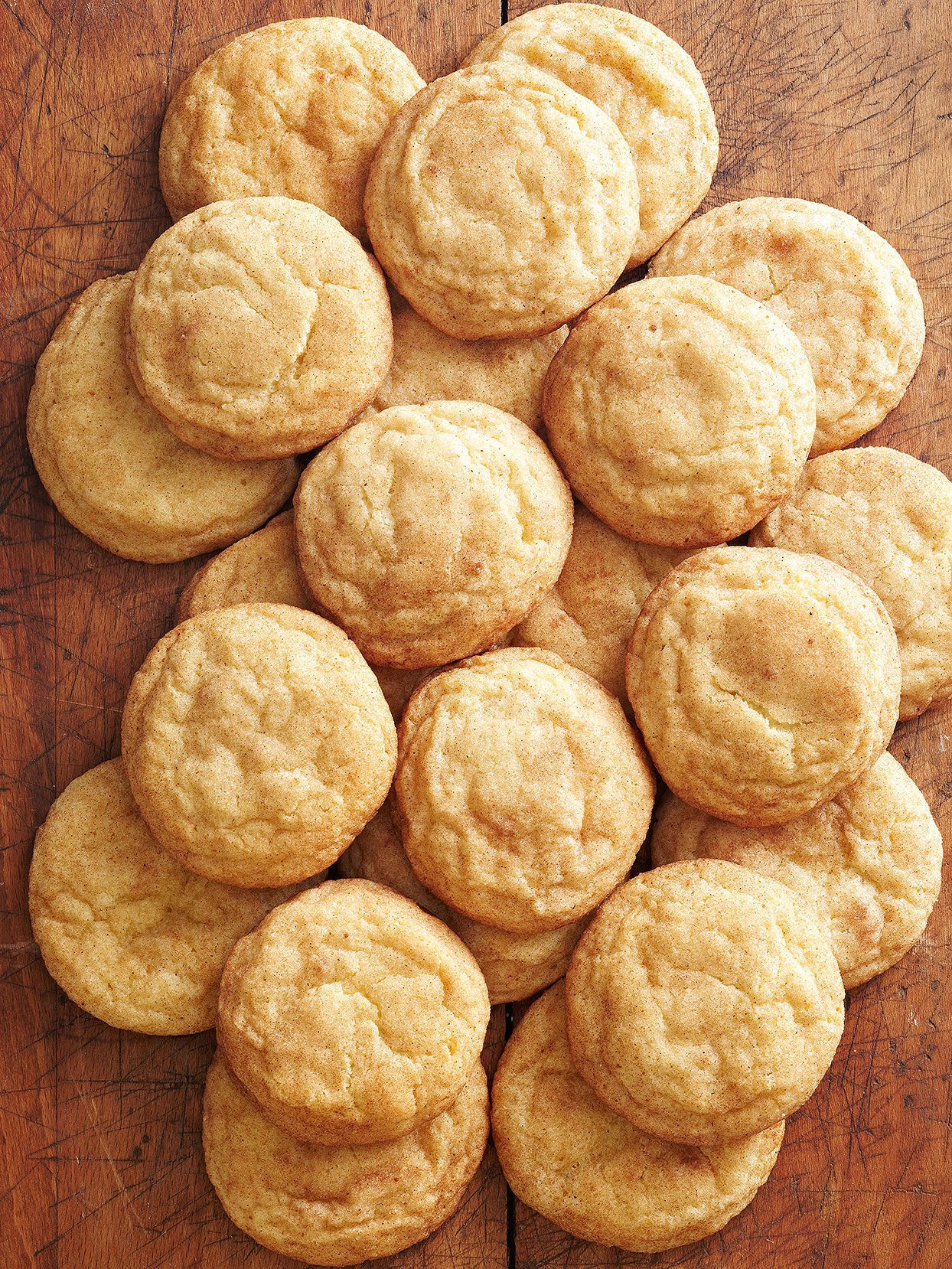
If cookies had a “most likely to be invited back” award, snickerdoodles would take it homethen politely offer to help do the dishes.
They’re simple, cozy, and quietly dramatic: a soft (or crisp) vanilla-forward cookie rolled in cinnamon sugar, baked until it puffs,
crinkles, and looks like it just heard excellent gossip.
Snickerdoodles are also a tiny science project you can eat. That signature tang, the tender chew, the crackly topnone of it is an accident.
And once you understand what makes a snickerdoodle a snickerdoodle, you can bake the classic version with confidence, troubleshoot like a pro,
and riff into flavors like chai, brown butter, pumpkin, or chocolate without losing the cookie’s soul.
What Is a Snickerdoodle (and Why Is It Not Just a Sugar Cookie)?
At a glance, snickerdoodles can look like sugar cookies that took a cinnamon bath. The difference is in the details:
a traditional snickerdoodle is rolled in cinnamon sugar before baking, which creates a fragrant coating and helps form that
crinkled, crackly surface.
The bigger distinction is the leavening. Many classic snickerdoodle recipes use cream of tartar plus baking soda.
That combo adds a subtle tang and affects textureoften giving snickerdoodles their recognizable soft chew and slight “zip” on the finish.
Some modern versions swap in baking powder (or use a mix), which can be delicious, but the flavor profile shifts a bit closer to a standard sugar cookie.
A Short, Sweet Backstory
The origin story is a little fuzzylike the cookie’s powdered-sugar cousin after a snowball fightbut snickerdoodles are widely associated with
American baking traditions (especially the Northeast), and they show up in late-1800s written records. The name itself is famously odd, with
theories ranging from German/Dutch linguistic roots to the possibility that it’s simply a whimsical nonsense word that stuck.
Translation: you don’t need to solve the mystery to bake the cookie. But it’s fun to know you’re making something with real “bake sale history.”
The Snickerdoodle “Formula” (So You Can Understand the Cookie)
Great snickerdoodles aren’t complicated, but they do have a few non-negotiables. Think of this as the cookie’s ID card:
- Warm spice shell: Cinnamon sugar coating that bakes into a sweet, fragrant crust.
- Vanilla-butter center: A mellow base that keeps cinnamon from dominating.
- Lift + crinkle: A leavener that gives puff, spread, and crackle.
- Signature tang (optional but classic): Cream of tartar + baking soda adds character.
Why Cream of Tartar Shows Up So Often
Cream of tartar is an acid (tartaric acid) that bakers love for a few reasons. In snickerdoodles, it:
- Teams up with baking soda to create lift.
- Adds a gentle tang that separates snickerdoodles from plain cinnamon-sugar cookies.
- Helps shape a softer, chewier texture in many classic recipes.
Don’t panic if you don’t have itthere are substitutions (we’ll cover them)but if you want the “classic” personality, cream of tartar is
part of the vibe.
Classic Snickerdoodles Recipe (Soft, Chewy, Crinkly)
This is a classic-style snickerdoodle designed for dependable results: thick-ish, tender, and generously coated in cinnamon sugar.
The instructions are intentionally detailed, because cookies are easy… until they’re mysteriously flat and you’re bargaining with the oven.
Ingredients
- 2 3/4 cups all-purpose flour (spooned and leveled)
- 2 tsp cream of tartar
- 1 tsp baking soda
- 1/2 tsp fine salt
- 1 cup unsalted butter, softened (not melty)
- 1 1/2 cups granulated sugar
- 2 large eggs, room temperature (or close to it)
- 2 tsp pure vanilla extract
For the cinnamon-sugar coating
- 1/4 cup granulated sugar
- 1 tbsp ground cinnamon
- Optional: pinch of salt (makes the cinnamon pop)
Directions
- Prep the oven. Heat to 375°F. Line two baking sheets with parchment paper.
- Mix dry ingredients. Whisk flour, cream of tartar, baking soda, and salt in a bowl. Set aside.
-
Cream butter + sugar. Beat softened butter and 1 1/2 cups sugar for about 2–3 minutes,
until lighter and fluffy. This step helps with texture and liftdon’t speed-run it. - Add eggs + vanilla. Beat in eggs one at a time, then add vanilla. Scrape the bowl so everything actually joins the party.
- Combine. Add dry ingredients and mix just until no flour streaks remain. Overmixing makes cookies tough.
-
Chill briefly (highly recommended). Chill dough 20–30 minutes. This helps control spread and improves thickness.
If your kitchen is warm or your butter was extra soft, chilling is basically cookie insurance. - Make the coating. Stir cinnamon and sugar (plus optional pinch of salt) in a small bowl.
-
Scoop and roll. Scoop dough into 1 1/2-tablespoon portions (roughly a heaping tablespoon). Roll into balls, then roll each ball in
cinnamon sugar until well coated. -
Bake. Place 2–3 inches apart. Bake 8–10 minutes, until edges look set and the centers look puffy and slightly underdone.
They’ll finish setting as they cool. -
Cool. Let cookies rest on the sheet for 5 minutes, then move to a rack. Try to wait… at least long enough not to burn your mouth
and blame the cookie.
How to Tell When They’re Done
Snickerdoodles are best when they’re not overbaked. Look for:
- Edges set and just barely turning golden
- Centers puffy (they’ll sink a bit as they cool)
- Crinkled tops forming as the cookies settle
Snickerdoodle Troubleshooting (Because Cookies Love Chaos)
Problem: They Spread Too Much
- Butter too warm: Chill the dough longer or start with butter that’s softened, not shiny/greasy.
- Flour measuring: Spoon and leveldon’t pack the cup.
- Hot baking sheet: Don’t put dough on a sheet that just came out of the oven.
Problem: They’re Puffy but Dry
- Overbaked: Pull them earlier; carryover heat finishes the job.
- Too much flour: Measure carefully; a little extra flour can turn tender into dusty.
Problem: No Crinkles
- Dough too cold and stiff: Let dough balls sit 5 minutes before baking.
- Not enough lift: Check that baking soda is fresh and cream of tartar isn’t ancient.
- Under-creamed butter: Creaming helps incorporate air and supports that crackly top.
Smart Variations (Without Losing the “Snickerdoodle-ness”)
1) Brown Butter Snickerdoodles
Brown half (or all) the butter for a nutty, toffee-like depth. Cool it until solid-but-soft again, then proceed. The flavor turns “cozy”
into “why are these so good?” in one batch.
2) Chai-Spiced Snickerdoodles
Add a pinch of cardamom, ginger, and cloves to the cinnamon-sugar coating (or into the dough). It’s snickerdoodle meets sweater weather.
3) Pumpkin or Maple Twist
Pumpkin purée adds moisture and flavor, but it can also increase cakiness. If you experiment, reduce other liquids and expect a softer, more tender cookie.
Maple extract in the dough (light hand!) pairs beautifully with cinnamon.
4) Chocolate Snickerdoodles
Cocoa in the dough + cinnamon sugar on the outside is a surprisingly great combo. Think “hot cocoa dusted with cinnamon” energy.
5) The Butter + Shortening Classic Texture Hack
Some old-school recipes use a mix of butter and vegetable shortening. Butter brings flavor; shortening can help cookies stay thicker and softer.
If you love that bakery-style bite, it’s worth trying at least once.
Can You Make Snickerdoodles Without Cream of Tartar?
Yes. The cookie police will not arrive (and if they do, offer them a cookie; you’ll be fine). But expect a slightly different result:
less tang and a different style of lift.
Easy substitution options
-
Baking powder route: Replace the cream of tartar + baking soda with baking powder (a common guideline is about
1 1/2 tsp baking powder per 1 tsp cream of tartar). Texture may skew a touch more “sugar cookie.” -
Acid backup: In some baking situations, lemon juice or white vinegar can provide acidity, but they add liquidso they’re trickier in cookies.
If you try it, use very small amounts and adjust carefully.
Storage, Freezing, and Make-Ahead Tips
Storing baked cookies
Keep snickerdoodles in an airtight container at room temperature for about 4–5 days.
If they start to firm up, a slice of bread in the container can help soften them (old bakery trick).
Freezing baked cookies
Freeze in a sealed bag or container for up to 2–3 months. Thaw at room temp.
Freezing cookie dough
Scoop and roll dough into balls (skip the cinnamon sugar until baking day for the freshest coating). Freeze on a tray, then bag.
Bake from frozenjust add a minute or two.
Snickerdoodles in the Wild: Why People Keep Baking Them
Snickerdoodles have a rare talent: they’re low effort, high reward. They don’t require fancy mix-ins, yet they still feel special.
Cinnamon sugar turns an everyday pantry dough into something that smells like a holiday movie montagewithout making you temper chocolate
or locate a specialty ingredient you bought once in 2019.
They’re also flexible. Want soft and thick? Chill the dough and pull them early. Want crisp edges? Bake a touch longer. Want a little more drama?
Increase the coating and watch that crust sparkle. Snickerdoodles are basically the “choose your own adventure” cookiejust with better outcomes.
of Snickerdoodle Experiences (The Kind You Can Smell Through a Screen)
Snickerdoodles are one of those cookies that show up in people’s lives the way a good song does: you don’t always remember the first time,
but you do remember the feeling. For a lot of families, they’re the cookie you make when you want something homemade without turning
the kitchen into a powdered-flour crime scene. You can mix the dough in one bowl, roll it in cinnamon sugar, and suddenly the whole house
smells like “welcome home.”
They’re also classic bake-sale currency. Chocolate chip might be the loudest cookie in the room, but snickerdoodles are the dependable friend
who actually texts back. They stack well. They travel well. They don’t melt into a sad puddle in a warm car. And they have that “soft center,
crackly top” look that makes people assume you know what you’re doingeven if you were just following the vibe and setting a timer like your life
depended on it.
In many kitchens, snickerdoodles are a first “real baking” cookie. You learn what softened butter actually means (spoiler: not liquid).
You learn that cinnamon gets everywhere, including places cinnamon has no business being. You learn the small thrill of rolling dough balls
in sugar like you’re creating edible snow globes. And you learn the most important lesson: cookies keep cooking after they leave the oven,
so pulling them early is not cheatingit’s strategy.
Snickerdoodles also have a way of becoming a tradition without anyone formally voting on it. They become the “we always make these in December”
cookie. Or the “finals week survival” cookie. Or the “my kid’s friend is coming over and I want the house to smell nice” cookie. The cinnamon
sugar scent is instant atmosphere. It’s the culinary equivalent of putting on cozy socks.
And once people get comfortable with the classic, the experimenting begins. Someone adds a pinch of cardamom and suddenly it’s fancy.
Someone browns the butter and now it tastes like toasted caramel. Someone tries chocolate and realizes cinnamon and cocoa are surprisingly
good friends. Snickerdoodles invite that kind of tinkering because the base is stable and forgiving. Even the “oops” batches usually taste good
they’re just… flatter, crispier, or more “rustic” than planned (which is baking code for “still getting eaten”).
In the end, that might be the biggest snickerdoodle experience of all: they don’t ask for perfection. They ask for cinnamon sugar, a warm oven,
and a little patience while they cool. And then they reward you with a cookie that feels like a small, sweet victory you can hold in your hand.
Conclusion
Snickerdoodles are proof that you don’t need a complicated ingredient list to bake something memorable. When you nail the basicsproper creaming,
careful measuring, and that cinnamon-sugar rollyou get a cookie that’s fragrant, tender, and reliably crowd-pleasing.
Keep it classic with cream of tartar for the traditional tang, or experiment with modern twists once you’ve found your perfect bake time.
Either way, snickerdoodles are the kind of cookie that disappears fast… which is the most honest compliment a cookie can get.