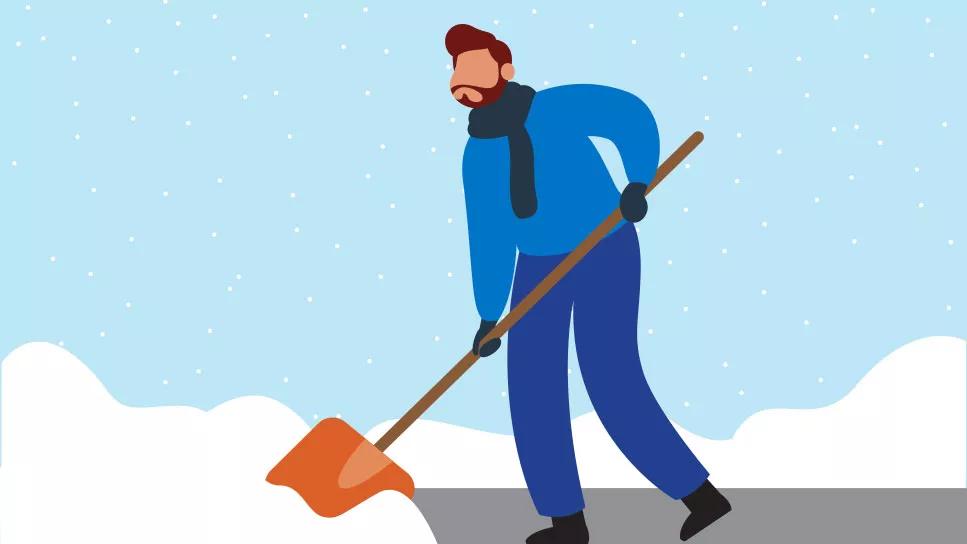
Snow looks magical until it lands on your driveway like a frozen invoice. Then suddenly, you are outside in boots, squinting into the cold, holding a shovel and making questionable life choices. The problem is that snow shoveling is not just a chore. It is a demanding physical task that mixes cold weather, awkward posture, twisting, lifting, and the kind of enthusiasm that disappears about seven minutes in.
If you want to clear snow without turning your lower back into a complaint department, technique matters. So does timing. So does your shovel. So does your ego, which may need to hear this: you do not get bonus points for trying to move half the driveway in one heroic scoop.
This guide breaks down how to shovel snow safely, how to reduce the risk of back pain and strain, what mistakes cause the most trouble, and what to do if your back starts barking halfway through. If winter insists on showing up, at least you can meet it with a plan.
Why Shoveling Snow Is So Hard on Your Back
Snow shoveling looks simple, but your body knows better. Each scoop can force your spine, shoulders, hips, and knees to work together under load. That load gets worse when the snow is wet, packed, or deeper than expected. Add cold temperatures, slippery ground, and poor body mechanics, and your lower back becomes the coworker doing all the overtime.
The biggest back problem usually comes from a bad combination: bending forward, lifting a heavy scoop, and twisting to toss the snow aside. That move puts extra stress on the muscles, ligaments, and joints in your lower back. It is also why so many people finish the job and then spend the next two days getting out of chairs like they are defusing a bomb.
Cold weather adds another challenge. Muscles tend to feel tighter and less prepared when you rush outside without warming up. That means sudden effort can feel harder, and poor form becomes more likely. In other words, snow shoveling is basically a workout that people often start with zero warm-up and a high chance of overconfidence. Winter loves irony.
Who Should Be Extra Careful Before Shoveling
Not everyone should shovel snow, or at least not without being very cautious. You should take extra care if you have a history of back pain, disc problems, osteoporosis, arthritis, shoulder issues, or poor balance. Older adults also need to think about fall risk, especially on icy surfaces. And if you have heart disease, high blood pressure, or get short of breath easily, snow shoveling may be a task worth outsourcing.
There is no shame in using a snow blower, hiring help, trading chores with a neighbor, or bribing a teenager with hot chocolate and cash. That is not laziness. That is strategic winter management.
How To Prepare Before You Pick Up the Shovel
1. Warm up first
Treat snow shoveling like exercise because that is exactly what it is. Spend five to 10 minutes warming up indoors before you head outside. March in place, do gentle bodyweight squats, move your arms through a comfortable range of motion, and do a few easy hamstring and hip stretches. Nothing fancy. You are not auditioning for a dance company. You are just telling your muscles, “Hello, we are about to do something annoying.”
2. Dress in layers
Wear breathable layers so you stay warm without overheating. Gloves help with grip, boots with traction help prevent slips, and a hat helps keep body heat from escaping. If you get too warm, remove a layer before you become sweaty and chilled. The goal is “prepared winter adult,” not “human sauna.”
3. Hydrate before you go out
People often forget hydration in cold weather because they do not feel sweaty the same way they do in summer. But physical work is physical work. Drink water before you start, and take breaks if the job takes more than a few minutes.
4. Pick the right shovel
A lightweight shovel can reduce strain. Many people also find that an ergonomic shovel with a bent handle helps them stay more upright. The best shovel is one that feels manageable, not one that turns every scoop into a deadlift challenge. A larger blade may seem efficient, but it can tempt you to overload each lift. Choose the shovel that helps you move smaller amounts of snow with better control.
The Best Snow Shoveling Technique for Your Back
If there is one golden rule, it is this: push whenever you can, lift only when you must. Pushing snow across a surface is generally easier on your back than scooping it up and throwing it. If you can create a path and keep moving snow to the side, do that.
Use your legs, not your back
When you do need to lift, bend at your knees and hips, keep your back as neutral and upright as possible, and let your legs do most of the work. Think squat, not fold. Keep the shovel close to your body rather than reaching far in front of you. The farther the load is from your body, the more your back has to argue with gravity.
Take smaller scoops
This is the part people love to ignore. Wet snow is heavy. Packed snow is heavier. The smart move is to take smaller scoops, even if your inner action hero finds that emotionally difficult. Smaller loads mean less strain and better balance.
Avoid twisting while throwing
Twisting is one of the fastest ways to irritate your back. Instead of planting your feet and whipping your torso to toss snow, turn your whole body by moving your feet. Better yet, walk the snow to where you want it to go if needed. Yes, that takes a little longer. So does recovering from a back strain, and that version is much less festive.
Do not throw snow over your shoulder
That dramatic over-the-shoulder toss may look efficient, but it asks a lot from your spine and shoulders. Move snow forward or to the side with controlled motion instead. Your back prefers boring technique to cinematic flair.
Smart Timing Can Save Your Spine
One of the best snow shoveling tips is simple: clear snow early and often. Fresh snow is usually lighter and easier to move than snow that has sat, compacted, partially melted, and refrozen into a grumpy slab. Waiting until the end of a long storm may seem convenient, but it often turns one manageable job into a brutal one.
Try clearing a few inches at a time rather than letting everything pile up. If the storm is heavy, work in rounds. Your goal is to outsmart the snow, not win a dramatic final battle against it.
How Long Should You Shovel at One Time?
Not long enough to feel like a pioneer. Break the job into short sessions, especially if the snow is heavy or you are not used to intense activity. Rest every 10 to 15 minutes if needed. Stand up straight, walk around a little, and give your back a break from the forward-bending position.
If you notice yourself getting tired, slowing down, breathing hard, or using sloppier form, stop. Fatigue is when technique falls apart, and that is often when pain shows up. Your driveway will still be there in five minutes. Unfortunately, so will an irritated lumbar muscle if you keep pushing past your limit.
Common Snow Shoveling Mistakes That Cause Back Pain
- Skipping the warm-up: Cold muscles and sudden effort are not a great team.
- Using a shovel that is too heavy: The tool should help, not audition as gym equipment.
- Lifting too much at once: Big scoops look efficient but often backfire.
- Bending from the waist: This shifts too much strain to the lower back.
- Twisting while lifting: A classic recipe for muscle strain.
- Trying to finish in one go: Short breaks are smarter than a dramatic collapse.
- Ignoring pain: Pain is feedback, not a motivational speech.
- Working on icy surfaces carelessly: Slips can injure your back, hips, wrists, and more.
What To Do If Your Back Starts Hurting While You Shovel
First, stop. Do not try to “power through” it. That phrase has launched many bad ideas, and winter does not need another one.
If your back feels sore, tight, or mildly strained, head inside and rest. Applying ice can help in the first day or two if the area feels newly irritated or inflamed. Later, some people find gentle heat helpful once the sharpness eases and stiffness takes over. Light walking and gentle movement may feel better than total bed rest. In fact, spending too long in bed can sometimes make ordinary back pain feel worse.
Over-the-counter pain relief may help some adults, but it is best used according to label directions and your clinician’s advice, especially if you have stomach, kidney, bleeding, or blood pressure concerns. When in doubt, ask a healthcare professional rather than letting the medicine cabinet run the meeting.
When Back Pain After Shoveling Means You Should Get Medical Help
Most mild muscle soreness improves with rest, time, and better decisions next storm. But some symptoms mean you should not just shrug it off.
Seek prompt medical care if your back pain is severe, follows a fall, or comes with numbness, weakness, trouble walking, pain shooting down the leg, fever, or loss of bladder or bowel control. Those symptoms can signal something more serious than a simple strain.
You should also stop immediately and get emergency help if snow shoveling brings chest pain, chest pressure, unusual shortness of breath, dizziness, faintness, or a racing heart. At that point, the driveway has officially lost its importance.
How To Make Snow Removal Easier in the Future
Use salt or de-icer wisely
Reducing slippery surfaces lowers your fall risk before and after shoveling. A safer walking surface also helps you maintain better body position while you work.
Try a snow blower for larger jobs
If you regularly handle long driveways or large sidewalks, a snow blower may reduce repeated lifting. It is not a free pass to rush, but it can spare your back a lot of repetitive strain. Just use it safely and clear jams only when the machine is off.
Stay active all winter
People who move regularly often handle sudden physical chores better than people who go from sofa mode to blizzard mode. Walking, strength training, core work, and mobility exercises can all support better movement during winter chores. You do not need to become a mountain athlete. You just want your body to feel less shocked when the forecast gets ambitious.
Build a winter plan
Know in advance who will shovel, when you will clear the snow, where you will pile it, and what tools you will use. Winter is easier when you plan before the storm instead of negotiating with the driveway at 6 a.m.
Quick Back-Safe Snow Shoveling Checklist
- Warm up indoors first
- Wear layered clothing and boots with traction
- Drink water before and during the job
- Use a lightweight or ergonomic shovel
- Push snow instead of lifting when possible
- Lift small amounts with your legs
- Keep the load close to your body
- Avoid twisting or over-the-shoulder tossing
- Take frequent breaks
- Stop right away if you feel pain, dizziness, or chest symptoms
Real-World Winter Experiences and Lessons From the Driveway
Anyone who has spent a winter in snow country knows the difference between theory and reality. In theory, you will warm up, stretch, hydrate, wear the right boots, and clear the driveway in calm, tidy passes. In reality, you may wake up late, realize the snow is deeper than expected, and try to rush through the job before work. That is usually where bad decisions begin.
A common experience goes like this: the first few minutes feel fine, so you start taking bigger scoops. Then the snow gets heavier near the curb where the plow packed it down. You twist to throw one extra-large load, feel a quick grab in your lower back, and suddenly every movement becomes a negotiation. You are technically still standing, but now you are moving like a folding chair with trust issues.
Another familiar lesson comes from trying to wait out the storm. It seems smart at first. Why shovel twice when you can do it once? Then morning arrives, and the fluffy snow you ignored has turned into a wet, compacted beast. Every scoop feels twice as heavy. The job takes longer, your posture gets sloppier, and your body starts writing complaint letters by the halfway mark. Clearing snow in smaller rounds may not feel efficient in the moment, but it usually feels much better the next day.
Many people also learn the hard way that the worst part is not always the middle of the job. Sometimes the back pain arrives later, after you go inside, sit down, and cool off. When you stand up again, your muscles remind you that they did not appreciate the combination of bending, lifting, and twisting. That delayed soreness is one reason good technique matters even when you feel “fine” in the moment.
There is also the slippery-surface lesson. Plenty of winter injuries do not start with the shovel at all. They start with one rushed step on ice while carrying a load of snow. The feet slide, the body jerks, and the back, hip, shoulder, or wrist pays the price. Experienced snow shovelers often become almost boring about traction. They salt first, move carefully, and accept that a steady pace beats a dramatic recovery attempt.
Then there is the ego lesson, which winter teaches very consistently. Many people know they should take breaks, but they keep going because they are “almost done.” The problem is that “almost done” is exactly when fatigue changes mechanics. Knees bend less, the back rounds more, and the toss becomes more twisted. Season after season, the smartest people in snowy climates often follow the same quiet rule: stop before you are exhausted, not after.
Perhaps the most valuable experience of all is learning that snow removal does not have to be a solo toughness contest. Neighbors split work. Families rotate turns. Some people invest in better tools. Others decide that hiring help after a major storm is cheaper than losing a week to back pain. That is not giving up. That is wisdom wearing winter boots.
If snow shoveling is part of your life every winter, the goal is not to become fearless. The goal is to become efficient, careful, and just skeptical enough of your own enthusiasm to protect your back. Every storm is a reminder that smart movement beats brute force. And if that means taking smaller scoops, walking a little slower, and acting like your spine is important, congratulations. You are now officially wiser than the snow.
Conclusion
Shoveling snow can absolutely trigger back pain, but it does not have to. The safest approach is simple: warm up, dress properly, use the right shovel, push snow when possible, lift small loads with your legs, avoid twisting, and take breaks before your body demands them. Add a little patience and a little humility, and you give your back a much better chance of making it through winter without filing a formal complaint.
Snow may be inevitable in some places. A preventable back injury is not. Work smarter, shovel earlier, and remember that the strongest winter move is sometimes knowing when to stop.