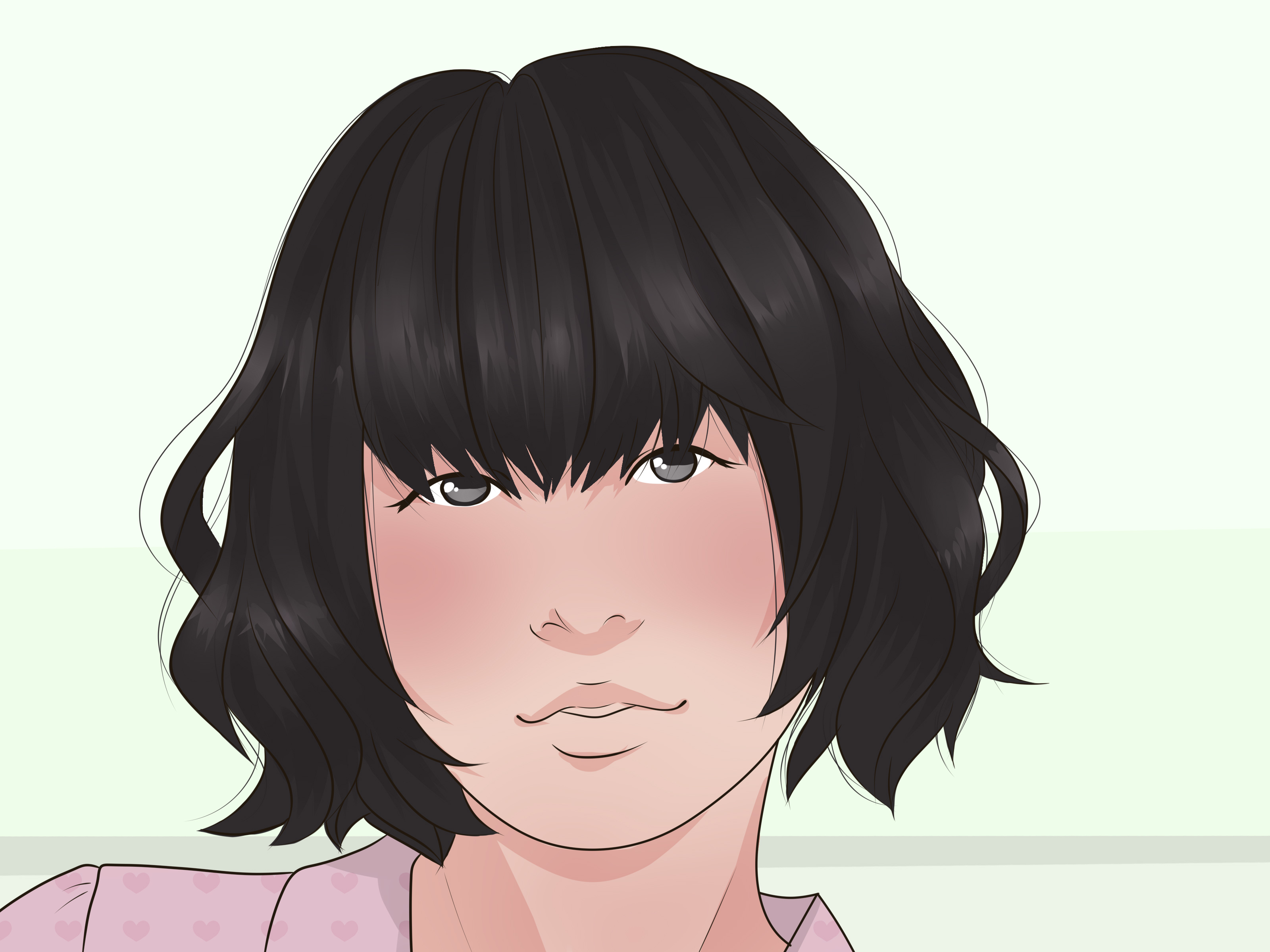
Short wavy hair is the hairstyle equivalent of a great weekend plan: relaxed, flexible, and secretly very strategic. It can look effortless, but anyone who has woken up with one side doing “French girl bob” and the other side doing “wind tunnel documentary” knows that short waves need a smart routine.
The good news? You do not need a bathroom cabinet that looks like a beauty supply warehouse. With the right cut, a gentle wash routine, lightweight styling products, and a few maintenance habits, short wavy hair can be soft, defined, bouncy, and easy to refresh between wash days. This guide breaks down how to style, care for, and maintain short wavy hair without overcomplicating your morning.
What Makes Short Wavy Hair Different?
Wavy hair usually falls between straight and curly textures. It may form loose bends, soft S-shaped waves, or stronger waves that begin closer to the roots. When hair is short, those waves behave differently because there is less length and weight pulling them down. That can be wonderful for volume, but it can also make frizz, puffiness, uneven bends, and awkward flips more obvious.
Short wavy hair also reacts quickly to product choices. A rich cream that looks beautiful on long curls may make a chin-length bob feel flat by lunchtime. A strong gel can create definition, but too much may leave the hair stiff. The sweet spot is usually lightweight moisture plus flexible hold.
Best Short Haircuts for Wavy Hair
The right haircut is the foundation of every good short wavy hair routine. Styling products can help, but they cannot fully rescue a cut that fights your natural texture. A strong shape lets your waves fall into place with less daily effort.
1. The Textured Bob
A textured bob is one of the most popular short wavy hairstyles because it balances structure and movement. It usually sits around the chin or jawline and includes subtle layers to keep the ends from looking too heavy. For fine wavy hair, a bob can create the illusion of fuller strands. For thick wavy hair, internal layering can remove bulk without making the shape look choppy.
2. The Layered Lob
The lob, or long bob, is ideal if you want short hair without going ultra-short. It often lands between the collarbone and shoulders, making it long enough to tuck behind the ears or pin back. For waves, a layered lob gives movement while still feeling manageable.
3. The Short Shag
A short shag is made for natural texture. It usually includes layers, face-framing pieces, and sometimes bangs. The result is intentionally undone, which is excellent news for anyone who does not want to spend 35 minutes convincing every strand to behave.
4. The Wavy Pixie
A wavy pixie can be soft, edgy, romantic, or playful depending on the cut. Longer pieces on top allow waves to show, while shorter sides reduce bulk. This style can be low-maintenance day to day, but it typically needs regular trims to keep the shape sharp.
5. The French-Inspired Bob
A French-inspired bob usually sits around chin length and looks best when it is not overly polished. It pairs well with loose waves, curtain bangs, or a soft fringe. The goal is movement, not perfection. Think “I woke up like this,” but with a stylist quietly doing the behind-the-scenes work.
How to Wash Short Wavy Hair
A healthy short wavy hair routine begins in the shower. Shampoo should focus mostly on the scalp, where oil, sweat, and product buildup collect. The lengths of wavy hair usually need gentler handling because overwashing can make waves feel dry or fluffy.
How often should you wash short wavy hair? It depends on your scalp, texture, lifestyle, and product use. Fine hair or oily scalps may need washing every other day or every few days. Thicker or drier waves may do better with less frequent washing. If you exercise often, use heavy styling products, or notice scalp buildup, you may need to cleanse more regularly.
Wash-Day Steps
- Wet hair thoroughly. Short hair can still hide dry spots near the roots, especially if it is dense.
- Massage shampoo into the scalp. Use fingertips, not nails, and let the rinse carry shampoo through the ends.
- Condition the mid-lengths and ends. If your waves are dry, apply conditioner more generously. If your hair is fine, keep conditioner mainly away from the roots.
- Detangle while conditioner is in. Use a wide-tooth comb or fingers and start from the ends.
- Rinse well. Product residue can weigh down short waves and make them look dull.
The Best Styling Routine for Short Wavy Hair
Styling short wavy hair is about encouraging your natural pattern before it dries. Once waves dry in a strange shape, they tend to stay loyal to that strange shape like a tiny hair union.
Step 1: Start With Damp Hair
Wavy hair usually styles best when it is damp, not dripping and not nearly dry. After washing, gently squeeze water out with a microfiber towel or soft cotton T-shirt. Avoid rough towel rubbing, which can create frizz and disrupt the wave pattern.
Step 2: Apply Leave-In Conditioner
A lightweight leave-in conditioner helps add softness and reduce frizz. For fine short waves, choose a spray or light lotion. For thick, coarse, or color-treated waves, a creamier leave-in may work better. Start with a small amount. Short hair has limited real estate, and product overload shows up fast.
Step 3: Add Mousse, Foam, or Gel
For volume, mousse or foam is often a great choice. It can lift roots, define bends, and keep waves touchable. For stronger hold, use a light gel. If your hair gets frizzy quickly, try layering a leave-in conditioner with a small amount of gel for definition.
Scrunch the product upward from the ends toward the roots. This encourages waves to clump together instead of separating into frizz. If your hair is very short, use your fingertips to twist or shape individual pieces around the face.
Step 4: Air-Dry or Diffuse
Air-drying is the simplest option, but it requires patience. Try not to touch your hair while it dries because constant touching can create frizz. If you need faster drying or more volume, use a diffuser on low heat and low airflow. Keep the diffuser gentle and avoid blasting the hair around.
Step 5: Break the Cast
If gel or mousse leaves a slightly firm finish, wait until the hair is completely dry. Then gently scrunch the hair with clean hands to soften the hold. This step is called breaking the cast, and it can turn “crispy noodle” waves into soft, touchable texture.
Heat Styling Tips for Short Wavy Hair
Heat tools can help shape short waves, but they should be used carefully. Frequent high heat can contribute to dryness, breakage, and frizz. When using a blow-dryer, curling wand, or flat iron, apply heat protectant first and use the lowest effective temperature.
For short wavy hair, a small-barrel curling iron or flat iron can define random pieces around the face. The trick is not to curl every section perfectly. Alternate directions, leave the ends slightly relaxed, and shake the hair out after it cools. Perfect curls can look too formal on a casual wavy bob. A little inconsistency is what makes the style look modern.
How to Refresh Short Wavy Hair Between Washes
Second-day short waves can be charming, chaotic, or both. A refresh routine helps revive shape without starting from scratch.
Quick Morning Refresh
- Lightly mist hair with water or a curl-refresh spray.
- Add a pea-size amount of leave-in conditioner or styling cream to your palms.
- Scrunch the hair upward to reactivate waves.
- Use a diffuser for two to five minutes if you need more lift.
- Finish by shaping face-framing pieces with your fingers.
If your roots are oily but your ends are dry, use dry shampoo only at the roots and a tiny amount of leave-in conditioner on the ends. This split strategy keeps the scalp fresh without making the waves feel crunchy or dull.
Night Routine for Short Wavy Hair
Short hair can get flattened while you sleep, especially at the crown or around the sides. A good nighttime routine reduces morning surprises.
Try sleeping on a silk or satin pillowcase to reduce friction. If your hair is long enough, loosely clip the top section upward with a soft claw clip. For very short waves, simply smoothing the hair into its natural direction before bed can help. Avoid tight elastics, which can leave dents and stress fragile strands.
Common Short Wavy Hair Problems and Fixes
Problem: Flat Roots
Fix: Apply mousse at the roots, diffuse upside down for a few minutes, or ask your stylist for subtle layers that remove excess weight. Avoid heavy oils near the scalp.
Problem: Puffy Ends
Fix: Use a lightweight leave-in conditioner and ask for shaping that removes bulk from the right areas. Blunt ends can sometimes make thick waves expand outward.
Problem: Frizz
Fix: Reduce rough towel drying, apply styling products to damp hair, avoid touching hair while it dries, and use a small amount of gel or cream for hold.
Problem: Uneven Waves
Fix: This is normal. Many people have multiple textures on one head. Use finger-coiling on straighter pieces and diffuse gently to encourage a more consistent pattern.
Problem: Product Buildup
Fix: If waves look limp or feel coated, use a clarifying shampoo occasionally. Follow with conditioner so the hair does not feel stripped.
Product Guide for Short Wavy Hair
The best products for short wavy hair are usually lightweight, buildable, and easy to rinse out. You do not need every product below, but knowing what each one does helps you build a routine that makes sense.
Shampoo
Choose a shampoo based on your scalp. If your scalp gets oily, use a gentle balancing shampoo. If your hair is dry or color-treated, look for moisturizing formulas. Shampoo the scalp rather than piling all your hair on top of your head.
Conditioner
Conditioner helps soften, detangle, and smooth the hair. Fine waves usually need a lightweight conditioner. Thick or coarse waves may need richer moisture.
Leave-In Conditioner
Leave-in conditioner is helpful for frizz control and softness. For short hair, start small. Too much leave-in can make waves look flat or greasy.
Mousse or Foam
Mousse is excellent for volume and airy definition. It works especially well on fine to medium short wavy hair.
Gel
Gel gives hold and helps waves last longer. A light gel can be scrunched into damp hair, then softened after drying.
Texture Spray
Texture spray adds grit and separation, making short waves look more lived-in. Use it sparingly, especially if your hair is dry.
Hair Oil or Serum
A tiny amount of serum can smooth ends and add shine. Keep oil away from the roots unless your scalp specifically tolerates it well.
Salon Maintenance: How Often Should You Trim Short Wavy Hair?
Short wavy hair usually needs more frequent trims than longer hair because the shape is more noticeable. Pixies may need trimming every four to six weeks. Bobs and short shags may hold their shape for six to eight weeks, depending on the cut and your growth rate.
When visiting your stylist, bring photos of hair with a texture similar to yours. A smooth, straight bob photo may not translate the same way on naturally wavy hair. Ask about layers, bulk removal, bang maintenance, and how the cut will air-dry. A good stylist should consider your real routine, not an imaginary routine where you have unlimited time and a professional blowout team living under the sink.
Simple Weekly Routine for Short Wavy Hair
Wash Day
Shampoo the scalp, condition the lengths, detangle gently, apply leave-in conditioner, scrunch in mousse or gel, then air-dry or diffuse.
Day Two
Refresh with water or spray, scrunch lightly, and use dry shampoo at the roots if needed.
Day Three
Try a side part, mini clip, headband, or half-up style if your waves need structure. If the scalp feels oily or itchy, wash again.
Once a Week
Use a deeper conditioner if your hair feels dry. If your waves feel limp or coated, clarify instead. Pay attention to what your hair is telling you rather than forcing a strict schedule.
Extra Experience-Based Tips for Short Wavy Hair
After working with short wavy hair routines, one of the biggest lessons is that less product often creates better results. Short waves do not have the length to distribute heavy creams evenly. A dime-size amount of styling cream may be enough for a bob, while a pixie may need even less. When in doubt, start small and add more only where needed.
Another practical experience: your best styling routine may change after a haircut. A shoulder-grazing lob might love curl cream, while a chin-length bob might prefer mousse. Once hair gets shorter, the roots have more influence over the final shape. That means root lift becomes more important, and heavy products near the scalp become more noticeable.
Humidity also changes everything. On dry days, waves may need more leave-in conditioner. On humid days, they may need more hold. A light gel can help keep the wave pattern together when the air is determined to turn your hair into a weather report. If your hair expands in humidity, avoid brushing it dry. Use damp hands, a little styling product, and gentle scrunching instead.
For busy mornings, the fastest short wavy hair trick is the “front-piece fix.” Refresh the whole head lightly, but spend extra attention on the pieces around your face. Dampen them, add a tiny amount of product, twist them away from the face, and let them dry while you get ready. Even if the back is casual, polished front pieces make the entire style look intentional.
Another useful habit is learning where your hair naturally wants to part. Some short wavy cuts look better when they are not forced into a strict middle part. Try flipping your part slightly to one side or letting the hair fall naturally after washing. This can add volume and reduce the battle against stubborn root patterns.
If one side flips out more than the other, do not panic. Short wavy hair is famous for having a “fun side” and a “business side.” You can balance them by finger-coiling the flatter side, clipping the root while it dries, or using a diffuser to lift the weaker section. You can also embrace the asymmetry. Sometimes the best short wavy styles look relaxed because they are not perfectly mirrored.
For nighttime care, the smallest changes can make a big difference. A satin pillowcase, loose clip, or simple morning mist can reduce the need for full restyling. If your hair gets crushed at the crown, try refreshing only the top layer with water and mousse. Diffuse the roots for a minute or two, then let the rest air-dry.
Finally, short wavy hair looks best when it has movement. Avoid chasing a flawless helmet shape. The charm of short waves is their personality: a little bend here, a little volume there, maybe one rebellious piece that thinks it is the main character. With the right routine, that personality becomes style instead of stress.
Conclusion
Short wavy hair is stylish, versatile, and surprisingly practical when you understand what it needs. The winning formula is simple: choose a cut that supports your natural texture, cleanse based on your scalp, condition enough to prevent dryness, use lightweight styling products, and refresh gently between wash days.
You do not need perfect waves to have great short wavy hair. In fact, the best looks often come from working with your natural bends instead of forcing them into a completely different shape. Whether you wear a textured bob, layered lob, short shag, or wavy pixie, the right care and maintenance routine can make your hair easier, healthier-looking, and much more fun to style.