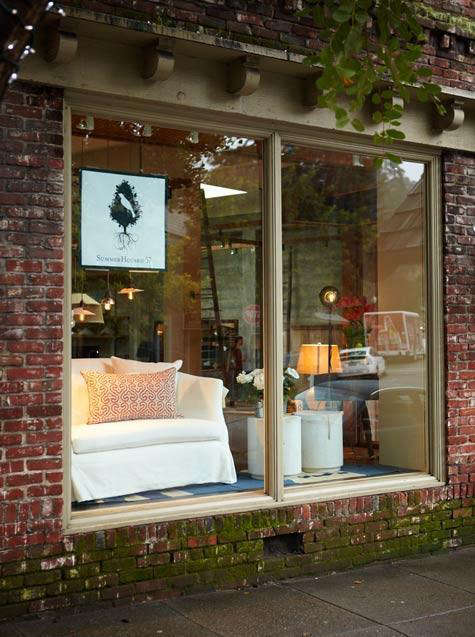
Some shops sell furniture. Others sell a full-blown fantasy in which your sofa is slipcovered in Belgian linen, your pendant light was once a chicken feeder, and your weekend errands somehow include becoming a more tasteful human being. Summer House 57 in Mill Valley belongs firmly in the second category.
When Robert Adams and Jane Walter expanded their beloved Summer House concept with a second Mill Valley outpost at 57 Throckmorton Avenue, the result felt less like a traditional home furnishings store and more like a relaxed Northern California design diary come to life. The space combined reclaimed architecture, European vintage finds, eco-friendly furniture, artisan textiles, and enough quiet charm to make even a rushed shopper slow down and say, “Wait, do I need a marble-topped rolling counter?” The answer, spiritually speaking, is yes.
This shopper’s diary revisits the opening of Summer House 57, explores why it mattered in the Mill Valley retail scene, and looks at how its mix of sustainability, craftsmanship, and casual elegance still feels remarkably current today.
What Made Summer House 57 Special?
Summer House 57 was not designed to be a shiny showroom where every piece looked scared of fingerprints. It was built around warmth, texture, and discovery. The shop occupied an airy, skylit space constructed with reclaimed beams from a Sonoma barn, setting the tone before shoppers even looked at the merchandise.
That architectural choice was more than pretty scenery. It reflected the store’s larger philosophy: old materials can have a second life, imperfections can be beautiful, and a home should feel collected rather than assembled by a single catalog page. The store’s personality came from the mixvintage European furniture, sustainable upholstery, handmade lighting, overdyed rugs, candles, throws, ceramics, and one-of-a-kind objects that made browsing feel like a treasure hunt.
The People Behind the Shop: Robert Adams and Jane Walter
Robert Adams and Jane Walter were already familiar names in Mill Valley retail long before Summer House 57 opened. With decades of experience in the local design and home goods scene, they understood the kind of shop that works in Marin County: refined but relaxed, stylish but not showy, environmentally aware without turning the shopping experience into a lecture.
Their approach was rooted in curation. Instead of overwhelming customers with endless options, Summer House 57 presented pieces that felt carefully chosen. A chair might be vintage, a sofa might be newly made with eco-conscious materials, and a pendant lamp might be crafted from salvaged parts. Together, the pieces told a story about living beautifully without pretending the planet is an unlimited supply closet.
Inside the Summer House 57 Aesthetic
Reclaimed Materials With Real Character
One of the most memorable details from the opening was the use of reclaimed barn beams from Sonoma. In a design world often obsessed with “new new new,” those beams made the shop feel grounded. They added a sense of age, place, and authenticitythree qualities that cannot be faked with a distressed finish and a hopeful price tag.
Reclaimed materials also helped Summer House 57 stand apart from standard home stores. The space itself became part of the merchandise story. Customers were not just buying recycled or vintage items; they were standing inside an example of adaptive reuse done well.
Vintage European Furniture
Vintage furniture gave the shop its soul. Adams and Walter sourced one-of-a-kind pieces from Europe, offering customers items that carried history, patina, and individuality. In practical terms, that meant shoppers could find furniture that did not look exactly like what their neighbors had just bought online.
In emotional terms, vintage furniture has a way of making a room feel settled. A weathered table, a slightly worn chair, or a cabinet with graceful proportions can make a new home feel as if it has always had stories to tell. Summer House 57 leaned into that magic.
Eco-Friendly Upholstery and Slipcovered Comfort
The store also featured Belgian-linen-slipcovered furniture from eco-conscious favorites such as Cisco Home and Verellen. This combination of relaxed luxury and sustainability fit Mill Valley perfectly. Linen looks better when it is lived in, slipcovers forgive real life, and well-made upholstery can last for years instead of collapsing after one dramatic movie night.
Cisco Home has long emphasized handcrafted furniture and thoughtful sustainability, while Verellen is known for heirloom-quality pieces made with skilled craftsmanship. In Summer House 57, those brands helped balance the old and the new: vintage pieces brought character, while high-quality modern upholstery brought comfort and durability.
Sustainable Design Before It Became a Buzzword
Today, terms like “sustainable home decor,” “eco-friendly furniture,” and “conscious design” appear everywhere. Back when Summer House 57 opened, the conversation was already growing, but it had not yet become the default language of stylish retail. That made the shop feel ahead of its time.
Its version of sustainability was practical and appealing. Reuse vintage furniture. Choose salvaged materials. Support local craftspeople. Look for fair-trade and socially responsible goods. Buy better pieces less often. This was not sustainability as sacrifice; it was sustainability with excellent lighting.
The store showed that green design does not have to look bland, beige, or painfully earnest. A reclaimed pendant light can be witty. A vintage rug can be electric blue. A linen sofa can be both comfortable and elegant. Sustainability, when handled with taste, becomes part of the pleasure of decorating rather than a chore on the moral to-do list.
Standout Finds at Summer House 57
Reclaimed Chicken Feeder Pendant Lamps
Among the most conversation-starting pieces were pendant lamps fabricated from reclaimed chicken feeders. This is exactly the kind of object that makes a shopper pause, smile, and then start mentally redesigning a kitchen island. The lamps had the industrial-farmhouse appeal that would later become a major interiors trend, but they avoided looking mass-produced because the materials had an actual past.
Robert Ogden Salvaged-Material Lighting and Counters
The shop also featured pieces connected to designer Robert Ogden, including salvaged-material pendant lights and a marble-topped rolling counter. These objects fit perfectly within the Summer House 57 universe: useful, sculptural, imperfect, and memorable. The rolling counter especially captured that “old workshop meets elegant kitchen” feeling that design lovers chase with great enthusiasm and occasionally questionable measuring skills.
Color Reform Rugs
Summer House 57 carried rugs from Color Reform, known for transforming vintage carpets with saturated overdyeing. These rugs offered a smart bridge between traditional craft and modern color. A classic pattern could suddenly appear in indigo, fuchsia, acid green, or another shade bold enough to wake up a sleepy room.
For shoppers who loved antiques but not dusty formality, overdyed rugs were an ideal compromise. They kept the character of old textiles while adding a contemporary punch.
Astier de Villatte Candles
Astier de Villatte candles brought a French accent to the shop’s sensory experience. Known for artisanal ceramics, fragrance, and old-world craft, the Paris-based brand added a layer of refined eccentricity. A good candle may not solve life’s problems, but it can make a living room smell like someone with better weekend plans lives there.
Sefte Living Textiles
The inclusion of Sefte Living textiles reinforced the store’s interest in socially and environmentally responsible goods. Soft throws, handmade details, and natural textures helped make the space feel welcoming rather than staged. These were the kinds of pieces that invited touch, layering, and the dangerous thought: “Maybe I should redo the guest room.”
Why Mill Valley Was the Perfect Setting
Mill Valley sits just north of San Francisco, tucked near Mount Tamalpais and surrounded by redwoods, canyons, fog, and some of Marin County’s most charming streets. Its downtown has long attracted independent shops, design-minded residents, hikers, artists, families, and weekend visitors who appreciate a town with both natural beauty and excellent taste.
That setting mattered. Summer House 57 did not feel like it could be anywhere. It belonged to Mill Valley’s particular blend of casual sophistication: a place where someone might buy artisan ceramics after a morning trail walk, then discuss reclaimed wood over coffee without sounding entirely ridiculous.
Throckmorton Avenue, in particular, has been central to Mill Valley’s downtown identity. A home furnishings gallery at 57 Throckmorton fit naturally into a neighborhood built around strolling, browsing, and lingering. The shop was part of a local retail ecosystem where independent stores gave the town texture and personality.
How Summer House 57 Fit Into the Larger Home Decor Trend
Summer House 57 opened at a moment when many homeowners were moving away from overly polished interiors. Instead of matching furniture sets and shiny perfection, shoppers were becoming more interested in rooms that felt personal, layered, and collected over time.
The store anticipated several trends that remain popular today: reclaimed wood, vintage European pieces, linen upholstery, artisan-made lighting, sustainable textiles, bold rugs, and the blending of rustic and refined elements. But unlike trend-driven decor, Summer House 57’s style worked because it was grounded in materials and craftsmanship.
That is the difference between a room that looks fashionable for six months and a room that grows better with use. Patina ages well. Linen softens. Vintage furniture gains new relevance in a modern setting. Salvaged materials keep their charm because their story is real.
Shopping Lessons From Summer House 57
Buy Pieces With a Story
A home becomes more interesting when objects carry meaning. That does not mean every lamp needs a dramatic biography, but a few pieces with history can make a room feel alive. Summer House 57 encouraged shoppers to look beyond surface style and ask where a piece came from, how it was made, and why it felt special.
Mix Old and New
The shop’s best lesson was balance. A vintage cabinet can sit beautifully beside a modern slipcovered sofa. A bold overdyed rug can energize a room with traditional bones. A salvaged pendant can look fresh above a clean-lined table. Good design is not about choosing one era and staying there like a museum docent. It is about creating a conversation.
Let Sustainability Be Stylish
Summer House 57 showed that sustainable decorating does not require giving up beauty. In fact, many eco-friendly choicesvintage furniture, reclaimed materials, durable textiles, handmade goodsoften bring more character than disposable alternatives.
Choose Texture Over Clutter
The Summer House look relied heavily on texture: linen, wood, wool, marble, ceramic, metal, and worn finishes. Texture adds depth without making a room feel crowded. For anyone trying to create a relaxed California interior, that is a valuable strategy.
Is Summer House 57 Still Relevant Today?
Yesperhaps even more than when it opened. While the original downtown location has changed over time, the SummerHouse name continues to be associated with curated home design in Mill Valley. More importantly, the ideas behind Summer House 57 remain deeply relevant: buy thoughtfully, value craftsmanship, reuse what already exists, and create rooms that feel personal rather than programmed.
In a world of fast furniture and endless scrolling, the store’s philosophy feels refreshing. It reminds shoppers that a beautiful home does not happen by panic-ordering sixteen items at midnight. It happens through patience, curiosity, and the willingness to fall for a weird old lamp with a surprisingly compelling personality.
Experience: A Shopper’s Visit Inspired by Summer House 57
Imagine starting your Mill Valley shopping day the proper way: slowly. This is not the kind of town that rewards sprinting from store to store with a giant iced coffee and the energy of a contestant on a game show. Mill Valley is best experienced at a walking pace, especially if your goal is to understand why a shop like Summer House 57 made such an impression.
You begin near downtown, where the streets feel intimate and the storefronts invite browsing rather than speed shopping. The air may carry a little coastal coolness, the kind that makes linen, wool, and warm wood seem less like design choices and more like common sense. Before stepping into a home shop, you notice the surroundings: the slope of the hills, the proximity of Mount Tamalpais, the way redwoods and refined retail somehow coexist without arguing.
Inside a Summer House-style space, the first experience is visual, but the second is tactile. You do not simply look at a linen sofa; you want to touch the fabric. You do not merely pass by a vintage table; you notice the marks on the surface and wonder who used it before. A reclaimed pendant light makes you smile because it has escaped its original job and found a glamorous second career. Honestly, more of us should be so lucky.
The best way to shop this kind of store is to resist the urge to decide too quickly. Walk once for first impressions. Walk again for details. On the first pass, you may notice the big pieces: a slipcovered sofa, a dramatic rug, a farmhouse table, a cabinet with the quiet confidence of something older than your Wi-Fi password. On the second pass, the smaller discoveries appear: a candle with an unusual scent, a hand-crocheted throw, a ceramic vessel, a chair whose shape is simple but exactly right.
If you are shopping for your own home, bring measurements and photos. The romance of a vintage piece is powerful, but your doorway remains unimpressed by romance. Measure wall widths, ceiling heights, hallway turns, and elevator dimensions if needed. A beautiful armoire that cannot enter your house becomes less of a design investment and more of a very expensive sidewalk sculpture.
Also, think in layers. Summer House 57’s charm came from the way pieces worked together without matching too perfectly. You might pair a clean sofa with a rough wood table, a neutral chair with a saturated rug, or a vintage cabinet with modern lighting. The goal is not to recreate the shop exactly. The goal is to borrow its confidence: mix materials, honor imperfection, and let your home develop a little personality.
By the end of the visit, the real takeaway is not just what you buy. It is how the shop trains your eye. You begin to see value in age, craft, texture, and restraint. You understand that sustainable design can be warm, witty, and deeply livable. And you leave with the dangerous but delightful feeling that your home could use one unforgettable piecenot because a trend told you so, but because you found something with a story worth keeping.
Conclusion
Shopper’s Diary: Summer House 57 Opens in Mill Valley is more than a nostalgic look at a beautiful home furnishings store. It is a reminder of what great independent retail can do. Summer House 57 brought together vintage European furniture, reclaimed materials, eco-friendly upholstery, artisan lighting, bold rugs, and thoughtful textiles in a space that reflected Mill Valley’s relaxed sophistication.
The shop’s lasting appeal comes from its principles: reuse, craft, comfort, and character. It proved that sustainable home decor can be elegant, that vintage furniture can feel modern, and that shopping locally can be an experience rather than a transaction. In other words, Summer House 57 did what the best design shops always doit made people imagine living better, not louder.