Decorating a room sounds easy until you are standing in the middle of it, holding a throw pillow, wondering if your sofa secretly hates your curtains. The good news? Great room design is not about buying everything new or copying a showroom where nobody appears to own socks, books, snacks, or a charging cable. The best rooms feel personal, practical, and pulled together without looking like they are trying too hard.
Whether you are refreshing a living room, bedroom, dining area, guest room, home office, dorm room, or tiny apartment corner, the same smart design principles apply: start with function, build a strong layout, choose a color story, layer lighting, add texture, and finish with pieces that make the room feel like you actually live there. Below are room decorating and design ideas that blend professional interior design wisdom with realistic, everyday living. No velvet rope required.
Start With the Room’s Purpose Before You Buy Anything
Before you fall in love with a sculptural chair that looks stunning but feels like sitting on a decorative potato chip, ask one simple question: what does this room need to do? A living room may need to handle movie nights, homework, entertaining, afternoon naps, and one person who insists the best seat belongs to the dog. A bedroom should support rest, storage, dressing, and calm. A home office needs comfort, focus, good lighting, and enough organization to prevent paperwork from forming a small mountain range.
Function is the foundation of room design. Once you know how the space will be used, your decorating decisions become easier. For example, a family room benefits from durable upholstery, washable rugs, rounded furniture edges, and flexible seating. A guest room may need a luggage rack, bedside lighting, extra blankets, and a mirror. A small studio apartment needs zones: one area for sleeping, one for eating, one for working, and one for pretending you are not eating cereal for dinner.
Create a Simple Room Checklist
Write down the room’s top three jobs. Then list what supports those jobs. If the room is for relaxing, prioritize soft lighting, comfortable seating, cozy textiles, and clutter control. If it is for productivity, prioritize a proper desk, supportive chair, task lighting, and hidden storage. If it is for entertaining, think about traffic flow, conversation areas, surface space, and seating that does not require guests to balance plates on their knees like nervous flamingos.
Build a Layout That Supports Flow
Furniture layout can make or break a room. Even expensive furniture looks awkward when it blocks walkways, ignores focal points, or forces people to shout across the room as if they are negotiating across a canyon. A good layout allows people to move naturally through the space while creating clear zones for activity.
Start by identifying the room’s focal point. It might be a fireplace, a window view, a media wall, a large piece of art, or a beautiful bed. Arrange your biggest furniture around that anchor. In a living room, avoid pushing every piece against the wall unless the room is truly narrow. Pulling furniture inward can create a more intimate conversation area and make the space feel intentionally designed.
Use the Rug as Your Layout Anchor
An area rug is one of the most powerful room decorating tools because it visually gathers furniture into a group. In a living room, aim for at least the front legs of the sofa and chairs to sit on the rug. In a bedroom, choose a rug large enough to extend beyond the sides and foot of the bed. In a dining room, the rug should allow chairs to slide in and out without catching on the edge. A rug that is too small can make furniture look like it is stranded on a tiny decorative island.
Choose a Color Palette That Feels Intentional
Color is emotional. It can make a room feel airy, dramatic, cozy, cheerful, polished, or chaotic enough to make your coffee nervous. The easiest way to avoid color confusion is to choose a palette before shopping. You do not need to follow strict rules, but a balanced approach helps.
A classic method is the 60-30-10 idea: use one dominant color for most of the room, a secondary color for larger accents, and a smaller accent color for personality. For example, a calm bedroom might use warm white walls, soft taupe bedding, and deep green accents. A lively living room might pair creamy walls with navy seating and terracotta pillows. A modern office could combine pale gray, walnut wood, and matte black details.
Let Existing Pieces Guide You
If you already own a sofa, rug, artwork, or bedding you love, let it lead the palette. Pull two or three colors from that piece and repeat them around the room. Repetition creates cohesion. It is the difference between “eclectic and collected” and “everything here was purchased during separate emotional events.”
Layer Lighting Like a Designer
Overhead lighting alone is rarely flattering. It can make a room feel flat, harsh, or suspiciously similar to a waiting room. Great room design uses layered lighting: ambient lighting for overall brightness, task lighting for specific activities, and accent lighting for atmosphere.
In a living room, combine ceiling lights with table lamps, floor lamps, picture lights, or wall sconces. In a bedroom, use bedside lamps or sconces for reading, plus soft ambient lighting for winding down. In a home office, add a task lamp to reduce eye strain. Dimmers are small miracles. They let the same room shift from “productive morning” to “cozy evening” without requiring a personality transplant.
Think About Light Temperature
Warm white bulbs usually feel more inviting in bedrooms and living rooms, while cooler light can work in task-heavy spaces like offices, laundry rooms, or craft rooms. Keep bulb temperatures consistent within one room so the space does not look half cozy café, half hardware store aisle.
Mix Texture to Make the Room Feel Finished
Texture is what keeps a room from looking flat. Even a neutral room can feel rich and layered when it includes linen, wood, rattan, wool, leather, ceramic, metal, glass, and greenery. If color is the melody, texture is the rhythm section quietly making everything better.
For a cozy living room, pair a smooth leather chair with a chunky knit throw, a woven basket, linen curtains, and a wool rug. For a serene bedroom, mix crisp cotton sheets, a velvet pillow, a natural wood nightstand, and a soft rug underfoot. For a dining room, combine a wood table, upholstered chairs, ceramic vases, and a metal light fixture.
Use Contrast Without Creating Clutter
Contrast gives a room energy. Try pairing old with new, matte with glossy, soft with structured, and light with dark. The key is editing. A room can have personality without displaying every object you have ever liked since 2012.
Decorating Ideas for Small Rooms
Small rooms do not need to be boring, beige, or apologetic. In fact, compact spaces can become some of the most stylish areas in a home because every choice matters. The goal is not always to make a small room look huge; sometimes the goal is to make it feel smart, comfortable, and intentional.
Choose furniture with exposed legs to reveal more floor space. Use mirrors to reflect light. Hang curtains high and wide to make windows feel larger. Select storage that works hard, such as beds with drawers, ottomans with hidden compartments, wall-mounted shelves, and benches that open. Avoid filling the room with many tiny pieces. A few properly scaled items often look better than a crowd of miniature furniture acting like it is attending a conference.
Try Vertical Decorating
When floor space is limited, use the walls. Install floating shelves, tall bookcases, wall hooks, peg rails, or vertical art arrangements. A tall headboard, floor-to-ceiling curtains, or large artwork can draw the eye upward and make the ceiling feel higher.
Living Room Decorating Ideas
The living room is often the hardest-working room in the home. It needs to be comfortable, stylish, durable, and ready for everything from quiet reading to loud game nights. Start with seating. A neutral sofa is a flexible base, but it does not have to be bland. Add character with pillows, throws, a patterned rug, and a statement chair.
Create a conversation zone by positioning seating so people can face each other easily. Add side tables within reach of every seat because nobody should have to perform yoga to set down a drink. Use a coffee table, ottoman, or nesting tables to add function. If the room has a TV, balance it with art, shelving, plants, or built-ins so the screen does not become the only visual boss in the room.
Add Personality With Wall Decor
Blank walls are an opportunity, not a design emergency. Try a gallery wall, oversized artwork, framed textiles, floating shelves, sculptural mirrors, or a painted accent wall. For a cleaner look, choose one large piece instead of many small frames. For a more collected look, mix frame sizes but keep a common element, such as black frames, warm wood tones, or a shared color palette.
Bedroom Decorating Ideas
A bedroom should feel like a retreat, not a storage unit with a mattress. Start with the bed because it is the natural focal point. A headboard, layered bedding, and balanced nightstands create instant structure. Choose bedding that feels good, not just bedding that photographs well. Your future sleepy self will thank you.
Keep the color palette soothing if relaxation is the goal. Soft blues, greens, warm whites, clay tones, taupes, and muted grays can all work beautifully. Add blackout curtains if light affects your sleep. Use bedside lighting on both sides of the bed when possible. A bench, small chair, or hooks can prevent clothing from migrating permanently to the floor.
Make Storage Look Beautiful
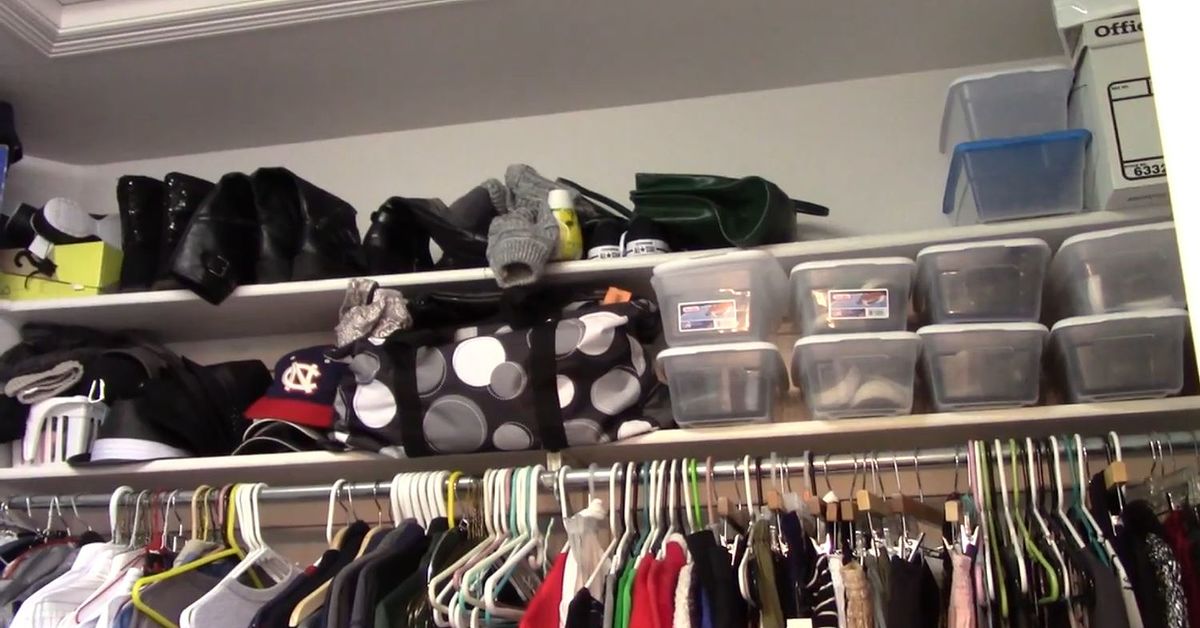
Use lidded baskets, under-bed bins, dressers with clean lines, wall hooks, and nightstands with drawers. In small bedrooms, consider floating nightstands or sconces to free up floor space. Storage should not feel like punishment. It can be part of the design.
Home Office and Study Room Design Ideas
A home office should help you focus without making you feel like you are trapped in a tax document. Place the desk where natural light is available, but avoid glare on the screen. Choose a chair that supports your back. Add a task lamp, a charging station, and closed storage for visual calm.
Decorate with items that motivate rather than distract. A pinboard, framed art, a plant, and a small shelf can add personality. If the office is part of another room, define the zone with a rug, wall color, shelving unit, or compact desk. For shared spaces, choose furniture that looks good when work is done, because nobody wants a printer to be the main character at dinner.
Dining Room Decorating Ideas
Dining rooms are becoming more flexible. Some host formal dinners, while others serve as homework hubs, puzzle zones, laptop stations, and the place where unopened mail goes to think about its life choices. Choose a table that fits your real habits. Round tables are great for conversation and small spaces. Rectangular tables work well in longer rooms. Extendable tables are perfect if you entertain occasionally but do not want a banquet hall every Tuesday.
Lighting matters here. A chandelier or pendant should relate to the table size and hang low enough to feel intimate without blocking faces. Add a sideboard, cabinet, or console for storage. Bring in warmth with art, curtains, a rug, or upholstered chairs.
Renter-Friendly Room Decorating Ideas
If you rent, you can still create a home that feels personal. Focus on reversible upgrades. Use peel-and-stick wallpaper, removable hooks, plug-in sconces, washable rugs, tension rods, temporary backsplash panels, framed art, large mirrors, and furniture that can travel with you. Swapping lampshades, cabinet knobs, shower curtains, and curtains can make a rental feel more finished without angering the security deposit gods.
Plants are another renter-friendly decorating hero. They add color, texture, and life without requiring a renovation. If you are not blessed with plant-parent confidence, start with hardy options and realistic expectations. A beautiful faux plant is better than a dramatic real plant slowly auditioning for a tragedy.
Budget-Friendly Decorating Ideas That Look Expensive
You do not need a giant budget to create a beautiful room. The trick is knowing where small changes make a big difference. Paint is one of the most affordable transformations. So are curtains, pillows, lamps, hardware, rugs, and art. Thrift stores, estate sales, online marketplaces, and vintage shops can offer unique pieces that make a room feel less mass-produced.
One high-impact strategy is to upgrade scale. Bigger curtains, a larger rug, oversized art, or a statement mirror can make a room feel more polished. Another strategy is to simplify. Remove items that do not serve the room. Style shelves with breathing room. Group decor in odd numbers. Repeat materials, such as brass, black metal, woven fibers, or warm wood, so the space feels connected.
Use the “One Upgrade Per Zone” Method
Instead of trying to redo an entire room at once, choose one upgrade per zone. In the seating area, add a better rug. Near the window, hang proper curtains. On the wall, add larger art. On the sofa, update pillows. This approach keeps the project manageable and prevents decorating fatigue, which is real and usually appears right after assembling flat-pack furniture.
Common Room Decorating Mistakes to Avoid
The most common decorating mistake is buying too quickly. Measure first. Tape furniture dimensions on the floor. Check doorways, outlets, window heights, and traffic paths. A beautiful sofa that cannot fit through the door is not a sofa; it is an expensive porch sculpture.
Another mistake is ignoring scale. Tiny art above a large sofa looks lonely. A small rug under big furniture looks accidental. Lamps that are too short can make a seating area feel awkward. Choose pieces that relate to one another in size and visual weight.
Finally, do not decorate only for photos. A room should support real life. Leave space for storage, movement, comfort, and the occasional snack plate. Good design is not about perfection. It is about making daily life smoother and more beautiful.
Real-Life Experience: What Actually Works When Decorating a Room
After helping plan and study many room decorating projects, one lesson stands out: the room usually tells you what it needs before your shopping cart does. People often begin with accessories because accessories are fun. A candle never asks for measurements. A pillow never requires a floor plan. But the best results usually come from slowing down and observing the room for a few days.
Notice where people naturally sit. Notice where clutter collects. Notice which corner feels dark, which chair nobody uses, and which surface becomes the unofficial home of keys, cups, chargers, and mysterious screws from unknown appliances. These clues are design information. If everyone avoids one chair, it may be uncomfortable, poorly placed, or missing a nearby table and lamp. If shoes pile near the door, the room does not need a lecture; it needs a basket, bench, or cabinet. If the coffee table is always covered, maybe the room needs more hidden storage, not more decorative trays.
Another practical experience is that lighting changes everything faster than almost any other upgrade. Many rooms feel unfinished simply because they rely on a single overhead fixture. Add a floor lamp beside a chair, a table lamp on a console, and a small accent light on a shelf, and suddenly the room has depth. It feels warmer, more expensive, and more welcoming. This is especially true in apartments, older homes, and rooms with limited natural light.
Scale is the second big lesson. People often buy rugs, art, and curtains too small because smaller pieces feel safer and cheaper. But undersized decor can make a room feel less confident. A larger rug can make furniture look connected. Taller curtains can make windows feel grander. Bigger art can make a wall feel intentional instead of forgotten. When in doubt, measuring and using painter’s tape can prevent expensive mistakes.
The third lesson is to decorate in layers, not all at once. Start with the layout, then the largest furniture, then rugs, lighting, window treatments, storage, textiles, wall decor, and finally accessories. This order helps the room evolve naturally. It also prevents the classic problem of buying ten cute objects and later realizing none of them solve the room’s actual issues.
Personal pieces matter most. A room with only trend-based decor may look nice, but it can feel strangely anonymous, like a hotel lobby waiting for a conference badge table. Add travel finds, family photos, handmade objects, favorite books, meaningful art, or vintage pieces with a story. These details give a room warmth. They make guests curious. They make the space yours.
Finally, the best decorating experience is flexible. Rooms change because life changes. A nursery becomes a playroom. A dining room becomes a work zone. A guest room becomes a hobby room. Good design leaves room for adjustment. Choose versatile furniture, movable lighting, timeless basics, and accessories that can rotate with seasons or moods. A beautiful room should not feel frozen. It should feel alive, useful, and ready for the next chapter.
Conclusion
Great room decorating and design ideas begin with real life. Start with how the room needs to function, then shape the layout, color palette, lighting, texture, storage, and decor around that purpose. The most beautiful rooms are not the ones that follow every trend perfectly. They are the ones that feel comfortable, intentional, and personal. Measure carefully, edit thoughtfully, layer slowly, and give every room at least one element that makes you smile. If your home supports your daily life and looks good doing it, congratulations: your room understood the assignment.
Note: This original article is prepared for web publication, written in standard American English, and synthesized from real-world interior design principles commonly recommended by reputable U.S. home and design publications.