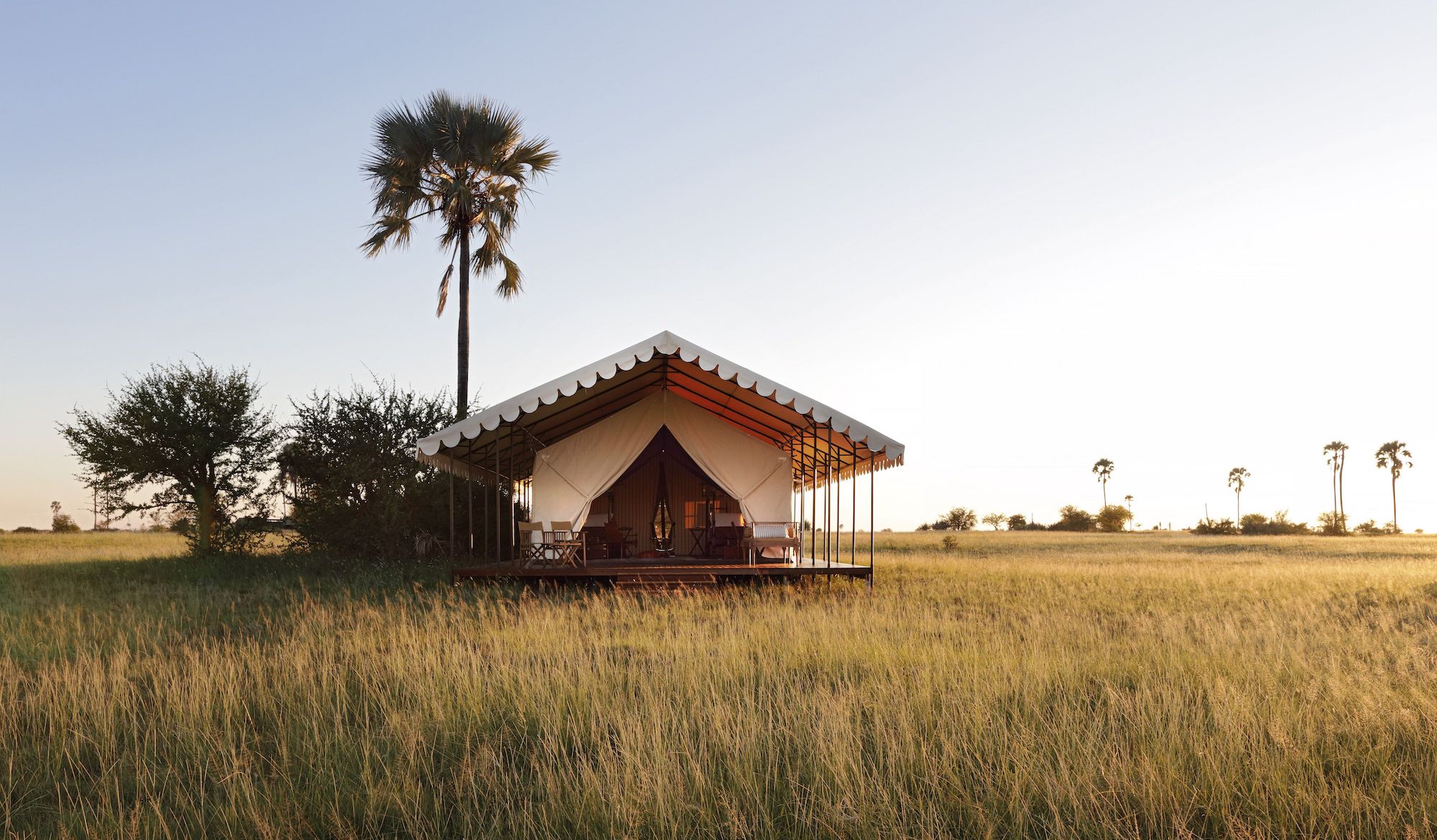
There are vacations that promise “rest and relaxation,” and then there are desert escapes, which quietly whisper, “How about awe, stillness, weird beauty, and a sky so dramatic it deserves its own agent?” The American desert does not always market itself like a beach town. It does not hand you a fruity drink at check-in. It does not fling humidity at your face like a wet towel. Instead, it offers something better: space, silence, texture, light, and the sort of scenery that makes your phone storage tap out before lunch.
If that sounds suspiciously poetic, good. Deserts have been underestimated for years by people who think “nothing there” means “nothing worth seeing.” In reality, the best desert escapes are layered with geology, wildlife, Indigenous history, dark-sky magic, and some of the most unforgettable road-trip energy in the United States. One minute you are walking through a palm oasis tucked inside a rocky canyon. The next, you are standing in a gypsum dune field that looks like the moon got into interior design.
This guide is your required reading before planning a desert getaway. Think of it as equal parts inspiration and practical survival manual, with fewer lectures and more “wow, I need to go there.” From Palm Springs and Joshua Tree to White Sands, Sedona, Saguaro, Moab, Zion, and the wide-open dreamscape of Nevada, here is why desert escapes deserve a permanent spot on your travel list.
Why Desert Escapes Feel Different
A good desert trip works because it strips travel down to its most essential pleasures. The air is clearer. The landscape is bolder. The light is less “soft golden hour” and more “cinematic revelation.” In many desert destinations, the terrain is shaped by extremes: intense heat, sudden storms, powerful wind, and long stretches of quiet that make every sound feel important. The result is a place that demands attention in the best way.
Deserts also reward people who travel with curiosity. You do not just go there to check off an overlook and leave. You go to notice the strange architecture of a cactus, the way red rock changes color by the hour, the silence in a dune field, or the absolute drama of stars appearing one by one after sunset. Desert escapes often feel restorative not because they are empty, but because they are full of things most of us do not notice enough anymore: weather, distance, stone, moonlight, and time.
And yes, some of them also come with excellent spas, boutique hotels, legendary tacos, and pool decks designed for heroic levels of loafing. The desert contains multitudes.
The Best Kinds of Desert Escapes in the American Southwest
Palm Springs and Greater Palm Springs: Desert Glamour With Real Wilderness Nearby
If your ideal desert escape involves a cold drink, a warm pool, a midcentury hotel, and the option to disappear into canyon country before dinner, Palm Springs is your place. Greater Palm Springs has mastered the art of contrast. It is polished without feeling sterile, stylish without taking itself too seriously, and close to enough natural beauty to make your relaxing weekend accidentally educational.
One of the biggest reasons this region works is that it offers both ease and adventure. You can spend the morning admiring architecture, the afternoon exploring palm groves or rocky canyon trails, and the evening eating outside under the kind of sky that makes indoor dining feel like a tragic choice. Indian Canyons is especially striking because it reminds visitors that “desert” does not mean lifeless. Oases, fan palms, and seasonal color prove that the landscape is more nuanced than the old cartoon version of sand plus a lonely cactus.
Palm Springs is also a strong base camp. Joshua Tree National Park sits close enough for a day trip, which means you can pair luxury and wilderness without changing hotels. That is elite vacation math.
Joshua Tree National Park: Where Two Deserts Meet and Reality Gets a Little Surreal
Joshua Tree is one of those places that feels edited by a very talented dream sequence designer. Massive boulder piles rise out of the land like ancient sculptures. The park’s namesake trees twist upward in shapes that look slightly fictional. The landscape sits at the meeting point of the Mojave and Colorado deserts, which helps explain why it feels so varied and so gloriously strange.
This is a favorite desert escape for hikers, climbers, photographers, campers, and anyone who enjoys saying, “I have never seen anything like this before,” every fifteen minutes. The dark skies are a major draw, and the geology makes even short walks memorable. But Joshua Tree is also a reminder that desert beauty comes with rules. Crowds increase when temperatures are moderate, and hot weather can turn an easy outing into a risky one fast. Smart visitors bring more water than they think they need, start early, and respect the fact that the desert is not bluffing when it comes to heat.
The reward for that preparation is extraordinary. Joshua Tree makes even a brief visit feel mythic, which is not a bad return on investment for a long weekend.
Death Valley National Park: A Land of Extremes That Somehow Still Feels Delicate
Death Valley has one of the most intimidating names in American travel, which honestly feels like strong branding. It is famous for extremes: heat, dryness, low elevation, and scenery that can look almost extraterrestrial. But what makes it truly fascinating is not just its harshness. It is the contrast. Snow can dust the high peaks. Rare rain can wake up wildflowers. Oases can support surprising pockets of life. It is a landscape built on contradiction.
This is the desert escape for travelers who want drama on a grand scale. The park rewards scenic driving, sunrise and sunset stops, and slow observation. It is less about conquering the place and more about understanding how much variety can exist inside an environment most people casually label as barren. That label falls apart almost immediately once you start paying attention.
Still, Death Valley requires respect. Summer temperatures can be dangerous, and even cooler seasons call for planning, water, fuel awareness, and a willingness to adjust. Think of it less as a casual stroll and more as a beautifully unforgiving master class in landscape.
Tucson, Phoenix, and Saguaro Country: The Sonoran Desert at Its Most Alive
The Sonoran Desert is the rebuttal to every person who assumes deserts are dead. This region is wildly biodiverse, visually rich, and full of character. Around Tucson and Phoenix, the desert feels inhabited in every sense of the word: by towering saguaros, desert birds, coyotes, flowering plants, resort culture, food scenes, and generations of human history.
Saguaro National Park is especially compelling because it protects the giant cactus most people imagine when they picture the Southwest. The park has two districts, east and west of Tucson, and both offer distinct views of how the desert shifts from open scrubland to foothills and higher terrain. The saguaro itself is so iconic that it can almost distract from everything else: the mountain backdrops, the wildlife, the layered plant communities, and the changing light across the day.
Phoenix adds another dimension to the desert escape. It blends easy resort comfort with outdoor access, and the surrounding Sonoran landscape changes by season. Fall and winter are ideal for long days outside. Spring brings wildflowers and cactus blooms. Summer is, frankly, a serious commitment, but it also pushes visitors toward water adventures, indoor culture, and appreciation for air conditioning as a civilizational triumph.
Sedona: The High-Desert Escape for People Who Want Beauty and a Personality
Sedona is not subtle, and that is part of its charm. The red rock formations are theatrical. The hiking is photogenic to a ridiculous degree. Sunrises and sunsets do not merely happen there; they perform. It is a destination where you can go full wellness retreat, full hiking weekend, full stargazing trip, or some ambitious combination of all three.
What makes Sedona a standout desert escape is the mood. It feels both adventurous and reflective. You can spend the day on trails and the evening staring at the stars, and somehow the whole place still manages to feel intimate rather than overwhelming. The official dark-sky reputation helps, but so does the red rock setting itself. Even a short walk can feel cinematic.
Sedona also excels for travelers who want more than scenery. There is art, a sense of spiritual tourism, guided tours, and enough varied activity to keep the trip from turning into “another nice hike.” It is a high-desert destination with range, and yes, it absolutely knows it is pretty.
White Sands and Southern New Mexico: The Desert as Minimalist Masterpiece
White Sands National Park looks like someone removed the color palette from the desert and somehow made it more spectacular. Instead of red stone or brown earth, you get rolling white dunes of gypsum sand stretching across the Tularosa Basin in a landscape that feels clean, bright, and almost unreal. It is the world’s largest gypsum dune field, and one of the easiest places in the Southwest to understand why desert travel can feel transcendent.
The appeal here is simplicity. You do not need a complicated itinerary to enjoy White Sands. Walk the dunes, photograph the changing light, stay for sunset, and let the place do the heavy lifting. Nearby Alamogordo adds the practical comforts of a gateway town, plus a few side attractions that make the region suitable for a full weekend instead of just a quick stop.
White Sands is also proof that desert escapes are not all the same. If Joshua Tree is textured and sculptural, White Sands is luminous and fluid. It is the desert turned into a study of light, silence, and shape.
Moab, Arches, and Canyonlands: Desert Adventure With No Indoor Voice
Moab is what happens when a desert town leans all the way into outdoor adventure and absolutely sticks the landing. It sits close to Arches and within striking distance of Canyonlands, which means a single base can unlock some of the most iconic scenery in Utah. This is a strong choice for travelers who hear the phrase “desert escape” and immediately think, “Great, where do I hike, bike, raft, climb, or stare dramatically into the middle distance?”
Arches delivers famous landmarks and striking sandstone formations with relatively accessible sightseeing, while Canyonlands offers scale, depth, and the kind of views that make humans look like a clerical error. Moab itself keeps the energy high with outfitters, food, gear shops, and the pleasant feeling that everyone around you is either slightly dusty or planning to become that way soon.
The practical caveat is the same one that follows most desert travel: carry plenty of water, know your route, and do not underestimate exposure. The area is exhilarating precisely because it feels big and wild. Treat that as a feature, not background decoration.
Zion, Utah Dark Skies, and Nevada’s Wide-Open Nights: The After-Hours Desert
Many travelers plan desert escapes around daytime views, but the Southwest saves some of its best material for after dark. Utah has built an entire reputation around dark-sky travel thanks to remote geography, high elevation, arid climate, and serious protection efforts. In places like Zion, Arches, Canyonlands, and state parks across Utah, the night sky can turn an ordinary evening into the highlight of a trip.
Nevada deserves more credit here too. Its open spaces, road-trip culture, and famous dark-sky opportunities make it ideal for travelers who want their desert getaway to include actual darkness rather than “city glow with a few bonus stars.” Great Basin National Park is especially beloved for stargazing, and broader Nevada road trips can combine hot springs, gateway towns, red-rock scenery, and night skies that feel almost oversized.
If your regular life involves too many screens, notifications, and someone somewhere insisting a meeting “could have been an email,” the nighttime desert is medicine.
How to Plan a Better Desert Escape
The best desert vacations are built on realism. Romanticize the view, absolutely. Romanticize dehydration, not so much. Start by choosing the right season for your destination. Cooler months are often ideal for long hikes and scenic drives. Shoulder seasons can offer lower stress and great light. Summer can still work in some places, but it often requires earlier starts, shorter outings, and a strategic relationship with shade, water, and indoor breaks.
Bring more water than feels socially normal. Wear sun protection like you mean it. Check conditions before you go, especially in places where flash floods, extreme heat, or busy-season crowding can affect your plans. Download maps when service may be limited. And leave time for the unplanned moments: the roadside viewpoint, the last-minute sunset stop, the diner recommendation from a local, the trail you had never heard of that becomes your favorite memory.
Also, be honest about the kind of trip you actually want. Some people want a desert spa weekend with one symbolic hike. Others want to be on trail by dawn with trail mix, binoculars, and a suspiciously detailed weather app. Both are valid. Desert escapes are flexible that way.
What Desert Escapes Give You That Other Trips Don’t
Desert travel has a way of making people feel both smaller and more awake. The scale is humbling, but the clarity is energizing. You notice more in a desert because there is less clutter competing for your attention. Color becomes more meaningful. Shadows become architecture. A single tree can feel like a miracle. A patch of shade can inspire sincere gratitude. That kind of recalibration is rare, and it is a big reason so many people return to the desert again and again.
There is also a mental shift that happens when you spend time in a landscape that does not perform convenience for you. The desert asks for preparation and patience, but in return it offers perspective. That is a pretty fair trade.
Extra Reading: What a Desert Escape Actually Feels Like
A desert escape usually begins before you arrive. It starts on the highway, somewhere beyond the last major suburb, when the billboards thin out and the horizon gets bolder. The mountains stop being background and start looking like a destination. You realize the color brown has approximately a thousand shades. You also realize that the desert is not empty at all. It is just quieter about introducing itself.
Then comes the first real desert morning. The air is cool in a way people do not expect if they have only imagined the Southwest at high noon. Light spills across the land slowly, catching rock faces, cactus spines, dune ridges, or the rough bark of a Joshua tree. A trail that looked monochrome the night before suddenly reveals rust, gold, sage, coral, cream, and silver. The whole place feels like it has been waiting for the sun to switch the gallery lights on.
By midday, the desert becomes more direct. It tells the truth about your shoes, your water bottle, your planning skills, and whether that “quick hike” was a serious statement or a work of fiction. But even that honesty becomes part of the appeal. The desert does not flatter laziness, yet it rewards attention. Sit still for a while and you begin to notice movement everywhere: a lizard flicking across stone, a bird threading through cactus, a breeze drawing patterns in sand, a raven acting like it owns the place because, frankly, it kind of does.
Afternoon in the desert can be sleepy, especially if you are doing it right. Maybe you retreat to a shady patio in Tucson, a pool in Palm Springs, a cool room in Moab, or a café in Sedona where everyone looks pleasantly dusty and mildly transformed. Desert towns understand recovery. They know that after a few hours outside, a good meal and a cold drink are not luxuries. They are part of the ecosystem.
Then sunset arrives and the whole landscape changes jobs. Red rocks deepen. White dunes glow pink. Saguaros become silhouettes. The heat backs off. People get quieter without being told to. There is often a strange, collective pause, as if everyone has agreed not to ruin the moment by talking too loudly about real estate, inboxes, or protein macros. This is one of the desert’s greatest tricks: it can make even the most distracted traveler pay attention.
Night is when many desert escapes become unforgettable. In cities, darkness is often something we dilute. In the desert, darkness returns to full strength. Stars appear in large, unreasonable numbers. Constellations stop being abstract textbook diagrams and start looking close enough to matter. If you are lucky, you hear almost nothing at all. No traffic hum, no upstairs neighbor, no late-night leaf blower committed to chaos. Just wind, distance, and a sky so clear it feels personal.
That is the real gift of a desert escape. It does not just show you a different place. It changes the speed at which you experience being alive there. It sharpens things. It simplifies things. It gives beauty back its edges. And when you leave, you do not just remember what you saw. You remember how differently you noticed everything.
Conclusion
If beach trips are for drifting and city breaks are for stimulation, desert escapes are for recalibration. They combine beauty, challenge, stillness, and surprise in a way few other destinations can. Whether you want the polished ease of Palm Springs, the surreal forms of Joshua Tree, the scale of Death Valley, the living richness of the Sonoran Desert, the red-rock magnetism of Sedona, the glow of White Sands, or the star-stuffed nights of Utah and Nevada, the American desert offers a getaway that feels larger than a vacation. It feels like a reset.
So yes, this was required reading. The desert has earned it.