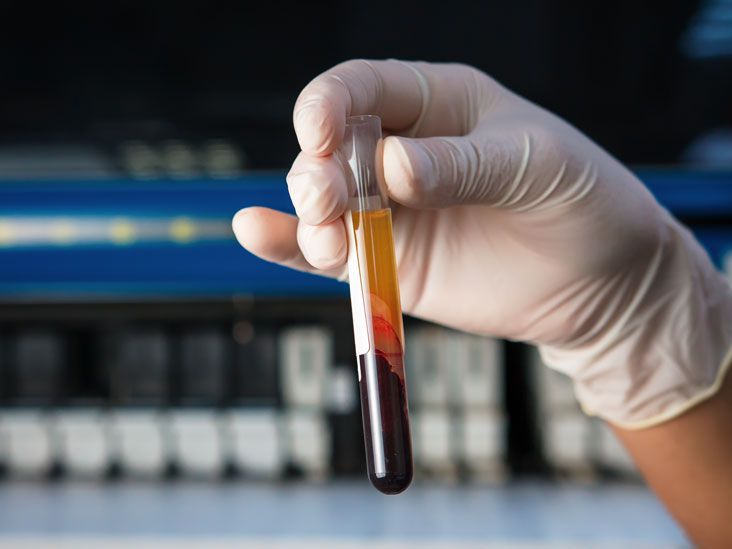
Your blood has a built-in “emergency repair crew” that rushes in when you get a cut or injury.
The prothrombin time (PT) test is one of the main ways doctors check whether that crew is
showing up on time, too late, or way too early. If you’ve ever seen “PT/INR” on a lab slip
and wondered what on earth it means, you’re in the right place.
In this guide, we’ll walk through why the prothrombin time test is ordered, what actually
happens during the test, how to read those mysterious numbers, and what can nudge your results
up or down. We’ll finish with real-life style experiences and practical tips so the whole
process feels a lot less intimidating.
What Is a Prothrombin Time (PT) Test?
Prothrombin is a protein made in your liver and also known as clotting factor II. It’s one of
several clotting factors that work together to form a stable blood clot and stop bleeding.
The prothrombin time test measures how long it takes the liquid part of your blood (plasma)
to form a clot after special reagents are added in the lab.
You’ll often see PT reported together with an INR, or international normalized
ratio. Because different labs use slightly different testing reagents, INR is a standardized
way to compare PT results across labs. It’s especially important for people taking the blood
thinner warfarin, where small changes in clotting time really matter.
In simple terms:
- PT (seconds): How many seconds it takes your plasma to clot in the lab.
- INR: A calculated, standardized number based on your PT.
Why Your Provider Might Order a PT/INR Test
PT/INR testing isn’t just for people on blood thinners, although that’s a very common reason.
Healthcare providers use it to answer several big questions about clotting and bleeding.
1. Monitoring warfarin or other vitamin K–dependent anticoagulants
The classic use of PT/INR is to monitor warfarin (Coumadin), a medication that
makes your blood less likely to clot. Your provider aims for a target INR range (commonly
around 2.0–3.0 for many conditions) to balance the risk of dangerous clots with the risk of
bleeding. If your INR is:
- Too low: Your blood may be clotting too quickly — higher clot risk.
- Too high: Your blood is taking too long to clot — higher bleeding risk.
Your dose of warfarin may be adjusted based on these numbers.
2. Unexplained bleeding or easy bruising
If you have frequent nosebleeds, heavy periods, bleeding gums, or bruises that show up without
much cause, a PT test can help show whether your clotting system is slower than it should be.
3. Unusual or recurrent blood clots
On the flip side, some people make clots too easily, leading to problems like deep vein
thrombosis (DVT) or pulmonary embolism (PE). PT can be part of a clotting workup to see if
certain clotting factors are out of balance or if treatment is working.
4. Checking liver function
Because your liver produces prothrombin and other clotting factors, liver damage or disease
can show up as a prolonged PT. That’s why PT is often bundled into liver function testing
panels.
5. Vitamin K deficiency
Vitamin K is like a “finishing tool” your body uses to activate several clotting factors,
including prothrombin. A lack of vitamin K from poor intake, malabsorption, or certain
medications can increase PT and INR.
6. Before surgery or invasive procedures
Many surgeons want to make sure your blood clots normally before they start cutting. If PT is
very prolonged, they may delay or modify a procedure to lower bleeding risk.
How Blood Clotting Works (Quick Tour)
Clotting is a team sport. When you’re injured, platelets rush in first and form a temporary
plug. Then a cascade of proteins called clotting factors activates in a precise
order, forming a strong fibrin mesh that stabilizes the clot.
The clotting system is often divided into:
- Extrinsic pathway: Involves tissue factor and factors VII, X, V, II (prothrombin), and fibrinogen. This is what the PT test mainly measures.
- Intrinsic pathway: Assessed by the partial thromboplastin time (PTT) test, which looks at a different set of clotting factors.
Together, these pathways converge to form a strong, stable clot. If factors in the extrinsic
pathway are missing or reduced, your PT will usually be prolonged.
How to Prepare for a Prothrombin Time Test
The PT/INR test is pretty low-maintenance. Most people do not need to fast before
having their blood drawn. But there are a few important steps:
-
Tell your provider about all medications. This includes prescription drugs
(especially blood thinners like warfarin), aspirin, nonsteroidal anti-inflammatory drugs
(NSAIDs), birth control pills, hormone therapy, seizure medications, antibiotics, and more. -
Mention vitamins and supplements. Vitamin K, fish oil, ginkgo, garlic and
other herbal products can affect clotting. -
Share any bleeding or clotting history. Let your provider know about heavy
periods, easy bruising, past clots, or family history of bleeding disorders. - Pregnancy or recent illness? Mention it. Both can influence clotting factors.
If you’re already on warfarin, your provider may give you specific instructions on when to take
your dose relative to the blood draw so the results are easy to interpret.
What Happens During a PT/INR Test?
In a lab or clinic
The standard test is done with a blood draw:
- A healthcare professional ties an elastic band around your upper arm.
- Your skin is cleaned with an antiseptic wipe.
- A needle is placed into a vein in your arm and blood is collected into a small tube that contains a special anticoagulant.
- The needle is removed, and you hold a cotton ball or gauze over the site while light pressure is applied.
- A small bandage is placed over the area.
Most people feel only a brief sting or pinch. The whole process usually takes just a few
minutes.
Finger-stick and home INR devices
Some people who need frequent monitoring, especially long-term warfarin users, may use
point-of-care or home INR devices. These work a bit like blood sugar meters:
- A finger is cleaned with an alcohol pad.
- A lancet pricks the fingertip and a drop of blood is placed on a test strip.
- The device analyzes the sample and gives an INR value within seconds.
Your provider will tell you if home testing is appropriate for your situation and how often you
should check.
Risks and Side Effects
For most people, the PT test is very safe. Possible issues are generally mild and short-lived:
- Soreness or slight pain where the needle went in.
- A small bruise at the puncture site.
- Rarely, bleeding that lasts longer than expected, especially in people with bleeding disorders or on strong blood thinners.
- Very rarely, infection at the puncture site.
If you notice significant or prolonged bleeding, large swelling, or signs of infection (redness,
warmth, pus, or fever), you should contact your healthcare provider promptly.
Understanding PT and INR Results
PT and INR values always need to be interpreted in context — including why the test was
ordered and which medications you take. But some general patterns can help you make sense of
your results.
Typical reference ranges
Exact ranges can vary slightly by lab, but common reference values for healthy adults not on
anticoagulants include:
- Prothrombin time: roughly 9–13 seconds (often around 11–12.5 seconds).
- INR: about 0.8–1.2.
Again, your report should list the lab’s specific reference range. Being slightly outside the
range doesn’t always mean something serious is wrong, but it’s worth a conversation with your
provider.
Target INR while taking warfarin
If you’re on warfarin, your target INR depends on the underlying condition:
- Many conditions (like atrial fibrillation or treatment of DVT/PE): target INR often 2.0–3.0.
- Some mechanical heart valves: target INR may be slightly higher (for example, 2.5–3.5).
Your cardiologist or prescribing clinician will set your personal goal range and adjust your
medication dose based on repeat PT/INR tests.
What a high PT/INR might mean
A prolonged PT or INR above the normal range means your blood is
taking longer than usual to clot. Possible reasons include:
- Warfarin dose that’s higher than needed.
- Liver disease or liver failure (fewer clotting factors being made).
- Vitamin K deficiency.
- Deficiencies in clotting factors I (fibrinogen), II, V, VII, or X.
- Certain antibiotics, antifungals, or other drugs that interact with warfarin or vitamin K.
- Alcohol misuse or poor nutrition.
- Severe illness, disseminated intravascular coagulation (DIC), or other complex clotting disorders.
Very high INRs, especially in someone on warfarin, may require prompt medical attention,
sometimes even emergency care, depending on symptoms and bleeding risk.
What a low PT/INR might mean
A shortened PT or INR below your target range usually means your
blood clots more quickly than intended. That may increase the risk of clots. Potential reasons include:
- Warfarin dose too low or missed doses.
- Sudden increase in vitamin K intake (for example, eating far more vitamin K–rich greens).
- Some inherited or acquired conditions that predispose to clotting (though PT alone doesn’t diagnose these).
If you’re on warfarin and your INR is low, your provider may adjust your dose and possibly
repeat the test sooner.
Factors That Can Affect Your PT/INR Results
PT/INR is useful, but it’s also a bit sensitive. A number of things can push your numbers
around:
- Diet: Big swings in vitamin K intake (leafy greens, certain oils) can change INR, especially on warfarin.
- Medications: Antibiotics, antifungals, seizure drugs, heart medications, and many others can interact with warfarin or clotting factors.
- Herbal supplements: Ginkgo, St. John’s wort, ginseng, and others may affect clotting or warfarin metabolism.
- Alcohol use: Heavy or binge drinking can affect the liver and clotting factor production.
- Illness: Infections, vomiting, diarrhea, or liver conditions can change how your body handles medications and nutrients.
- Lab variation: PT is sensitive to the exact reagents used, which is why INR was created to standardize results between labs.
PT vs. PTT and Other Coagulation Tests
PT/INR is just one piece of the coagulation puzzle. Other tests your provider may order include:
-
Partial thromboplastin time (PTT or aPTT): Measures a different group of clotting
factors in the intrinsic pathway and is often used to monitor heparin therapy or screen
for hemophilia and related conditions. -
Coagulation factor tests: Measure individual clotting factors when PT or PTT is
abnormal to pinpoint the problem. -
D-dimer, fibrinogen, and others: Help evaluate clot breakdown, DIC, or other
complex clotting disorders.
PT/INR results are almost always interpreted alongside your symptoms, medical history, and any
other lab results.
Smart Questions to Ask Your Healthcare Provider
When you get your PT/INR results, it’s absolutely okay to ask for plain-English explanations.
Some helpful questions include:
- What was my PT and INR, and what is the normal or target range for me?
- Why do you think my result is high, low, or normal?
- Do I need to change any medications, doses, or timing?
- Should I adjust my diet or vitamin K intake?
- How often do you want me to repeat the PT/INR test?
- Are there any symptoms that mean I should call your office or go to the emergency room?
Clear communication is key. A PT/INR test is just information — understanding what it means
and what to do next is where you and your health team work together.
Real-Life Style Experiences with Prothrombin Time Testing
While everyone’s story is different, PT/INR testing tends to follow a few recognizable patterns.
Think of these as “composite experiences” that capture what many people go through.
Living with regular INR checks on warfarin
Imagine someone who started warfarin after a deep vein thrombosis in the leg. At first, the
idea of a “blood thinner” sounds scary, and the lab schedule feels like a part-time job. Those
early weeks often involve PT/INR tests every few days or weekly while the dose is adjusted.
Results bounce around — 1.6 one week, 3.2 the next — and it can feel like you’re doing
something wrong.
Over time, patterns emerge. This person learns that skipping a dose or doubling up affects the
INR, that suddenly going heavy on kale and spinach can nudge it down, and that new medications
need a quick check with the prescriber. After a few months, tests may spread out to once every
4–8 weeks if the numbers stay near the target. The test becomes less of a mystery and more
like routine maintenance.
People in this situation often develop practical habits:
- Keeping a small notebook or app log of INR results, doses, and any medication changes.
- Scheduling INR checks on the same day and time to make results easier to compare.
- Carrying a card or digital note listing that they’re on warfarin, in case of emergencies.
The “why am I bruising so much?” journey
Another common experience starts with unexplained bruises, nosebleeds, or very heavy periods.
After a visit to the clinician, PT/INR and other clotting tests are ordered. Waiting for the
results can feel nerve-wracking, especially if you start Googling late at night (no judgment).
Sometimes the PT is only mildly prolonged, and the next steps are straightforward: checking
vitamin K levels, reviewing medications, or doing a few more specialized blood tests. Other
times, the PT is significantly extended, prompting a closer look at liver health or specific
clotting factor levels.
People often describe feeling relief once there’s a clear plan, even if the answer isn’t
perfect. Getting an explanation like “Your liver isn’t making enough clotting factors” or
“This medication is interacting with your clotting system” turns vague worry into something
concrete that can be addressed.
Coping with anxiety about blood tests
Not everyone loves needles. Some people dread the lab more than the results. A few simple
strategies can make PT/INR testing less stressful:
- Let the phlebotomist know if you’re nervous or prone to fainting.
- Look away during the blood draw and focus on slow, steady breathing.
- Hydrate before the test (if allowed) so veins are easier to find.
- Plan a small “reward” afterward — a walk, a favorite snack, or a call to a supportive friend.
People who need long-term monitoring often say that, over time, the blood draws become
just another item on the to-do list rather than a major ordeal. But if anxiety stays high, it’s
absolutely reasonable to talk to your healthcare provider about it.
Partnering with your healthcare team
Whether your PT/INR test is a one-time thing or a recurring part of chronic care, the most
positive experiences tend to share one theme: partnership. Patients who feel comfortable
asking questions, clarifying instructions, and mentioning real-life challenges (like shifting
work schedules or trouble affording lab visits) tend to get more tailored, realistic plans.
The test itself is just numbers on a page. What really matters is how those numbers guide
treatment decisions, lifestyle tweaks, and your long-term health. Don’t hesitate to speak up
about what’s working for you and what isn’t.
The Bottom Line
The prothrombin time test is a simple, powerful tool for understanding how your blood clots.
Whether you’re being screened for a bleeding problem, monitored on warfarin, or having your
liver function checked, PT/INR results give your healthcare team crucial information about your
clotting system.
While the numbers and abbreviations can look intimidating, they all boil down to some basic
questions: Is your blood clotting too fast, too slow, or just right for your situation? When
you and your provider put those answers into context, PT/INR testing becomes less of a mystery
and more of a useful dashboard for your health.
As always, this information is for general education and should not replace medical advice from
your own healthcare team. If you have questions or concerns about your PT/INR results, it’s
best to discuss them directly with a qualified professional.