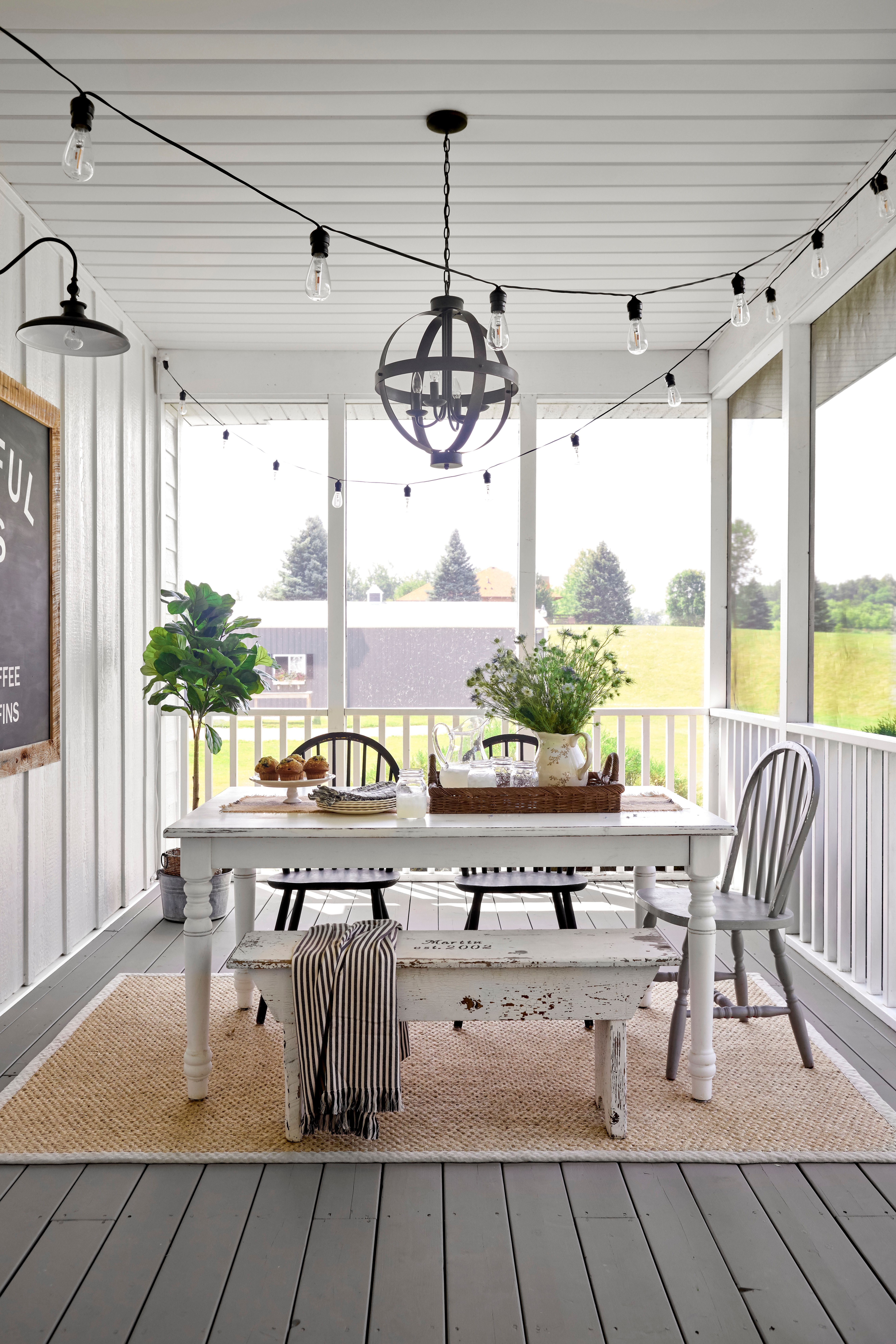
Your porch ceiling may not be the first thing guests notice, but it quietly sets the mood for the entire outdoor space. Think of it as the “fifth wall” of your porchthe one that hovers above your rocking chairs, protects your iced tea from direct sun, and gives your curb appeal a polite but confident handshake. A tired ceiling can make even beautiful furniture look unfinished, while the right ceiling treatment can turn a basic porch into a cozy outdoor room.
The best porch ceiling ideas combine style, durability, and comfort. That means choosing materials that can handle moisture, temperature swings, and occasional pollen attacks while still looking good enough for a magazine photoor at least your neighbor’s slightly jealous glance. From classic beadboard and haint blue paint to warm wood planks, sleek PVC panels, beams, fans, and lighting, there are plenty of ways to transform your porch without making it feel overdesigned.
Why Porch Ceiling Design Matters
A porch ceiling does more than cover rafters. It affects how bright the space feels, how tall it appears, how polished the home looks from the street, and how comfortable the area is during everyday use. A white or pale blue ceiling can reflect light and make a narrow porch feel airier. A stained wood ceiling can add warmth and depth. A coffered or beam-accented ceiling can give a plain structure architectural character.
Because porches sit between indoors and outdoors, the ceiling needs to balance interior-style beauty with exterior-grade performance. Interior paint, untreated wood, and standard indoor fans may look fine at first, but outdoor humidity is a dramatic little villain. Use materials and finishes designed for covered exterior spaces so your porch ceiling stays attractive after real weather, not just after one sunny weekend.
1. Classic Beadboard Porch Ceiling
Beadboard is one of the most beloved porch ceiling ideas because it adds instant charm without shouting for attention. Its narrow grooves create texture, rhythm, and a traditional look that works beautifully with cottages, bungalows, farmhouses, coastal homes, and historic houses. Painted white, beadboard feels crisp and clean. Painted pale blue, it becomes a Southern classic. Painted soft gray or sage, it feels updated but still timeless.
Wood beadboard offers authentic character, but PVC beadboard is a smart choice for homeowners who want lower maintenance. PVC resists moisture better than many wood products and can be especially useful in humid climates or shaded porches where dampness tends to linger. If you use wood, prime and seal it properly, including cut ends, before installation. Your future self will thank you while not sanding overhead on a ladder in July.
2. Haint Blue for an Airy Southern Look
Few porch ceiling colors are as famous as haint blue. Traditionally associated with Southern porches, this soft blue-green shade has roots in folklore and regional design. Today, most people choose it because it visually lifts the ceiling and mimics the open sky. The result is cheerful, calm, and quietly charming.
Haint blue works especially well with white trim, natural wicker, black lanterns, brick steps, and painted wood floors. For a subtle look, choose a pale blue with a hint of gray. For a coastal porch, try a brighter sky blue. For a historic home, a greenish blue feels more traditional. The trick is to coordinate the ceiling color with the home’s exterior instead of picking a random blue and hoping the porch develops a personality overnight.
3. Stained Tongue-and-Groove Wood
Tongue-and-groove wood planks create a smooth, finished ceiling with natural warmth. The boards interlock, giving the surface a polished look that feels more custom than flat panels. Cedar, pine, cypress, and other exterior-appropriate woods can create different moods depending on the stain color.
A light stain feels breezy and casual. A medium honey tone creates farmhouse warmth. A deep walnut or espresso stain adds drama and makes the porch feel like an outdoor lounge. This idea works especially well on vaulted porch ceilings, screened porches, lake homes, mountain cabins, and modern rustic exteriors.
Wood ceilings do require thoughtful maintenance. Use exterior-rated stain or paint, allow boards to acclimate before installation, and leave room for natural expansion. Wood is beautiful, but it has feelings. Mostly about moisture.
4. White Porch Ceiling for Maximum Brightness
A white porch ceiling is simple, classic, and incredibly effective. It reflects natural light, makes low ceilings feel higher, and pairs with nearly every exterior color. If your porch is narrow, shaded, or screened, white can prevent it from feeling gloomy.
For a traditional look, pair white beadboard with black lanterns and rocking chairs. For a modern look, choose smooth white panels with clean-lined recessed lighting. For coastal style, combine a white ceiling with blue cushions, rope accents, and light wood furniture. White may seem basic, but on a porch ceiling, it is the reliable friend who always brings snacks and never causes drama.
5. Shiplap for Casual Farmhouse Style
Shiplap porch ceilings bring horizontal or linear texture to outdoor spaces. While beadboard feels more detailed, shiplap offers a broader, cleaner profile. It works well for farmhouse, transitional, coastal, and modern cottage homes.
Painted shiplap in white or cream gives the porch a relaxed, finished look. Stained shiplap creates a warmer, more rustic effect. For a contemporary twist, consider running the boards perpendicular to the house to visually widen the porch, or lengthwise to emphasize depth. Board direction can subtly change how the whole space feels, which is design magic without the wand.
6. PVC and Composite Ceiling Panels
For homeowners who want beauty with less upkeep, PVC and composite porch ceiling panels are excellent options. They can mimic beadboard, planks, or smooth panels while resisting moisture, rot, and insects better than many natural materials. These materials are especially useful for coastal regions, rainy climates, and porches with limited airflow.
PVC does not always have the same natural warmth as real wood, but paintable and textured versions have improved a lot. If your top priority is easy cleaning and long-term durability, composite or PVC panels deserve serious consideration. A quick rinse or wipe-down is much more fun than repainting every few seasons.
7. Exposed Beams for Architectural Character
Adding beams to a porch ceiling can make the space feel custom, substantial, and inviting. Beams can be structural or purely decorative, depending on the porch design. Painted white beams over wood planks create a modern farmhouse look. Dark beams against a light ceiling add contrast. Natural beams over a white beadboard ceiling give the porch texture without making it feel heavy.
For large porches, beams can help break up a wide ceiling so it does not look like one blank overhead slab. For smaller porches, use slim beams or simple trim so the space does not feel crowded. Scale matters. A tiny porch with massive beams can feel like it is wearing shoulder pads from the 1980s.
8. Coffered Porch Ceiling
A coffered ceiling uses beams or trim to create a grid of recessed panels. Indoors, it often feels formal and architectural. Outdoors, it can make a covered porch feel like a true extension of the home. This style works best on porches with enough ceiling height to handle added depth.
Painted coffered ceilings look crisp and elegant, especially in white, cream, gray, or soft blue. Wood coffered ceilings feel warmer and more luxurious. If your porch connects to a formal entry or outdoor dining area, a coffered ceiling can make the whole space look intentionally designed rather than simply covered.
9. Painted Ceiling That Matches the Exterior
Matching the porch ceiling to your siding or trim can create a seamless, calming effect. This works beautifully with soft green, warm beige, pale gray, and off-white exteriors. When the ceiling blends with the home, the porch feels larger and more integrated.
For a subtle contrast, choose a ceiling color one or two shades lighter than the siding. This keeps the porch bright while still feeling coordinated. If the exterior already has strong colors, a matching or tonal ceiling can help avoid visual clutter.
10. Dark and Moody Porch Ceiling
Dark porch ceilings are bold, stylish, and surprisingly cozy. Charcoal, deep brown, navy, black, and espresso-stained wood can make an outdoor seating area feel intimate and polished. This idea works best when the porch has good natural light, pale walls, or light flooring to balance the darker overhead color.
A dark ceiling pairs beautifully with brass lanterns, black-framed doors, stone accents, leather-look outdoor cushions, and lush planters. It is a great choice for modern homes, mountain houses, and dramatic front porches that want to whisper, “Yes, I have excellent taste.”
11. Ceiling Fans for Comfort and Style
A ceiling fan can make a porch much more usable during warm months. Choose a fan rated for outdoor use. Damp-rated fans are generally suitable for covered porches protected from direct rain, while wet-rated fans are designed for more exposed areas. The fan should also fit the porch scale; oversized blades on a small porch can feel awkward, while a tiny fan on a wide veranda may move about as much air as a polite sigh.
Style matters too. Black fans feel modern, wood-look blades add warmth, white fans disappear into pale ceilings, and bronze finishes suit traditional homes. For safety and performance, fan boxes must be properly mounted to structural framing, not just ceiling panels.
12. Outdoor Lighting That Flatters the Ceiling
Lighting can completely change how a porch ceiling looks after sunset. Recessed lights create a clean, modern glow. Flush-mount fixtures work well for low ceilings. Pendant lights add personality to dining areas or deep porches. String lights bring casual charm, especially on relaxed back porches and screened spaces.
When planning a porch ceiling renovation, think about lighting before panels go up. Running wiring later can turn a simple project into a ceiling surgery situation. Use outdoor-rated fixtures and place lights where they support real activities, such as reading, dining, entering the home, or finding the last cookie on the side table.
Best Porch Ceiling Materials: Quick Comparison
| Material | Best For | Style | Maintenance Level |
|---|---|---|---|
| Wood Beadboard | Historic homes, cottages, traditional porches | Classic and charming | Medium |
| PVC Beadboard | Humid climates and low-maintenance projects | Clean and traditional | Low |
| Tongue-and-Groove Wood | Warm, custom-looking outdoor rooms | Rustic, coastal, or refined | Medium to high |
| Shiplap | Farmhouse and casual modern porches | Simple and linear | Medium |
| Composite Panels | Durability and moisture resistance | Varies by finish | Low |
| Painted Smooth Panels | Budget updates and modern porches | Minimal and clean | Medium |
Porch Ceiling Color Ideas
Choosing the right color is often the easiest way to transform a porch ceiling. Soft blue creates an airy, sky-like effect. White brightens and expands the space. Cream adds warmth without looking yellow. Pale gray feels modern and calm. Sage green blends beautifully with landscaping. Natural wood tones add richness and texture. Dark charcoal or black creates drama when used carefully.
Before committing, test paint samples on the actual ceiling or a scrap board. Outdoor light changes throughout the day, and a color that looks perfect at noon may look oddly purple by dinner. Paint is sneaky like that.
Small Porch Ceiling Ideas
For a small porch, keep the ceiling treatment clean and bright. White beadboard, pale blue paint, slim planks, and simple flush-mount lights can make the space feel bigger. Avoid overly heavy beams or dark colors unless the porch gets plenty of light and the rest of the design is very simple.
Running boards lengthwise can visually extend a narrow porch. Matching the ceiling to the trim can also reduce visual breaks and make the area feel more open. Add one standout detail, such as a stylish lantern or a soft blue ceiling, instead of trying every idea at once. A small porch can be charming; it does not need to become a design buffet.
Screened Porch Ceiling Ideas
Screened porches often feel like outdoor living rooms, so the ceiling should feel finished and comfortable. Beadboard, stained tongue-and-groove planks, and painted shiplap are all strong choices. Because screened porches may trap humidity, exterior-grade materials and good ventilation are important.
Ceiling fans are especially useful in screened porches because they improve airflow and comfort. Recessed lighting or dimmable fixtures can make the space usable for evening meals, reading, or pretending you are “just stepping outside for five minutes” and returning an hour later.
Budget-Friendly Porch Ceiling Updates
You do not always need a full renovation to refresh a porch ceiling. A fresh coat of exterior paint can make a huge difference. Adding trim to cover seams can make plain panels look more intentional. Installing beadboard panels over a sound existing surface can hide imperfections. Swapping an outdated light fixture for an outdoor-rated lantern can instantly improve the view overhead.
If the ceiling has stains, sagging, soft spots, or signs of leaks, fix the source of the problem before covering it. New panels over water damage are like putting a fancy hat on a raccoon. Entertaining, yes. Wise, no.
Installation and Maintenance Tips
Always choose exterior-grade materials for porch ceilings, even if the area is covered. Moisture, temperature shifts, and insects can still affect the ceiling over time. For wood, prime or seal all sides when possible, including cut ends. For painted ceilings, use exterior paint and primer suitable for the material. For planks, allow proper expansion gaps and fasten into solid framing or furring strips.
Plan electrical work early if you want fans, recessed lights, or pendant fixtures. Any fan should be mounted to a rated support box attached to framing. When in doubt, hire a qualified professional, especially for wiring, structural repairs, or ceiling changes involving heavy fixtures.
For maintenance, clean the ceiling seasonally with a soft brush or mild cleaner. Watch for peeling paint, mildew, loose boards, rusting fasteners, and roof leaks. A porch ceiling can last for years when small problems are handled early.
Real-World Experience: What Actually Makes a Porch Ceiling Feel Finished
In real homes, the most successful porch ceiling transformations usually come down to three things: proportion, material choice, and consistency. A porch does not need the most expensive ceiling treatment to look beautiful. It needs the right treatment for the house. A tiny bungalow porch may look perfect with simple white beadboard and one charming light fixture. A wide wraparound porch may need beams, fans, and a richer ceiling material to avoid feeling empty overhead.
One common experience homeowners have is underestimating how visible the ceiling really is. From the street, guests may notice the front door first, but once they step onto the porch, the ceiling becomes part of the first impression. If it is stained, peeling, or mismatched, the whole porch can feel neglected. When it is freshly painted or covered with clean planks, the same furniture suddenly looks better. It is the outdoor version of getting a haircut and realizing your shirt was not the problem.
Another practical lesson is that color samples matter. Many homeowners love haint blue in photos, then discover that the wrong blue can clash with brick, siding, or stone. A gray-blue may look elegant on a white farmhouse but dull on a shaded porch with dark brown trim. A brighter sky blue may feel cheerful on a coastal cottage but too playful on a formal colonial. Testing samples in morning, afternoon, and evening light can prevent regret.
Material choice also depends on lifestyle. Wood is beautiful and authentic, but it needs attention. If you enjoy home maintenance and love natural texture, stained tongue-and-groove boards can be worth it. If you prefer to spend weekends grilling, reading, or doing almost anything other than repainting overhead boards, PVC or composite panels may be the better fit. There is no prize for choosing the highest-maintenance option unless the prize is more maintenance.
Lighting and fans are often the details that turn a pretty porch into a usable porch. A ceiling may look great during the day, but without good lighting, the space disappears after sunset. A stylish fan can make summer afternoons far more comfortable. Many homeowners wish they had planned wiring before installing the finished ceiling, so it is smart to decide early whether you want fans, sconces, recessed lights, pendants, or string lights.
The best experience-based advice is to design the porch ceiling as part of the whole outdoor space. Look at the floor, railing, siding, furniture, front door, and landscaping together. If the porch already has patterned tile, colorful cushions, or bold shutters, a simple ceiling may be best. If the porch is plain, the ceiling can become the feature. A good porch ceiling does not just cover the space; it completes the room.
Conclusion
The right porch ceiling can transform an outdoor area from “nice enough” to “why don’t we sit out here every evening?” Whether you choose classic beadboard, haint blue paint, warm wood planks, low-maintenance PVC, dramatic beams, or stylish lighting, the goal is to create a ceiling that fits your home, climate, and lifestyle.
Start with the basics: durable materials, exterior-grade finishes, proper installation, and a design that complements the architecture. Then add personality through color, texture, lighting, and fans. A porch ceiling may be overhead, but when done well, it brings the whole outdoor space together beautifully.