There are two kinds of homemade pizza dough people talk about online. The first is the dreamy kind: blistered crust, airy rim, crisp bottom, the sort of pizza that makes you stare at your oven like it just got a promotion. The second is the sad kind: pale, dense, weirdly sweet, and shaped like a map of emotional distress. This article is here to help you make the first kind on purpose.
A great pizza dough recipe does not need twenty ingredients, a sacred chant, or a flour imported by gondola. It needs a smart ratio of flour, water, salt, and yeast, plus enough time for the dough to relax and develop flavor. Once you understand that, pizza night stops feeling like culinary gambling and starts feeling gloriously repeatable.
What Makes a Great Pizza Dough?
The best pizza dough balances four things: flavor, structure, stretch, and browning. Flavor comes from fermentation. Structure comes from gluten development. Stretch comes from proper hydration and enough resting time. Browning comes from heat, a little oil or natural sugars in the dough, and not overloading the top with enough sauce to create a tomato lagoon.
For home cooks, the sweet spot is usually a dough that is easy to handle but still lively enough to puff in the oven. That means using enough water to keep the crumb tender, enough salt to make the dough taste like food and not wallpaper paste, and enough fermentation time to build character. Think of it as the difference between a band warming up in the garage and a band that actually rehearsed.
The Ingredients, Explained Like a Friend Who Wants You to Succeed
Flour
Bread flour is the go-to if you want a chewier crust with better structure. All-purpose flour also works and often produces a slightly softer, more tender bite. If you are new to pizza dough, start with bread flour for confidence. If all-purpose is what you have, do not cancel pizza night. The dough police are not coming.
Water
Water brings the dough together and affects texture. More water usually means a more open, airy crumb, but also a stickier dough. For most home bakers, a moderate hydration dough is the most forgiving. It stretches nicely, bakes well in a regular oven, and does not behave like a wet blanket trying to escape the bowl.
Yeast
Instant yeast is convenient because it can be mixed directly into the flour. Active dry yeast works too, but it is usually dissolved in warm water first. More yeast speeds things up for a same-day dough. Less yeast is better for a slower overnight or cold-fermented dough.
Salt
Salt sharpens flavor and strengthens the dough. Leave it out and your crust will taste flat and feel weaker. In other words, salt is not optional unless disappointment is the theme of dinner.
Olive Oil
Olive oil is not mandatory for every style, but it is very useful in a home-baking recipe. It adds tenderness, helps browning, and makes the dough a little easier to handle. A small amount goes a long way.
An Easy Pizza Dough Recipe for Home Ovens
This recipe makes enough dough for two 12-inch to 14-inch pizzas. It is designed for standard American home kitchens and works whether you want a same-day dinner or a better-tasting overnight version.
Ingredients
- 500 grams bread flour, plus a little extra for shaping
- 325 grams warm water
- 10 grams fine sea salt
- 7 grams instant yeast for same-day dough or 3 grams instant yeast for overnight dough
- 15 grams olive oil
Instructions
- Mix the dough: In a large bowl, combine the flour, salt, and yeast. Add the warm water and olive oil. Stir until a shaggy dough forms and no dry patches remain.
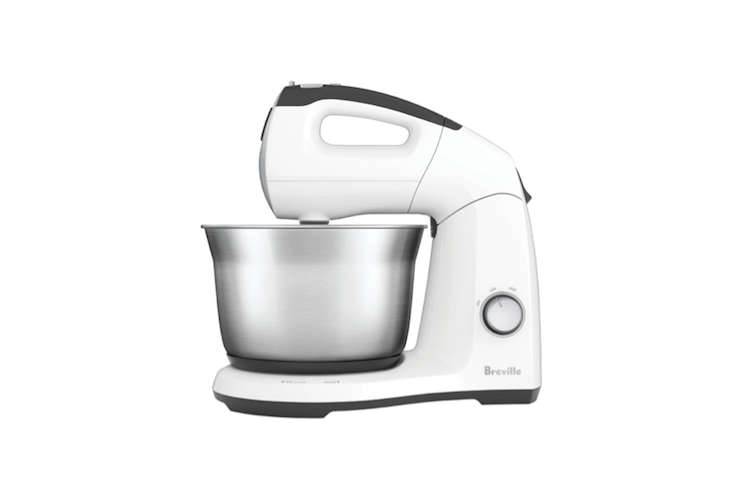
- Knead: Turn the dough onto a lightly floured surface and knead for 8 to 10 minutes, or until smooth and elastic. You can also use a stand mixer with a dough hook for about 5 to 6 minutes on low speed.
- First rise: Place the dough in a lightly oiled bowl, cover, and let it rise until doubled. For the same-day version, this usually takes 1 to 2 hours depending on room temperature. For the overnight version, let it rise for about 30 to 45 minutes at room temperature, then refrigerate.
- Divide: Turn the dough out and divide it into 2 equal portions. Shape each portion into a tight ball.
- Rest again: Place the dough balls on a lightly floured tray or in covered containers. Let them rest 20 to 30 minutes for same-day dough, or 24 to 72 hours in the refrigerator for the cold-fermented version.
- Bring to room temperature: If chilled, remove the dough from the refrigerator about 45 to 60 minutes before stretching.
- Shape: Gently press one dough ball into a disk, then stretch it outward from the center, leaving a slightly thicker rim. Avoid using a rolling pin if you want airy edges. A rolling pin is efficient, but it flattens your future happiness.
- Top lightly: Add sauce, cheese, and toppings without overloading the dough.
- Bake hot: Bake on a preheated pizza stone, steel, or inverted sheet pan at 500 to 550 degrees Fahrenheit until browned and blistered, usually 7 to 10 minutes depending on your oven and toppings.
Same-Day vs. Overnight Pizza Dough
Same-day dough is convenient, fast, and absolutely worth making when a craving strikes. It tends to have a cleaner, simpler flavor and a tighter crumb. It is your weeknight hero, not your dramatic artisan weekend project.
Overnight or cold-fermented dough takes longer, but the payoff is real. The dough becomes easier to stretch, the crust tastes more complex, and the baked pizza often develops better bubbles and browning. If you have ever eaten a homemade crust and thought, “This is good, but why doesn’t it taste like pizzeria dough?” the answer is usually time.
How to Stretch Pizza Dough Without Starting a Small Kitchen Crisis
First, let the dough relax. If it keeps snapping back, it is either too cold or not rested enough. Give it 10 to 15 minutes and try again. Dough is like a stubborn gym sock; the more aggressively you fight it, the less cooperative it becomes.
Dust the counter lightly with flour. Press from the center outward, leaving a rim around the edge. Pick up the dough and rotate it as gravity helps stretch it. If a thin spot starts to form, put it down and work another area. You do not need theatrical tossing unless your ceiling needs excitement.
Best Baking Methods for a Better Crust
Pizza Steel or Pizza Stone
A preheated steel or stone gives the dough a powerful blast of bottom heat, which helps create a crisp base and better oven spring. If you own one, preheat it for at least 45 minutes. That part matters. A lukewarm stone is basically just a circular plate with ambition.
Sheet Pan or Inverted Baking Sheet
No stone? No problem. An upside-down heavy baking sheet works surprisingly well. Preheat it in the oven so the dough lands on a hot surface immediately.
Cast-Iron Pan
Cast iron is excellent for thicker, pan-style pizzas with crispy edges. It is not the same as a classic deck-oven pie, but it is deeply satisfying and forgiving for beginners.
Common Pizza Dough Mistakes
- Using too much flour while shaping: A little is helpful. A snowstorm is not.
- Not preheating the oven long enough: Heat is half the recipe.
- Skipping the resting time: Tight dough is frustrating dough.
- Overloading toppings: Heavy toppings make a soggy center and sad crust.
- Expecting same-day dough to taste like a 3-day ferment: Time and flavor are friends.
- Adding flour instead of waiting when dough feels sticky: Sticky does not always mean wrong. Sometimes it just means the dough needs a few minutes to hydrate and settle.
Storage, Freezing, and Make-Ahead Tips
Pizza dough stores beautifully, which is one reason it feels like kitchen magic. After the first rise, divide it into balls, lightly oil them, and store them in covered containers in the refrigerator for up to 3 days for most home formulas. For longer storage, freeze the dough balls individually.
To thaw frozen pizza dough, move it to the refrigerator overnight. Then let it sit at room temperature for about 30 to 60 minutes before shaping. Do not microwave it unless your goal is to invent a new form of sadness.
Serving Ideas for This Pizza Dough Recipe
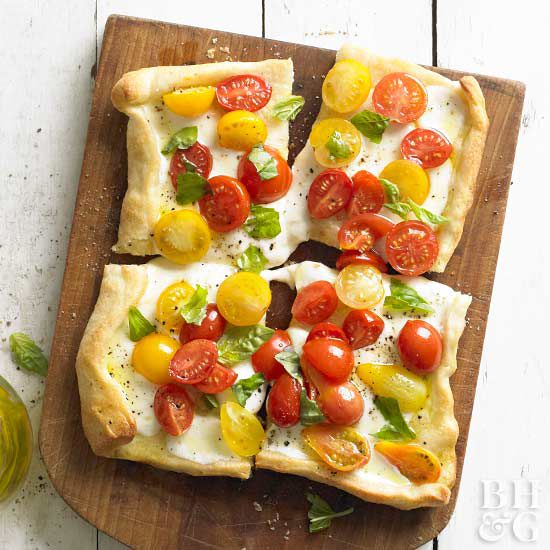
This dough is versatile enough for classic cheese pizza, pepperoni, mushroom and onion, white pizza with ricotta, or a vegetable-heavy Friday-night clean-out-the-fridge masterpiece. You can even use it for calzones, garlic knots, or flatbread-style pizzas.
If you want a specific direction, try one of these combinations:
- Classic: Crushed tomato sauce, mozzarella, basil, olive oil
- Pepperoni: Tomato sauce, low-moisture mozzarella, pepperoni, red pepper flakes
- White pizza: Olive oil, mozzarella, ricotta, garlic, spinach
- Veggie: Tomato sauce, mozzarella, mushrooms, red onion, peppers, olives
Why This Pizza Dough Recipe Works
This recipe works because it respects the fundamentals without becoming fussy. The flour provides structure, the water keeps the dough supple, the salt adds flavor and strength, the yeast brings lift, and the olive oil improves tenderness and browning. The same formula also gives you options. Use more yeast and make pizza tonight. Use less yeast and let time do the heavy lifting.
It is also forgiving. That matters. The best homemade pizza dough recipe is not the one that impresses a flour nerd on the internet. It is the one you will actually make again next week.
Real-World Experiences With Pizza Dough: What Home Bakers Learn Fast
One of the funniest things about making pizza dough at home is how confident people feel right up until the dough actually appears. Dry ingredients? No problem. Water? Easy. Stirring? Very empowering. Then suddenly you are looking at a sticky lump and wondering whether you have made dinner or wallpaper adhesive.
That moment is normal. In fact, it is practically part of the recipe. Most home bakers learn very quickly that pizza dough changes personality as it rests. What starts off rough and awkward often becomes smooth, stretchy, and cooperative after kneading and a little time. This is one of the most useful real-life lessons: do not judge the dough too early. Dough, like some people in group projects, improves only after it has had a minute.
Another common experience is the first attempt at shaping. Beginners often press too hard, use too much flour, or attack the dough with a rolling pin like they are flattening pie crust. Then the baked pizza comes out with a dense rim and a center that feels more “lunchroom rectangle” than “Friday night triumph.” After a few tries, most people realize that gentle handling makes a dramatic difference. Press, stretch, pause, rotate. The dough responds much better when you stop trying to win an argument with it.
There is also the great fermentation revelation. Many people make a same-day dough first and think it is pretty good. Then they try a dough that rested overnight or spent a day or two in the refrigerator, and suddenly the crust has more flavor, more bubbles, and more character. It is the culinary equivalent of hearing your favorite song through decent speakers for the first time. Same melody, wildly better experience.
Home bakers also discover that the oven setup matters more than expected. A pizza baked on a properly preheated steel or stone feels like a different food than one baked on a cool pan. The bottom crisps faster, the crust rises better, and the whole pie looks more like the pizza people post online when they are absolutely showing off.
Then there is topping restraint, which many of us learn the hard way. The instinct is understandable: if cheese is good, more cheese must be better; if vegetables are healthy, a mountain of them must be wise. But overloaded pizza dough struggles. The center stays wet, the crust gets heavy, and the slice droops with the exhausted body language of someone who said yes to too many weekend plans. A lighter hand usually makes a better pizza.
Perhaps the best experience of all is repetition. By the third or fourth batch, pizza dough stops feeling mysterious. You recognize the look of properly risen dough, the feel of a good stretch, and the smell of fermentation. You stop chasing perfection and start building instinct. That is when homemade pizza becomes more than a recipe. It becomes a habit, a ritual, and occasionally a reason to brag in the family group chat.
Conclusion
A reliable pizza dough recipe is less about perfection and more about understanding a few core moves: use solid ingredients, give the dough enough time, handle it gently, and bake it hot. Once you do that, homemade pizza becomes one of the most rewarding things you can make in an ordinary kitchen. It is affordable, adaptable, and honestly a little theatrical in the best possible way. Flour on the counter, oven blazing, dough stretching under your hands, and dinner suddenly feeling much more interesting than takeout.
So start with this recipe, make notes, and keep going. Your first dough may be good. Your fifth may be excellent. Your tenth may have you casually saying things like “I prefer a longer ferment for flavor development,” which is how you know pizza has become a lifestyle.