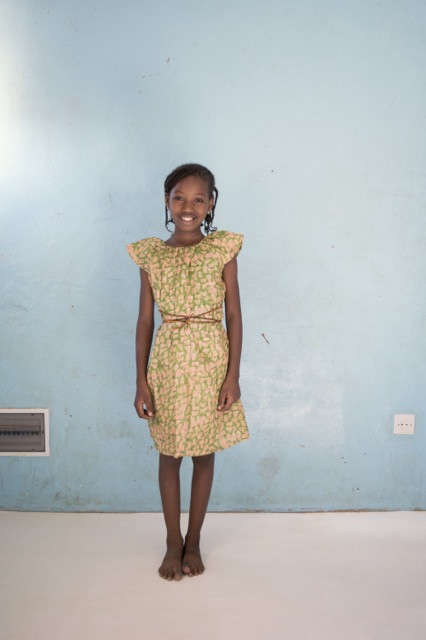
The Petel Petite Pattern Dress is the kind of children’s dress that makes grown-ups pause, smile, and say, “Well, that is unfairly stylish for someone who still believes stickers belong on furniture.” Designed with cotton fabric and a handmade spirit, this little patterned dress sits at the sweet intersection of comfort, craft, cultural storytelling, and everyday wearability.
Unlike many children’s clothes that look adorable for exactly twelve minutes before being attacked by snack crumbs, playground dust, and mysterious glitter, the Petel Petite Pattern Dress feels like a piece made for real childhood. It has charm, yes. It has style, absolutely. But more importantly, it has the practical personality parents appreciate: breathable cotton, an easy silhouette, and a pattern lively enough to hide a few tiny adventures.
Petel Petite is connected to Petel Design, a brand founded in 2012 by Ibrahima and Julie Wagne. The broader Petel story brings together artists, designers, weavers, and craftspeople from West Africa and San Francisco. That background gives the dress more depth than the usual “cute thing on a hanger.” It belongs to a design world where textiles are not merely decoration; they carry tradition, handwork, and a sense of place.
What Is the Petel Petite Pattern Dress?
The Petel Petite Pattern Dress is a cotton children’s dress originally listed as part of Petel’s children’s clothing line. Remodelista featured it as a children’s clothing and accessories pick with a published price of $67 at the time. The listing described Petel Petite as a collaboration between local artisans in a remote West African village and designers and crafters in San Francisco.
That detail matters because it immediately separates the dress from mass-market children’s clothing. This is not a dress trying to win attention through loud branding, plastic sparkle, or a cartoon character who appears to have had too much fruit punch. Instead, the appeal comes from textile, pattern, simplicity, and story.
The name itself tells us a lot. “Petel” points to the maker’s design identity, “Petite” signals a smaller children’s size range, and “Pattern Dress” highlights the visual star of the show: the printed or textile-based design. For parents, gift-givers, boutique shoppers, and design-minded families, that combination makes it an appealing choice for special days that still require running, twirling, sitting sideways in chairs, and possibly negotiating with a cookie.
Why Cotton Works So Well for Children’s Dresses
One of the strongest selling points of the Petel Petite Pattern Dress is its cotton material. Cotton has long been a favorite for children’s clothing because it is soft, breathable, and generally comfortable against active skin. Children do not exactly move through the world gently. They climb, flop, roll, wiggle, sprint, spill, and occasionally use their own sleeves as napkins. A good cotton dress can handle the chaos with more grace than many delicate synthetic fabrics.
Breathability is especially important. A patterned cotton dress can keep a child feeling cooler during warm weather and more comfortable when layered in cooler seasons. Cotton also tends to soften over time, which is excellent news for kids who have very strong opinions about scratchy seams, stiff collars, and anything that “feels weird.” Parents know this review system well. It is brutal, honest, and delivered before school when everyone is already late.
Another benefit of cotton is its easy-care reputation. While every garment should be washed according to its own care label, cotton children’s clothing is often compatible with gentle washing, cool water, mild detergent, and line drying or low-heat drying. For patterned pieces, turning the garment inside out before washing can help protect the fabric surface and reduce fading. In other words, the dress can be pretty without requiring the laundry routine of a royal textile archive.
The Beauty of Pattern in Children’s Clothing
Pattern is not just decoration. In children’s fashion, pattern brings movement, personality, and a little visual forgiveness. A patterned dress can look playful without needing extra ruffles, sequins, or accessories. It also gives the outfit personality from the start, which is useful when dressing a child who would rather be building a block tower than discussing wardrobe composition.
The Petel Petite Pattern Dress fits into a broader love for artisan-inspired children’s wear: pieces that feel personal, tactile, and slightly different from what everyone else is wearing. Patterned cotton dresses are especially practical because they can be styled up or down. Add sandals and the dress is ready for a summer picnic. Add tights and a cardigan and it suddenly becomes autumn-friendly. Add a flower crown and you may have accidentally created the mayor of the fairy village.
Because Petel’s larger design practice works with traditional West African textiles and Fulani weaving heritage, the patterned quality of the dress can be read as part of a larger appreciation for craft. It invites a different kind of shopping mindsetone that values where clothing comes from, who makes it, and why fabric can be meaningful.
Design Story: West African Craft Meets San Francisco Creativity
Petel Design describes itself as a partnership between artists, designers, and weavers in West Africa and San Francisco. The brand’s process highlights traditional fabrics often associated with Fulani communities in West Africa, particularly in the Fuuta Toro region around Senegal and Mauritania. These textiles have ceremonial and decorative roles, including use in important family and community moments.
That background gives the Petel Petite Pattern Dress a richer identity than a typical children’s boutique dress. It reflects a design bridge between regions, traditions, and modern family life. For parents who care about ethical production and cultural craft, this matters. Clothing becomes more than a purchase; it becomes a small way to support handmade design and preserve textile knowledge.
Petel’s stated mission also connects product sales with education and training for Mauritanian children and youth. That kind of impact-oriented brand story is increasingly important to shoppers who want children’s clothing to be beautiful, useful, and connected to something better than fast-fashion overproduction. A dress will not solve the world’s problems, of course. But thoughtful design can make everyday buying feel a little less disposable and a little more human.
How to Style the Petel Petite Pattern Dress
For Everyday Wear
For casual days, keep the styling simple. The Petel Petite Pattern Dress already has visual interest, so it does not need an army of accessories marching alongside it. A pair of soft sandals, simple sneakers, or Mary Jane shoes can complete the outfit without making it feel overdone. A lightweight cardigan is a smart layer for cooler mornings or air-conditioned rooms where temperatures are apparently controlled by penguins.
For Family Photos
Patterned dresses photograph beautifully when the rest of the outfit stays balanced. Choose neutral shoes, simple hair accessories, and natural textures. If siblings or parents are coordinating outfits, avoid matching everyone in the same pattern. Instead, pull one or two colors from the dress and echo them in other outfits. The result feels coordinated, not like a family band with a very specific costume budget.
For Parties and Special Events
The dress can also work for birthdays, holiday gatherings, cultural events, and boutique-style celebrations. Add polished shoes, a clean cardigan, or a small woven bag for a more dressed-up look. Because the dress is cotton, it still feels child-friendly rather than stiff or costume-like. That is the magic zone: special enough for photos, comfortable enough for cake.
Who Is the Petel Petite Pattern Dress Best For?
The Petel Petite Pattern Dress is ideal for families who appreciate design-led children’s clothing with a handmade or artisan-inspired feel. It is especially appealing for parents who prefer natural fabrics, global textile stories, and pieces that can be worn beyond one single event.
It also makes a thoughtful gift. Many children’s gifts are either too generic or too impractical. A cotton patterned dress lands in the middle: beautiful, useful, memorable, and wearable. It is a strong choice for birthdays, holidays, family visits, or a “just because this is adorable and I have no self-control in boutique shops” moment.
Because the dress has a distinct pattern, it works best for children and families who enjoy expressive clothing. Minimalists may prefer a plain white or solid-color dress, but pattern lovers will see the appeal immediately. It brings joy without shouting. It says, “I have style,” not “I was dressed by a confetti cannon.”
Fit, Comfort, and Movement
Children’s clothing has to pass one major test: can the child move? A beautiful dress that restricts play is basically a decorative napkin with buttons. The best children’s dresses allow sitting, jumping, dancing, climbing stairs, and sudden dramatic spins in the hallway.
While exact measurements depend on the size and cut, the Petel Petite Pattern Dress appears to be designed with simplicity and wearability in mind. Cotton adds softness, and a patterned design keeps the look lively without requiring complicated construction. When buying any boutique children’s dress, shoppers should check measurements carefully, especially chest width, shoulder fit, length, and arm opening.
For growing children, a slightly relaxed fit is often more practical than a perfectly snug one. It allows layering and gives the dress a longer useful life. A dress that can be worn now with sandals and later with tights is the kind of wardrobe math parents love.
Care Tips for a Cotton Pattern Dress
To keep the Petel Petite Pattern Dress looking its best, gentle care is the safest approach. Always follow the garment’s care label first, but cotton patterned clothing generally benefits from cool water, mild detergent, and low-impact washing.
Simple Care Checklist
- Turn the dress inside out before washing to help protect the pattern.
- Use cold or cool water when possible to reduce fading and shrinkage risk.
- Choose a mild detergent, especially for children with sensitive skin.
- Avoid bleach, which can weaken fibers and damage color.
- Line dry in shade or tumble dry on low if the label allows it.
- Iron on a suitable cotton setting if needed, preferably inside out.
Parents may also want to spot-clean small marks quickly. This is particularly helpful with patterned cotton because treating a stain early can prevent it from settling. Of course, some stains appear to have been created in a laboratory by toddlers, so expectations should remain realistic.
Why Artisan-Inspired Children’s Clothing Still Matters
In a world full of fast shipping, fast trends, and fast-growing children, it can be tempting to treat kids’ clothing as disposable. After all, a child can outgrow a dress between breakfast and lunch. But artisan-inspired pieces like the Petel Petite Pattern Dress offer a different perspective.
They remind us that children’s clothing can be thoughtful. It can be connected to craft. It can teach young people, even indirectly, that fabric comes from somewhere and that hands, histories, and communities are often behind beautiful things. A patterned cotton dress may seem simple, but it can carry a story about design collaboration, textile tradition, and more mindful consumption.
That does not mean every item in a child’s closet needs to be boutique-made. Children still need playground leggings, backup T-shirts, and emergency socks that vanish into another dimension. But having a few meaningful pieces can make a wardrobe feel more personal. The Petel Petite Pattern Dress is exactly that type of piece.
Petel Petite Pattern Dress vs. Ordinary Children’s Dresses
Ordinary children’s dresses often focus on trend, price, or seasonal color. The Petel Petite Pattern Dress stands out because it combines cotton comfort with an artisan-linked brand story. Its value is not only in how it looks, but in what it represents.
Compared with a basic department-store dress, it feels more distinctive. Compared with a formal occasion dress, it is more wearable. Compared with synthetic costume-style clothing, it is more natural and practical. The pattern gives it personality, while the cotton keeps it grounded in real life.
This balance makes it useful for families who want something special but not fussy. It is the kind of dress that can appear in a family photo, survive a party, and still be worn again on an ordinary afternoon. That is a rare achievement in children’s clothing, where “special” too often means “worn once, then retired like a tiny celebrity.”
Buying Considerations Before You Choose
Before purchasing a Petel Petite Pattern Dress or a similar artisan children’s dress, consider size, care, season, and use. Check whether the fabric is fully cotton, whether it is lined, and whether the pattern may require extra care. Look at the length and shoulder measurements, not just the age label, because children’s sizing can be wildly optimistic.
Also consider how often the dress will be worn. A higher-quality boutique dress can be worth it if it works for multiple occasions and can be passed down to a sibling, cousin, or friend. Cotton dresses often become softer with wear, which makes them excellent candidates for hand-me-down life.
Finally, think about the child’s preferences. Some children love patterns. Others want everything purple, everything twirly, or everything with pockets large enough to store rocks, acorns, and one deeply suspicious leaf. A successful dress is one that both the adult and child can enjoy.
500-Word Experience Section: Living With a Petel Petite Pattern Dress
Imagine receiving the Petel Petite Pattern Dress as a gift. The first impression is not loud luxury; it is quiet charm. The cotton feels approachable, the pattern catches the eye, and the overall look suggests a child who is ready for a family brunch but may also inspect ants on the sidewalk with scientific seriousness. That is a good sign. Children’s clothing should never look so precious that everyone becomes nervous when juice enters the room.
The first styling experience is usually easy. You place the dress on a hanger, hold it up, and immediately realize it does not need much help. A simple pair of shoes works. A cardigan works. Bare legs in summer work. Tights in winter work. This flexibility is what makes patterned cotton dresses so useful. They do not demand a complete outfit strategy involving mood boards and emergency accessories. They simply show up and do their job.
On a real day out, the dress feels practical. Cotton lets the child move comfortably, and the pattern gives the outfit enough visual interest that small wrinkles do not ruin the look. This is important because children do not sit like catalog models. They fold themselves into chairs, slide across benches, climb into cars sideways, and somehow create wrinkles in places scientists have not named yet.
The dress also tends to invite compliments, especially from adults who like handmade or boutique children’s fashion. People notice when a child’s outfit has texture, pattern, and a story. It does not look like every other dress from a mall rack. It feels more collected, more personal, and more connected to craft. That makes it especially nice for family gatherings, museum visits, garden parties, or any event where someone will inevitably say, “Where did you find that?”
Care is part of the experience too. After a day of wear, the dress may come home with evidence of childhood: a crumb, a grass mark, or a mysterious smudge that nobody will confess to. A gentle wash routine helps maintain the pattern and fabric. Turning it inside out, washing cool, and drying carefully can keep it looking fresh. The goal is not to preserve it in museum condition. The goal is to let it live beautifully.
Over time, a dress like this can become part of family memory. It may appear in birthday photos, holiday snapshots, vacation albums, and ordinary afternoons that later feel surprisingly precious. Because it is not overly trendy, it has a timeless quality. Years later, it may still look sweet in photos rather than screaming, “This was purchased during a very specific fashion emergency.”
The best experience with the Petel Petite Pattern Dress is that it feels meaningful without being impractical. It is pretty, but not fragile. Special, but not stiff. Distinctive, but still easy to wear. For parents, that is a small victory. For children, it is simply a comfortable dress they can move in. And honestly, that may be the highest compliment children’s clothing can receive.
Final Thoughts
The Petel Petite Pattern Dress is more than a charming cotton children’s dress. It represents a thoughtful approach to kids’ fashion: comfortable fabric, expressive pattern, artisan collaboration, and a story rooted in West African and San Francisco creative exchange. It is practical enough for real childhood and distinctive enough for special memories.
For families who value natural materials, meaningful design, and clothing with personality, this dress is a lovely example of how children’s fashion can be both beautiful and wearable. It does not need glitter, gimmicks, or cartoon branding to stand out. Its strength is quieter: cotton comfort, cultural craft, and a pattern that feels alive.