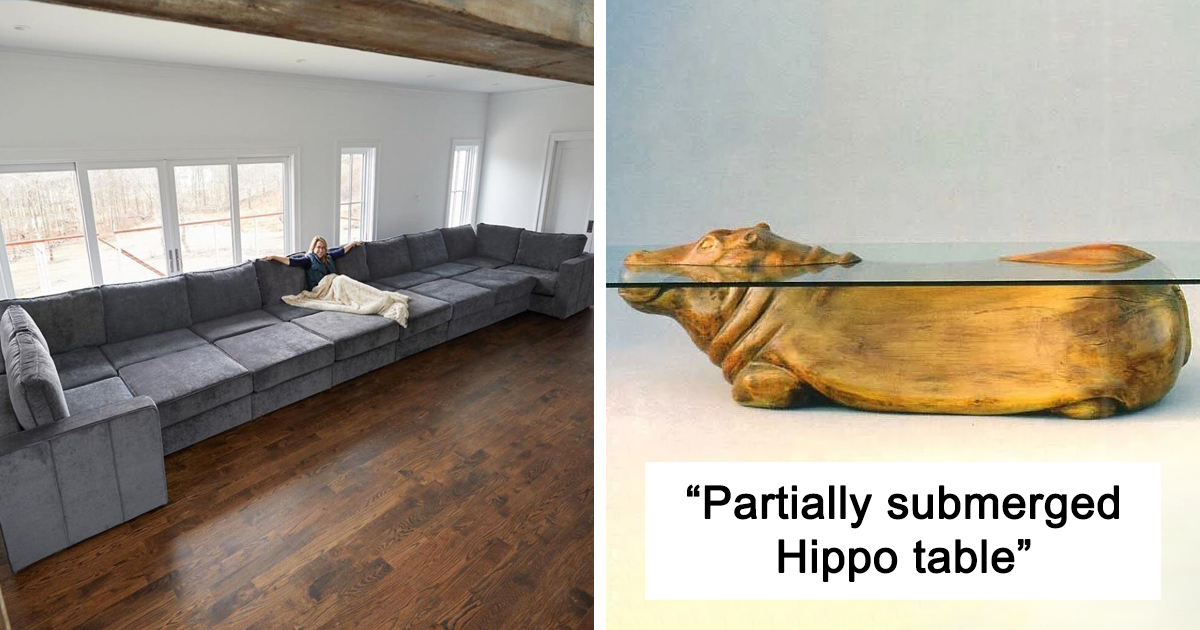
Every once in a while, a product design pops up online and makes people collectively say, “Why isn’t everything made like this?” It might be a wheelchair-friendly gaming controller, a mug that solves the eternal spoon-dripping tragedy, a suitcase that follows you around like a loyal robot puppy, or a package that opens without requiring scissors, teeth, and a minor emotional breakdown.
The coolest product designs are not always the flashiest. Some are beautiful because they disappear into everyday life. Some are cool because they solve a tiny problem so perfectly that you feel personally understood. Others look like they were smuggled back from the year 2045. But the best ones usually have one thing in common: they make life easier, safer, cleaner, more accessible, more sustainable, or just more fun.
Inspired by the way people share clever finds across the internet, this article explores 50 of the coolest product design ideas worth celebrating. These examples are based on real design trends, award-winning products, smart consumer innovations, and the everyday objects people love to show off because they feel surprisingly thoughtful.
What Makes a Product Design “Cool”?
Cool product design is not just about looking expensive on a walnut table next to a tiny cactus. A product becomes memorable when form and function work together. It should be intuitive, durable, comfortable, responsible, and maybe even delightful enough to make someone take a photo before using it.
Great design often answers one of five questions:
- Does it solve a real problem?
- Does it make a task faster, safer, or easier?
- Does it include people who are usually ignored?
- Does it reduce waste or extend product life?
- Does it make an ordinary moment feel unexpectedly satisfying?
That is why a reusable water bottle with a genius cap can be just as impressive as a futuristic robot. One changes the way we hydrate; the other may eventually fold our laundry. Both deserve applause, though the laundry robot gets a louder one.
50 Of The Coolest Product Designs People Love Sharing
1. Adaptive Gaming Controllers
Accessible gaming controllers are some of the most meaningful examples of modern product design. Devices such as adaptive joysticks and modular controller systems help players with limited mobility customize buttons, grips, and inputs. Cool design is not just sleek; it is inclusive.
2. A Smart Thermostat That Looks Like Home Decor
The best smart thermostats hide complex technology behind simple dials, clean screens, and automatic learning features. A well-designed thermostat does not scream “tiny wall computer.” It quietly manages comfort while looking polished enough to belong in a design magazine.
3. Kid-Safe Cardboard Cutting Tools
One of the cleverest recent product ideas is a child-friendly cutting tool that lets kids build cardboard projects without using a dangerous blade. It turns recycling boxes into forts, robots, castles, and whatever else a child can imagine after eating cereal.
4. A Mouse And Keyboard Setup For Creators
Creative consoles with customizable buttons, dials, and shortcuts help designers, video editors, and digital artists speed up repetitive tasks. The design magic is in the tactile control: instead of digging through menus, users can twist, tap, and adjust like they are piloting a tiny spaceship.
5. Packaging That Opens Without Rage
Easy-open packaging deserves a standing ovation. Tear strips, pull tabs, paper-based wraps, and frustration-free boxes prove that packaging can protect a product without making the customer question their life choices.
6. Magnetic Measuring Spoons
A stack of measuring spoons that snaps together magnetically is a tiny masterpiece. It prevents drawer chaos, keeps sizes easy to find, and gives home cooks one less reason to mutter at the utensil drawer.
7. Collapsible Water Bottles
Collapsible bottles solve the “empty bottle taking up half my bag” problem. They are especially useful for travel, school, hiking, and gym bags. The best designs feel sturdy when full and compact when empty.
8. Modular Sofas
Modular sofas let people rearrange seats, ottomans, corners, and storage pieces as their homes change. It is furniture that admits life is unpredictable. Moving apartments? Hosting guests? Suddenly need a nap island? Modular design has entered the chat.
9. Refillable Cleaning Product Systems
Refillable cleaning systems reduce single-use plastic by pairing reusable bottles with concentrated tablets or refill pouches. The design works because it makes the greener option convenient rather than guilt-powered.
10. Transparent OLED Displays
Transparent display technology turns screens into objects that can blend into furniture, retail spaces, and interiors. It feels futuristic because the screen no longer behaves like a black rectangle waiting to dominate the room.
11. Smart Bird Feeders With Cameras
Smart bird feeders use cameras and apps to identify backyard visitors. They turn casual birdwatching into a miniature nature documentary, starring one very dramatic cardinal and several squirrels who were absolutely not invited.
12. Rollable Laptop Screens
Expandable laptop displays are a strong example of product design responding to how people actually work. A compact device that can grow into a larger workspace is useful for students, travelers, designers, and anyone who has ever tried to edit a spreadsheet on a screen the size of toast.
13. Vacuum-Insulated Refrigerator Walls
Refrigerators with thinner insulation walls can offer more internal storage without making the appliance larger. That is smart industrial design: more space for groceries without asking your kitchen to become a warehouse.
14. Dishwasher-Safe Cookware With Rivet-Free Interiors
Cookware with smooth interiors, ergonomic handles, durable finishes, and easy-clean surfaces shows how small details matter. Rivet-free pans are especially satisfying because sauce has fewer places to hide.
15. Smart Rings For Home Control
Wearable rings that control smart-home devices point toward a future where accessibility and convenience overlap. Point, click, dim the lights, close the blinds, or adjust a device without hunting for a phone.
16. Accessible Lip Balm Packaging
Adaptive beauty packaging proves that inclusive design belongs everywhere, including small personal-care products. A lip balm that is easier to grip, open, and apply can make daily routines more independent for people with mobility differences.
17. Braille And Tactile Graphic Tablets
Refreshable Braille and tactile display devices can help users read text, maps, charts, and graphics by touch. These designs expand access to education, work, and digital information in ways that are genuinely life-changing.
18. Recycled-Material Sneakers
Sneakers made with recycled fibers, plant-based materials, or modular components show how footwear design is moving beyond looks alone. The goal is not just “cool shoes,” but shoes with a smaller footprint and longer useful life.
19. Flat-Pack Furniture That Does Not Feel Cheap
Flat-pack furniture is cool when it is strong, repairable, attractive, and easy to assemble without turning the living room into a puzzle-based survival test. The best versions use fewer parts, clearer instructions, and clever joints.
20. A Backpack With Built-In Organization Zones
A well-designed backpack has a place for a laptop, bottle, charger, glasses, keys, notebook, and the mysterious receipt collection that somehow appears by Thursday. Great bag design reduces daily friction.
21. Smart Luggage With Better Wheels
People often obsess over suitcase features, but wheels may be the real hero. Smooth, quiet, durable wheels make travel feel less like dragging a stubborn brick through an airport.
22. Foldable E-Bikes
Foldable electric bikes combine urban mobility with compact storage. A good design balances battery range, frame strength, weight, folding speed, and comfort. A bad one becomes a heavy metal origami assignment.
23. Stackable Cookware
Stackable pots, pans, and lids are beloved by small-kitchen owners. When handles nest neatly and lids do not start a cabinet avalanche, the design deserves respect.
24. Shower Bottles That Dispense Upside Down
Shampoo and body-wash bottles designed to stand cap-down solve the “shake, squeeze, pray” routine. Sometimes product design is not glamorous; sometimes it is simply preventing people from wrestling conditioner at 7 a.m.
25. Reusable Food Wraps
Reusable wraps made from waxed fabric or silicone reduce reliance on disposable plastic wrap. The best ones are easy to clean, flexible, and able to seal around bowls or produce without becoming a sticky craft project.
26. Compact Home Exercise Equipment
Exercise products that fold, slide under beds, hang on doors, or double as furniture are ideal for modern homes. Good fitness design respects limited space and busy schedules.
27. Toothpaste Tubes That Use Every Last Bit
Better toothpaste packaging may sound minor until you realize how much product gets trapped in ordinary tubes. Pump systems, roll-up designs, and recyclable containers can improve both usability and waste reduction.
28. Smart Scales That Track More Than Weight
Modern health scales can measure trends related to body composition, heart rate, and wellness patterns. The best designs present data clearly without turning the bathroom into a judgmental science lab.
29. A Desk Lamp With Wireless Charging
A lamp that lights your workspace and charges your phone reduces clutter. Bonus points if it has adjustable brightness, warm and cool modes, and a base that does not occupy half the desk.
30. Modular Phone Accessories
Magnetic phone wallets, stands, grips, chargers, and camera attachments show how modular ecosystems can make one device more flexible. The key is making the attachments feel secure, not like expensive fridge magnets.
31. A Mug With A Built-In Tea Bag Holder
Small design features can feel brilliant when they solve tiny annoyances. A mug with a notch, pocket, or lid for a tea bag keeps counters cleaner and tea drinkers calmer.
32. Safety Cutters For Packages
Compact package openers with protected blades are safer than using kitchen knives or keys. They are small, cheap, and wonderfully practicalthree traits that make people buy one and then wonder why they waited so long.
33. Recyclable Paper-Based Mailers
Paper mailers with protective cushioning are becoming more common as brands look for alternatives to plastic-heavy shipping materials. The design challenge is balancing protection, cost, branding, and recyclability.
34. Smart Door Locks With Better Compatibility
The best smart locks work across platforms, offer backup access, and keep the physical design clean. A lock should feel secure, not like a gadget that needs emotional support every time the Wi-Fi hiccups.
35. Multi-Use Baby Gear
Strollers, high chairs, and cribs that adapt as children grow reduce waste and save money. Parents appreciate products that last longer than a toddler’s interest in one specific blue cup.
36. Reusable Notebooks
Reusable notebooks allow people to write by hand, scan pages digitally, and erase for another round. They combine analog thinking with digital storage, which is perfect for people who love notebooks but not paper piles.
37. Cable Organizers That Actually Stay Put
Great cable organizers use magnets, clips, channels, or weighted bases to keep cords visible and reachable. It is not glamorous, but neither is crawling under a desk like a raccoon looking for a charger.
38. Quiet Home Appliances
Quiet dishwashers, fans, air purifiers, and vacuums are examples of invisible luxury. A product that does its job without shouting about it is one of the finest forms of domestic peace.
39. Robot Vacuums That Handle Obstacles Better
Newer robot vacuums use improved sensors, mapping, and object recognition to navigate homes more intelligently. The coolest versions handle edges, carpets, cords, and pet-related surprises with fewer dramatic rescues.
40. Minimalist First-Aid Kits
A well-designed first-aid kit is clearly labeled, organized by need, and easy to open in a stressful moment. Emergency products should not require a treasure map.
41. Plant Pots With Self-Watering Reservoirs
Self-watering planters help prevent both underwatering and overwatering. They are especially useful for beginners whose plants have learned to fear optimism.
42. Reusable Coffee Cups With Leakproof Lids
A truly leakproof travel mug is a design victory. It protects bags, laptops, car seats, and human dignity. The best ones are easy to clean, comfortable to sip from, and durable enough for daily use.
43. Modular Storage Cubes
Storage systems that can stack, expand, label, and reconfigure are popular because homes change. Good storage design is less about hiding clutter and more about making belongings easier to use.
44. Kitchen Tools With Universal Grips
Peelers, knives, jar openers, and can openers with larger, softer, non-slip handles make cooking easier for children, older adults, and people with hand pain. Inclusive design often benefits everyone.
45. Solar-Powered Outdoor Lights
Solar garden lights, pathway lamps, and motion lights reduce wiring needs and energy use. Better designs now focus on stronger batteries, warmer light, and weather-resistant materials.
46. Desk Chairs With Clear Adjustments
An ergonomic chair is only useful if people understand how to adjust it. Labels, simple levers, visual guides, and intuitive controls can make comfort less mysterious.
47. Smart Water Bottles
Hydration bottles with reminders, temperature displays, or cleaning features appeal to people who want gentle nudges. The best ones do not overcomplicate drinking water, an activity humans have been practicing for quite some time.
48. Repairable Headphones
Headphones with replaceable ear pads, cables, batteries, or parts are better for long-term value. Repairable design is becoming cooler as people push back against disposable electronics.
49. Compact Air Purifiers
Air purifiers with washable pre-filters, quiet operation, clean controls, and attractive shapes fit more naturally into bedrooms and offices. Good environmental design should not look like a hospital machine unless it absolutely must.
50. Products With Instructions Printed Where You Need Them
One underrated design move is putting instructions directly on the product: washing symbols on fabric tabs, dosage marks on caps, setup diagrams inside lids, or quick guides on device panels. It saves time and prevents the manual from vanishing into the same dimension as missing socks.
Why People Love Sharing Clever Product Designs
People share cool product designs because they create instant recognition. You see a better door handle, smarter bottle cap, or beautifully organized tool kit and think, “Yes, exactly. That problem has been bothering me since forever.” Good design feels like someone finally listened.
Social media also rewards visual clarity. A clever product can be understood in one photo: a folding chair becomes a ladder, a package turns into a display stand, a cutting board has built-in trays, or a lamp unfolds like a flower. The best designs do not need a 40-minute explanation and a PowerPoint titled “Synergy.” They make their value obvious.
There is also a deeper reason. Cool design gives people hope that everyday life can be improved. Not every innovation has to be a moon landing. Sometimes the world feels better because your lunch container does not leak into your backpack.
Product Design Trends Behind The Coolest Ideas
Inclusive Design Is Becoming Essential
Modern product design increasingly recognizes that people have different bodies, abilities, ages, and routines. Adaptive controllers, tactile tablets, easy-grip kitchen tools, and accessible beauty packaging show that inclusion is not a side category. It is a design standard.
Sustainability Is Moving From Buzzword To Blueprint
Consumers are paying more attention to materials, packaging, repairability, and waste. Cool products now often include recycled materials, refill systems, modular parts, or longer-lasting components. A product that looks good but breaks quickly is losing its charm.
Modularity Makes Products More Personal
Modular furniture, phone accessories, headphones, storage systems, and creative tools allow users to customize products for their lives. This design approach also helps products last longer because parts can be replaced or upgraded instead of thrown away.
Smart Products Are Getting Quieter
The most impressive smart products do not feel needy. They work in the background, use clean interfaces, and solve specific problems. Smart design is not about adding an app to a toaster just because someone can. It is about making the product genuinely more useful.
How To Spot A Truly Great Product Design
When judging a product, look beyond the first impression. A beautiful object can still be annoying to use, impossible to clean, or doomed to break after three months. A truly great product usually passes these tests:
- It is easy to understand. You should not need a college seminar to operate a water bottle.
- It respects real behavior. People are busy, tired, distracted, and occasionally clumsy.
- It uses materials wisely. Durability, repairability, and recyclability matter.
- It feels good in the hand. Texture, weight, balance, and grip shape the experience.
- It solves more than one problem. The best designs often combine convenience, beauty, and responsibility.
Experiences Related To Cool Product Designs
Once you start noticing product design, ordinary life becomes a museum where half the exhibits are brilliant and the other half make you whisper, “Who approved this?” A well-designed product can improve your day so quietly that you do not realize how much it matters until you use a bad version.
Think about a travel mug. A great one opens with one hand, fits in a cup holder, keeps coffee warm, does not leak, and comes apart for cleaning. A poorly designed one drips on your shirt, traps old coffee in the lid, and makes every sip feel like a trust exercise. The difference is not luxury. It is thoughtfulness.
The same thing happens in kitchens. A vegetable peeler with a comfortable handle can make cooking feel smooth, while a cheap, slippery one turns a carrot into a small orange enemy. Measuring cups with visible markings save time. Storage containers that stack properly make leftovers less chaotic. A cutting board with a groove around the edge prevents juice from running across the counter like a tiny fruit flood. None of these products are dramatic, but they make daily routines calmer.
In workspaces, good design often shows up as reduced friction. A laptop stand that folds flat, a cable clip that keeps chargers from falling, or a desk lamp with adjustable warmth can change how a person feels after hours of studying or working. The product does not have to be expensive. It simply has to understand the user’s problem.
Some of the most memorable design experiences come from accessibility features. A controller that can be customized for different mobility needs, a jar opener that helps people with weak grip strength, or a tactile interface that makes information easier to access can be genuinely empowering. These products remind us that cool design is not only about style. It can give people more independence, more comfort, and more participation in everyday life.
There is also joy in products that surprise us. A chair that folds impossibly flat, a lamp that glows like sunset, a notebook that wipes clean, or a suitcase with wheels so smooth it feels like it is floating can create a small emotional spark. That spark is why people share product designs online. We enjoy seeing proof that someone solved a problem elegantly.
Of course, not every “cool” design survives real life. Some products look amazing in photos but are awkward to clean, fragile, overpriced, or useful only in a showroom where nobody has pets, children, dust, or spaghetti sauce. The best way to judge a product is to imagine using it on a normal Tuesday. Does it still make sense when you are rushing, multitasking, or tired? If yes, the design has done something right.
The biggest lesson from cool product design is that improvement does not always need to be huge. A better button, clearer label, softer grip, smarter hinge, stronger magnet, or easier refill system can make a product feel completely different. These small decisions are where design becomes personal. They tell the user, “We thought about you before you even picked this up.”
Conclusion
People share the coolest product designs because great design is instantly satisfying. It solves problems we recognize, improves routines we repeat every day, and sometimes makes us laugh at how obvious the solution seems once we see it. From adaptive gaming tools and modular furniture to leakproof mugs, refillable cleaners, smart bird feeders, and repairable headphones, cool product design is everywhere when you know how to look.
The best products are not just beautiful objects. They are thoughtful answers to real human needs. They reduce waste, invite more people in, save time, feel good to use, and occasionally make us wonder why the old version was ever allowed to exist. That is the real magic of product design: it turns ordinary things into small moments of relief, delight, and “I need this immediately.”
Note: This original article is written for web publication and synthesizes real product-design trends, award-recognized innovation themes, and practical consumer design examples without copied source text.