Note: Product availability, lead times, dimensions, and pricing can change over time. Before purchasing a vintage, discontinued, or made-to-order piece, always confirm the latest details with the retailer, reseller, or design professional.
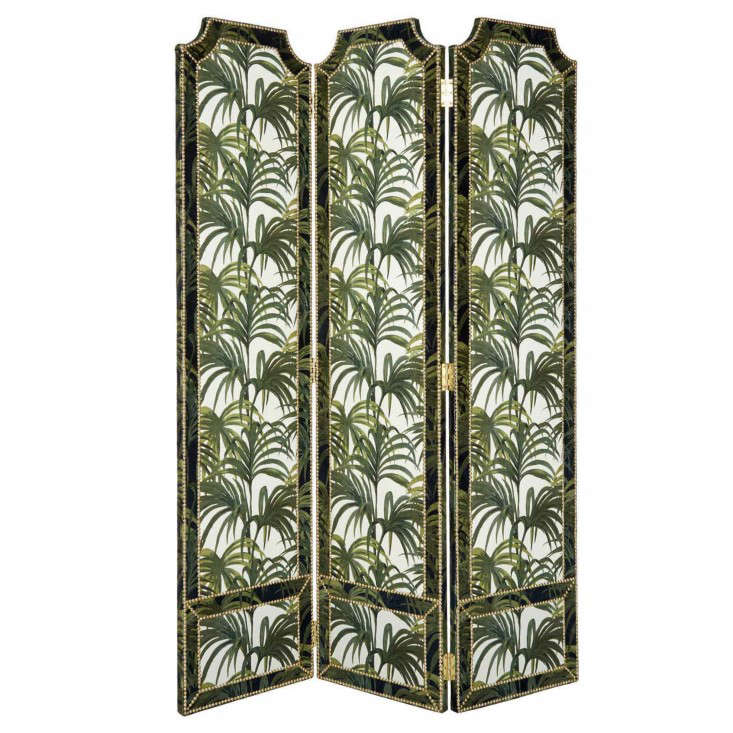
The PALMERAL ‘De Beauvoir’ Screen – White / Green is not the kind of room divider that quietly stands in a corner hoping nobody notices it. No, this is the screen that walks into the room wearing sunglasses, orders something botanical, and instantly becomes the most interesting guest at the party. Designed by House of Hackney, the piece combines a dramatic palm-leaf pattern, a crisp white and green palette, and a glamorous folding-screen silhouette inspired by 1930s Hollywood Regency style.
At first glance, it looks like a luxury dressing screen. Look again, and it becomes a tropical mural, a flexible wall, a privacy solution, a piece of furniture, and a decorative power move all rolled into one. That is the magic of the De Beauvoir Screen: it solves practical problems while looking far too fabulous to be called merely “practical.”
Whether you are styling a bedroom, dividing an open-plan living room, hiding the home-office chaos behind your video-call chair, or adding a botanical accent to a neutral space, this white and green PALMERAL screen offers a lesson in how pattern can transform a room without requiring a renovation, a contractor, or a dramatic conversation with your landlord.
What Is the PALMERAL ‘De Beauvoir’ Screen?
The PALMERAL ‘De Beauvoir’ Screen is a folding dressing screen from House of Hackney’s PALMERAL collection. The design is traditionally associated with room dividers and dressing screens, but this version turns the concept into a luxury statement piece. The screen was originally described as being handcrafted with a solid beech-wood frame, brass tracks and hinges, and panels covered in House of Hackney’s white and green PALMERAL print.
The screen’s most recognizable feature is its palm-leaf pattern. Instead of using tiny, timid foliage, the design goes big. The leaves are bold, layered, and rhythmic, creating the feeling of standing inside a glamorous conservatory. The white background keeps the look fresh and breathable, while the green palm fronds bring movement and depth.
It belongs to the kind of furniture category that interior designers love because it can do several jobs at once. It can divide a space, hide an unattractive corner, add height to a room, soften a hard architectural line, create a dressing area, or act like an oversized artwork. In other words, it is not just furniture. It is furniture with a side hustle.
The Design Story Behind PALMERAL
House of Hackney is known for bringing nature indoors through expressive prints, rich color, and heritage-inspired design. The PALMERAL pattern is one of the brand’s signature botanical motifs. It references Art Deco style and pays homage to Loddiges, a famous palm house once located in Hackney during the Georgian period. That historical connection gives the pattern more depth than a simple tropical print.
The word “palmeral” itself evokes palm groves, oasis landscapes, and lush planted places. In design terms, the print captures the fantasy of greenery as architecture. The leaves do not simply decorate the surface; they structure it. They rise, overlap, fan outward, and pull the eye across the panels like a botanical stage curtain.
The white and green colorway is especially versatile. While darker versions of palm prints can feel moody or theatrical, the white and green palette feels airy, fresh, and easier to use in American homes where many rooms already contain white walls, pale upholstery, wood floors, or neutral rugs. It gives you the drama without making the room feel like it joined a nightclub after midnight.
Why the White and Green Colorway Works So Well
Green has become a favorite color in interior design because it connects naturally with plants, gardens, wellness, and calm. The white and green PALMERAL screen uses this association beautifully. The white ground reflects light and keeps the pattern from becoming visually heavy. The green foliage adds personality, texture, and organic energy.
This combination works especially well in rooms that need a lift. A beige bedroom can suddenly feel like a boutique hotel suite. A plain hallway can gain a sense of destination. A studio apartment can feel zoned and intentional rather than “everything is happening in one room, please send help.”
White and green also pair well with many existing materials. Use the screen near rattan, cane, oak, walnut, brass, black metal, linen, velvet, marble, or painted furniture. The print can lean tropical, Art Deco, vintage, maximalist, or quietly botanical depending on what surrounds it.
Hollywood Regency Meets Botanical Maximalism
The De Beauvoir Screen has design roots in 1930s Hollywood Regency decorating, a style known for glamour, theatrical shapes, metallic accents, glossy finishes, and a certain “yes, I do own a chaise lounge” attitude. Folding screens fit this world perfectly because they create drama while offering privacy and flexibility.
But House of Hackney’s version does not stop at old-school glamour. By covering the screen in PALMERAL, the piece becomes a modern botanical statement. It blends vintage sophistication with maximalist confidence. The result is elegant but not stiff, playful but not silly, and luxurious without feeling like a museum object that might scold you for touching it.
This balance is what makes the PALMERAL ‘De Beauvoir’ Screen so memorable. It does not look generic. It has a clear point of view. In an age of safe gray sofas and identical open shelving, that is refreshing.
How to Use the PALMERAL Screen in a Bedroom
The bedroom may be the most natural home for the De Beauvoir Screen. Traditionally, dressing screens were used for privacy while changing clothes, and this piece keeps that heritage alive while adding a decorative punch.
Create a Dressing Corner
Place the screen near a wardrobe, closet, or vanity to create a small dressing area. Add a soft rug, a full-length mirror, and a small upholstered stool. Suddenly, getting dressed feels less like a morning scramble and more like a scene from a stylish film. Even if you are just looking for matching socks, the atmosphere improves.
Use It as a Headboard Alternative
A folding screen can also stand behind a bed as a dramatic headboard. The PALMERAL print works beautifully in this role because it adds height and pattern without the permanence of wallpaper. This is especially useful for renters or anyone who loves bold design but prefers not to commit every wall to a palm-leaf romance.
Hide Storage Without Losing Style
If your bedroom has open clothing rails, laundry baskets, exercise equipment, or the mysterious chair where clothes go to think about their future, the screen can conceal the clutter while improving the room visually. It is the rare organizing tool that looks better than the mess it hides.
How to Style It in a Living Room
In a living room, the PALMERAL ‘De Beauvoir’ Screen can act as a flexible architectural feature. Open-plan layouts are wonderful until you realize the dining table, sofa, desk, and toy storage are all having one loud conversation. A folding screen helps define zones without building a wall.
Position the screen behind a sofa to create a layered backdrop. Use it to separate a reading nook from the main seating area. Place it near a window to filter visual clutter without blocking all the light. Or let it stand in an empty corner where it can behave like a tall piece of artwork.
Because the screen has a strong botanical print, keep nearby accessories edited. A brass floor lamp, a neutral sofa, a jute or wool rug, and one or two green accents are enough. You do not need to add twelve more palm-themed objects unless your goal is “chic jungle gift shop,” which is a valid but risky design direction.
Small-Space Benefits: Big Style, No Construction
Small apartments often need flexible furniture, and this is where folding screens shine. Unlike permanent walls, a screen can move as your needs change. Today it can divide a bedroom from a living area. Tomorrow it can hide a desk. Next month it can become a decorative backdrop for a dining nook.
The PALMERAL screen is especially helpful because it brings vertical impact. Small rooms often lack architectural interest, and tall decorative pieces draw the eye upward. This can make a space feel more layered and intentional. The trick is to give the screen enough breathing room. If the room is tiny, angle it slightly rather than stretching it flat across the space.
For studio apartments, try placing the screen between the bed and seating area. Leave a small gap at the sides so the room still feels open. The goal is not to build a fortress. The goal is to suggest separation with elegance, like a polite design whisper that says, “This is where sleeping happens.”
Pairing the Screen With Furniture and Decor
The white and green PALMERAL print gives you several styling directions. For a relaxed botanical look, pair it with natural textures such as linen, cane, rattan, seagrass, and light wood. For a glamorous look, add brass, velvet, lacquer, marble, and curved furniture. For a more modern approach, balance the ornate pattern with simple shapes and a limited palette.
Best Color Pairings
Soft white, warm cream, olive green, moss, sage, deep emerald, tobacco brown, ochre, black, and aged brass all work beautifully with the screen. If you want contrast, try touches of blush, terracotta, or navy. These shades add warmth and depth without fighting the palm print.
Best Materials
Because the screen has a botanical motif, natural materials feel like an easy match. Oak furniture, cane chairs, woven baskets, stone lamps, ceramic vases, and linen curtains will all make the print feel grounded. If the room needs more drama, add velvet upholstery or a glossy black side table.
Best Rooms
The screen can work in bedrooms, living rooms, guest rooms, dressing rooms, hallways, home offices, and boutique-style retail spaces. It is particularly effective anywhere you want a strong visual moment without committing to wallpaper or permanent millwork.
Buying Considerations for a Discontinued or Collectible Piece
The PALMERAL ‘De Beauvoir’ Screen has been listed as discontinued by some design sources, which means buyers may need to look through vintage marketplaces, resale platforms, design dealers, or custom upholstery options. When shopping for a discontinued screen, condition matters. Check the frame, hinges, tracks, fabric surface, panel alignment, and any signs of fading or staining.
Dimensions are also important. The original listing included panel dimensions around 45 centimeters wide, 2 centimeters deep, and 190 centimeters high, with the full screen depth varying depending on how it is opened. Since folding screens change width when angled, measure both the wall area and the floor footprint. A screen that fits perfectly when flat may need more space when standing in a zigzag position.
If you cannot find the exact PALMERAL De Beauvoir Screen, you can still capture a similar effect by using House of Hackney PALMERAL fabric or wallpaper on a custom folding screen. This route may even be better if you need specific dimensions, a different number of panels, or a fabric better suited to your lifestyle.
Care and Maintenance Tips
A luxury fabric screen should be treated gently. Keep it away from damp areas, direct heat, and harsh sunlight that could fade the print over time. Dust the frame with a soft cloth and vacuum the fabric lightly with an upholstery attachment if appropriate. Avoid aggressive scrubbing, because printed fabric and decorative trim do not appreciate being treated like a kitchen floor.
If the screen uses cotton-linen or velvet, professional cleaning may be the safest choice for stains. For older or collectible pieces, test any cleaning method in an inconspicuous area first. If you are unsure, ask an upholstery cleaner. This is not the moment to become a chemistry influencer in your bedroom.
Who Is This Screen Best For?
The PALMERAL ‘De Beauvoir’ Screen is best for people who love expressive interiors, botanical prints, vintage glamour, and flexible furniture. It is not the right choice for someone who wants every object in the room to disappear visually. This screen is meant to be seen.
It is also ideal for renters, design lovers, boutique hotel-style bedrooms, maximalist homes, and anyone who wants a statement piece that can move from room to room. Unlike wallpaper, it can follow you if you move. Unlike a built-in partition, it does not require construction. Unlike a plain divider, it has enough personality to anchor a room.
Experience Section: Living With a PALMERAL ‘De Beauvoir’ Screen
Imagine bringing the PALMERAL ‘De Beauvoir’ Screen into a plain bedroom with white walls, wood floors, and a bed that is trying its best but not exactly winning awards. The first thing you notice is scale. A folding screen has presence. It rises vertically, catches the eye, and immediately gives the room a sense of design intention. You do not need to explain that you “have a vision.” The screen does the explaining for you.
In daily use, the biggest surprise is how practical it becomes. You may buy it for beauty, but you keep appreciating it for function. It can shield a laundry basket when guests come over. It can create a small changing zone in a guest room. It can hide a desk at the end of the workday so your laptop does not stare at you during dinner like a needy robot. It can even make a corner feel complete when you are not ready to buy more furniture.
The white and green palette changes with the light. In the morning, it feels fresh and garden-like, especially near a window. In the evening, with a warm lamp nearby, the green deepens and the print becomes more atmospheric. This makes the piece feel less static than a simple solid-color divider. The pattern gives movement, and the panels create shadows, so the screen feels alive in a subtle way.
Styling it can be surprisingly easy if you avoid overthinking. A small brass lamp, a woven basket, a neutral rug, and one plant nearby are enough to build a complete scene. The mistake many people make with a statement piece is trying to compete with it. The better approach is to let the screen be the lead actor and let the supporting cast do its job. Nobody needs a room where every object is auditioning for Broadway.
In a small apartment, the experience is even more useful. You can angle the screen between the sleeping area and living area to create psychological separation. It does not block sound, of course, but visually it tells the brain that one zone has ended and another has begun. That can make a compact home feel more organized and calmer. It is a design trick, yes, but a very good one.
For anyone who works from home, the screen can also become a beautiful video-call background. Instead of showing shelves, cables, or the pile of things you promised to “sort later,” you get a polished botanical backdrop. It looks intentional, stylish, and slightly mysterious. People may ask where you got it. You may choose to tell them. Or you may simply smile, because design secrets are one of life’s harmless little pleasures.
The only real challenge is making sure the screen has enough space to breathe. If pushed tightly into a crowded room, it can feel cramped. Give it a little floor area, angle the panels gently, and let the print read as a full composition. When treated with room to shine, the PALMERAL ‘De Beauvoir’ Screen becomes more than a divider. It becomes a mood-setter, a practical helper, and a reminder that interiors do not have to be bland to be livable.
Conclusion
The PALMERAL ‘De Beauvoir’ Screen – White / Green is a standout example of how furniture can be functional, decorative, historical, and joyful all at once. It takes the classic folding screen and reimagines it through House of Hackney’s botanical maximalism, combining Hollywood Regency glamour with the lush energy of palm leaves.
Its appeal lies in flexibility. Use it as a room divider, dressing screen, headboard alternative, office backdrop, or oversized artwork. Style it with natural textures for a relaxed look or brass and velvet for full glamour. Either way, the screen brings personality without requiring permanent changes.
For homeowners, renters, collectors, and design lovers, this piece proves that a room divider does not have to be boring. It can be useful, yes. But it can also be beautiful enough to make the rest of the room stand up a little straighter.