Emphysema has a rude habit of turning simple things into full-blown events. Walking to the mailbox can feel like hiking a mountain. Carrying groceries can feel like a competitive sport you never signed up for. And when damaged air sacs in the lungs stop moving oxygen efficiently into the blood, your body starts sending out distress signals: fatigue, breathlessness, poor sleep, brain fog, and that frustrating feeling that you just cannot get a satisfying breath.
That is where oxygen therapy may enter the picture. For some people with emphysema, supplemental oxygen can be a genuine game changer. It can improve oxygen levels, ease strain on the body, support activity, and in certain cases help people live longer. But oxygen is not a cure, not a shortcut, and not something everyone with emphysema automatically needs. It is a treatment with clear benefits, clear limits, and a few very real risks.
This guide breaks down what oxygen for emphysema actually does, who may benefit, the main types of oxygen equipment, and the risks people should know before bringing a tank or concentrator home. Think of it as the no-nonsense version of oxygen therapy, with fewer mystery terms and more practical answers.
What emphysema does to your breathing
Emphysema is a form of COPD that damages the tiny air sacs in the lungs called alveoli. Normally, these sacs stretch and spring back to help move oxygen into the bloodstream and carbon dioxide out. In emphysema, that elastic structure breaks down. The result is less surface area for gas exchange and more trapped air in the lungs. In plain English, the lungs become worse at swapping old air for fresh air.
That damage does not just cause shortness of breath. It can also lower oxygen levels in the blood, a problem called hypoxemia. When oxygen stays too low, the heart and other organs have to work harder. Over time, that can worsen fatigue, sleep problems, exercise intolerance, mental fuzziness, and strain on the cardiovascular system.
Supplemental oxygen does not repair damaged alveoli. If only. We would all applaud and throw confetti. What it can do is raise the amount of oxygen available for the lungs to move into the bloodstream, helping the body get what it needs despite the lung damage.
What oxygen therapy does for emphysema
Oxygen therapy gives you extra oxygen through a nasal cannula or mask. For people with emphysema who have low blood oxygen, that extra oxygen can reduce the burden on the body and improve day-to-day function. It is often prescribed for use at home, during sleep, during exercise, after a hospitalization, or around the clock, depending on how low oxygen levels are and when they drop.
Doctors usually decide whether you need oxygen based on tests such as pulse oximetry, arterial blood gas testing, walking tests, or sleep studies. In other words, oxygen should be matched to actual oxygen levels, not to guesswork or vibes.
Benefits of oxygen for emphysema
1. It can raise low blood oxygen levels
The most obvious benefit is the big one: oxygen therapy can correct or improve hypoxemia. When blood oxygen is too low, your tissues and organs do not get the supply they need. Supplemental oxygen helps restore a safer level, which can ease the physical stress caused by chronic low oxygen.
2. It may improve survival in certain people
This is the headline many people want to know. Long-term oxygen therapy can help people with advanced COPD or emphysema who have severely low oxygen levels at rest. In that group, using prescribed oxygen for many hours a day has been associated with better survival. That is why clinicians take oxygen qualification seriously. It is not about handing out tubing like party favors. It is about identifying who truly benefits.
3. It can make activity easier
For many patients, the first noticeable change is not dramatic superhero breathing. It is something more practical: they can move a bit more without crashing. Walking, showering, cooking, getting dressed, or climbing a few steps may feel more manageable when oxygen levels stay up during activity.
4. It may reduce fatigue and improve alertness
Low oxygen can leave people wiped out, foggy, irritable, or sleepy. When the brain and body are getting more adequate oxygen, some people notice better concentration, more stamina, and less of that all-day battery-at-2-percent feeling.
5. It may improve sleep and morning symptoms
Some people with emphysema desaturate more at night than they do during the day. If oxygen is prescribed for sleep, it may help reduce nighttime drops in oxygen and improve symptoms such as morning headaches, unrestful sleep, or waking up feeling like you wrestled a bear in your dreams.
6. It can support rehabilitation and independence
Oxygen therapy often works best as part of a larger treatment plan that includes inhalers, pulmonary rehabilitation, vaccines, smoking cessation, nutrition support, and exercise training. When oxygen helps a person stay active enough to participate in rehab or everyday tasks, it can support independence and quality of life.
When oxygen helps the most, and when it may not
Here is the important distinction: oxygen therapy is not equally helpful for every person with emphysema.
If you have emphysema with severely low resting oxygen levels, long-term oxygen therapy may offer meaningful health benefits, including improved survival. But if your oxygen is only moderately low, or it dips only in limited situations, the benefit may be smaller and more individualized. Large research on COPD found that long-term oxygen did not clearly improve survival or reduce hospitalizations for most patients with only moderately low oxygen levels.
That does not mean oxygen is useless in those cases. It means the decision should be personalized. Some people need oxygen only with activity. Some only during sleep. Some after a flare-up and then improve enough to stop later. Others need it full time. The prescription should fit the physiology, not just the diagnosis.
Types of oxygen therapy for emphysema
There are two ways to think about oxygen “types.” One is when you use it. The other is what equipment you use.
By timing and purpose
- Short-term oxygen therapy: Often used after a COPD flare-up, hospitalization, or temporary illness.
- Long-term oxygen therapy: Used for chronic, ongoing low oxygen levels, sometimes for 15 or more hours a day.
- Ambulatory oxygen: Used while walking, exercising, or doing daily activities outside the home.
- Nocturnal oxygen: Used during sleep if oxygen levels drop overnight.
- Continuous oxygen: Used around the clock when oxygen levels stay low most of the time.
By equipment
Compressed oxygen cylinders
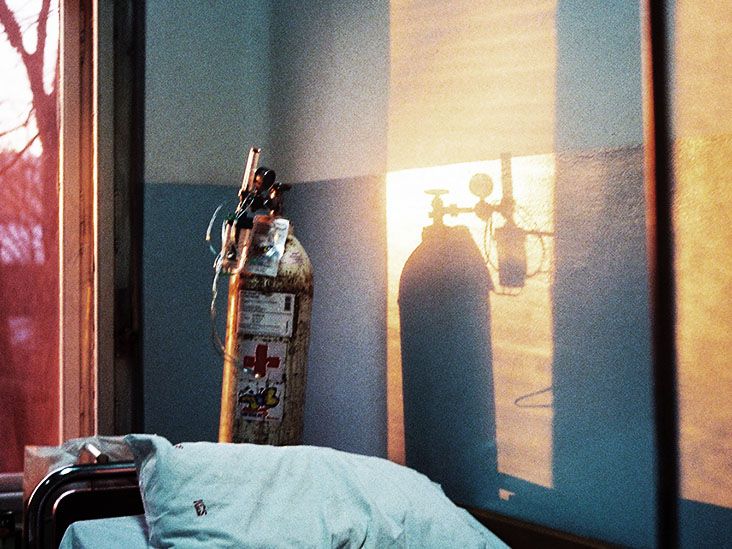
These are the classic oxygen tanks. They store oxygen under pressure and deliver it through tubing. Some are small enough to carry; others are larger and stay in the home. Tanks can be useful and reliable, but they are heavier than many people expect. They also need to be secured properly so they do not tip or become dangerous if damaged.
Oxygen concentrators
A home oxygen concentrator pulls in room air, removes nitrogen, and delivers oxygen-enriched air. It plugs into an electrical outlet and is commonly used for stationary home therapy. The big advantage is that it does not run out the way a tank does. The tradeoff is that it needs power and is not exactly pocket-sized.
Portable oxygen concentrators
Portable oxygen concentrators, often called POCs, are smaller devices designed for mobility. They can make it much easier to leave the house, travel, or run errands without feeling tethered to a living room wall. They are popular, but not perfect. Some people need higher oxygen flow than a particular portable unit can provide, so device choice matters a lot.
Liquid oxygen systems
Liquid oxygen stores oxygen in a very cold liquid form. These systems can be helpful for people who need higher flow rates and want a lighter portable option. The downside is that availability has become more limited in some areas, and the equipment needs careful handling because the liquid is extremely cold.
How oxygen is delivered
Most people with emphysema use a nasal cannula, the small tubing with two prongs that sit in the nostrils. A face mask may be used in certain settings, especially when a person needs different delivery levels or is acutely ill. Delivery settings and flow rates are prescribed by a clinician. That matters because more oxygen is not automatically better. Oxygen is a medication, not a “more is more” smoothie ingredient.
Risks and side effects of oxygen therapy
Fire risk is the biggest headline
Oxygen itself does not explode, but it makes things burn faster and hotter. That is why smoking while using oxygen is so dangerous. Open flames, candles, gas stoves, space heaters, and flammable products can all become major hazards in an oxygen-rich environment. If there is one rule that deserves to be written in all caps, it is this: never smoke while using oxygen.
Dry nose, irritation, and nosebleeds
Oxygen can dry out the nose and mouth. Some people deal with irritation, soreness, or minor nosebleeds. Water-based lubricants may help, but oil-based products should be avoided around oxygen equipment because of fire concerns.
Tubing and mobility hazards
Long oxygen tubing can be a sneaky trip hazard. It wraps around chair legs, catches under shoes, and seems to have a personal grudge against coffee tables. Good setup, clear pathways, and a little home reorganization can reduce falls.
Equipment burden
Oxygen therapy can be life-improving, but it can also be a hassle. Tanks are heavy. Portable devices need charging. Tubing tangles. Outings require planning. Travel takes more coordination than tossing keys in a bag and heading out the door. The emotional weight can be real too, especially for people adjusting to visible medical equipment in public.
Skin or ear irritation
Cannula tubing can irritate the ears, cheeks, or nostrils. Cushions, better fit, and skin checks can help prevent small problems from turning into chronic annoyances.
Using the wrong amount
Changing oxygen flow on your own is not a smart DIY project. Too little oxygen may leave you under-treated, while too much can be problematic for some people with COPD. That is why oxygen prescriptions are individualized and should be reviewed with your clinician, especially after a flare-up or hospital discharge.
Practical safety tips for home oxygen
- Do not smoke, vape, or allow anyone else to smoke near oxygen equipment.
- Keep oxygen away from open flames, candles, gas burners, fireplaces, and sparks.
- Secure tanks upright and store them safely.
- Keep backup power or backup oxygen plans in place if you use a concentrator.
- Do not use oil-based products on the face or inside the nose near oxygen.
- Do not adjust flow settings unless your clinician tells you to.
- Check tubing regularly for kinks, leaks, or wear.
- Ask your supplier or care team for travel instructions before long trips or flights.
How to know if oxygen might be right for you
Oxygen is usually considered when testing shows low oxygen levels at rest, with activity, during sleep, or after a COPD exacerbation. Common signs that prompt evaluation include worsening shortness of breath, blue lips or fingertips, fatigue, morning headaches, poor exercise tolerance, or low oxygen readings on pulse oximetry. But symptoms alone are not enough to prescribe it correctly. Testing matters.
If you have emphysema and think oxygen might help, talk to your clinician about a formal evaluation. Ask:
- Are my oxygen levels low at rest, during sleep, or only with activity?
- Would I benefit from short-term or long-term oxygen therapy?
- What device fits my oxygen needs and lifestyle best?
- Do I need a portable option for errands or travel?
- When should my oxygen needs be reassessed?
Real-life experiences with oxygen for emphysema
The experience of using oxygen with emphysema is rarely just “I got a machine and everything was fabulous forever.” Real life is messier, more human, and honestly a lot more interesting. The common themes below reflect the kinds of experiences patients, families, and respiratory care teams often describe.
One common story starts with resistance. A person is told they need oxygen and immediately thinks, “Absolutely not. I am not dragging a tank around like I am in a medical drama.” At first, oxygen can feel like a symbol of decline. But after a few days or weeks, the same person may notice they are less exhausted after showering, less dizzy when walking, and no longer need a ten-minute recovery period after putting on socks. The equipment still is not exactly glamorous, but breathing better tends to win the argument.
Another frequent experience is discovering that oxygen is not a cure-all. Someone starts therapy expecting to feel instantly “normal,” only to realize emphysema still emphysemas. They may still need inhalers, pulmonary rehab, pacing, better nutrition, and energy-conservation strategies. Oxygen helps the low-oxygen part of the problem. It does not erase lung damage, anxiety about breathlessness, or deconditioning. People often do best when oxygen is framed as one useful tool, not the whole toolbox.
Mobility is also a huge part of the story. A portable oxygen concentrator can feel liberating for one person and annoying for another. Some love that it gives them freedom to leave the house, shop, visit family, or travel. Others find the battery life stressful, the shoulder strap awkward, or the noise slightly irritating in quiet rooms. There is often a learning curve: how to pack extra batteries, how to route tubing so it does not try to trip you, and how to answer nosy questions in public without giving a TED Talk.
Nighttime oxygen brings its own learning process. Some people feel more rested and wake up with fewer headaches. Others need time to adjust to sleeping with tubing on their face and may spend the first week feeling like they are wrestling an octopus in bed. Small changes, like better cannula fit, extra hose length, and a smart tubing setup, can make a big difference.
Families often go through an adjustment too. Loved ones may feel relieved that oxygen is helping, but also nervous about fire risk and equipment management. Households usually settle into a rhythm: no smoking, clear storage, charger routines, backup plans for power outages, and fewer throw rugs waiting to commit a crime against balance.
Perhaps the most meaningful experience many people report is this: oxygen can make life feel possible again in small but important ways. Not movie-trailer dramatic. More like being able to finish breakfast without gasping, walk the dog for ten minutes, attend a grandchild’s recital, or enjoy a short trip without panicking about every staircase. Those small wins matter. In chronic lung disease, they are not small at all.
Conclusion
Oxygen for emphysema can be incredibly helpful when it is prescribed for the right reasons and matched to the right person. For people with significant hypoxemia, it may improve oxygen levels, support activity, reduce symptoms, and in some cases help them live longer. For others, its benefit may be more limited or situational, especially if oxygen levels are only mildly reduced.
The key is individualized care. The best oxygen plan depends on test results, symptom patterns, lifestyle, safety needs, and the type of equipment a person can realistically use. Oxygen is not a cure, but for the right patient, it can be the difference between simply getting through the day and actually being able to live it.