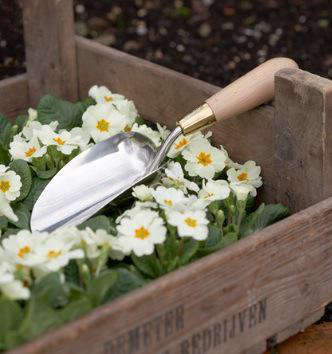
Some garden tools look as if they were designed by people who believe “ergonomic” means “large enough to anchor a boat.” Others are pretty enough for a gift basket but fold the moment they meet real soil. The Sophie Conran gardening tools for Burgon & Ball sit in that sweet spot where charm and usefulness shake hands over a freshly planted herb bed.
This collection has become popular with gardeners who want tools that feel special without acting precious. Designed in collaboration with Sophie Conran, the British designer, cook, gardener, entrepreneur, and member of the well-known Conran design family, the line brings a contemporary country-house feel to everyday outdoor work. The result is a range of hand tools, pruners, bags, gloves, kneelers, watering cans, and garden accessories that make digging, planting, pruning, and weeding feel less like a chore and more like a civilized conversation with your backyard.
Of course, style alone does not loosen compacted soil, prune roses, or remove the dandelion that has decided it owns the sidewalk crack. The appeal of Sophie Conran for Burgon & Ball comes from the combination of polished stainless steel, FSC-certified beechwood handles on many tools, brass ferrules, carefully shaped heads, and a smaller, lighter design that gives many gardeners better control. In other words, these are not just “Instagram tools.” They are tools meant to be used, cleaned, admired, and used again.
What Is the Sophie Conran for Burgon & Ball Collection?
The Sophie Conran for Burgon & Ball collection is a coordinated line of garden tools and accessories created for gardeners who appreciate both design and performance. Burgon & Ball has a long history in garden toolmaking, and the Sophie Conran collaboration adds a softer, more refined style without removing the grit required for real gardening.
The collection includes classic hand tools such as a trowel, hand fork, weeder, rake, dibber, compost scoop, twist cultivator, ergo hoe, and pruning tools. It also includes garden extras such as tool bags, waist aprons, gloves, kneelers, seed organizers, trugs, watering cans, and gift sets. That range matters because gardening is rarely one task. One minute you are planting lavender; the next you are wrestling a weed root that appears to have a graduate degree in survival.
What makes the collection stand out is its balance of elegance and practicality. Many of the hand tools feature waxed FSC beechwood handles, brass ferrules, and stainless steel heads. The pruning tools use stainless steel construction and compact proportions. Several pieces come in attractive presentation boxes, making them strong candidates for gardening gifts. They say, “I care about your hobbies,” without saying, “Here is a random novelty mug shaped like a cactus.”
Design Philosophy: Pretty, Practical, and Not Afraid of Dirt
Sophie Conran’s design language is often described as modern country style: relaxed, useful, refined, and never too fussy. In garden tools, that approach makes sense. A trowel should look good, yes, but it should also survive repeated encounters with compost, clay, mulch, and the mysterious buried object that turns out to be half a brick from 1987.
The tools are designed with smaller handles than many standard garden tools, making them especially appealing for gardeners with smaller hands or anyone who finds bulky handles tiring. This does not mean they are only for one type of gardener. It means the tools emphasize control. A lighter hand fork, for example, can make a difference when loosening soil around tender roots. A smaller pruner can feel more precise when cutting herbs, flowers, and soft green stems.
The collection also uses classic material pairings that age well. Stainless steel resists rust better than ordinary steel and cleans easily. Beechwood handles feel warm and natural in the hand. Brass ferrules add strength at the point where the handle meets the head, which is exactly where cheap tools often begin their dramatic farewell tour.
Key Tools in the Collection
Sophie Conran Trowel
The trowel is often the first hand tool a gardener reaches for, and in this collection it is one of the stars. The Sophie Conran trowel has a mirror-polished stainless steel head designed to resist rust and move through soil smoothly. Its deeply dished shape helps carry more soil with fewer spills, which sounds minor until you have made nine trips from potting bench to planter and left a tiny dirt parade behind you.
The curved backstops are a thoughtful detail. They help keep soil on the blade as you scoop, transfer, or fill containers. This makes the trowel useful for planting annuals, moving compost, potting herbs, and working in raised beds. The waxed FSC beechwood handle fits snugly in the hand, and the brass ferrule gives the tool a finished, durable feel.
Sophie Conran Hand Fork
The hand fork is built for loosening soil, cultivating around plants, and coaxing weeds out before they hold a family reunion. Its three shaped and sharpened tines are designed to slide into soil with less effort. For raised beds, container gardens, and cottage-style borders, this tool is especially useful because it lets you work close to plants without attacking the entire bed like a tiny excavator.
Like the trowel, the hand fork uses a stainless steel head, waxed FSC beechwood handle, and brass ferrule. The smaller, lighter feel gives better control when working around roots or in tight spots. It is a good companion for planting bulbs, refreshing container soil, or breaking up crusted topsoil after heavy rain.
Sophie Conran Weeder
The weeder is one of the most distinctive pieces in the line. It has a three-pronged design intended to surround weed roots, twist, and remove the plant with more of the root intact. That is important because many weeds are not impressed by a quick haircut. Leave the root behind, and they return with the confidence of someone who never paid rent but still has a key.
This tool is useful for dandelions, small taproot weeds, and unwanted seedlings growing near desirable plants. It is not a magic wand; dry, compacted soil still benefits from watering before weeding. But when used properly, the pronged design gives gardeners a targeted way to remove intruders without disturbing too much surrounding soil.
Sophie Conran Secateurs
The Sophie Conran secateurs are designed for gardeners who want a compact, elegant pruner for everyday cutting. They use stainless steel construction, including the handle, head, and blade, and they are built for strength and rust resistance. The bypass action is ideal for cutting green growth because it makes a cleaner cut than an anvil-style pruner on living stems.
The secateurs are rated for cutting growth up to about 2 centimeters in diameter, which makes them suitable for pruning roses, deadheading perennials, harvesting herbs, trimming soft shrub growth, and cutting flowers for arrangements. A brass lock keeps the blades safely closed when not in use. That small lock is a big deal if your garden bag also contains twine, labels, gloves, and the snack you forgot you packed.
Tool Bags, Gloves, Kneelers, and Accessories
The tools get much of the attention, but the accessories help create a more complete gardening setup. A tool bag keeps essentials together, which reduces the classic gardener’s ritual of walking in circles muttering, “Where did I put the pruners?” Gloves protect hands from thorns, wet soil, and mystery textures. A kneeler is a back-and-knee saver, especially when planting bedding plants or weeding borders. The seed organizer and watering cans add the same polished, practical style to everyday garden routines.
Why Stainless Steel and FSC Beechwood Matter
Materials are not just marketing words. In garden tools, they affect comfort, durability, maintenance, and long-term value. Stainless steel is popular because it resists rust, wipes clean easily, and keeps a polished look with basic care. It is especially helpful for gardeners who work with damp soil, potting mix, compost, or fertilizer.
FSC beechwood handles are another thoughtful feature. FSC certification indicates that the wood comes from responsibly managed sources. Beechwood also has a smooth, comfortable feel that many gardeners prefer over plastic. It warms naturally in the hand and adds a traditional quality that suits the collection’s country-inspired look.
Brass ferrules deserve a quiet round of applause. The ferrule is the metal collar connecting the handle and tool head. On hand tools, this connection point takes a lot of stress. A sturdy ferrule helps prevent wobbling and gives the tool a more secure feel. It is the kind of detail you may not notice immediately, but you will appreciate after a season of digging, levering, and planting.
Who Are These Tools Best For?
Sophie Conran gardening tools are a strong fit for home gardeners who want refined, well-made hand tools for regular use. They are especially appealing for container gardeners, raised-bed growers, herb gardeners, flower lovers, and anyone who wants a gift-worthy tool that still earns its keep.
They are also a smart choice for gardeners who find standard tools too heavy or awkward. Smaller handles and lighter proportions can reduce fatigue during repetitive tasks like planting plugs, deadheading, weeding, or refreshing pots. Gardeners with petite hands may find the tools more comfortable than bulkier options, but the appeal is not limited to hand size. Precision benefits everyone.
That said, these are not meant to replace heavy-duty landscape tools. If you are breaking new ground in rocky soil, digging out shrubs, or prying up roots the size of garden hoses, you need heavier equipment. Think of this collection as your elegant daily-use toolkit, not your demolition crew.
How to Use the Tools in a Real Garden Setup
For Container Gardening
Container gardening is where these tools shine. Use the trowel to scoop potting mix without spilling half of it onto the patio. Use the hand fork to loosen old soil before refreshing containers. The dibber can help make consistent holes for seeds or seedlings, while the secateurs are perfect for harvesting herbs or trimming tired growth.
For example, when planting a patio herb pot, start by loosening the potting mix with the fork. Use the trowel to create planting pockets for basil, parsley, thyme, or mint. Add compost, settle each plant, and finish with a light watering. Keep the secateurs nearby for snipping herbs once the plants establish. Congratulations: you are now the person who casually says, “I’ll just grab some fresh thyme,” and somehow sounds like you have your life together.
For Flower Borders
In a flower border, the trowel and fork handle planting and soil work, while the secateurs keep plants tidy. Use the trowel for annuals, bulbs, and small perennials. Use the fork to loosen soil around existing plants without damaging roots. Use the weeder after rain, when soil is softer and roots release more easily.
Deadheading flowers with sharp bypass secateurs encourages a cleaner cut and a neater plant. This is particularly useful for roses, cosmos, zinnias, salvia, and other flowering plants that respond well to regular trimming. Clean cuts are better for plant health and make the border look cared for instead of “lightly haunted.”
For Raised Beds
Raised beds reward good hand tools because most work happens at close range. The hand fork can loosen compacted areas without turning the entire bed. The trowel can plant lettuce starts, onions, strawberries, or marigolds. The weeder can remove volunteer seedlings before they become the neighborhood committee.
Because raised beds are often filled with improved soil, you do not always need large tools. A coordinated hand-tool set may handle most daily tasks. Keep the tools in a bag with twine, plant labels, gloves, and seed packets, and you can move from bed to bed without making four trips back to the shed.
Care and Maintenance Tips
Even rust-resistant tools need care. Stainless steel is forgiving, not invincible. After each gardening session, wipe soil from the metal heads and dry them before storing. If sap collects on pruner blades, clean it off so the blades do not become sticky or less efficient. Sharp tools are safer and make cleaner cuts, so inspect secateurs regularly and sharpen when needed.
Wooden handles also appreciate attention. If handles begin to feel dry or rough, clean them gently and apply a light coat of linseed oil or another suitable wood-care oil. Store tools in a dry location rather than leaving them in wet grass, damp soil, or a leaky shed corner. The garden may be outdoors, but your tools do not need to live like raccoons.
For pruners, wipe the blades after cutting diseased plant material. Many gardeners use rubbing alcohol to sanitize blades between plants when disease is a concern. This simple habit can help reduce the spread of plant problems and keeps your pruning routine more professional.
Gift Appeal: Why Gardeners Love Receiving These Tools
There is a reason Sophie Conran for Burgon & Ball tools appear often in gift guides and premium garden retailers. They look considered. A boxed trowel, hand fork, or pair of secateurs feels personal, especially for someone who enjoys growing herbs, flowers, vegetables, or houseplants that occasionally vacation outdoors.
Unlike novelty gifts, these tools solve real problems. They help the recipient plant, prune, weed, cultivate, and organize. The attractive presentation also makes them suitable for Mother’s Day, birthdays, housewarming gifts, bridal showers, retirement presents, or a “sorry your tomatoes lost the battle with squirrels” consolation gift.
A starter set might include the trowel, hand fork, secateurs, gloves, and a tool bag. For a more specialized gift, pair the weeder with a kneeler and gloves for someone who loves tidy flower beds. For a container gardener, choose the trowel, dibber, watering can, and seed organizer. The collection makes it easy to create a gift that feels curated instead of grabbed from the checkout aisle.
Pros and Considerations
What Stands Out
The biggest strengths are comfort, design, material quality, and giftability. The tools look beautiful but are built around useful details: rust-resistant stainless steel, smooth wooden handles, brass ferrules, lighter proportions, and practical shapes. The trowel’s deep dish, the fork’s sharpened tines, the weeder’s root-focused prongs, and the secateurs’ bypass action all show that this is a working collection.
What to Keep in Mind
The refined design and quality materials may cost more than basic garden-center tools. Availability can also vary by retailer and season, especially in the United States. Some pieces may be sold individually, while others appear in gift sets. For heavy-duty landscaping, these are not a substitute for full-size shovels, digging forks, loppers, or mattocks.
Still, value is not always about buying the cheapest tool. A comfortable tool that you enjoy using often earns its place quickly. If a trowel makes planting easier, a pruner makes cleaner cuts, and a tool bag prevents the fifth “where is my fork?” walk of the day, that is value with muddy fingerprints on it.
Buying Tips for U.S. Gardeners
U.S. shoppers should look for authorized retailers, reputable garden stores, and well-known home and kitchen retailers that carry Burgon & Ball products. Because stock changes, compare product names carefully. “Sophie Conran trowel,” “Sophie Conran fork,” “Sophie Conran secateurs,” and “Sophie Conran tool bag set” may appear separately or as part of bundles.
Before buying, check the product description for materials, dimensions, included pieces, and packaging. If you are shopping for a gift, confirm whether the tool comes boxed. If buying pruners, note the cutting capacity and whether the design suits the recipient’s hand size and pruning needs. For gardeners with arthritis or grip concerns, lighter tools may help, but it is still wise to prioritize comfort and ease of locking, opening, and cleaning.
Experience Section: A Weekend With Sophie Conran Gardening Tools
Imagine a Saturday morning with coffee in one hand and a garden plan in the other. The plan says, “refresh the patio containers,” which sounds peaceful until you remember last year’s potting soil has hardened into something that could be used in road construction. This is where the Sophie Conran hand fork earns its first compliment. It slides into the container, breaks up the compacted top layer, and gives you enough control to work around roots without turning the pot into a soil volcano.
The trowel comes next. Its deeply dished head is genuinely useful when transferring fresh potting mix from bag to planter. A flatter trowel tends to spill soil along the way, especially if you are working on a balcony, porch, or patio where every crumb of compost becomes visible. With this trowel, the curved shape helps carry a satisfying scoop. It feels less like digging with a spoon and more like using a tool designed by someone who has actually potted plants before lunch guests arrive.
Next comes planting. A few rosemary starts, some trailing thyme, and a cheerful pot of nasturtiums go into a large container. The trowel creates neat planting pockets. The fork loosens the edges. The wood handle feels smooth and comfortable, even after repeated use. Nothing about the tools screams for attention, but that is the point. Good tools quietly make the work easier.
By midday, the flower border starts calling. There are weeds near the salvia, because of course there are. The Sophie Conran weeder is especially satisfying after a light watering or rain, when the soil gives way more easily. The three-pronged design lets you work around the weed, twist, and lift. Does every weed come out perfectly? No. Gardening is not a fairy tale; sometimes the villain has a taproot. But compared with grabbing leaves and hoping for the best, the weeder gives you a much better chance of removing the root.
Later, the secateurs come out for deadheading and trimming. This is where compact pruners make sense. Large pruners can feel clumsy when you are cutting spent blooms or harvesting herbs. A lighter bypass pruner gives better control and encourages cleaner cuts. The brass lock is simple, practical, and reassuring when the pruners go back into the tool bag beside gloves and twine.
By the end of the afternoon, the garden looks refreshed, the patio is less chaotic, and the tools have collected honest dirt. A quick wipe-down before storage keeps them looking good. That small ritual matters. These tools feel nice enough that you actually want to take care of them, which is half the battle. Cheap tools often get tossed into a corner while everyone pretends rust is “patina.” Sophie Conran tools invite a little more respect.
The experience is not about pretending gardening is glamorous. It is still soil under the nails, surprise worms, sore knees, and one mosquito that refuses to understand boundaries. But good tools change the mood of the work. They make planting feel smoother, weeding feel more targeted, and pruning feel more precise. They also make the garden shed look as though an adult with taste might live nearby.
For beginners, that pleasure can build confidence. For experienced gardeners, it adds comfort to familiar routines. For gift-givers, it offers something genuinely useful and beautiful. The Sophie Conran for Burgon & Ball collection succeeds because it respects both sides of gardening: the practical need to get things done and the emotional pleasure of making outdoor spaces more alive, more personal, and yes, a little prettier.
Conclusion
Sophie Conran gardening tools for Burgon & Ball are designed for gardeners who want tools with substance and style. The collection blends polished stainless steel, FSC beechwood, brass details, thoughtful proportions, and gift-worthy presentation. From the deeply dished trowel to the compact secateurs and root-focused weeder, the tools are made for everyday outdoor tasks such as planting, cultivating, pruning, weeding, and container gardening.
They may not replace heavy-duty landscaping equipment, but they are excellent companions for raised beds, patio pots, flower borders, herb gardens, and thoughtful garden gifting. If your outdoor routine deserves tools that feel good, look good, and perform well without acting delicate, this collection is worth a close look. After all, gardening is already full of surprises. Your tools should not be one of the unpleasant ones.