Every house has that one feature that should be charming but somehow ends up looking like it gave up in 1997. In our case, it was the fireplace. It had all the raw ingredients of a great focal point: solid bones, a central spot in the living room, and enough visual weight to anchor the space. Unfortunately, it also had the energy of a forgotten motel lobby. The brick felt dark, the mantel looked undersized, and the whole setup made the room seem more tired than timeless.
So we did what many homeowners eventually do: we stopped decorating around the problem and decided to fix the problem. Our fireplace makeover was not just a cosmetic upgrade. It changed how the room looked, how it felt, and how we actually used the space. The “before” version was something we tried to ignore. The “after” version became the feature everyone notices first.
If you are thinking about your own fireplace before and after story, this guide walks through what changed, why it worked, and what we learned the hard way so you do not have to discover it while covered in dust and questioning your life choices.
The Before: A Fireplace That Pulled the Whole Room Down
Before the transformation, our fireplace was doing that frustrating thing outdated fireplaces do so well: demanding attention without earning it. The brick was dark and visually heavy. The surround felt bulky. The mantel was too small to balance the wall, but somehow too awkward to style. No mirror looked right above it. No seasonal decor helped. Even when the room was clean, the fireplace made everything around it feel unfinished.
That is the tricky part about a dated hearth. A fireplace is usually the natural focal point of the room, so when it looks off, the entire living area can feel off. You can bring in a beautiful rug, a fresh sofa, and expensive lighting, but if the fireplace still says “builder-basic regret,” the room will keep circling back to that one tired feature.
We also realized the issue was not just color. It was proportion, texture, and contrast. The old setup had too much visual noise in some places and not enough interest in others. The brick absorbed light. The mantel disappeared. The wall around it lacked definition. It was not terrible in one dramatic way. It was death by a thousand mediocre decisions.
What We Wanted From the After
We did not want a fireplace that looked trendy for six weeks and then suspicious by Labor Day. The goal was a transformed fireplace that felt fresh, warm, and intentional. We wanted it to look updated, but not so sleek that it clashed with the rest of the house. We wanted a cleaner silhouette, lighter tones, and materials that could handle heat without turning the makeover into a safety lecture from a contractor.
Our wish list was simple:
1. More light
The original fireplace visually darkened the room. We wanted a finish that would bounce light around rather than swallow it whole.
2. Better texture
We loved the idea of preserving character while making the surface feel more current. That meant being careful with brick, tile, and paint instead of slapping on a “good enough” fix.
3. A stronger mantel presence
The mantel needed to look substantial enough to ground the wall and support decor without becoming bulky or fussy.
4. A cohesive living room
We wanted the fireplace makeover to connect with the room’s color palette, furniture, and art. A fireplace should not look like it belongs to a completely different house.
The Plan: Keep the Bones, Change the Mood
One of the biggest lessons from researching fireplace remodel ideas is that you do not always need a total demolition to get dramatic results. Full tear-outs can be expensive, messy, and unnecessary when the structure is sound. In our case, the smarter move was refacing and restyling rather than rebuilding from scratch.
We kept the firebox and basic footprint. Then we focused on the surfaces people actually see: the brick surround, the mantel, the wall treatment, and the styling. That choice saved time, cut down on disruption, and let us spend money where it would make the most visual impact.
We also gave real thought to the paint-or-not-to-paint question. Painted brick fireplaces can look beautiful, especially when the goal is to brighten a room or soften red brick. But painting brick also changes its maintenance story, and it is not the right answer for every home. After debating it like it was a national issue, we chose a soft, updated finish that lightened the look while preserving enough texture to avoid a flat, lifeless result.
The Biggest Changes We Made
We brightened the surround
The first big shift was color. We moved away from the dark, dated look and toward a softer, lighter finish that made the fireplace feel integrated with the room instead of parked awkwardly in it. Instantly, the living room looked larger and calmer. The fireplace still had presence, but now it felt welcoming rather than severe.
This is where many fireplace before and after makeovers succeed or fail. A lighter surround can completely reshape the room, but only if it still respects the texture underneath. Too stark, and the result can feel sterile. Too muddy, and you lose the fresh effect. We aimed for a warm, layered finish that let the fireplace read as architectural rather than just painted over.
We upgraded the fireplace surround details
Next came the surround treatment. We considered several options, including simple paint, slab-style stone, and tile. In the end, we leaned into a clean, classic look with materials that felt durable and heat-appropriate. The best fireplace surround ideas usually balance beauty with practicality, and that mattered to us. A fireplace is not the place for materials that panic at the first sign of warmth.
The new surround added definition without making the fireplace feel overdesigned. It gave the firebox a crisp frame and helped the entire wall look more finished. That one change made the makeover look more expensive than it actually was, which is the dream, really.
We replaced the mantel
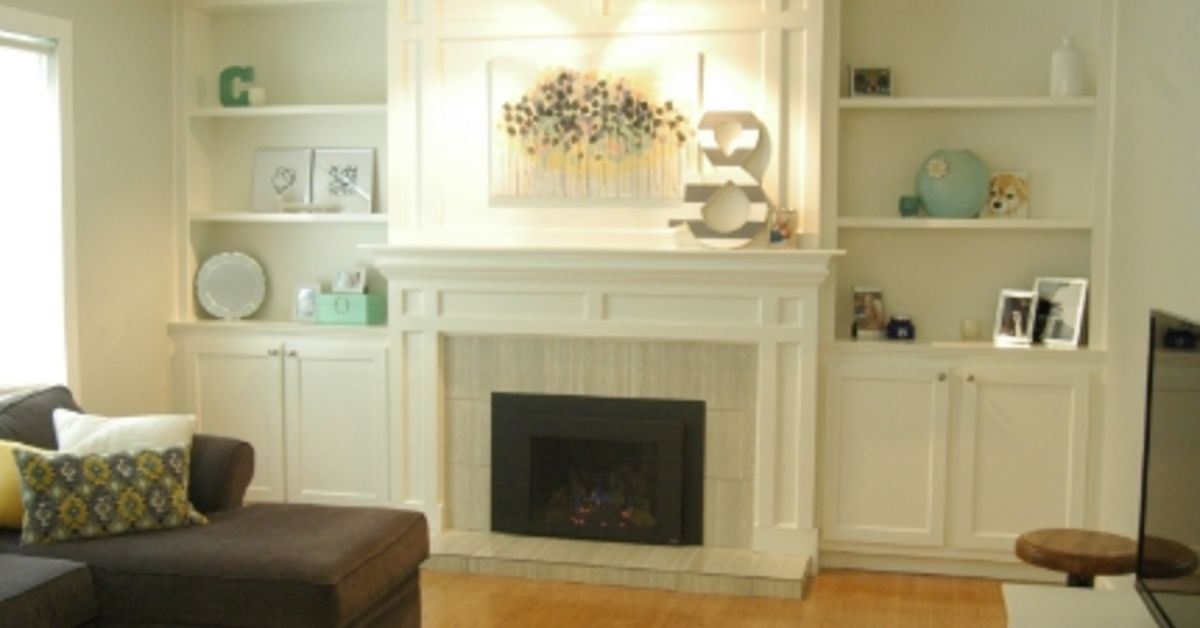
The old mantel had the personality of unsalted crackers. So we swapped it for one with more presence: cleaner lines, better scale, and a finish that added warmth. The new mantel became a bridge between the fireplace and the rest of the room. It introduced natural texture, brought balance to the wall, and finally gave us a surface that was fun to style.
If you are planning your own mantel upgrade, scale matters more than people think. A mantel that is too tiny looks apologetic. One that is too oversized can crowd the surround. Getting that proportion right changed everything for us.
We simplified the decor
Ironically, once the fireplace looked better, we needed less stuff on it. Before, we were trying to distract from the design. After, we let the design do the heavy lifting. A large piece of art, a few layered accents, and some seasonal texture were enough. No more clutter. No more frantic styling. No more asking, “Would seven tiny candlesticks save this?” They would not.
Why the After Works So Much Better
Our transformed fireplace works because it now feels intentional. The color supports the room. The mantel fits the scale of the wall. The surround has contrast without chaos. Instead of fighting for attention, everything works together.
It also feels more timeless. One of the biggest mistakes in home updates is chasing a single trend too aggressively. We tried to borrow from current fireplace design ideas without becoming hostage to them. That meant using classic materials, warm neutrals, and clean shapes instead of gimmicks. The final look feels current, but it also feels like it will still make sense years from now.
And yes, the room is simply prettier. That matters. We spend a ridiculous amount of our lives in our living rooms. If one thoughtful renovation can make that daily experience feel calmer, brighter, and more put together, that is not shallow. That is design doing its job.
Practical Tips If You Want Your Own Fireplace Makeover
Start with safety, not just style
If your fireplace is functional, do not treat it like a random accent wall. Use materials appropriate for heat exposure, follow manufacturer guidance, and check local clearance and code requirements before changing the surround or mantel. If the fireplace has not been inspected in a while, schedule that before the makeover, not after.
Decide whether you truly want painted brick
A painted brick fireplace can look amazing, especially in rooms that need brightness or a softer palette. But brick purists are not wrong when they say paint changes the upkeep and is difficult to reverse. Think about your long-term style before making the leap.
Do not ignore the wall around the fireplace
A fireplace makeover is rarely just about the fireplace. Wall color, trim, built-ins, and even nearby lighting all influence the final look. Sometimes the magic is not a dramatic firebox change but the supporting cast around it.
Style less than you think
Good mantel decor should complement the fireplace, not bury it. A larger anchor piece, a bit of height variation, and one or two organic elements usually look more polished than a row of tiny objects assembled in a panic.
Budget for the finishing details
Paint and tile get the attention, but caulk lines, edge trims, patching, and touch-ups are what make a fireplace remodel look complete. These are not glamorous purchases, but they matter.
Common Fireplace Makeover Mistakes to Avoid
The easiest mistake is choosing a finish that looks good online but wrong in your actual room. Fireplaces live in context. The best makeover idea on Pinterest can fall apart if it clashes with your flooring, wall color, or home style.
Another common mistake is going too trendy too fast. Super-ornate tile, overly distressed finishes, or ultra-dark colors can work beautifully in the right home, but they should feel chosen, not copied. The goal is a fireplace that looks like it belongs to your house, not like it wandered in from someone else’s reel.
And finally: do not underestimate prep work. Surface cleaning, repair, taping, priming, and checking the condition of old materials are the boring steps that keep a makeover from turning into a flaky, cracking regret project later.
The Emotional Difference: It Changed the Whole Room
Before the makeover, the fireplace was a thing we tolerated. After the makeover, it became the reason the room felt finished. That emotional shift is hard to measure, but it is real. The room photographs better, sure, but more important, it lives better. We read there more. We host there more. We decorate seasonally with less effort. Even when the fire is not on, the hearth still gives the room warmth.
That is the real power of a fireplace before and after project. It is not just about replacing an old surround or painting brick white and calling it a day. It is about transforming the visual center of a room so the rest of your home can finally exhale.
Conclusion
Our fireplace transformation taught us that one smart renovation can change the entire personality of a space. The “before” version was dark, awkward, and impossible to style. The “after” version is brighter, cleaner, and genuinely inviting. By improving the surround, upgrading the mantel, refining the texture, and taking a less-is-more approach to styling, we turned a dated focal point into one of our favorite features in the house.
If your fireplace currently looks like it is waiting for a fax machine and a motivational poster, do not lose hope. With the right plan, a thoughtful mix of materials, and a little restraint, your own transformed fireplace can go from “please ignore this corner” to “wow, this room finally makes sense.”
Extra Experience: What Living Through the Fireplace Transformation Was Really Like
Here is the part many polished makeover stories skip: the actual experience of transforming a fireplace is part design project, part patience test, and part relationship workshop. On paper, our fireplace makeover looked straightforward. In real life, it involved dust where dust should not exist, at least three “final” design decisions that were not final at all, and one long afternoon spent staring at sample boards like they were going to reveal the meaning of life.
At the beginning, we underestimated how emotional the process would feel. A fireplace is not just another surface in the house. It is tied to the mood of the room. It is where holiday decor goes, where winter photos happen, where guests naturally look when they walk in. So when ours looked dated, it affected more than the aesthetics. It subtly changed how we felt in the room. That may sound dramatic, but home design is emotional. People know when a space feels settled and when it feels slightly off, even if they cannot explain why.
During the makeover, the living room looked worse before it looked better, which is the least shocking and most annoying part of any renovation. Once the old materials came off and the area was prepped, the fireplace looked like it had lost a fight. That awkward in-between stage can make you question the whole vision. We had one very serious conversation that boiled down to, “Did we ruin it?” Happily, the answer was no. But for a brief moment, the fireplace had the charm of a construction zone and the elegance of a cardboard box.
What surprised us most was how much difference the small details made. Not the dramatic reveal pieces everyone talks about, but the quiet details: the exact undertone of the finish, the depth of the mantel, the crispness around the edges, the spacing of decor afterward. Those details are what separate a fireplace that looks “updated” from one that looks thoughtfully transformed. It taught us that good design is often less about one bold move and more about a series of smart, restrained choices.
We also learned that styling a fireplace after the renovation is completely different from styling one before it. Before, we used decor as camouflage. We piled on layers, hoping something would distract from the outdated brick and awkward proportions. Afterward, the fireplace needed almost nothing. That was the funniest part. We spent all that time fixing the fireplace only to realize the best way to show it off was to stop fussing over it. Suddenly one framed piece of art, a vase, and a little seasonal greenery looked intentional instead of lonely.
Now that the project is finished, the biggest payoff is not just visual. It is experiential. The room feels calmer. Conversations naturally gather there. Even ordinary evenings feel a little more put together. The transformed fireplace gave the entire living room a stronger identity, and it did it without making the space feel stiff or overdesigned. It still feels like home, just a more polished version of it. If that is what a good before and after makeover can do, then honestly, the dust, the indecision, and the temporary chaos were worth it.