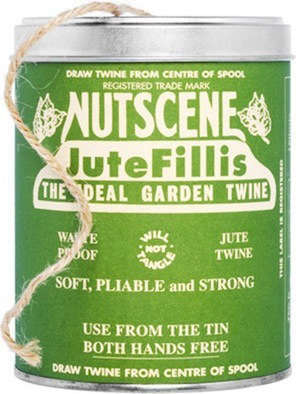
Some garden tools shout for attention. Pruners gleam. Watering cans pose like cottagecore celebrities. Seed packets practically wear tiny floral ball gowns. Then there is garden twine: humble, practical, and usually living in a drawer with mystery screws, old plant labels, and one glove that lost its soulmate. But Nutscene Garden Twine is different. It is the sort of twine that makes gardeners say, “Wait, why is this string charming?”
Nutscene Garden Twine is a traditional jute garden string known for its Scottish heritage, natural fibers, soft handling, and classic green color that blends into foliage. It is made for tying plants, training vines, marking seed rows, bundling herbs, supporting tomatoes, and giving your potting bench the elegant look of someone who definitely remembers where they put the trowel.
In a world full of plastic ties, zip ties, wire loops, and “temporary” garden fixes that remain in the soil until the next geological era, Nutscene’s biodegradable jute twine offers a refreshingly simple answer: use a natural material that supports plants without bullying them. It is practical, attractive, and satisfyingly old-fashioned in the best possible way.
What Is Nutscene Garden Twine?
Nutscene Garden Twine is a plant-friendly jute twine traditionally used for gardening, floristry, crafting, and household tying tasks. The brand has roots going back to 1922 and is closely connected with Scotland’s historic jute industry. Its name is part of the charm: the original green twine was designed to be “not seen” once tied around plants, because it visually disappears into stems and foliage.
That small detail explains why gardeners still love it. A good garden tie should do its job quietly. It should hold up pea vines, tomato stems, sweet peas, dahlias, climbing beans, young trees, and floppy perennials without stealing the spotlight. Nutscene twine does exactly that. It is strong enough for everyday garden work, soft enough for delicate stems, and natural enough to feel at home among soil, leaves, and compost.
Why Jute Matters
Jute is a plant-based fiber widely used for twine, rope, burlap, sacks, and garden products. In the garden, it has two big advantages: it is flexible and biodegradable. Unlike many synthetic garden ties, natural jute twine can break down over time rather than leaving plastic fragments behind. That makes it especially appealing to gardeners who want a tidier, lower-waste, more sustainable way to support plants.
Of course, “biodegradable” does not mean “magically disappears the instant you look away.” Jute twine still needs time, moisture, microbial activity, and the right environment to decompose. But compared with plastic string or nylon ties, untreated natural jute is a much friendlier material for seasonal garden use.
Why Gardeners Like Nutscene Garden Twine
There are plenty of garden strings on the market, so why does Nutscene get so much attention? The answer is a mix of heritage, usability, appearance, and plant safety. It is not trying to reinvent twine with Bluetooth connectivity or a subscription plan, which is refreshing. It is simply well-made garden twine that works.
1. It Is Gentle on Plant Stems
Plants grow. Stems thicken. Wind moves them around. Rain weighs them down. A tie that feels harmless in May can become a tiny plant corset by July if it is too rigid or thin. Nutscene jute twine is soft and pliable, making it a good option for tying stems to stakes, canes, trellises, arches, and supports.
When using any twine, the trick is to tie loosely. A figure-eight loop works beautifully: wrap one loop around the support, cross the twine, then loop gently around the plant stem. This gives the stem room to move without rubbing directly against the stake. Your tomato plant gets support, not a wrestling hold.
2. It Blends Into the Garden
The classic green Nutscene twine is famous because it visually disappears among leaves. That may sound like a tiny luxury until you have spent all spring training climbing roses and then realize your support system looks like a craft-store accident. Green jute twine keeps the focus on the plant, not the string.
Nutscene also offers colorful twines for gardeners and crafters who want something more decorative. Natural, green, red, pink, blue, yellow, and other shades can be used for gift wrapping, labeling, tying bouquets, or making seed packets look charming enough to forgive you for buying twelve varieties of basil.
3. It Is Biodegradable and Garden-Friendly
For many gardeners, the appeal of biodegradable garden twine is simple: less plastic in the garden. Synthetic ties can be useful, especially for long-term structural support, but they often need to be collected carefully at the end of the season. If forgotten, they may linger in soil or break into smaller pieces.
Natural jute twine fits better with seasonal gardening. After supporting annual vegetables or flowers, it can usually be removed, chopped into smaller pieces, and composted if it is free from synthetic coatings or contaminants. Many gardeners still prefer to remove used twine before composting large plant debris, especially if disease was present, but jute remains a much more eco-conscious choice than plastic string.
4. It Works for More Than Plants
Nutscene Garden Twine is not a one-job wonder. In the garden, it can tie plants, mark rows, bundle cut herbs, secure bamboo canes, hang labels, wrap seed packets, organize tools, and even help make simple trellis grids. Around the home, it works for wrapping gifts, tying parcels, styling bouquets, making rustic crafts, or bundling kindling. It is the Swiss Army knife of string, minus the tiny scissors no one can open.
Common Uses for Nutscene Garden Twine
Garden twine earns its keep because it solves small problems all season long. A stem flops. A vine wanders. A seed row needs marking. A bouquet needs tying. A bean teepee needs lashing. Suddenly, that humble ball of twine becomes the hero of the shed.
Tying Tomatoes
Tomatoes are dramatic. Give them sunshine and water, and they respond by growing like they have a personal ambition to become a jungle. Nutscene jute twine can be used to secure tomato stems to stakes, cages, or overhead supports. For determinate tomatoes, twine can help hold heavy branches in place. For indeterminate tomatoes, it can assist with vertical training when used with stakes or a string-support system.
Use soft loops and check them regularly. Tomato stems thicken quickly, and a tie that was perfect last week may need loosening today. Gardeners using a Florida weave or stake-and-weave system often rely on twine to hold rows of tomatoes upright, improve airflow, and keep fruit off the soil.
Training Peas, Beans, and Sweet Peas
Climbing plants love structure. Peas, pole beans, and sweet peas can scramble up netting, twiggy supports, bamboo frames, or twine lines. Nutscene Garden Twine works well for creating simple vertical guides or tying together teepees. The green twine blends into foliage, leaving the flowers and pods to take the applause.
Supporting Flowers and Perennials
Dahlias, delphiniums, cosmos, peonies, and other tall or top-heavy plants often need support before they flop over like they have received shocking news. Twine can be used to tie stems to stakes or create a discreet support ring around a clump of plants. The key is to support early, before the plant collapses. Emergency tying after a thunderstorm works, but it often looks like botanical first aid.
Marking Seed Rows
A taut line of twine between two sticks is one of the oldest and simplest ways to sow straight rows. This is useful for carrots, lettuce, radishes, onions, and other crops where neat spacing makes weeding easier. Straight rows are not required for a beautiful garden, but they do help you tell the difference between seedlings and weeds before the weeds begin their villain origin story.
Bundling Herbs and Flowers
Nutscene twine is also handy at harvest time. Use it to bundle rosemary, thyme, lavender, sage, oregano, or flowers for drying. Natural jute gives bunches a rustic, tidy look and holds stems securely. It is also attractive enough for market bouquets, gift herbs, and kitchen bundles.
Nutscene Garden Twine vs. Plastic Garden Ties
Plastic garden ties, clips, tapes, and coated wires all have their place. Some are reusable, adjustable, and long-lasting. For heavy branches, fruit trees, or permanent supports, a wider reusable tie may be better than twine. But for everyday seasonal tying, Nutscene jute twine has a strong case.
Natural jute twine is softer than wire, less visually intrusive than bright plastic tape, and easier to cut than thick reusable ties. It is also well suited to annual crops that will be cleared at the end of the season. The trade-off is durability. Jute is biodegradable, which means it will not last forever outdoors. Rain, sun, tension, and soil contact can weaken it over time. That is a feature, not a flaw, as long as you use it for the right jobs.
When Nutscene Twine Is Best
Use Nutscene Garden Twine for annual vegetables, flowering climbers, bouquet tying, seed-row marking, light trellis work, herb bundles, temporary supports, and decorative garden tasks. It is ideal when you want a natural, attractive, plant-safe tie that does not need to survive for years.
When You May Need Something Stronger
For large tree limbs, heavy grapevines, long-term woody plant training, or high-tension structural use, choose a wider, more durable plant tie designed for the job. Jute twine is strong for its size, but it is still a natural fiber. Asking it to hold a mature fruit-laden branch for multiple seasons is like asking a tea towel to be a hammock. Admirable, but risky.
How to Use Nutscene Garden Twine Properly
Garden twine is simple, but a few small techniques make it much more effective. The goal is to support the plant without restricting growth, damaging stems, or creating pressure points.
Use the Figure-Eight Tie
For staking plants, loop the twine around the stake first, cross it in the middle, then loop it gently around the stem. This figure-eight shape creates a cushion between the plant and support. It reduces rubbing and gives the stem a little room to sway naturally.
Do Not Tie Too Tight
Plants are not fence posts. They expand, bend, and move. A tight knot can cut into the stem as the plant grows. Leave enough slack for natural movement. If you are tying tomatoes, dahlias, peppers, or young trees, check the ties every couple of weeks during active growth.
Cut Clean Lengths Before You Start
Before tying a row of plants, cut several lengths of twine and keep them in a pocket or small basket. This saves time and prevents the classic gardener’s dance: holding a stem with one hand, a stake with the other, and trying to cut twine with a tool that is somehow under your knee.
Keep Twine Dry Between Uses
Store your twine in a dry shed, drawer, tin, or potting bench cubby. Because jute is a natural fiber, constant dampness can weaken it. A tin of twine or center-pull spool helps keep things tidy and prevents tangles. It also makes you look like the sort of gardener who has systems. Powerful energy.
Choosing the Right Nutscene Twine
Nutscene twine is available in different forms, including balls, spools, tins, and colored twine collections. The best choice depends on how you garden.
For Everyday Vegetable Gardening
Choose classic green or natural jute twine in a practical spool or ball. A 3-ply option is useful for tomatoes, beans, peppers, and general staking. It offers a good balance of strength and flexibility for common garden jobs.
For Potting Bench Style
A tin of twine is both useful and attractive. It keeps the twine contained, feeds from the center, and looks charming on a shelf. It is a small upgrade, but gardening is built on small pleasures: warm soil, new shoots, sharp pruners, and twine that does not roll under the workbench.
For Gifts and Crafts
Colored Nutscene twine is great for wrapping seed packets, tying bouquets, labeling jars, decorating plant gifts, or making handmade tags. It brings a cheerful, natural texture to crafts without looking overly polished.
Is Nutscene Garden Twine Worth It?
Yes, especially if you value natural materials, attractive tools, and traditional garden supplies that actually work. Nutscene Garden Twine is not the cheapest string in the universe, and it is not meant to be. Its appeal lies in the combination of heritage, usability, sustainability, and appearance.
For a gardener, a good twine is like a good pocketknife or a favorite pair of gloves. It becomes part of the rhythm of the season. You use it without thinking, then suddenly notice it has solved twenty tiny problems: the pea frame is secure, the tomatoes are upright, the herb bundles are drying, the seed rows are straight, and the gift bouquet looks like it came from a charming farm stand instead of your kitchen counter at 11 p.m.
Experience Notes: Living With Nutscene Garden Twine Through a Growing Season
The real test of garden twine is not how nice it looks when new. Everything looks nice when new. Even a packet of zucchini seeds looks innocent before it turns your yard into a squash-based empire. The real test is how twine behaves after weeks of sun, watering, wind, hurried tying, muddy hands, and being dropped at least once into a tray of potting mix.
In everyday use, Nutscene Garden Twine feels like a tool that belongs in the garden rather than something borrowed from the junk drawer. The texture is soft but grippy, which makes it easy to knot. It does not have the slippery feel of plastic string, so knots tend to stay where you put them. That matters when tying tomatoes or beans because loose knots can slide down stakes and leave plants leaning like tired commuters.
One of the best uses is tomato support. Early in the season, when tomato plants are still polite and manageable, short pieces of twine work well for tying the main stem to a stake. As the plants grow, adding new ties every 10 to 12 inches keeps them upright without forcing them into an unnatural position. The green twine almost disappears against the stems, which makes the whole setup look cleaner. There is something satisfying about seeing a tomato plant stand tall with barely visible support, like it has excellent posture and no ego about it.
Nutscene twine is also excellent for sweet peas and climbing beans. A few vertical lines tied from a horizontal support to the base of a planter can create a simple climbing frame. The vines find the twine easily, and the natural fiber gives tendrils something to grip. Compared with slick synthetic string, jute feels more plant-friendly because it has texture. The plants seem to understand the assignment.
For flowers, the twine is most useful when used early. Tall cosmos, dahlias, and delphiniums are much easier to support before they flop. A loose ring of twine around several stakes can hold a group together without making the bed look trapped in a spiderweb. The trick is restraint. Too much twine makes a flower bed look like a crime scene. Just enough twine creates quiet structure.
There are a few realistic limitations. Because Nutscene Garden Twine is made from natural jute, it can weaken if it stays wet for long periods or rubs constantly against rough surfaces. It is not the best choice for permanent outdoor construction or heavy, woody plants that need long-term restraint. At the end of the season, some pieces may be brittle or weathered. That is normal. Biodegradable materials are supposed to break down eventually. The point is to match the twine to seasonal tasks rather than expect it to perform like plastic-coated cable.
Another practical tip: keep a dedicated pair of scissors or snips near the twine. Pulling and snapping jute by hand is possible sometimes, but it creates ragged ends and occasionally leads to an undignified tug-of-war. Clean cuts make tying faster and neater. If you use a tin or center-pull spool, the process becomes even smoother because the twine stays put instead of rolling away into the land of lost plant labels.
By the end of a growing season, Nutscene Garden Twine tends to earn its place. It is not flashy, but it is constantly useful. It supports vegetables, tidies flowers, bundles herbs, marks rows, and adds a touch of old-school charm to ordinary garden chores. It is the kind of product that reminds you good gardening does not always require complicated gear. Sometimes all you need is a sturdy stake, a soft piece of twine, and the confidence to tie a tomato before it stages a collapse.
Conclusion
Nutscene Garden Twine is a small garden essential with a surprisingly rich story. Made from natural jute and rooted in traditional Scottish twine-making, it offers gardeners a practical, biodegradable, and attractive way to support plants, train vines, mark rows, bundle herbs, and handle countless everyday tasks. Its classic green color blends into foliage, its soft texture is gentle on stems, and its natural fiber makes it a smarter seasonal choice than many synthetic ties.
It will not replace every heavy-duty plant support, and it is not designed to last forever in wet outdoor conditions. But for the majority of garden tying jobs, Nutscene Garden Twine is dependable, charming, and easy to use. In other words, it is exactly what garden twine should be: strong enough to help, soft enough not to harm, and handsome enough to leave on the potting bench without apology.
SEO Tags
Note: This article is written in original American English and synthesizes real product information, gardening best practices, and practical experience related to Nutscene Garden Twine without inserting source links or citation placeholders.