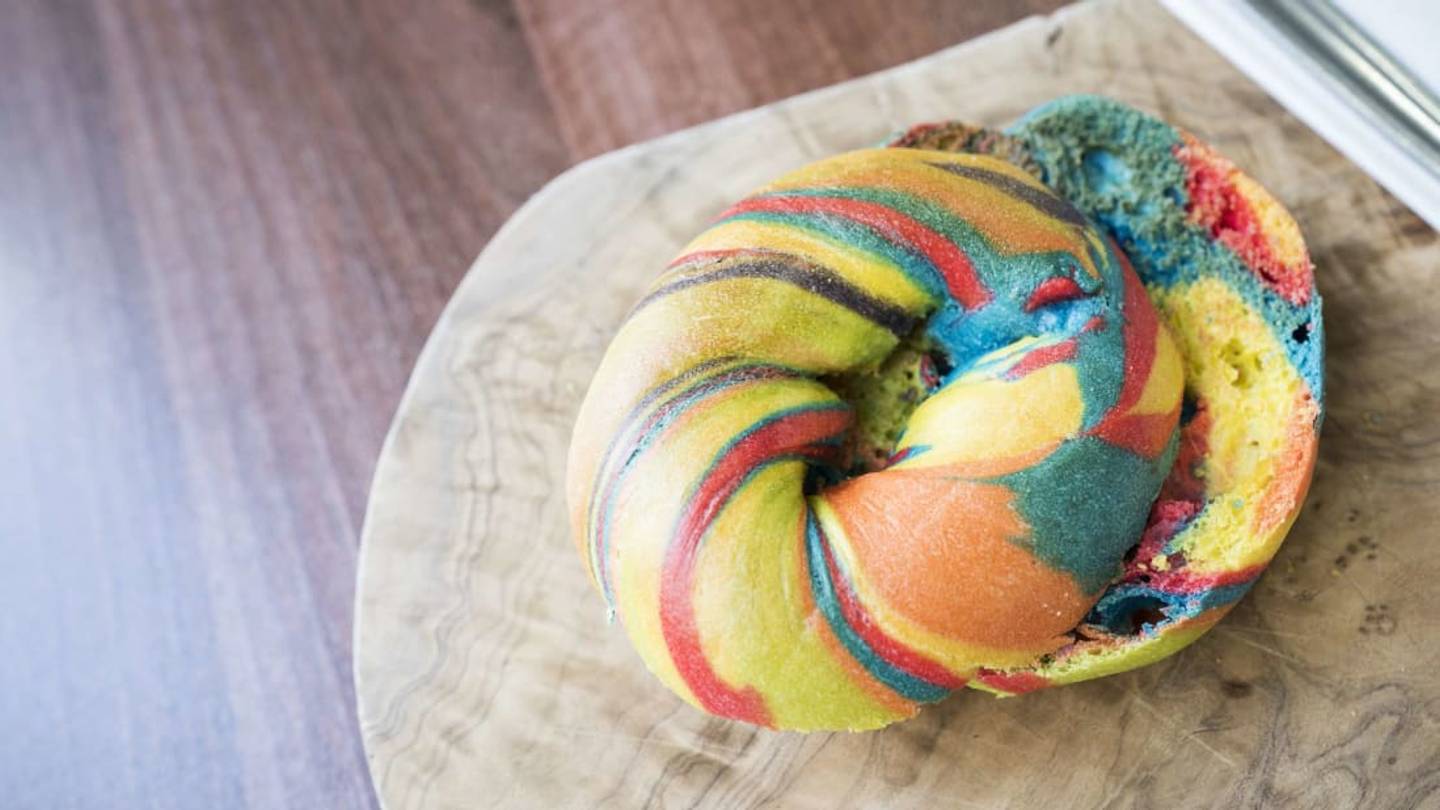
Some foods are born to nourish us. Others are born to make the internet yell, “Wait, is that legal?” Over the past 20 years, novelty foods have gone from county-fair curiosities to full-blown cultural events. A new sandwich, rainbow-colored bagel, spicy donut, or plant-based burger can now travel from a test kitchen to TikTok fame before most of us finish our lunch break.
“Novelty foods from the past 20 years” is more than a parade of weird snacks and fast-food stunts. It is a story about how Americans eat, share, photograph, debate, and sometimes panic-buy food. From the Cronut to Doritos Locos Tacos, from sushi burritos to the Popeyes chicken sandwich, novelty foods reveal what people crave: surprise, nostalgia, convenience, indulgence, and a good excuse to post a dramatic reaction online.
This guide looks at the most memorable novelty foods from roughly 2006 to 2026, why they became popular, and what they say about modern food culture. Bring napkins. Possibly emotional support ranch.
What Makes a Food “Novelty”?
A novelty food is not simply a new product. It is a food designed to feel unusual, playful, limited, viral, or dramatically different from what people expect. Sometimes the novelty comes from flavor, such as ghost pepper icing on a donut. Sometimes it comes from format, like replacing a sandwich bun with fried chicken. Sometimes it comes from color, branding, scarcity, or the glorious human impulse to ask, “What if Thanksgiving dinner were chips?”
Successful novelty foods usually share a few traits. They are easy to understand in one sentence, visually distinct, and emotionally charged. They invite curiosity before they invite appetite. A Cronut is a croissant-doughnut hybrid. A Doritos Locos Taco is a taco with a Doritos shell. A rainbow bagel looks like breakfast escaped from a cartoon. The pitch is immediate, and in the age of social media, immediate is everything.
The Rise of Food Mashups
The past two decades have been a golden age for food mashups. These creations combine two familiar items into something new enough to feel exciting but familiar enough to feel safe. Nobody needs a culinary degree to understand a ramen burger or a sushi burrito. The brain gets it instantly; the stomach files a formal request.
The Cronut: The Pastry That Launched a Thousand Lines
When pastry chef Dominique Ansel introduced the Cronut in New York City in 2013, it became one of the defining novelty foods of the modern era. The concept was simple but brilliant: a laminated croissant-style dough shaped and fried like a doughnut, then filled and glazed. The result was elegant enough for pastry lovers and outrageous enough for everyone else.
The Cronut did not just become famous because it tasted good. It became famous because it was scarce, photogenic, and attached to a story. People lined up early. Flavors changed monthly. Copycats appeared everywhere. The Cronut showed restaurants and bakeries that a single clever product could become a brand-building machine.
The Ramen Burger: Noodles Meet the Bun
The ramen burger became another major food mashup of the 2010s. Instead of bread, the burger used compressed ramen noodle “buns” around a beef patty. It was playful, portable, and weird in the best possible way. Like many novelty foods, it was not necessarily built for daily eating. It was built for curiosity, conversation, and the kind of photo that makes a friend text, “Where did you get that?”
The ramen burger captured the moment when street food, pop-ups, and urban food markets became trend laboratories. A clever idea could move from a booth to national attention almost overnight.
The Sushi Burrito: Fast-Casual Fusion Gets Bigger
The sushi burrito took sushi ingredients and made them handheld, oversized, and fast-casual friendly. Popularized by Sushirrito in San Francisco, the format blended Japanese and Latin-inspired flavors into a portable meal that felt designed for office workers, students, and anyone who wanted sushi without the delicate ceremony of chopsticks, tiny plates, and pretending one roll is enough.
Its appeal was practical as much as novel. Sushi burritos were customizable, filling, and visually satisfying. They also reflected a broader shift in American eating: global flavors, casual formats, and the never-ending quest to make lunch faster without making it boring.
Fast Food Learns to Go Viral
Fast-food chains have always experimented, but the last 20 years turned limited-time offers into social-media events. The most successful novelty fast foods do not merely appear on menus; they arrive with a wink, a challenge, or a built-in joke.
KFC Double Down: The Bun Retires Early
KFC’s Double Down, launched nationally in the United States in 2010, replaced bread with two fried chicken fillets and placed bacon, cheese, and sauce between them. Nutritionally, it was not exactly a spa weekend. Culturally, it was unforgettable.
The Double Down worked because it was outrageous but easy to grasp. It transformed a normal sandwich into a dare. Even people who never planned to eat one talked about it, which is exactly what novelty food marketing wants. A product can sell meals, but a shocking product sells attention.
Doritos Locos Tacos: The Shell That Changed Fast Food
Few novelty foods have had the commercial impact of Taco Bell’s Doritos Locos Tacos, introduced in 2012. The idea was almost suspiciously obvious: take a crunchy taco shell and make it taste like Nacho Cheese Doritos. Yet the execution was complicated, and the payoff was enormous.
The Doritos Locos Taco became one of Taco Bell’s most successful product launches and helped define the modern co-branded fast-food era. It proved that combining two beloved brands could create more than a gimmick. It could create a menu item customers actively sought out, discussed, and returned for.
The Naked Chicken Chalupa and the Age of “Why Not?”
Taco Bell kept pushing the format with products like the Naked Chicken Chalupa, which used fried chicken as the shell. This kind of innovation sits somewhere between food science and late-night imagination. It asks a bold question: what if the container were also the protein?
The answer, apparently, is that people will absolutely try it. Modern fast food thrives on limited-time novelty because the clock creates urgency. Eat it now, or risk becoming the person who only hears about it later.
Popeyes Chicken Sandwich: Novelty Becomes a National Debate
The Popeyes chicken sandwich, launched in 2019, was not visually bizarre in the same way as a black burger bun or fried-chicken taco shell. Its novelty came from timing, social media, scarcity, and a perfect storm of public comparison. Suddenly, a chicken sandwich became a national sporting event without uniforms.
The sandwich sparked the so-called chicken sandwich wars, drawing attention from competitors and customers alike. It sold out quickly, returned to huge demand, and proved that novelty can come from hype as much as ingredients. Sometimes the food itself is simple; the cultural moment around it is the real spectacle.
Instagram Food: Color, Drama, and the Camera Eats First
In the 2010s, novelty foods became deeply visual. If a product looked good on Instagram, it had a better chance of becoming a trend. Colorful, dramatic, oversized, sparkly, or intentionally strange foods spread quickly because they rewarded sharing.
Rainbow Bagels: Breakfast Goes Technicolor
The rainbow bagel, made famous by The Bagel Store in Brooklyn, became one of the clearest examples of Instagram-era food. It was not just a bagel; it was a visual event. Swirls of bright color made it look like breakfast had joined a parade.
Its popularity showed that appearance could be as important as taste in novelty food culture. A rainbow bagel did not need to replace the classic everything bagel. It simply needed to exist loudly enough for people to notice, photograph, and share.
Starbucks Unicorn Frappuccino: Drinkable Social Media
Starbucks’ Unicorn Frappuccino, originally released for a limited time in 2017, may be the ultimate example of a beverage designed for the camera. With bright pink and blue colors, whipped cream, and a sweet-tart flavor profile, it was almost impossible to ignore.
Reactions were mixed, which only made it more famous. Some people loved the magic. Others felt personally attacked by the sugar. Baristas famously had feelings. But from a novelty food perspective, the Unicorn Frappuccino did exactly what it needed to do: dominate conversation for a short, intense window.
Limited-Edition Snacks and the Flavor Laboratory
Packaged food brands have also embraced novelty with limited-edition flavors. Cookies, chips, cereal, soda, and candy now regularly appear in seasonal, nostalgic, or absurd varieties. The strategy is simple: make people curious, make the product temporary, and let fear of missing out do its crunchy little dance.
Oreo and the Never-Ending Flavor Parade
Oreo’s limited-edition flavor strategy became especially visible in the 2010s, with Birthday Cake Oreo and many later varieties proving that even a classic cookie could act like a pop-culture platform. Limited flavors give shoppers a reason to return to the cookie aisle and ask, “What are they doing now?”
The brilliance is that the original Oreo remains untouched. Novelty flavors generate buzz while the classic product stays dependable. It is the snack equivalent of wearing a party hat over a business suit.
Pringles Thanksgiving Dinner: The Holiday Meal Becomes Chips
Pringles’ Thanksgiving Dinner chips turned an entire holiday meal into stackable snack form, with flavors such as turkey, stuffing, mashed potatoes, cranberry sauce, green bean casserole, and pumpkin pie. Was it necessary? Absolutely not. Was it memorable? Completely.
This kind of novelty works because it compresses a familiar experience into an unexpected format. Thanksgiving is emotional, traditional, and labor-intensive. Pringles transformed it into a conversation-starting chip collection. That is either genius or a cry for help from the snack aisle. Possibly both.
Cheetos Mac ’n Cheese: Snack Dust Becomes Dinner
Cheetos Mac ’n Cheese, launched in 2020, brought the flavor identity of a famous snack into boxed pasta. It came in flavors such as Bold & Cheesy, Flamin’ Hot, and Cheesy Jalapeño. The move made sense because Cheetos already had a powerful flavor signature. The orange dust was not a side effect; it was the brand.
This product reflected a broader trend: snack brands moving beyond their original categories. When a flavor becomes iconic enough, it can migrate. Chips become pasta. Candy becomes cereal. Soda becomes cake. The grocery store becomes a crossover episode.
Spice, Heat, and the Thrill of Regret
Another major novelty food trend from the past 20 years is heat. Spicy foods have always had fans, but modern novelty foods often frame spice as an experience, challenge, or badge of honor.
Dunkin’s Spicy Ghost Pepper Donut
Dunkin’s Spicy Ghost Pepper Donut, released in 2020, paired a classic yeast donut with strawberry icing containing cayenne and ghost pepper. It looked cheerful and slightly dangerous, like a dessert with a secret.
The appeal was not only flavor. It was the story customers could tell afterward. “I ate a ghost pepper donut” is more interesting than “I had a regular donut,” even if the regular donut made fewer threats.
Flamin’ Hot Everything
The Flamin’ Hot flavor universe expanded across snacks, fast food, and packaged meals. It became a shorthand for intensity, youth culture, and snackable rebellion. The flavor is bold, recognizable, and flexible enough to appear in chips, popcorn, mac and cheese, and restaurant mashups.
Spicy novelty foods succeed because they create participation. People compare tolerance, film reactions, and challenge friends. The food becomes entertainment.
Plant-Based Burgers: Novelty With a Mission
Not all novelty foods are neon-colored or outrageous. Some are innovative because they challenge expectations about what food can be. Plant-based burgers from companies like Impossible Foods and Beyond Meat became major food stories because they aimed to mimic beef using plant-based ingredients.
The Impossible Burger debuted in 2016 at Momofuku Nishi in New York, while Beyond Meat introduced the Beyond Burger in 2016 as a plant-based patty designed to look, cook, and taste more like meat. These products were not novelty in the “giant fried object” sense. They were novelty in the technological and cultural sense.
For many consumers, the surprise was not that a plant-based burger existed. Veggie burgers had been around for decades. The surprise was that these burgers were marketed to meat eaters and designed to behave more like beef. They sizzled, browned, and sometimes “bled” in ways that made people curious, skeptical, impressed, or all three before the first bite.
Why Novelty Foods Became So Powerful
The rise of novelty foods from the past 20 years is closely tied to changes in media, dining, and shopping. Social platforms reward visual surprise. Food delivery makes limited items more accessible. Fast-casual restaurants make fusion formats easier to scale. Grocery brands use limited editions to stand out in crowded aisles.
Novelty foods also give consumers a low-risk adventure. Not everyone can book a trip, buy a new gadget, or reinvent their life on a Tuesday. But trying a spicy donut or limited-edition chip flavor? That is a small adventure available for a few dollars.
There is also nostalgia. Many novelty foods remix childhood favorites: cereal, cookies, candy, mac and cheese, chips, and fast-food icons. They allow adults to revisit familiar flavors in new forms. It is comfort food wearing sunglasses.
Experiences Related to Novelty Foods From the Past 20 Years
Eating novelty foods is rarely just about hunger. In fact, hunger may be the least interesting character in the story. The experience usually begins before the first bite, when someone sees a photo, headline, menu board, or social post and feels curiosity kick in. The brain says, “That looks ridiculous.” The next thought is, “I need to know.” That tiny emotional turn is the engine of novelty food culture.
The best novelty food experiences feel social. Imagine standing in line for a hyped pastry with strangers who are pretending to be casual but are clearly invested. Everyone knows they are participating in something slightly silly, and that shared silliness becomes part of the flavor. The Cronut was not just pastry; it was anticipation. The Popeyes chicken sandwich was not just lunch; it was a debate with pickles. The Unicorn Frappuccino was not just a drink; it was a five-day national mood swing in a plastic cup.
Novelty foods also create instant memory hooks. A regular burger may disappear from memory by Thursday. A black-bunned Halloween Whopper or ghost pepper donut tends to stay filed in the mental cabinet labeled, “Well, that happened.” Even when the taste is not perfect, the experience can still be worth discussing. That is why limited-edition foods are powerful: they turn ordinary eating into a tiny event.
There is pleasure in the reveal. Opening a box of strange chips, unwrapping a brightly colored bagel, or cutting into a hybrid dessert creates a moment of suspense. Will it be delicious? Will it be confusing? Will the group chat need photographic evidence? Novelty foods invite judgment, and people love judging things together. The snack becomes a conversation starter, a dare, a review, and occasionally a warning label written in real time.
At home, novelty foods can make everyday routines feel less repetitive. A family movie night with an odd cookie flavor becomes more memorable than simply opening the usual package. A lunch break becomes funnier when someone brings a limited-edition snack and asks coworkers to guess the flavor. Even disappointment has entertainment value. There is a special kind of bonding that happens when three people silently agree that pumpkin pie chips should perhaps remain theoretical.
The most important experience, though, is the reminder that food can be playful. Not every meal needs to be optimized, photographed, or analyzed. Sometimes it is enough for food to make people laugh, raise an eyebrow, or say, “I would try one bite.” Novelty foods from the past 20 years have succeeded because they add surprise to a daily habit. They may not always become classics, but they do something classics cannot always do: they make eating feel new again.
Conclusion: The Future Will Be Weird, Crispy, and Probably Limited-Time Only
Novelty foods from the past 20 years show how deeply food is connected to culture. These products are not random accidents. They reflect social media habits, brand competition, nostalgia, convenience, and the American appetite for playful excess. Some become permanent menu items. Some vanish after a few weeks. Some return years later because nostalgia has a strong Wi-Fi signal.
The next wave of novelty foods will likely combine technology, sustainability, global flavors, and even more dramatic limited-time marketing. Expect more plant-based innovation, more spicy-sweet combinations, more brand collaborations, and more foods designed to look irresistible on camera. Whether that future is delicious or mildly unhinged depends on your tolerance for pickle-flavored cotton candy. But one thing is certain: people will keep trying strange foods because curiosity is one of the strongest seasonings we have.