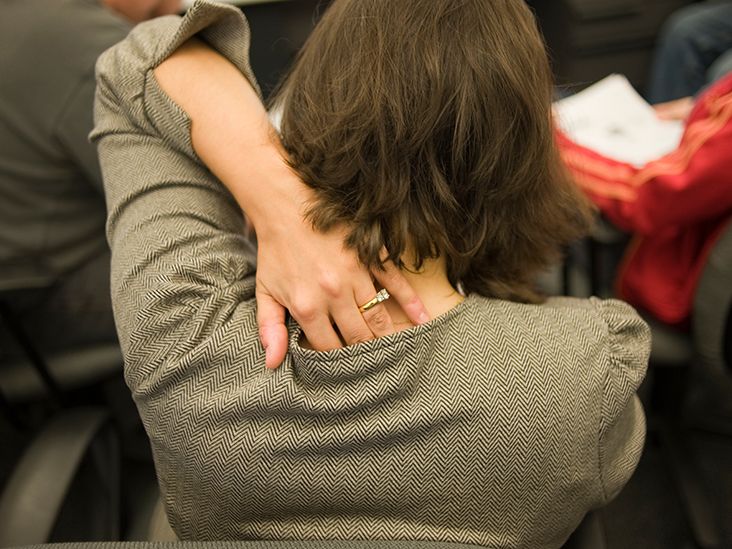
Notalgia paresthetica sounds like the name of a tiny ancient city discovered by archaeologists, but it is actually a nerve-related condition that causes an intensely itchy, tingly, burning, or numb patch on the upper back. Most people notice it near the inner edge of one shoulder blade, usually between the spine and the scapula. The itch can feel oddly specific, as if your back has installed a doorbell that only your nerves can ring.
The condition is not considered dangerous or life-threatening, but it can be frustrating enough to make a wooden backscratcher feel like a trusted life coach. Notalgia paresthetica often lasts for months or even years, comes and goes, and may leave a darker patch of skin from repeated rubbing or scratching. The good news: while there is no single magic cure, many people improve with a smart mix of skin care, posture work, targeted exercises, nerve-calming medications, and professional treatment when needed.
What Is Notalgia Paresthetica?
Notalgia paresthetica is a type of neuropathic itch, meaning the itch comes from irritated or damaged nerves rather than from a primary skin rash. “Notalgia” refers to pain in the back, while “paresthetica” refers to abnormal sensations such as burning, tingling, prickling, numbness, or itching.
The classic location is the upper or middle back, especially the area just under or beside the shoulder blade. It usually affects one side, although some people feel symptoms on both sides. The skin may look completely normal at first. Over time, repeated rubbing can create a brownish, grayish, reddish, or roughened patch. That patch is often a clue, but it is usually the result of scratchingnot the original cause.
Common Symptoms of Notalgia Paresthetica
The main symptom is a stubborn itch that does not behave like an ordinary mosquito bite or dry-skin itch. It may feel deep, unreachable, or strangely electric. Scratching may bring short relief, but the sensation often returns quickly, almost like the itch has a subscription plan.
Typical symptoms include:
- Persistent itching near one shoulder blade
- Burning, tingling, prickling, or crawling sensations
- Numbness or altered skin sensitivity
- Tenderness, mild pain, or heat-like feelings
- A darker or lighter patch of skin caused by repeated scratching
- Thickened, rough, or irritated skin from chronic rubbing
- Symptoms that worsen after long sitting, poor posture, stress, heat, or upper-back tension
One important point: notalgia paresthetica usually does not begin with a rash. If there is a spreading rash, blisters, open sores, infection, fever, or sudden severe pain, it is time to get checked promptly because another condition may be involved.
What Causes Notalgia Paresthetica?
The exact cause is still being studied, but most experts consider notalgia paresthetica a nerve problem. The nerves that supply sensation to the upper back come from the thoracic spine, especially around T2 to T6. These nerves travel through muscles and tissues before reaching the skin. Along the way, they may become irritated, compressed, stretched, or hypersensitive.
Possible causes and contributing factors
Spinal changes: Degenerative disc disease, arthritis in the spine, herniated discs, or other age-related changes may irritate the nerves that serve the upper back.
Muscle tightness and posture: Rounded shoulders, forward-head posture, tight chest muscles, and weak upper-back muscles may increase tension around the nerves. Translation: your laptop posture may be giving your shoulder blade a very dramatic personality.
Nerve entrapment: Some researchers believe the nerves are vulnerable because they take a sharp path through the back muscles before reaching the skin. If muscles become tight or imbalanced, the nerve may get irritated.
Metabolic or infectious triggers: Conditions such as diabetes or a history of shingles may contribute to neuropathic sensations in some people.
Age and sex: Notalgia paresthetica is reported more often in adults over 50 and appears to be more common in women, though anyone can develop it.
How Doctors Diagnose Notalgia Paresthetica
Diagnosis is usually based on symptoms, location, medical history, and a skin exam. A healthcare provider may ask when the itch started, whether there is pain or numbness, what makes it better or worse, and whether you have spine, shoulder, or neck problems.
Most people do not need extensive testing. However, imaging such as X-ray or MRI may be considered if symptoms come with significant back pain, weakness, numbness beyond the itchy area, injury, or signs of a neurological condition. A skin biopsy may be used if the diagnosis is uncertain or if the patch looks like eczema, fungal infection, contact dermatitis, lichen simplex chronicus, or another skin condition.
Notalgia Paresthetica Treatment Options
Treatment can be tricky because notalgia paresthetica does not respond the same way in everyone. The goal is usually symptom control, fewer itch flares, better sleep, less scratching, and improved upper-back mechanics.
1. Moisturizers and gentle skin care
Even though the root problem is nerve-related, irritated skin can make the itch louder. A fragrance-free moisturizer can help reduce dryness and protect the skin barrier. Avoid harsh scrubs, strong fragrances, and overly hot showers, which may trigger more itching.
2. Topical treatments
Doctors may recommend topical products such as capsaicin cream, lidocaine, pramoxine, or other medicated creams. Capsaicin may help by affecting nerve signals, but it can cause a burning feeling at first. Topical steroids are generally not very helpful unless there is inflammation from scratching or another skin condition present.
3. Oral nerve-calming medications
For more severe symptoms, a clinician may consider medications that target nerve activity, such as gabapentin or pregabalin. These are not itch creams; they work through the nervous system. They can be useful for neuropathic itch, but they may cause side effects and should be used only under medical guidance.
4. Physical therapy
Physical therapy can be one of the most practical approaches, especially when posture, shoulder mobility, or upper-back muscle imbalance appears to be part of the problem. A therapist may focus on strengthening the upper back, improving scapular movement, stretching tight chest muscles, and reducing nerve irritation.
5. TENS and other procedures
Some people try transcutaneous electrical nerve stimulation, also called TENS, under professional guidance. Other options for stubborn cases may include nerve blocks, botulinum toxin injections, acupuncture, dry needling, or other pain-management procedures. Results vary, so these are usually considered when simpler measures are not enough.
Exercises for Notalgia Paresthetica
Exercises should be gentle, consistent, and pain-free. The goal is not to win the Olympics of shoulder blades. The goal is to reduce tension, improve posture, and help the nerves stop sending dramatic itch telegrams.
Before starting, check with a healthcare professional if you have severe pain, recent injury, numbness spreading down the arm, weakness, balance problems, or a known spine condition.
1. Shoulder blade squeezes
Sit or stand tall. Gently pull your shoulder blades back and slightly down, as if you are trying to hold a pencil between them. Hold for 5 seconds, then relax. Repeat 10 times. Avoid shrugging your shoulders toward your ears.
2. Doorway chest stretch
Stand in a doorway with your forearms on the door frame. Step one foot forward until you feel a comfortable stretch across the chest. Hold for 20 to 30 seconds. Repeat 2 or 3 times. This helps counter rounded shoulders and tight pectoral muscles.
3. Thoracic extension over a chair
Sit in a chair with a firm back. Place your hands behind your head and gently lean your upper back over the top of the chair. Keep the movement slow and comfortable. Repeat 5 to 8 times. Do not force your neck backward.
4. Wall angels
Stand with your back against a wall. Keep your ribs relaxed and move your arms up and down like you are making a snow angel. Stay within a comfortable range. Repeat 8 to 10 times. This improves shoulder mobility and posture.
5. Cat-cow stretch
On hands and knees, slowly round your upper back, then gently arch it. Move with your breath. Repeat 8 to 12 times. This can reduce stiffness through the spine and surrounding muscles.
6. Lat stretch
Place your hands on a table or countertop, step back, and gently lower your chest until you feel a stretch along the sides of your back. Hold for 20 seconds. Repeat 2 or 3 times.
Daily Habits That May Help
Small changes can matter. Keep screens at eye level when possible. Take movement breaks every 30 to 60 minutes. Use a supportive chair. Avoid spending hours with your head tilted forward over a phone. Heat may worsen itching for some people, so breathable clothing and cooler showers may help. If scratching is causing skin damage, keep nails short and consider covering the area with soft clothing to reduce rubbing.
Stress management may also help. Stress does not “invent” the condition, but it can turn up the volume on nerve sensations. Gentle walking, breathing exercises, stretching, and better sleep routines may reduce flares.
When to See a Doctor
Make an appointment if the itch lasts more than a few weeks, keeps returning, affects sleep, causes skin damage, or comes with numbness, pain, weakness, or spreading symptoms. See a doctor sooner if you notice a new mole, bleeding skin lesion, infection, blisters, fever, unexplained weight loss, or severe back pain. Most cases are benign, but a proper diagnosis prevents months of guessing and Googling at 1:00 a.m.
Living With Notalgia Paresthetica: Practical Experience and Real-Life Tips
Living with notalgia paresthetica can feel oddly personal because the itch is usually in the one place your hand cannot reach gracefully. Many people describe the same daily routine: they sit at a desk, drive for a long time, cook dinner, or finally lie down to relaxand suddenly the shoulder-blade itch begins its evening concert. The first instinct is to scratch. The second instinct is to find a corner of a wall and behave like a bear in a nature documentary. Understandable? Yes. Ideal? Not exactly.
One useful experience-based approach is to treat notalgia paresthetica as both a nerve issue and a lifestyle pattern. For example, someone who works at a computer may notice symptoms flare after hours of forward-head posture. In that case, a timer for posture breaks can be surprisingly powerful. Every 45 minutes, stand up, roll the shoulders gently, do five shoulder blade squeezes, and stretch the chest in a doorway. It takes less than two minutes, which is shorter than most snack breaks and much better for your back than negotiating with an itch.
Another practical tip is to track triggers for two weeks. Write down when the itch appears, what you were doing, your stress level, whether you were hot, and whether you had neck or upper-back tightness. Patterns may show up quickly. Some people notice heat makes symptoms worse. Others notice flares after lifting, gardening, long drives, or sleeping in an awkward position. This kind of symptom diary gives your doctor or physical therapist better information than “my back is haunted,” even if that description feels emotionally accurate.
Skin care also matters more than many people expect. The nerve may be the troublemaker, but scratched skin becomes a second problem. A bland moisturizer after showering can reduce dryness. A cold pack wrapped in a towel may calm a flare for some people. Soft shirts can reduce friction. Strong fragrances, scratchy fabrics, and very hot showers can make the area more reactive. Think of the skin as a tired coworker: it performs better when you stop yelling at it.
For exercise, consistency beats intensity. A gentle routine done five days a week is usually more useful than one heroic session followed by three days of soreness. Start with shoulder blade squeezes, doorway stretches, wall angels, and thoracic mobility. If symptoms worsen, scale back and ask a physical therapist for guidance. The best program is not the fanciest one; it is the one you can do safely without turning your upper back into a complaint department.
Finally, patience is part of treatment. Notalgia paresthetica often improves slowly. A cream may help one person, gabapentin may help another, and posture-focused therapy may be the missing piece for someone else. If the first approach fails, that does not mean nothing will work. It means the plan may need adjusting. With the right combination of medical care, movement, skin protection, and trigger management, many people can reduce the itch, protect their skin, and stop giving the backscratcher celebrity status in the household.
Conclusion
Notalgia paresthetica is a nerve-related condition that causes itching, burning, tingling, or numbness near the shoulder blade. It is usually not dangerous, but it can be persistent and annoying enough to interrupt sleep, focus, and daily comfort. Because it often begins without a rash, many people mistake it for dry skin or an allergy. The real issue is usually irritated nerves, sometimes linked to spinal changes, muscle tension, posture, or nerve entrapment.
Effective management often requires a layered approach: gentle skin care, trigger awareness, posture improvement, targeted exercises, and medical treatments when symptoms are moderate or severe. Physical therapy, topical products, nerve-calming medications, and selected procedures may all have a role. The smartest first step is getting a proper diagnosis, especially if symptoms are persistent, painful, spreading, or damaging the skin.