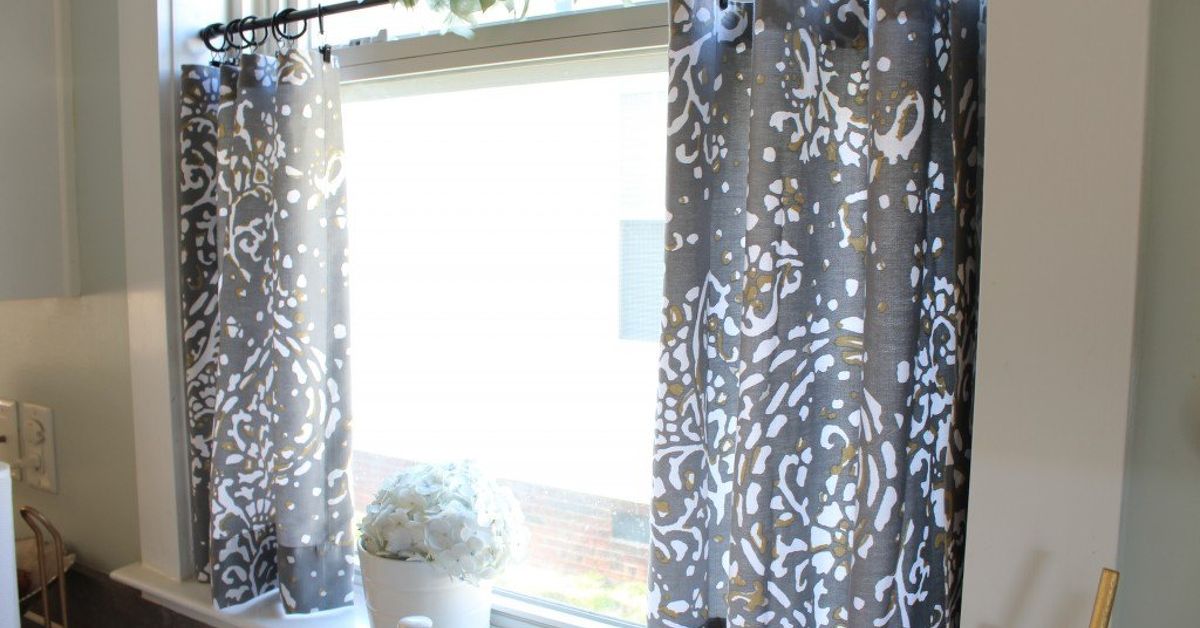
Cafe curtains have a special talent: they make a room feel finished without making it feel fussy. They cover the lower half of a window, bring in privacy where you actually need it, and leave the top open so sunlight can stroll in like it pays rent. Even better, you do not need a sewing machine, a textile degree, or a grandmother named Edith whispering “backstitch” over your shoulder. With fabric, hem tape, clip rings, and a little patience, no sew cafe curtains can become one of the easiest and most charming DIY window treatments in your home.
The appeal is simple. Cafe curtains are practical, affordable, and flexible. They work beautifully in kitchens, bathrooms, breakfast nooks, laundry rooms, pantry windows, entryways, and even glass cabinet fronts. Because they use less fabric than full-length drapes, you can experiment with linen, cotton, ticking stripe, gingham, sheer voile, vintage tea towels, or even a pretty tablecloth. This project is also renter-friendly when you use a tension rod, which means no holes, no drama, and no awkward conversation with your landlord about “decorative enthusiasm.”
This guide explains how to make no sew cafe curtains from start to finish, including measuring, choosing fabric, creating clean hems, hanging panels, styling them, avoiding common mistakes, and learning from real-life DIY experience.
What Are Cafe Curtains?
Cafe curtains are short curtains that typically cover the lower half of a window. They were originally popular in cafes and bistros because they offered seated guests privacy while still allowing daylight through the upper portion of the window. Today, they are back in a big way because they solve a very modern decorating problem: how to add softness and privacy without blocking precious natural light.
Unlike full drapes, cafe curtains do not dominate a room. They add texture, color, and charm in a smaller dose. In a kitchen, they soften hard surfaces like tile, stone, stainless steel, and cabinetry. In a bathroom, they protect privacy while keeping the room bright. In a breakfast nook, they create that cozy “fresh croissant and coffee” feeling, even if breakfast is really toast eaten over the sink.
Why Choose No Sew Cafe Curtains?
No sew cafe curtains are ideal for beginners, renters, budget decorators, and anyone who wants custom-looking curtains without custom-window-treatment pricing. The no-sew method replaces stitching with iron-on hem tape, fusible bonding web, fabric glue, or clip rings. When done carefully, the result looks crisp, intentional, and polished.
They Are Budget-Friendly
Because cafe curtains require less yardage than standard panels, you can make them from affordable fabric remnants, dish towels, cloth napkins, vintage linens, lightweight drop cloths, or leftover fabric from another project. A small window might only need one yard of fabric or less.
They Are Beginner-Friendly
If you can measure, fold, press, and clip, you can make this project. The most technical part is using an iron, and the iron does most of the bossy work for you. No bobbins. No threading. No mysterious machine noises.
They Are Easy to Customize
Ready-made curtains rarely fit every window perfectly, especially older homes with quirky trim, narrow panes, or windows that seem to have been designed during a measuring tape shortage. No sew cafe curtains let you customize the length, fullness, fabric, color, and hanging style.
Best Rooms for No Sew Cafe Curtains
One reason cafe curtains are so popular is that they work in more places than people expect. They are not just kitchen curtains, although kitchens do love them dearly.
Kitchen Windows
Kitchen cafe curtains are a classic choice because they add privacy without darkening the room. They are especially helpful over a sink, near a breakfast table, or on street-facing windows. Patterns like gingham, stripes, florals, checks, and small block prints feel especially at home here.
Bathrooms and Powder Rooms
Bathroom cafe curtains are perfect for lower-window privacy. Use a washable cotton, linen blend, or moisture-tolerant synthetic fabric. Avoid heavy fabrics that hold dampness or feel bulky in a small space.
Laundry Rooms and Mudrooms
A cheerful cafe curtain can turn a utility space from “where socks disappear” into a room with actual personality. They also work well under laundry counters or open shelves to hide supplies.
Glass Cabinets and Open Storage
No sew cafe curtains are not limited to windows. You can hang small panels inside glass-front cabinets, beneath a sink, or across open shelving. This is a clever way to hide clutter while adding softness.
Tools and Materials You Need
Before you start, gather your supplies. A smooth project begins with having everything within reach, preferably before the iron is hot and the cat decides the fabric is a new bed.
- Lightweight or medium-weight fabric
- Iron-on hem tape or fusible bonding web
- Iron and ironing board
- Measuring tape
- Fabric scissors or rotary cutter
- Straight edge or ruler
- Clip rings, curtain clips, or a rod pocket plan
- Tension rod or cafe curtain rod
- Pencil, tailor’s chalk, or washable fabric marker
- Pressing cloth, especially for delicate fabrics
Choosing the Best Fabric for No Sew Cafe Curtains
Fabric makes or breaks the project. For no sew cafe curtains, lightweight and medium-weight fabrics are usually easiest. They fold neatly, bond well with hem tape, and hang with a relaxed drape.
Linen and Linen Blends
Linen cafe curtains have a breezy, natural look. They filter light beautifully and add texture without feeling heavy. Pure linen wrinkles, but that is part of its charm. A linen-cotton blend is easier to care for and usually less expensive.
Cotton
Cotton is one of the most beginner-friendly options. It presses well, bonds nicely with hem tape, and comes in endless prints. Quilting cotton can work for smaller windows, while cotton duck or canvas may feel sturdier for utility spaces.
Sheer Fabric
Sheer cafe curtains are lovely when you want softness more than complete privacy. They allow light to glow through the window and are especially pretty in kitchens and breakfast nooks. Use lightweight hem tape or fabric glue carefully so the adhesive does not show.
Tea Towels, Napkins, and Tablecloths
For a shortcut, use finished textiles such as tea towels, cloth napkins, or a tablecloth. Many edges are already hemmed, which means half your work is done before you even begin. That is the DIY equivalent of finding a twenty-dollar bill in last winter’s coat.
How to Measure for No Sew Cafe Curtains
Good measuring is the difference between “custom and charming” and “why is one side wearing capri pants?” Start by deciding where the rod will go. Most cafe curtains are mounted around the middle of the window, often aligned with the meeting rail or lower sash. You can also place the rod slightly higher if you want more privacy.
Measure the Width
Measure the inside width of the window if using a tension rod, or the outside width if mounting a rod with brackets. For a gathered look, your total fabric width should be about 1.5 to 2 times the window width. For example, if your window is 30 inches wide, aim for 45 to 60 inches of total curtain width across one or two panels.
Measure the Length
Measure from the rod placement to where you want the curtain to end. Many cafe curtains stop at the sill, but they can hang slightly below it for a softer look. Add extra length for hems. A safe formula is to add 1 inch for the top hem and 1 to 2 inches for the bottom hem.
Plan for Panels
Two panels are more flexible than one because they can be opened from the center. One panel can look clean and modern, especially on narrow windows. For a classic cafe look, two softly gathered panels are usually the sweet spot.
Step-by-Step: How to Make No Sew Cafe Curtains
This method uses iron-on hem tape and clip rings, which is one of the easiest combinations for beginners. Clip rings also eliminate the need to create a rod pocket.
Step 1: Wash and Dry the Fabric
If the fabric is washable, launder it before cutting. Fabric can shrink, and it is better to discover that before the curtains are hanging proudly in the window. Press the fabric flat after washing.
Step 2: Cut the Fabric Panels
Use your window measurements to cut one or two panels. Add extra fabric for hems on all sides. If you want each panel to finish at 24 inches long and you plan a 1-inch top hem and a 2-inch bottom hem, cut the fabric about 27 inches long.
Step 3: Press the Side Hems
Place the fabric wrong side up. Fold each side edge inward about 1/2 inch and press. Fold again another 1/2 inch for a clean finished edge. Slide hem tape under the fold, cover with a pressing cloth if needed, and press according to the tape instructions. Do not drag the iron; press and lift.
Step 4: Hem the Bottom Edge
Fold the bottom edge up 1 inch, press, then fold again 1 inch and press. Place hem tape inside the fold and bond it with the iron. The double fold gives the curtain a little weight at the bottom, helping it hang nicely.
Step 5: Finish the Top Edge
For clip rings, fold the top edge down 1 inch and bond with hem tape. If you prefer a rod pocket, fold the top edge down enough to fit around your rod, usually 2 to 3 inches depending on rod diameter, then bond the lower edge of the fold with hem tape. Leave the sides open so the rod can slide through.
Step 6: Attach Clip Rings
Clip rings evenly across the top of each panel. A good rule is to place one clip at each outer edge and space the remaining clips evenly between them. For small cafe panels, five to seven clips per panel often look balanced.
Step 7: Hang and Adjust
Slide the rings onto the rod, place the rod in position, and adjust the gathers. Step back and check the length, fullness, and symmetry. If something looks slightly off, do not panic. Fabric is forgiving. Windows are not judging you.
No Sew Hanging Options
Tension Rod
A tension rod is the easiest renter-friendly option. It fits inside the window frame and requires no screws. It works best for lightweight curtains and smaller windows.
Cafe Curtain Rod with Brackets
A cafe rod mounted with brackets feels more permanent and decorative. Choose a finish that matches your room’s hardware, such as matte black, brass, nickel, bronze, or white.
Clip Rings
Clip rings are the no-sew hero of this project. They let you hang almost any flat piece of fabric, from custom panels to tea towels. They also make curtains easy to remove for washing.
Rod Pocket
A rod pocket creates a softer, more traditional look. It requires a larger folded top hem but no clips. It is best for curtains that do not need to slide open and closed frequently.
Design Ideas for No Sew Cafe Curtains
No sew cafe curtains can fit nearly any style. The trick is matching the fabric and hardware to the room.
Modern Farmhouse
Use natural linen, cotton ticking stripe, or white fabric with black cafe rods. Keep the shape simple and let texture do the talking.
French Bistro
Try red ticking stripe, blue gingham, or crisp white cotton. Add brass clip rings for a warm, vintage-inspired finish.
Cottage Style
Choose small florals, embroidered fabric, scalloped edges, or vintage napkins. Cottage cafe curtains should feel collected, soft, and a little nostalgic.
Minimalist
Use solid white, oatmeal, charcoal, or soft gray linen. Keep the rod slim and the curtain lightly gathered.
Colorful and Playful
Because cafe curtains use less fabric, they are a low-risk place to try bold prints. A sunny yellow check, leafy green block print, or navy stripe can wake up a plain room instantly.
Common Mistakes to Avoid
Using Fabric That Is Too Heavy
Heavy fabric can look stiff and may not bond well with lightweight hem tape. It can also overwhelm a small window. Save velvet and upholstery fabric for projects with more structure.
Skipping the Pressing Step
Pressing is what makes no sew curtains look tailored instead of homemade in the wrong way. Crisp folds create clean edges and help the adhesive bond properly.
Not Testing the Hem Tape
Always test hem tape on a fabric scrap first. Some fabrics need lower heat, some need a pressing cloth, and some delicate sheers may show adhesive if you use too much.
Making the Curtains Too Narrow
Flat cafe curtains can look skimpy. Add fullness by using 1.5 to 2 times the window width. The extra fabric creates a softer, more expensive look.
Placing the Rod Too Low
If the rod is too low, the curtain may not provide enough privacy. A midpoint placement usually works well, but street-facing or bathroom windows may need the rod slightly higher.
Cleaning and Care Tips
No sew cafe curtains are easy to care for if you choose washable fabric and removable clips. Shake them out regularly, vacuum with a brush attachment, or launder according to the fabric type. Avoid very hot water unless the fabric can handle it. If the hem tape loosens after washing, press it again or add a fresh strip of bonding tape.
In kitchens, curtains may collect cooking residue over time, especially near a stove. Choose washable cotton or linen blends and avoid delicate fabrics in splash zones. In bathrooms, make sure the fabric can dry quickly and open the window or run a fan to reduce moisture buildup.
Real-Life Experience: What Making No Sew Cafe Curtains Teaches You
The first thing you learn when making no sew cafe curtains is that measuring feels boring until it saves the entire project. A window may look standard from across the room, but once you get close, it can reveal all kinds of personality. One side of the trim may be slightly wider. The sill may not be perfectly level. The window may be narrower than you assumed. This is why the measuring tape becomes your best friend. Not your fun friend, perhaps, but definitely the dependable one who shows up on moving day.
A helpful experience is to make a temporary paper or fabric mock-up before cutting your final material. Even a folded sheet, old pillowcase, or scrap fabric clipped to the rod can show how much privacy you will get and whether the curtain length feels right. Sometimes the “perfect” halfway point is too low for a bathroom or too high for a kitchen window with a pretty view. Seeing the curtain in place before committing saves fabric, time, and emotional snacking.
Another lesson is that clip rings are wonderfully forgiving. If your top hem is not museum-level straight, the clips disguise a lot. They also make it easy to adjust fullness. You can bunch the fabric closer together for a romantic gathered look or spread the clips out for a cleaner modern style. For beginners, clip rings are usually easier than rod pockets because there is no need to calculate rod clearance or worry about the panel sliding stubbornly across the rod.
Fabric choice also matters more than expected. A crisp cotton print may look adorable on the table but hang a little stiffly at the window. Linen may wrinkle, but once sunlight hits it, the texture looks relaxed and expensive. Tea towels are excellent for very small windows because the edges are already finished, but they can look too narrow unless you use two per window. Sheer fabric creates a soft glow, but it may not provide enough privacy at night when the lights are on. The best fabric is the one that matches the room’s purpose, not just the one that looks cute in your shopping cart.
The biggest practical lesson is to slow down with the iron. No sew does not mean no care. Hem tape needs steady heat, firm pressure, and time to cool. If you tug the fabric while the adhesive is still warm, the bond can loosen. Working in small sections gives cleaner results than trying to fuse an entire hem in one heroic pass. A pressing cloth is also useful, especially with dark fabric or delicate material.
Finally, no sew cafe curtains teach you that small decorating projects can change the mood of a room dramatically. A kitchen can feel warmer. A bathroom can feel more private. A laundry room can feel less like a punishment chamber for towels. The project is simple, but the effect is surprisingly satisfying. It is the kind of DIY that makes you glance at the window several times a day and think, “Yes, I made that,” which is a very good feeling, especially when no sewing machine was harmed in the process.
Conclusion
No sew cafe curtains are one of the easiest ways to add privacy, softness, and character to a room without spending much money or learning how to sew. With the right fabric, careful measurements, iron-on hem tape, and simple hardware, you can create custom window treatments that look polished and personal. They are perfect for kitchens, bathrooms, breakfast nooks, laundry rooms, and anywhere you want light at the top and privacy below.
The beauty of this project is its flexibility. You can make cafe curtains from linen for a calm minimalist look, gingham for cottage charm, tea towels for a quick kitchen update, or sheer fabric for gentle light filtering. Keep the hems neat, choose the right rod, add enough fullness, and your no sew cafe curtains will look intentionally designed rather than hastily improvised. And if anyone asks whether you made them yourself, you can say yes with confidenceand maybe casually leave out the part where the iron did most of the work.
Note: This article is written as original, publication-ready web content based on established DIY curtain-making practices, home decor guidance, and practical window treatment principles. It contains no copied source text, no citation placeholders, and no unnecessary publishing artifacts.