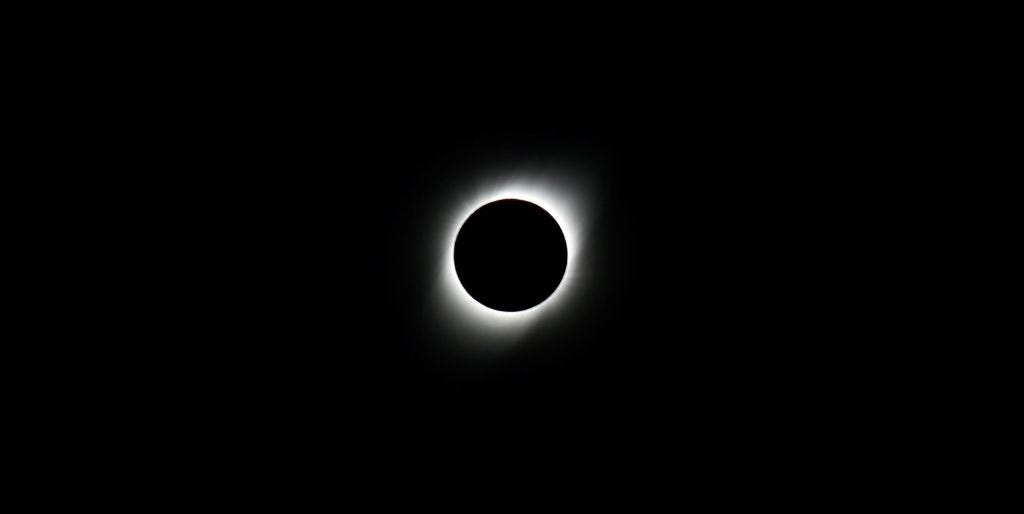
Some calendar events arrive with balloons, cake, and a suspiciously dry grocery-store sheet pan. A solar eclipse arrives with the Moon casually stepping in front of the Sun like it owns the place. The next solar eclipse is one of those sky events worth circling in bold ink, setting phone reminders for, and possibly explaining to your neighbor who still thinks “totality” is a gym membership tier.
The next major solar eclipse is the total solar eclipse on August 12, 2026. It will be visible as a total eclipse from parts of Greenland, Iceland, Spain, Russia, and a small area of Portugal, while a partial eclipse will be visible across a much wider region, including parts of Europe, Africa, North America, and nearby oceans. For anyone searching “next solar eclipse,” that date is the one to know.
But the headline is only the beginning. To understand why the 2026 total solar eclipse matters, where to see it, how to watch it safely, and why people travel across oceans for a few minutes of shadow, let’s break it down without turning this into a physics lecture wearing a lab coat two sizes too large.
When Is the Next Solar Eclipse?
The next solar eclipse is scheduled for August 12, 2026. This will be a total solar eclipse, which means the Moon will completely cover the Sun for viewers standing inside the narrow path of totality. Outside that path, many people will see a partial solar eclipse, where the Moon appears to take a bite out of the Sun.
The path of totality for the August 2026 eclipse crosses some dramatic scenery. Think Arctic landscapes, Icelandic horizons, and northern Spain at sunset. In other words, the universe did not choose boring wallpaper for this event.
Quick Facts About the Next Solar Eclipse
- Date: August 12, 2026
- Type: Total solar eclipse
- Totality visible from: Greenland, Iceland, Spain, parts of Russia, and a small area of Portugal
- Partial eclipse visible from: Much of Europe, parts of North America, northern Africa, and surrounding ocean regions
- Best experience: Inside the path of totality, weather permitting
What Is a Solar Eclipse?
A solar eclipse happens when the Moon passes between Earth and the Sun, blocking some or all of the Sun’s light from our point of view. That sounds simple, but it requires a surprisingly precise cosmic lineup. The Moon has to be in the right phase, at the right place in its orbit, and positioned between Earth and the Sun just so.
Because the Moon’s orbit is tilted compared with Earth’s orbit around the Sun, we do not get a solar eclipse every month. If we did, eclipse glasses would be sold next to toothpaste, and everyone would be much harder to impress.
Total, Partial, Annular, and Hybrid Solar Eclipses
There are several types of solar eclipses, and each one has its own personality.
A total solar eclipse occurs when the Moon completely covers the Sun. This reveals the Sun’s outer atmosphere, called the corona, and creates the famous “day turns into twilight” experience.
A partial solar eclipse happens when only part of the Sun is covered. It can still be fascinating, but it does not produce the full darkness or corona view of totality.
An annular solar eclipse occurs when the Moon is too far from Earth to fully cover the Sun. The result is a bright ring around the Moon, often called the “ring of fire.” Dramatic name, very accurate branding.
A hybrid solar eclipse is rarer and changes appearance along its path, looking total in some places and annular in others.
Where Can You See the Next Solar Eclipse?
The best places to see the August 12, 2026 total solar eclipse will be along the path of totality. That path includes parts of the Arctic, Greenland, Iceland, northern Spain, a portion of Russia, and a small area of Portugal. Viewers outside the path may still see a partial eclipse, but the experience will be very different.
That difference matters. A 99% partial eclipse is not “basically total.” It is more like being outside the stadium during the championship game and saying you were basically on the field. Totality is its own event. The Sun’s bright face disappears, the corona glows, the temperature may dip, shadows sharpen, birds may quiet down, and the whole world briefly feels like someone changed the lighting settings on Earth.
Iceland: A Bucket-List Eclipse Destination
Iceland is one of the most talked-about locations for the 2026 total solar eclipse. Reykjavik and nearby areas are expected to attract travelers, photographers, scientists, and regular people who simply enjoy the idea of the Moon photobombing the Sun. The scenery is a major bonus: volcanic landscapes, ocean views, and that unmistakable Icelandic drama that makes every photo look like the cover of an epic fantasy novel.
Spain: Totality Near Sunset
Northern Spain will also be a prime viewing region. One of the most exciting parts of the 2026 eclipse is that totality occurs near sunset in parts of Spain, which could create a stunning low-Sun eclipse view. The challenge is that low horizons matter. Buildings, mountains, haze, or clouds can all interfere, so viewers should choose locations carefully.
For eclipse chasers, Spain offers a tempting combination: accessible cities, historic towns, food worth writing poetry about, and a celestial event that may turn an ordinary evening into a once-in-a-lifetime memory.
Greenland and the Arctic: Wild, Remote, and Spectacular
Greenland and Arctic locations may offer some of the most dramatic eclipse scenery, but they also require more planning. Travel logistics, weather, terrain, and limited infrastructure make these destinations more challenging. Still, for experienced travelers, the reward could be unforgettable: totality over ice, sea, and open northern sky.
Will the Next Solar Eclipse Be Visible in the United States?
For people in the United States, the August 12, 2026 eclipse is not the same kind of event as the April 8, 2024 total solar eclipse that crossed Mexico, the United States, and Canada. In 2026, the path of totality does not cross the contiguous United States. However, parts of North America may see a partial eclipse, depending on location and local viewing conditions.
If your goal is to experience totality from U.S. territory, keep an eye on future eclipses. Alaska gets a total solar eclipse on March 30, 2033. The next total solar eclipse to touch the contiguous United States comes later, with major attention on 2044 and 2045. Yes, that sounds far away. The sky enjoys making us practice patience.
Why the 2026 Total Solar Eclipse Is Special
The 2026 total solar eclipse is special for several reasons. First, it is the next total solar eclipse after the remote annular eclipse of February 2026. Second, it brings totality to parts of Europe, including Iceland and Spain, making it easier for many travelers to reach than remote ocean or polar eclipses. Third, it gives mainland Europe its first total solar eclipse since 1999.
That makes August 12, 2026 a major date for astronomers, photographers, travel companies, science teachers, and anyone who has ever looked up at the sky and thought, “Okay, that was cooler than my phone screen.”
Totality Is the Main Attraction
The big reason people travel for a solar eclipse is totality. During totality, the Moon blocks the Sun’s bright disk completely. This is the only brief period when viewers in the path of totality can look at the eclipsed Sun without eclipse glasses. Before and after totality, proper eye protection is required.
Totality can feel surprisingly emotional. Some people cheer. Some go quiet. Some forget every camera setting they carefully practiced for six months. The sky darkens, the horizon may glow, stars or planets can appear, and the Sun’s corona becomes visible. It is astronomy, travel, and theater all squeezed into a few unforgettable minutes.
How to Watch the Next Solar Eclipse Safely
Solar eclipse safety is not optional. Looking directly at the Sun without proper protection can cause serious eye injury. Regular sunglasses are not enough, even if they make you look like a movie star avoiding paparazzi. You need proper solar viewing glasses or a handheld solar viewer that complies with the ISO 12312-2 international safety standard.
Use Real Eclipse Glasses
Before the eclipse, buy eclipse glasses from a reputable seller. Make sure they are designed for direct solar viewing and meet the ISO 12312-2 standard. Do not use damaged, scratched, torn, or questionable glasses. If the lenses look cracked or the cardboard is falling apart like it survived a backpack war, retire them.
Be Careful With Cameras, Binoculars, and Telescopes
Never look at the Sun through a camera lens, binoculars, or a telescope while wearing ordinary eclipse glasses. Optical devices concentrate sunlight and require special solar filters mounted correctly on the front of the device. This is one of those rules where “I’ll just peek quickly” is not a good plan.
Try Pinhole Projection
If you do not have eclipse glasses, you can watch the partial phases indirectly with a simple pinhole projector. This projects an image of the Sun onto a surface, letting you see the Moon’s progress without staring at the Sun. It is low-tech, safe, and oddly satisfying. Sometimes the best science tool is a piece of cardboard acting like it went to college.
How to Plan for the Next Solar Eclipse
If you want to see totality in 2026, planning early is wise. Popular eclipse destinations can see hotel prices rise quickly, tours sell out, and transportation options tighten. The sky may be free, but the hotel room with a good view usually is not.
Choose Your Viewing Location Carefully
Start by deciding whether you want convenience, scenery, weather odds, or adventure. Iceland may offer unforgettable landscapes but uncertain weather. Spain may offer easier access and a warmer climate, but the eclipse happens near sunset in many areas, making horizon visibility important. Greenland may be spectacular but logistically demanding.
Look for open western horizons, especially in Spain. Avoid locations where mountains, buildings, trees, or coastal haze could block the low Sun. If possible, scout maps, elevation, roads, and backup viewing spots.
Have a Weather Backup Plan
Clouds are the natural enemy of eclipse plans. They do not care how far you traveled or how many camera batteries you charged. Choose a location where you can move if forecasts look bad. A rental car, flexible lodging, or nearby alternate sites can make the difference between “I saw totality” and “I saw a gray cloud with excellent timing.”
Prepare Your Gear Before Eclipse Day
Bring eclipse glasses, water, snacks, sunscreen, layers, a chair or blanket, and a printed plan in case mobile networks get overloaded. If you are photographing the eclipse, practice before the event. Totality is short, and the Moon does not pause while you search online for “camera settings help urgent.”
What Happens During a Total Solar Eclipse?
A total solar eclipse unfolds in stages. First contact begins when the Moon starts moving across the Sun. Through eclipse glasses, the Sun appears to develop a small notch. Over time, that notch grows larger.
As totality approaches, the light becomes strange. Shadows may look sharper. The air can cool. Animals may behave as though evening has arrived early. People often become quiet, excited, or both. Then, in the final seconds before totality, the last bright points of sunlight may create a sparkling effect around the Moon’s edge.
During totality, the Sun’s corona appears as a glowing halo. This is the moment eclipse chasers dream about. It is brief, intense, and difficult to describe without sounding slightly dramatic. Fortunately, solar eclipses are one of the few topics where sounding dramatic is allowed.
After totality, the Sun returns, eclipse glasses go back on immediately, and the process reverses. The whole event can last a few hours from first contact to last contact, but totality itself lasts only minutes.
Best Ways to Enjoy the Next Solar Eclipse
There is no single perfect way to experience a solar eclipse. Some people photograph it. Some observe quietly. Some attend festivals or science events. Some just stand there with their mouths open, which is a perfectly respectable viewing strategy.
Watch With Friends or Family
A total eclipse is even better when shared. Watching the sky change with other people creates a sense of community. Strangers cheer together. Kids ask excellent questions. Adults pretend they totally remembered how orbital mechanics works.
Put the Camera Down for Totality
If this is your first total solar eclipse, consider taking at least part of totality without a camera. Photos are wonderful, but the real experience is bigger than a screen. Look around. Notice the horizon. Listen to the crowd. Feel the temperature. Let your brain record something no memory card can fully capture.
Learn the Science Before You Go
Understanding the science makes the experience richer. Knowing that the Moon’s shadow is racing across Earth, that the corona is usually hidden by sunlight, and that the alignment is temporary adds depth to the moment. The eclipse becomes more than a pretty sky trick. It becomes a live demonstration of celestial motion.
Common Questions About the Next Solar Eclipse
What is the next solar eclipse?
The next solar eclipse is the total solar eclipse on August 12, 2026.
Where is the best place to see the 2026 solar eclipse?
Some of the best viewing regions are expected to be in Iceland and northern Spain, though weather, horizon visibility, and travel logistics should guide your final choice.
Can I watch the eclipse without glasses?
You need proper eclipse glasses or solar viewers during all partial phases. Only during the brief period of totality, and only if you are inside the path of totality, can you look without eye protection.
Is a partial solar eclipse worth watching?
Yes, a partial solar eclipse is worth watching safely. However, it is not the same experience as totality. If you can reach the path of totality, that is the premium ticket.
Experiences Related to the Next Solar Eclipse
Planning for the next solar eclipse is not just about astronomy. It is about the strange and wonderful human experience of preparing for a few minutes when the sky behaves differently. People book trips years ahead, compare weather charts like sports statistics, and discuss cloud cover with the seriousness normally reserved for medical results and playoff games.
One of the most memorable parts of any total solar eclipse is the atmosphere before it happens. The day begins normally. People eat breakfast, check maps, charge cameras, and put eclipse glasses in pockets. Then, as the Moon begins to cover the Sun, the mood shifts. At first, it is subtle. The light changes, but your brain cannot quite explain it. It is not sunset. It is not storm light. It is something else.
As the eclipse deepens, conversations become shorter. People start looking up more often. A child may point at crescent-shaped shadows under a tree. Someone with a telescope becomes temporarily famous. The crowd begins to understand that this is not just another scenic view. It is a countdown.
For the 2026 solar eclipse, the travel experience may be especially interesting because the path includes such different landscapes. In Iceland, viewers might stand near the ocean, on a hill, or outside Reykjavik with volcanic ground underfoot. In Spain, some may watch from vineyards, old towns, beaches, or open countryside as the Sun drops toward the horizon. In Greenland, the eclipse may feel remote and raw, wrapped in cold air and wide silence.
The emotional peak comes during totality. Even people who know exactly what will happen often react with surprise. The final sliver of Sun disappears, the corona blooms, and the world briefly seems to pause. The horizon may glow in every direction. The temperature may fall. The crowd may cheer, gasp, or go silent. It is common for people to feel that the event is both scientifically understandable and personally overwhelming.
Afterward, the mood is different again. People laugh, compare photos, and ask, “Did you see that?” even though everyone was standing under the same sky. Traffic may be terrible. Food may taste better. The hotel lobby may sound like an astronomy convention accidentally held during vacation season.
The best advice for enjoying the next solar eclipse is simple: prepare carefully, then leave room for wonder. Bring safe viewing gear. Choose a good location. Watch the weather. Practice your camera settings if you plan to shoot photos. But when totality arrives, do not spend the entire moment fighting with a tripod. Look up. Look around. Notice the people near you. Notice how the world changes.
A solar eclipse is not only an event in the sky. It is an event on Earth, shared by everyone standing under the shadow. That is why people chase eclipses across continents. The next solar eclipse is a date on a calendar, yes, but it is also an invitation: step outside, look up safely, and remember that the universe is still very good at surprises.
Conclusion: Why the Next Solar Eclipse Deserves Your Attention
The next solar eclipse on August 12, 2026 is more than a science headline. It is a rare chance to witness one of nature’s most dramatic alignments. Whether you plan to travel to Iceland, Spain, Greenland, or another location along the path of totality, or simply watch a partial eclipse from a broader viewing region, preparation will make the experience safer and more meaningful.
Use proper eclipse glasses, understand the path, check weather forecasts, and choose your viewing spot with care. Most importantly, remember that a total solar eclipse is not just something you see. It is something you feel. For a few minutes, the ordinary sky becomes extraordinary, and everyone underneath it becomes part of the same story.