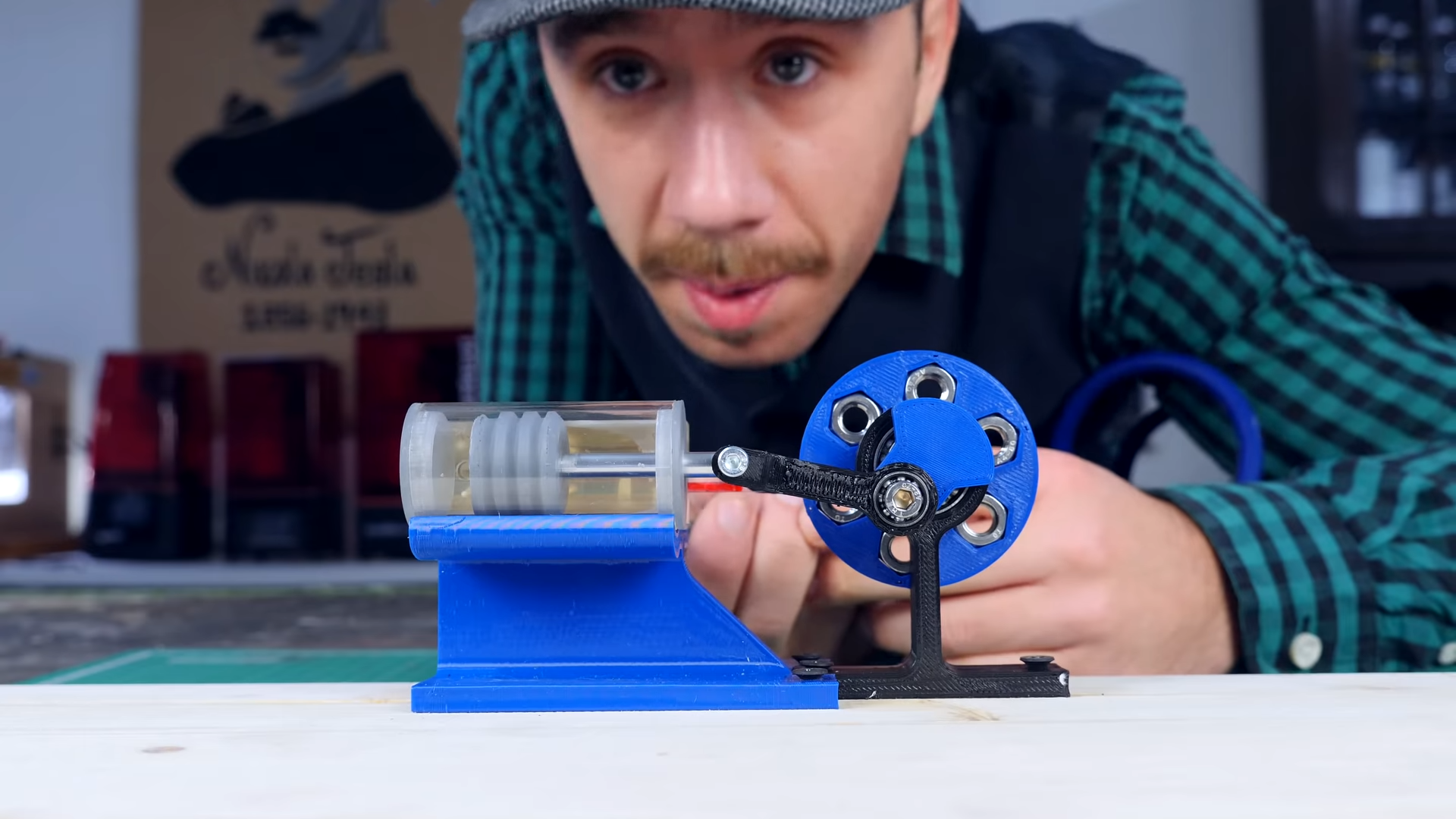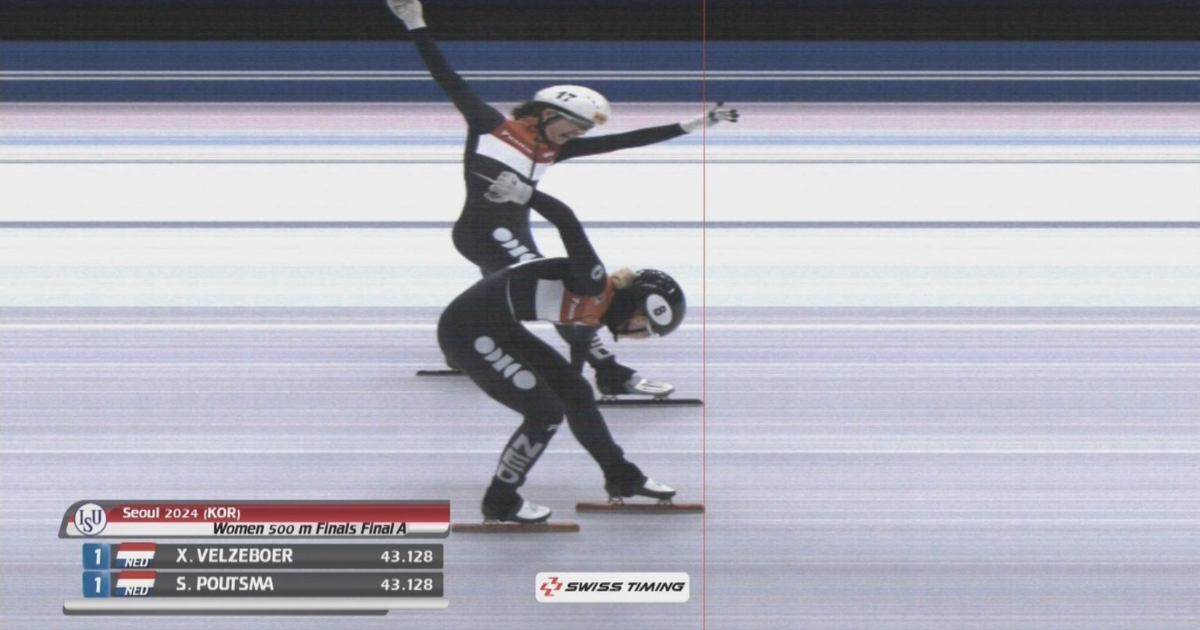
Some photos are nice. Some are technically impressive. And then there are the images that make you stop mid-scroll, squint suspiciously, and mutter, “Nope. Absolutely not. That cannot be real.” Those are the photos this article is about: the gloriously bizarre, blink-and-you’ll-miss-it, what-are-the-chances moments that feel more like visual plot twists than ordinary pictures.
That is exactly why collections built around extremely rare situations caught on camera never seem to run out of steam. A well-timed shot of a strange weather event, an elusive animal striking a movie-star pose, or an optical illusion created by nothing more than light, angle, and shameless luck can hit the internet like caffeine in picture form. People love them because they compress surprise, beauty, and improbability into a single frame.
And here is the delicious part: many of these images are not just weird. They are grounded in real science, real photography, and real once-in-a-lifetime timing. Rare red sprites above thunderstorms, gigantic jets reaching upward into the upper atmosphere, moonbows, circumhorizon arcs, unusual bird plumage, camera-trap wildlife encounters, and perfect reflections that make the natural world look Photoshopped all prove the same thing. Reality has better writers than the rest of us.
So if the title “Never Tell Me The Odds”: 52 Times People Caught Extremely Rare Situations On Camera sounds dramatic, that is because the subject deserves it. These are the kinds of moments that make photographers patient, viewers obsessed, and everyone else wonder whether the universe occasionally enjoys showing off.
Why Rare Photos Hit So Hard
There is a reason these images feel bigger than ordinary snapshots. Psychologists describe awe as an emotion triggered by vastness and a “need for accommodation,” which is the fancy way of saying your brain has to rearrange the furniture because what it just saw does not fit neatly into the usual mental boxes. In plainer English, your brain says, “Well, that is new.”
Rare photographs do this beautifully. A sudden atmospheric flash over a thunderstorm. A lynx stretching on a ridge like it booked its own lighting team. A cardinal whose plumage looks as if two birds were stitched together by a very confident costume designer. These images knock us off autopilot. They feel memorable because they are unfamiliar, and unfamiliarity tends to grab attention like it is getting paid commission.
There is another reason these pictures spread so quickly: humans are excellent pattern hunters. We are wired to search for meaning, symmetry, coincidence, and visual punch lines. That can be wonderful when a photo really does capture a rare natural event. It can also make us overly eager to assign cosmic significance to random timing. In other words, sometimes the universe is profound, and sometimes it is just unintentionally hilarious.
What Usually Shows Up In A Gallery Of 52 Rare Situations?
A title like this promises variety, and that is the fun of it. The best rare moments caught on camera compilations do not rely on one kind of miracle. They mix natural phenomena, wildlife timing, freak perspective, and improbable coincidences into one very satisfying buffet of visual chaos.
1. Sky Events That Look Like Science Fiction
The atmosphere is an overachiever. Some of the most jaw-dropping rare images come from the sky doing things that sound made up. Red sprites are a perfect example. These luminous red flashes appear high above thunderstorms, often for only a fraction of a second, which helps explain why so many people have never seen one and would probably accuse the photo of being fake. NASA astronauts have photographed sprites from the International Space Station, and scientists describe them as transient luminous events associated with powerful lightning.
Then there are gigantic jets, which are even more outrageous. Instead of lightning simply reaching downward, these electrical discharges shoot upward from the top of a thunderstorm toward the upper atmosphere. Yes, lightning can apparently decide to go the wrong way just to keep everybody humble.
Rare optics also earn a starring role in any odds-defying photo roundup. Sundogs, circumhorizon arcs, and moonbows all depend on very specific conditions involving light, moisture, and ice crystals. They are real, scientifically understood, and still so strange-looking that they seem custom-built to make comment sections melt down.
2. Wildlife Photos That Feel Staged By Nature
Animal photography produces some of the most unforgettable “never tell me the odds” moments, partly because wildlife does not care about your schedule, your battery percentage, or your emotional well-being. It shows up when it wants, vanishes when it wants, and occasionally rewards months of waiting with one frame that looks too perfect to exist.
Modern camera traps have transformed this category. National Geographic has highlighted how remote systems triggered by motion or infrared beams can capture intimate wide-angle views of animals without disturbing them. That matters because some creatures are elusive, nocturnal, cautious, or simply not interested in posing for strangers.
That is how photographers have captured images of prowling wild cats, stretching lynx, curious snow leopards, and other blink-and-you-miss-it encounters that humans would almost never witness up close in person. One wildlife competition covered by Smithsonian magazine featured photographs that revealed moments playing out far from public view, including predator behavior, hidden movement, and split-second action that would be nearly impossible to observe in real time.
These shots work because they are not just rare animals. They are rare animals doing something visually perfect at the exact moment the camera is ready. That is not luck alone. That is patience shaking hands with luck and then both of them refusing to take credit.
3. Nature’s Visual Pranks
Some of the best rare images do not depend on a rare species or a dramatic storm. They depend on the world lining things up in a way that tricks your eyes. Reflections, shadows, perspective, and symmetry can turn an ordinary scene into a frame that looks impossible.
A great recent example is the image of a rare leucistic green sea turtle whose reflection made it appear as if two turtles were swimming back-to-back. The underlying explanation is perfectly normal. The visual result is delightfully not.
That is the secret sauce of a strong collection of extremely rare situations on camera. The photo does not need explosions. It just needs one moment where reality accidentally creates visual theater. A bird aligned with a branch so it looks like it has antlers. A cloud positioned like a speech bubble. A splash frozen in the shape of a crown. A shadow that makes a pet look like a mythical beast. The ordinary becomes weird for one second, and the shutter happens to be there when it counts.
4. Unusual Biology And One-In-A-Million Traits
Sometimes rarity lives in the subject itself. Audubon has discussed unusual cardinal plumage, including the famous half-male, half-female look that stunned bird lovers and made the internet collectively ask whether nature had entered its experimental fashion phase. These cases are captivating because they are biologically unusual and visually unmistakable.
Photographs of uncommon coloration, rare mutations, and unusual anatomy tend to go viral because they offer instant contrast. Your brain recognizes the familiar thing, then immediately notices the part that does not belong. That tension is irresistible. It is the visual equivalent of hearing a familiar song suddenly switch keys halfway through.
In a gallery of 52 rare situations, images like these add a layer of genuine scientific curiosity. They are not merely odd; they are reminders that nature has more variation, improvisation, and surprise than our everyday routines usually reveal.
5. Perfect Timing Beats Expensive Gear
A lot of people assume the best rare photos come from the fanciest camera money can buy. Nice gear helps, of course, but timing is the real celebrity here. A rare shot often depends less on owning an elite setup and more on standing in the right place, facing the right direction, with enough stubbornness to keep trying after the ninety-seventh disappointing frame.
That is part of what makes these images so lovable. They feel democratic. Yes, some come from professionals with custom rigs, months of planning, and technical brilliance. Others happen because somebody had a phone in hand when the sky exploded into color or when an ordinary scene briefly turned surreal.
The camera does not create the miracle. It witnesses it. That distinction matters. The best “caught on camera” stories still depend on a real-world event happening first. Photography is the referee, not the magician.
Why These 52 Rare Moments Feel So Shareable
Images built around improbability have a powerful social advantage: they are instantly discussable. You do not need expert knowledge to react to them. You only need functioning eyeballs and a healthy appreciation for nonsense. A rare photo gives people several pleasures at once. First comes shock. Then curiosity. Then the extremely modern ritual of zooming in and pretending you are a forensic analyst.
That sequence is catnip for online culture. Viewers want to know whether the image is real, what caused it, how rare the event actually is, and whether they are looking at luck, planning, science, or all three. The strongest photos invite both emotion and explanation. They are entertaining first, informative second, and memorable because they successfully pull off both jobs.
That is why a title like this one works so well for readers and search engines alike. It promises visual surprise, but it also hints at stories behind the frames. Readers do not just want to see the oddity. They want the satisfying follow-up: what on earth was that?
The Real Secret Behind “Never Tell Me The Odds” Images
If there is one big theme running through these rare photographs, it is that luck usually gets all the attention while preparation quietly does the heavy lifting. Wildlife photographers wait for months. Storm chasers study conditions. Night-sky photographers learn timing, geography, and patience the hard way. Scientists point cameras at phenomena that might never appear. Then, every once in a while, the universe decides to cooperate.
And yet pure chance still matters. Some of the most famous rare captures happened because a camera was pointed in the right direction at the right second. Even scientists studying sprites have acknowledged that early breakthroughs depended on accidental captures. That tension between planning and randomness is part of the appeal. These images reassure us that the world is not fully predictable. It still has the ability to improvise.
Frankly, that is comforting. In an age when so much content feels manufactured, a truly strange real-life image still has the power to cut through the noise. It reminds us that authenticity can still be surprising, and surprise is still fun.
Experiences Related To Rare Moments Caught On Camera
What makes these rare-camera moments so relatable is that most people have experienced a tiny version of them, even if they have never photographed a red sprite from orbit or a snow leopard from a remote mountain trail. Maybe you once looked out the window and saw the sky turn a color that made the neighborhood feel fake. Maybe you noticed a rainbow where no rainbow seemed possible, or caught your dog mid-yawn in a way that made it look like a tiny opera singer having a breakdown.
Those small experiences matter because they explain why this topic feels personal. Rare photos are not just about the image itself. They are about the emotional jolt of being present when something unusual happens. The first feeling is usually disbelief. The second is urgency. The third is a panicked search for your phone, which somehow becomes harder to locate precisely when reality is being extra photogenic.
Anyone who has ever tried to photograph something extraordinary knows the comedy involved. You see a perfect cloud formation, a weird reflection in a puddle, or a bird doing something suspiciously theatrical. You raise your phone. The light changes. The animal leaves. The cloud dissolves. The puddle becomes just a puddle again. Reality often behaves like a magician who hates repeat performances.
That is what makes successful rare captures so satisfying. They freeze the version of the moment most of us fail to keep. They preserve the weird alignment before it falls apart. They hold onto the evidence. Without the photo, the story can sound exaggerated. With the photo, the story becomes irresistible.
There is also a communal side to these experiences. People love sharing rare images because they recreate the feeling of pointing and saying, “Are you seeing this too?” A photo of a moonbow, a strange halo around the sun, or an animal appearing in an impossible position lets other people participate in the astonishment. It turns a private shock into a public one.
And sometimes the experience is not even majestic. Sometimes it is funny. A gull appears to wear a traffic sign like a hat. A reflection turns a parked car into a spaceship. Two unrelated objects line up in the frame and suddenly create a visual joke no human could have designed better. These moments remind us that rarity is not always solemn. Sometimes it is just wonderfully dumb in the most lovable way.
In that sense, “never tell me the odds” photography is really about attention. The people who catch these moments are often the ones who slow down long enough to notice them. They look twice. They keep their cameras ready. They trust that the world is capable of delivering one strange little miracle before lunch. And occasionally, against all statistical dignity, it does.
Conclusion
“Never Tell Me The Odds”: 52 Times People Caught Extremely Rare Situations On Camera is the kind of title that works because the world keeps earning it. From upper-atmosphere lightning and rare optical phenomena to elusive wildlife and accidental visual illusions, these images prove that real life can still outdo fiction in a single frame.
That is why rare situations caught on camera remain one of the internet’s most satisfying genres. They deliver surprise without needing explanation first, then reward curiosity once you lean in. They are funny, stunning, scientific, chaotic, and sometimes weirdly moving. Above all, they remind us that the planet is still capable of doing something improbable while someone, somewhere, happens to be ready with a camera.
And honestly, bless those people. Without them, half the internet would just be screenshots of group chats and badly lit lunches.