Somewhere between the second cup of coffee and the moment your eyelids begin holding a private staff meeting, the idea of a nap starts looking less like laziness and more like advanced human engineering. Napping has a funny reputation: toddlers are required to do it, cats have turned it into a full-time profession, and adults often pretend they are “just resting their eyes” as if the couch has legal surveillance.
But here is the good news: a well-timed nap can be a smart, healthy way to recharge. It may improve alertness, mood, memory, reaction time, and even creativity. The trick is knowing how to nap without accidentally turning a 20-minute refresh into a three-hour time-travel event that ends with confusion, pillow marks, and a suspicious craving for pancakes.
This guide breaks down the real benefits of napping, the possible drawbacks, and practical nap tips that help you wake up refreshed instead of wondering what century it is. Whether you are a busy student, parent, shift worker, office warrior, athlete, or human being with a battery that occasionally hits 12%, napping can be useful when done with intention.
What Is Napping?
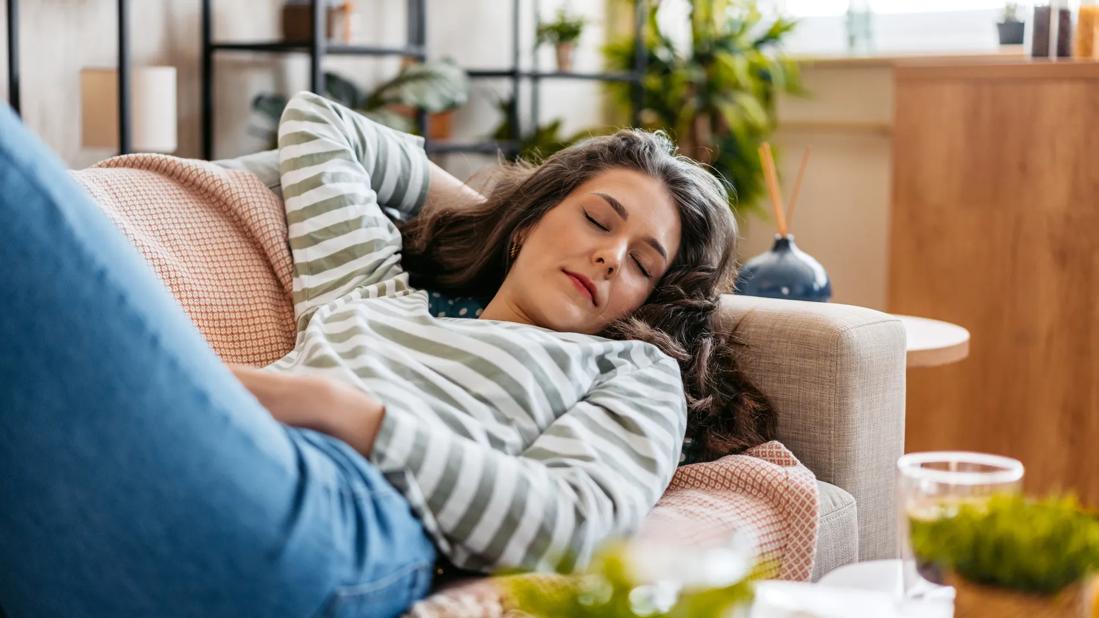
Napping is a short period of sleep taken outside the main nighttime sleep schedule, usually during the day. For most people, the best nap is brief, intentional, and timed so it supports energy rather than stealing sleep from the night. Think of it as a small software update for the brain, not a full system shutdown.
Naps can be planned or accidental. A planned nap is when you decide in advance to rest, perhaps before a long work shift, study session, evening event, or drive. An accidental nap happens when your body files an official complaint and you fall asleep while reading the same sentence six times. Both tell you something about your energy level, but planned naps are usually healthier and easier to control.
Benefits of Napping
1. Napping Can Improve Alertness
One of the biggest benefits of napping is improved alertness. A short nap can help reduce daytime sleepiness and make it easier to focus on tasks that require attention. This is why strategic naps are often discussed for people who work long hours, irregular schedules, or mentally demanding jobs.
A 20-minute power nap can be especially helpful during the classic afternoon slump, when lunch is behind you, dinner is far away, and your brain starts buffering like an old video player. Instead of forcing yourself through the fog, a short nap may help you return with better focus and fewer spelling mistakes in emails that begin with “Per my last nap.”
2. Naps May Support Memory and Learning
Sleep plays an important role in memory consolidation, which is the process of helping the brain organize and store information. A nap after learning something new may help reinforce what you studied, practiced, or experienced earlier in the day.
This does not mean you can nap through an entire textbook and wake up fluent in organic chemistry. Sadly, the brain still expects you to do the work. However, if you study, practice, or train first, a short nap may help your mind process that information more efficiently. Students, musicians, language learners, and anyone training a new skill may benefit from pairing focused practice with proper rest.
3. Napping Can Boost Mood
Being tired can turn small problems into dramatic courtroom cases. A missing sock becomes betrayal. A slow Wi-Fi signal becomes a personal attack. A short nap can help improve mood by reducing irritability and giving the nervous system a chance to settle.
After a good nap, many people feel calmer, more patient, and less likely to respond to ordinary inconveniences as though they were written by a villain. This emotional reset can be especially useful on stressful days, during busy work periods, or after poor sleep the night before.
4. Naps May Improve Performance
Short naps can support reaction time, decision-making, and mental performance. This matters not only for office productivity but also for activities like studying, caregiving, creative work, and physical training. When the brain is tired, it becomes slower and less accurate. A nap can help restore some of that lost sharpness.
For people who do shift work or must stay alert during unusual hours, napping can be especially practical. A carefully timed nap before a night shift or during a scheduled break may help reduce fatigue. It is not a perfect replacement for regular nighttime sleep, but it can be a useful tool when life refuses to follow a neat bedtime schedule.
5. Napping Can Be Better Than Overusing Caffeine
Coffee has its place. For many people, it is less of a beverage and more of a morning personality installation. Still, caffeine is not sleep. It can temporarily block sleepiness, but it does not give the brain the same restorative benefits as actual rest.
A short nap may be a healthier solution than leaning on repeated energy drinks or late-day coffee. Too much caffeine, especially later in the day, can make it harder to sleep at night, which creates a loop: poor sleep, more caffeine, more poor sleep, and eventually a person who can hear colors. A nap used wisely can break that cycle rather than feed it.
Drawbacks of Napping
1. Sleep Inertia: The Groggy Nap Hangover
The most common drawback of napping is sleep inertia. This is the groggy, heavy, confused feeling that can happen after waking up, especially from a longer nap or deep sleep. It is the reason someone can wake from a nap and stare at a lamp like it owes them money.
Sleep inertia usually fades, but it can temporarily affect focus, reaction time, and decision-making. That is why short naps are often recommended. When you nap for 10 to 30 minutes, you are less likely to enter deep sleep, making it easier to wake up refreshed.
2. Long Naps May Disrupt Nighttime Sleep
Napping too long or too late in the day can reduce your sleep drive at night. Sleep drive is the body’s natural pressure to sleep that builds the longer you are awake. If you spend two hours napping at 5 p.m., your brain may decide bedtime is optional and start auditioning thoughts at midnight.
For people with insomnia or trouble staying asleep, naps can sometimes make nighttime sleep worse. This does not mean every nap is bad, but it does mean timing and length matter. If you already struggle with sleep, keep naps short and early, or talk with a healthcare professional for personalized guidance.
3. Frequent Napping May Signal Poor Sleep Quality
Needing an occasional nap is normal. Needing a nap every day just to function may be a clue that something else is going on. Poor sleep habits, stress, sleep apnea, medication effects, depression, chronic pain, or other health concerns can all cause daytime sleepiness.
If you wake up tired after a full night in bed, fall asleep unintentionally during the day, or feel unable to stay alert during normal activities, it is worth paying attention. A nap can help symptoms temporarily, but it should not be used to ignore a deeper sleep or health issue.
4. Longer Naps Are Not Always Better
A 90-minute nap may allow some people to complete a full sleep cycle, but longer naps can also backfire. They may leave you groggy, interfere with nighttime sleep, or turn into a habit that masks poor sleep at night. For most healthy adults, a short power nap is more reliable than a long daytime sleep session.
Long naps can be useful in special situations, such as recovering from major sleep loss, preparing for a night shift, or dealing with illness. But for everyday energy management, shorter is usually smarter. A nap should be a snack, not a seven-course sleep buffet.
How Long Should a Nap Be?
The ideal nap length depends on your goal, schedule, and sleep needs. However, most adults do best with short naps of about 10 to 30 minutes. This range is long enough to reduce sleepiness but short enough to avoid deep sleep and heavy grogginess.
10 to 20 Minutes: The Classic Power Nap
A 10- to 20-minute nap is ideal when you want a quick refresh. It can improve alertness and mood without taking much time. This is a great option during lunch breaks, study breaks, or before an evening activity.
20 to 30 Minutes: The Practical Sweet Spot
A 20- to 30-minute nap gives your body a little more rest while still reducing the risk of sleep inertia. Many sleep experts recommend this range for healthy adults. Set an alarm, keep it simple, and resist the dramatic temptation to “just add five more minutes,” which is how naps become documentaries.
60 Minutes: Useful but Risky
A 60-minute nap may support some memory processing, but it also increases the chance of waking during deeper sleep. That means more grogginess. If you need to be sharp immediately afterward, this may not be the best choice.
90 Minutes: A Full Sleep Cycle
A 90-minute nap may allow the body to move through a fuller sleep cycle, including lighter sleep, deep sleep, and dream sleep. Some people wake from this feeling refreshed. Others wake up wondering why their phone has 17 notifications and whether breakfast happened. Use longer naps carefully and avoid taking them too late in the day.
Best Time of Day to Nap
For most people, the best time to nap is early afternoon, often between 1 p.m. and 3 p.m. This timing works with the body’s natural circadian rhythm, which commonly includes a small dip in alertness after lunch. It is also early enough that it is less likely to interfere with bedtime.
Avoid late-afternoon or evening naps unless your schedule requires it, such as with night-shift work. If you nap too close to bedtime, your body may not feel ready for sleep later. Then you end up wide awake at 12:43 a.m. researching whether penguins have knees. They do, but that is not the point.
How to Take a Better Nap
Create a Nap-Friendly Environment
Choose a quiet, comfortable place where you can relax. A cool room, dim lighting, and limited noise can help. If you cannot control the environment, try an eye mask, earplugs, or soft background sound. The goal is not luxury; it is simply reducing distractions long enough for your brain to power down.
Set an Alarm
An alarm protects your nap from becoming a surprise hibernation. Set it for 20 to 30 minutes, or slightly longer if you know it takes you time to fall asleep. Place the alarm far enough away that you have to move to turn it off. This prevents the dangerous “snooze button negotiation,” a legal process no one ever wins.
Try a Pre-Nap Routine
Your body responds well to signals. A simple routine can train your brain to settle faster. Try closing the curtains, silencing notifications, taking a few slow breaths, and lying down in the same spot each time. Over time, these cues can make napping easier.
Keep Naps Consistent but Not Compulsory
If napping helps you, a consistent nap schedule can be useful. But do not force it. Some people wake up refreshed after naps; others wake up feeling like a damp newspaper. If naps make you groggy or disrupt your sleep at night, they may not be the right tool for you.
Use Naps to Support Night Sleep, Not Replace It
A nap should not become a substitute for healthy nighttime sleep. Most adults need at least seven hours of quality sleep on a regular basis. If your nights are too short, a nap can help temporarily, but the bigger goal should be improving your regular sleep schedule.
Who Benefits Most from Napping?
Napping can help many people, but it is especially useful for certain groups. Shift workers may use naps to manage fatigue before or during unusual work hours. Parents of young children may nap when nighttime sleep is interrupted. Students may benefit from short naps during intense study periods. Older adults may find that naps help compensate for lighter nighttime sleep.
Travelers dealing with schedule changes may also use naps carefully to manage fatigue. Athletes can use short naps to support recovery and performance. Creative workers may find that a brief rest helps ideas connect in new ways. Of course, not every nap produces a masterpiece. Sometimes it simply produces a less cranky person, which is also a public service.
When Should You Avoid Napping?
You may want to avoid or limit naps if they regularly make it hard to fall asleep at night, if you wake up feeling worse, or if naps become very long and frequent. People with insomnia should be especially careful because daytime sleep can reduce sleep pressure at night.
You should also pay attention if your need for naps suddenly increases. Occasional tiredness is normal, especially after a late night or stressful week. But persistent daytime sleepiness can be a sign of poor sleep quality or an underlying health issue. In that case, tracking your sleep habits and speaking with a healthcare professional can be more helpful than simply adding more naps.
Smart Napping Tips for Real Life
- Keep it short: Aim for 10 to 30 minutes for a refreshing power nap.
- Nap early: Early afternoon is usually better than late afternoon or evening.
- Use an alarm: Protect your schedule and reduce grogginess.
- Make the room comfortable: Cool, dark, and quiet works best for many people.
- Avoid guilt: A smart nap is not laziness; it is recovery with a timer.
- Watch your patterns: If you need long naps daily, look at your nighttime sleep.
- Wake up gently: Drink water, stretch, and get light exposure after waking.
Common Napping Mistakes
Mistake 1: Napping Too Late
A late nap can steal sleep from bedtime. If your bedtime is around 10 or 11 p.m., a nap after 4 p.m. may make it harder to fall asleep. Keep naps earlier whenever possible.
Mistake 2: Turning a Nap Into a Sleep Marathon
A nap that lasts two or three hours can leave you groggy and disrupt your night. Unless you are recovering from serious sleep loss or illness, keep daytime sleep short.
Mistake 3: Napping in a Stressful Place
If your nap spot is noisy, bright, or full of interruptions, you may wake up more irritated than rested. Even a short nap works better in a calm environment.
Mistake 4: Ignoring Nighttime Sleep
If you constantly rely on naps because you sleep poorly at night, the nap is not the main issue. Improve your bedtime routine, reduce late caffeine, manage screen time, and keep a regular sleep schedule.
Personal Experiences and Real-Life Nap Lessons
Napping sounds simple until real life gets involved. In theory, a nap is just lying down for a short rest. In practice, it is a delicate negotiation between your calendar, your phone, your neighbor’s lawn equipment, and your brain suddenly deciding to replay every awkward conversation since 2017.
One common experience is the “accidental couch nap.” You sit down for five minutes after lunch, maybe with a book or a show playing in the background. The next thing you know, the room is darker, your neck has formed a new angle, and the episode you were watching has advanced three seasons. This kind of nap can feel amazing in the moment but confusing afterward. It teaches an important lesson: intentional naps are usually better than surprise naps. When you set an alarm and choose a nap length, you wake with more control and less time-travel panic.
Another relatable experience is the “study nap.” Many students push through tiredness because they believe more time awake equals more learning. But after a certain point, tired studying becomes performance art. You highlight everything. You remember nothing. A short nap after a focused study session can be more useful than staring at notes while your brain quietly leaves the building. The best method is to study actively first, nap briefly, then review afterward. That turns rest into part of the learning process instead of an escape from it.
Parents and caregivers often have a different relationship with naps. For them, napping may not be a luxury; it may be survival. When nighttime sleep is broken into tiny pieces, a short daytime rest can help restore patience and emotional balance. Even 20 minutes can make the difference between calmly handling a spilled drink and reacting like the kitchen has betrayed the family honor. The key is to take the opportunity when it appears, because quiet moments in a busy home have the life span of a soap bubble.
Office workers often discover that the afternoon slump is real. It usually arrives after lunch, sits heavily on the shoulders, and whispers, “What if we simply stopped being productive?” A short nap during a break, if the workplace allows it, can be more effective than pretending to work while rereading the same email. Not every office has a nap room, of course. In that case, a quiet car, a reclining chair, or even a short eyes-closed rest period can help. The point is not perfection; it is giving the brain a short pause.
Some people learn that naps are not for them. They wake up groggy no matter what they do, or they find that even short naps interfere with nighttime sleep. That is not failure. Sleep is personal. For these people, a brisk walk, sunlight, hydration, stretching, or a screen break may work better than a nap. The best nap habit is one that improves your day without damaging your night.
The biggest lesson from real-life napping is this: a nap should serve your schedule, not hijack it. When used wisely, it can be a small but powerful reset. When used randomly, it can turn into a mystery novel titled “Where Did My Afternoon Go?” Respect the timer, choose the right time of day, and treat napping as a tool. Your future, more-alert self will probably thank you.
Conclusion
Napping can be a healthy and effective way to improve alertness, mood, memory, and performance. The best naps are usually short, planned, and taken earlier in the day. For most adults, 10 to 30 minutes is enough to feel refreshed without falling into deep sleep and waking up groggy.
At the same time, naps are not magic. They cannot fully replace consistent nighttime sleep, and long or late naps may cause problems. If you constantly need naps to function, your body may be asking for better sleep, less stress, or medical attention.
Used wisely, a nap is not laziness. It is a practical recovery strategy. In a world that often praises running on empty, choosing a short rest may be one of the smartest energy decisions you can make. Plus, it is free, portable, and much less dramatic than arguing with your third cup of coffee.