If your kitchen drawer is full of single-purpose gadgets that only come out twice a year and then lounge around like retired aristocrats, Karin Carlander’s textiles may feel like a refreshing intervention. The Danish weaver and textile artist has built a design language around something deceptively simple: practical linens that are beautiful enough to live in plain sight and versatile enough to do more than one job. In other words, these are not fussy “special occasion” textiles that panic at the sight of soup. They are working fabrics with manners.
Carlander’s approach to multifunctional linens stands out because it combines craft, restraint, and usefulness without turning the home into a museum or a lab. Her collection, TEXTILE No., is rooted in three ideas that sound modest but carry a lot of design muscle: sustainability, multifunctionality, and a mix-and-match color palette. The result is a body of work that feels very Scandinavian in the best sensequiet, thoughtful, and deeply committed to making everyday life look better without shouting about it.
For homeowners, stylists, and design lovers, that matters. We are living in an era where many people want fewer things, better things, and things that can earn their keep. Linen, especially high-quality linen, is uniquely suited to that mission. It is absorbent, breathable, quick-drying, durable, and more attractive as it ages. It wrinkles, yesbut in the same way a handsome leather chair gets patina or a cast-iron pan gets seasoning. The wrinkles are not a flaw. They are the fabric’s way of saying, “I have a life.”
Who Is Karin Carlander?
Karin Carlander is a Danish contemporary weaver and textile artist whose work reinterprets traditional Nordic crafts for modern daily use. She trained as a textile designer with a focus on weaving, later established her own studio, and has spent decades developing handwoven works as well as textile designs for wider production. Her design philosophy is grounded in the belief that functional objects used in ordinary domestic routines should also hold artistic value. That belief is the engine behind her linens: they are meant to be handled, washed, folded, draped, carried, and lived withnot merely admired from a respectful distance.
There is also an international layer to her work that gives it extra texture. Carlander’s background includes an early apprenticeship in weaving in Provence and a period of study in Japan, influences that help explain why her textiles feel both rooted and refined. The Nordic commitment to utility is there, but so is a sensitivity to rhythm, material honesty, and quiet detail. She develops designs on old wooden handlooms before translating them into broader production, which helps preserve the intelligence of handwork even when the final textile is machine woven.
What Makes These Linens “Multifunctional”?
Let’s start with the idea that made many design editors fall in love with Carlander’s work in the first place: a kitchen textile does not need to be trapped in one identity crisis forever. An apron can become a bread bag. A tea towel can work as a colander. A placemat can wrap food or protect a surface. A cloth napkin can move from table setting to packed lunch companion without filing paperwork first.
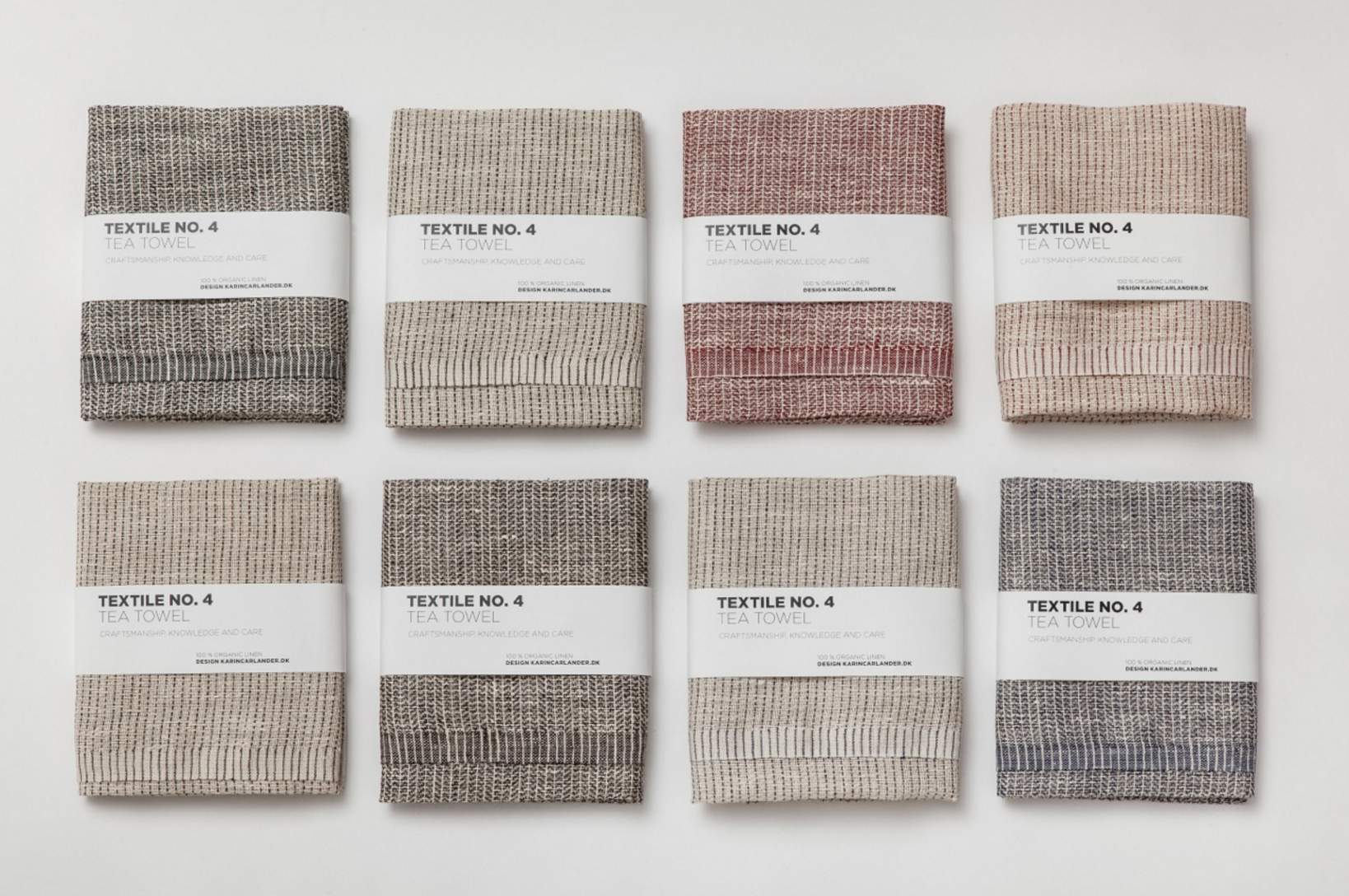
This is not gimmicky “look, it’s also a hat!” multifunctionality. It is smarter than that. Carlander’s textiles are designed around size, absorbency, flexibility, and durability, so their alternate uses feel natural. The neutral naming system in TEXTILE No. reinforces this idea. Instead of giving each textile a rigid role, the pieces are organized by number and size. A No. 4, for example, refers to a specific dimension often used as a tea towel. But the numbering encourages people to decide for themselves how the textile fits into daily life. That little shift is clever. It hands creative authority back to the user.
In practical terms, multifunctionality is also a sustainability strategy. One beautiful, durable linen that can serve several purposes may replace a handful of lower-quality items. That does not just reduce clutter. It changes how people buy, store, and value household goods. The home becomes less stuffed and more intentional. Your drawer gets calmer. Your countertop gets prettier. Your future self, looking for a cloth that actually works, says thank you.
Why Linen Is the Right Material for the Job
Carlander’s focus on linen is not just aesthetic; it is material logic. Linen comes from flax, and it has a long history as one of the world’s most respected fibers. It is highly absorbent, breathable, and quick to release moisture into the air, which makes it especially useful in kitchens, bathrooms, and anywhere fabrics are expected to do real work. It can hold moisture without immediately feeling soggy, which is one reason linen towels and cloths have such a loyal following among cooks, bakers, and people who have ever tried to dry glassware with a sad, limp towel that merely smears disappointment around the room.
Linen is also durablefamously so. It softens with washing and use, and good linen can last for years, even decades, when cared for properly. That long life is part of what makes Carlander’s work compelling in a throwaway market. Instead of designing for quick replacement, she designs for repeated use and gradual affection. The textile you buy today is meant to become better tomorrow.
There is an environmental argument here as well. Carlander’s official materials emphasize that her TEXTILE No. linens are made from 100% European linen spun from naturally grown flax, with production carried out within Europe. The brand highlights the fiber’s biodegradability, the fact that flax in the relevant growing regions is watered by rainfall, and the way linen’s long lifespan helps reduce waste. Whether a shopper approaches sustainability from a strict eco perspective or simply from a “please let me buy fewer junky things” perspective, the appeal is easy to understand.
The Beauty of Everyday Use
One of the strongest ideas behind Carlander’s linens is that beauty should not be reserved for rare occasions. In many homes, the “nice” textiles are hidden away for guests, while the everyday cloths are treated like anonymous laborers. Carlander flips that hierarchy. Her work suggests that the textiles involved in ordinary chores deserve design attention precisely because they are touched so often.
That philosophy lands especially well in contemporary interiors, where people increasingly want homes that feel edited rather than overdecorated. Linen supports that mood beautifully. It has texture without fuss, presence without heaviness, and softness without looking overly precious. It fits rustic kitchens, minimal apartments, old houses, and modern open shelving with equal confidence. It can feel elegant beside ceramics and wood, or relaxed next to enamelware and utilitarian metal. In short, it is one of those rare design materials that knows how to behave at every party.
Carlander’s palette and woven details strengthen that versatility. The collection’s designs, including Sashiko, Zigzag, and Yinyang, reference craft traditions while remaining restrained enough for modern homes. Woven selvedges, subtle patterning, and balanced color combinations create interest without making the textiles visually noisy. They are decorative, but never bossy.
How the Collection Fits Into Modern Living
In the Kitchen
This is where multifunctional linens really shine. A well-made linen towel can dry hands, polish glass, cover rising dough, line a bread basket, wrap warm rolls, protect produce, and serve as a handsome backdrop for a casual table setting. Because linen is absorbent and quick-drying, it performs better than many bulky towels that seem determined to remain wet until the end of time.
At the Table
Carlander’s placemats and napkins fit the modern preference for relaxed dining. They can look elegant without feeling formal, which is harder to achieve than Instagram makes it seem. The same textile can move from weekday lunch to weekend dinner, from tabletop layer to wrap for bread or fruit. That flexibility makes entertaining easier and daily meals more attractive without extra effort.
In Storage and Travel
Flatwoven linen takes up less space than thicker textiles, which makes it useful in compact homes and for people who value efficient storage. It also travels well. A good linen cloth can function as a wrap, a pouch, a picnic textile, or a protective layer in a bag. Multifunctionality becomes especially meaningful when space is limited and every item needs a reason to exist.
How to Care for Multifunctional Linen Properly
The good news is that linen rewards sensible care rather than drama. Gentle washing in cold or lukewarm water with mild detergent is generally recommended. Bleach and harsh brighteners are best avoided, and fabric softener is unnecessary because linen softens naturally over time. Carlander’s care guidance also recommends line drying and avoiding tumble drying when possible, since excessive heat can weaken fibers. Ironing while damp can restore crispness, but many people prefer the relaxed, rumpled finish that makes linen look like linen instead of a fabric pretending to be cardboard.
For household use, that means the textiles do not demand aristocratic treatment. They ask for respect, not ceremony. Wash them thoughtfully, dry them gently, and use them often. Linen that sits untouched in a drawer is like a bicycle hung on a wall forever: still admirable, but missing the point.
Why Karin Carlander’s Linens Matter Now
Carlander’s work feels especially relevant because it answers several modern needs at once. People want homes that are less wasteful, less cluttered, and more tactile. They want objects that age well. They want design that feels human, not synthetic. They want materials that support both routine and ritual. Multifunctional linen does all of that quietly.
What makes her textiles memorable is not that they are flashy. It is that they are intelligent. They treat domestic life as worthy of design thinking. They honor craft without becoming nostalgic cosplay. They deliver usefulness without sacrificing beauty. And they suggest a model of luxury that is not based on excess, but on quality, longevity, and sensory pleasure.
That may be the real charm of multifunctional linens from Karin Carlander. They make the ordinary feel a little more intentional. They turn chores into gestures, routines into rituals, and household cloth into something with character. Not bad for a piece of fabric, frankly.
Living With Multifunctional Linens: The Everyday Experience
To understand the appeal of Karin Carlander’s linens, it helps to think beyond product categories and imagine the experience of living with them over time. On day one, a linen towel may feel crisp, structured, and slightly seriouslike it has arrived with a tiny Scandinavian résumé. But after repeated use, it starts to relax. The fiber softens, the folds become easier, and the cloth develops a familiarity that synthetic materials rarely achieve. It begins to feel less like a purchase and more like a household companion.
In the morning, that experience can start small. A linen cloth covers warm toast or lines a basket of pastries, and suddenly breakfast looks more deliberate without becoming fussy. Later, the same textile dries dishes efficiently, hangs neatly from a hook, and does not stay damp forever like thicker towels that seem emotionally attached to mildew. In the afternoon, it may become a casual placemat for a late lunch or wrap herbs from the market before heading into the refrigerator. By evening, it may return to the table as a napkin or a soft layer beneath a loaf of bread. That kind of rotation is where multifunctionality stops being theory and starts feeling useful.
There is also a tactile pleasure to linen that people often underestimate until they live with it. The weave has grip. The fabric has body. It feels cool, then warm, then lived-in. It does not slide around or behave like a shiny overachiever. It settles. In a home full of smooth plastic, coated surfaces, and mass-produced sameness, linen adds a gentle kind of resistance. It reminds you that materials have personality.
Another part of the experience is visual calm. Carlander’s textiles are not cluttered with loud prints or trend-driven slogans trying to become the main character of your countertop. They sit comfortably among ceramics, wood boards, metal utensils, and stone surfaces. They make a kitchen look collected rather than staged. Even when tossed casually over a chair or folded imperfectly beside the sink, they still contribute to the room. That is a rare talent. Some textiles only look good when they are ironed into submission. Linen can look better when it has clearly been part of real life.
Then there is the psychological side, which is not talked about enough in home design. Using one thoughtfully made textile in several ways changes how you pay attention. You become more aware of scale, material, and habit. You stop buying random cloths just because they are on sale in a multipack shaped like regret. You begin to appreciate the difference between an item that merely exists and an item that participates. That shift can influence the whole home. It encourages editing, care, and a more satisfying relationship with everyday objects.
Over months and years, the best experience of all may be longevity. A good linen does not stay frozen in its original store-bought identity. It evolves. The color settles, the hand improves, and the cloth carries the memory of use without looking worn out in a sad way. It looks seasoned. Trusted. At that point, multifunctional linen is no longer just a smart design purchase. It becomes part of the rhythm of home.