Walking is one of those everyday skills that seems automaticright up until it suddenly is not. For many people with multiple sclerosis (MS), walking can change in sneaky ways at first. Maybe one foot starts dragging by late afternoon. Maybe stairs feel oddly dramatic. Maybe a quick trip to the store turns into a full production involving rest breaks, careful turns, and an unplanned argument with a throw rug.
That is because walking is not just about leg strength. It depends on balance, coordination, vision, sensation, endurance, timing, and the brain’s ability to send clean signals through the nervous system. MS can interfere with any of those. The result may be mild unsteadiness, obvious gait changes, fear of falling, or fatigue that makes every step feel like it came with an invoice.
The good news is that walking problems in MS are not a one-lane road leading only downhill. Treatment can target the specific reason walking has become harder. Physical therapy, gait training, symptom management, mobility devices, medication, and smarter tracking can all help people move more safely and confidently. And while progress does not always look like sprinting across a parking lot like a superhero, it can absolutely look like fewer stumbles, better endurance, safer turns, and more independence in daily life.
Why MS can make walking harder
Walking with MS is often affected by a combination of symptoms rather than one single problem. That is important because treatment works best when you know what is actually getting in the way. A person with foot drop needs a different strategy than someone whose biggest issue is balance, heat sensitivity, or spasticity.
Common MS walking difficulties
- Leg weakness: The legs may feel heavy, slow, shaky, or unreliable, especially after activity.
- Foot drop: The front of the foot does not lift well, so the toes may catch the floor or scuff with each step.
- Spasticity: Stiffness or muscle spasms can make the legs feel tight, awkward, and hard to move smoothly.
- Balance problems: Standing, turning, walking on uneven ground, or moving in crowds may feel less stable.
- Fatigue: Walking may start out okay and then unravel after a short distance, later in the day, or in hot weather.
- Sensory changes: Numbness, tingling, or reduced awareness of foot position can make it harder to feel the ground correctly.
- Dizziness or vertigo: The room may feel like it is moving, which is not exactly ideal when your job is “stay upright.”
- Vision problems: Blurred or double vision can make safe walking more difficult, especially on stairs or in busy environments.
- Pain: Nerve pain, muscle pain, or joint strain from compensating can change the way a person walks.
Another tricky part of MS is variability. Walking can change by the hour. A person may look steady in the morning and struggle by evening. Heat, stress, infection, poor sleep, overexertion, or a recent relapse can all make walking worse. That is why a useful walking plan has to be flexible, not rigid.
How doctors figure out what is causing the problem
When walking changes, the goal is not just to say, “Yep, walking is harder.” The real goal is to figure out why. A neurologist, physiatrist, or physical therapist may look at how you stand up, how you start walking, whether one foot drags, how your arms swing, how steady you are when turning, and what happens when you get tired. They may also ask about recent falls, near-falls, pain, bladder issues, heat sensitivity, dizziness, and whether the problem is sudden or gradual.
A good evaluation often includes strength, coordination, spasticity, sensation, vision, balance, endurance, footwear, and current medications. That matters because not every walking change is caused by the same MS symptom. Sometimes the major issue is weakness. Sometimes it is deconditioning. Sometimes it is balance. Sometimes it is a combination so messy it deserves its own group chat.
If walking gets worse suddenly, especially with new neurological symptoms, that should not be brushed off. A relapse, infection, medication side effect, or another medical problem may need prompt attention.
Treatment for MS walking difficulties
The most effective treatment plan is usually layered. One tool rarely fixes everything. Instead, treatment often combines disease management, rehabilitation, symptom-specific treatment, assistive devices, and lifestyle adjustments.
1. Treat the disease and the walking symptom separately
Disease-modifying therapies are designed to reduce new disease activity and help protect long-term function, but they do not usually act like an instant switch for gait problems. That is why symptom-specific treatment matters too.
For some adults with MS, a prescription medication called dalfampridine may improve walking speed. It is a symptomatic treatment, not a cure for MS and not a medicine that reverses progression. It also is not right for everyone, so a clinician has to decide whether it makes sense based on the person’s medical history and overall treatment plan. Still, for the right patient, it can be one useful piece of the puzzle.
2. Physical therapy and gait training
If walking is getting harder, physical therapy is often one of the smartest first moves. A PT with MS experience can evaluate how the body is compensating and build a plan that targets the actual weak points instead of guessing. That may include:
- Gait training to improve step pattern, foot clearance, and turning
- Balance work to reduce fall risk
- Strengthening for the hips, core, and legs
- Stretching to manage tightness and spasticity
- Endurance training to improve walking tolerance
- Vestibular rehabilitation for dizziness-related balance issues
- Energy-conservation strategies to prevent the classic boom-and-bust cycle
Therapy also helps people stop using energy-wasting compensations. For example, if you are hiking your hip to clear a dragging foot or swinging the leg out in a circle, a therapist can often help correct that pattern before it becomes more painful and more exhausting.
3. Orthotics, stimulation, and mobility devices
Using a device is not “giving in.” It is problem-solving with better branding. The right support can improve safety, reduce fatigue, and help a person stay active longer.
Depending on the issue, helpful devices may include:
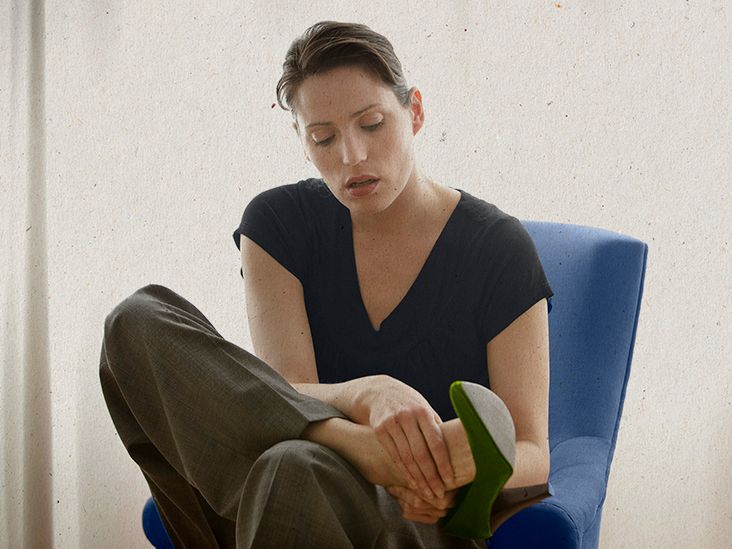
- Ankle-foot orthoses (AFOs): Often used for foot drop to help lift or stabilize the foot
- Functional electrical stimulation (FES): A device that uses gentle electrical stimulation to help activate muscles during walking
- Canes or trekking poles: Helpful for balance or mild instability
- Forearm crutches: Useful when more stability is needed
- Walkers: Helpful for balance support and built-in rest breaks
- Scooters or wheelchairs: Sometimes the best option for longer distances or energy conservation
The best device is the one that helps you do more with less risk. It is not a symbol of failure. It is a tool that can keep you working, socializing, exercising, and getting through your day without feeling like the hallway is personally offended by you.
4. Spasticity, fatigue, and pain management
If walking difficulty is driven by stiffness, spasms, or heavy legs, spasticity treatment may help. That may involve stretching, therapy, positioning, and medication chosen by a clinician. If fatigue is the main villain, management may include pacing, planned rest, better sleep habits, smarter scheduling, cooling strategies, exercise modification, and symptom-directed medication when appropriate.
Pain matters too. If walking hurts, people naturally move less, become deconditioned, and lose even more function. That is why addressing pain is not optional fluff. It is part of mobility care.
5. Exercise, but make it strategic
Exercise can help walking in MS, but random “push through it” advice is rarely the move. Structured, personalized exercise is better. Many people do well with a mix of aerobic work, strength training, balance exercises, and flexibility. Others need seated cardio, aquatic exercise, biking, or shorter interval-based sessions because fatigue shows up fast.
Heat sensitivity also deserves respect. Exercising in a cool room, using fans, drinking cold fluids, layering clothing, or scheduling workouts earlier in the day can make movement more realistic. This is not laziness. This is tactics.
How to track progress without driving yourself crazy
Tracking matters because walking changes gradually, and memory is unreliable. Some weeks feel terrible even when objective function is stable. Other times a person adapts so slowly that they do not realize how much has changed until they look back. Good tracking turns vague feelings into usable data.
Clinic-based ways to measure walking progress
Healthcare teams often use standardized tools to measure walking over time. One of the most common is the Timed 25-Foot Walk, which looks at how quickly a person can safely walk 25 feet. It is widely used in MS care and research because it gives a practical snapshot of mobility and leg function.
Other useful clinic measures may include the 6-minute walk test for endurance, balance testing, fall-risk screening, and patient-reported questionnaires such as the MS Walking Scale-12. None of these tells the whole story alone, but together they create a clearer picture of what is changing.
Smart ways to track MS walking at home
You do not need a laboratory and a clip board to notice meaningful patterns. At home, the most useful tracking system is usually simple enough that you will actually keep using it. Consider monitoring:
- How far you can walk before needing a rest
- How many rest breaks you need during a usual outing
- How often you trip, stumble, or catch your toes
- Whether stairs feel easier, harder, or unchanged
- How walking changes by time of day
- How much heat affects leg strength or fatigue
- Whether you need more support from a cane, walker, or railing
- How long it takes to recover after activity
- How confident you feel walking outside the house
A notes app, calendar, spreadsheet, or small paper log all work. Some people also use step counts or short phone videos taken at regular intervals. Those videos can be surprisingly useful because they show things you might not feel, like shorter stride length, knee hyperextension, less arm swing, or more foot slap.
What counts as real progress?
Progress is not only “I walk faster.” It can also be:
- Fewer near-falls
- Less toe drag
- Smoother turns
- Better balance when carrying something
- Less fatigue after a familiar route
- Needing fewer recovery days after errands
- Feeling safer walking in public
- Using energy more efficiently during the day
In other words, progress should be measured by function, safety, endurance, and confidencenot just speed.
When to call your healthcare team
Check in with your clinician if walking changes noticeably, especially if the change is sudden, one-sided, painful, or linked with new symptoms such as numbness, dizziness, falls, or worsening vision. Reach out sooner rather than later if you are starting to avoid activities because of fear of falling, or if your current treatment plan is no longer keeping you safe and active.
It is also worth asking for a PT evaluation at the first sign of trouble, not after six months of trying to “be careful” while slowly turning your living room into an obstacle course analysis lab.
Experiences people commonly have with MS walking changes
The experience of MS walking problems is often more personal and emotional than a clinical checklist makes it sound. Many people describe the earliest changes as small, annoying, and easy to dismiss. Maybe they start clipping the edge of a step. Maybe their foot catches a rug once in a while. Maybe they begin avoiding long hallways, crowded events, or parking far from the entrance without fully admitting why. At that stage, it may look minor from the outside, but inside it feels like trust in your own body is starting to wobble.
Another common experience is unpredictability. A person may walk fairly well one day and struggle the next, or do fine in the morning and feel like their legs have turned to wet cement by late afternoon. Heat can make everything worse. So can poor sleep, illness, stress, or simply doing too much too early in the day. That unpredictability can be frustrating because it makes planning harder. People often say the physical challenge is only half the battle; the mental math of deciding what they can safely do today is the other half.
Fatigue changes the emotional side of walking too. It is not always dramatic weakness. Sometimes it is the exhausting effort behind each step. A person may still be technically walking, but walking no longer feels automatic. It feels managed. Calculated. Expensive. That can lead people to skip outings, turn down invitations, or stop exercising because they are trying to protect energy for work, parenting, or basic daily tasks. Unfortunately, doing less can sometimes lead to deconditioning, which then makes walking even harder. It is a frustrating loop.
Many people also wrestle with the idea of using a walking aid. A cane, AFO, or walker can bring relief and safety, yet it may also feel emotionally loaded at first. Some worry it means their MS is “winning.” Others worry about how people will react. But once the right device is fitted, the response is often surprisingly practical: “I should have done this sooner.” Better stability, less fatigue, and fewer falls can restore confidence in a way that pride alone never could.
Tracking progress can help because it turns a vague bad feeling into patterns you can actually work with. People often discover that their walking is not randomly worse all the timeit is worse after overheating, worse after poor sleep, worse at the end of the day, or worse when they skip stretching. That kind of insight helps treatment feel more targeted and less mysterious.
There is also a quieter experience that deserves attention: the emotional impact of walking differently in public. Many people with MS describe embarrassment when they need extra time, fear of tripping in front of others, or frustration when they “look fine” to outsiders but are working extremely hard to stay upright. That is why support matters. Good MS care is not just about muscle tone and gait speed. It is also about confidence, independence, identity, and staying connected to everyday life.
The most encouraging stories usually are not about miracle transformations. They are about meaningful gains: fewer falls this month, being able to walk the grocery store with planned breaks, feeling steadier on stairs, making it through a child’s school event, or learning how to use cooling, pacing, and therapy to get more life out of the same body. Those wins count. In MS walking care, small improvements are often very big victories.
Final thoughts
MS walking problems can be complicated, but they are not random or untouchable. The key is to identify what is driving the difficultyweakness, spasticity, fatigue, balance trouble, sensory loss, foot drop, pain, or some all-star combinationand then treat those issues on purpose. The best plan usually combines rehabilitation, symptom management, the right equipment, smart exercise, and practical progress tracking.
If walking has become harder, do not wait for it to become a crisis before speaking up. Earlier evaluation often means more options, better safety, and less time spent improvising your way through daily life. And while no single strategy works for everyone, many people with MS can walk better, longer, or more safely with the right support in place.